Why Effluent Treatment Plants Are Key to Industrial Compliance
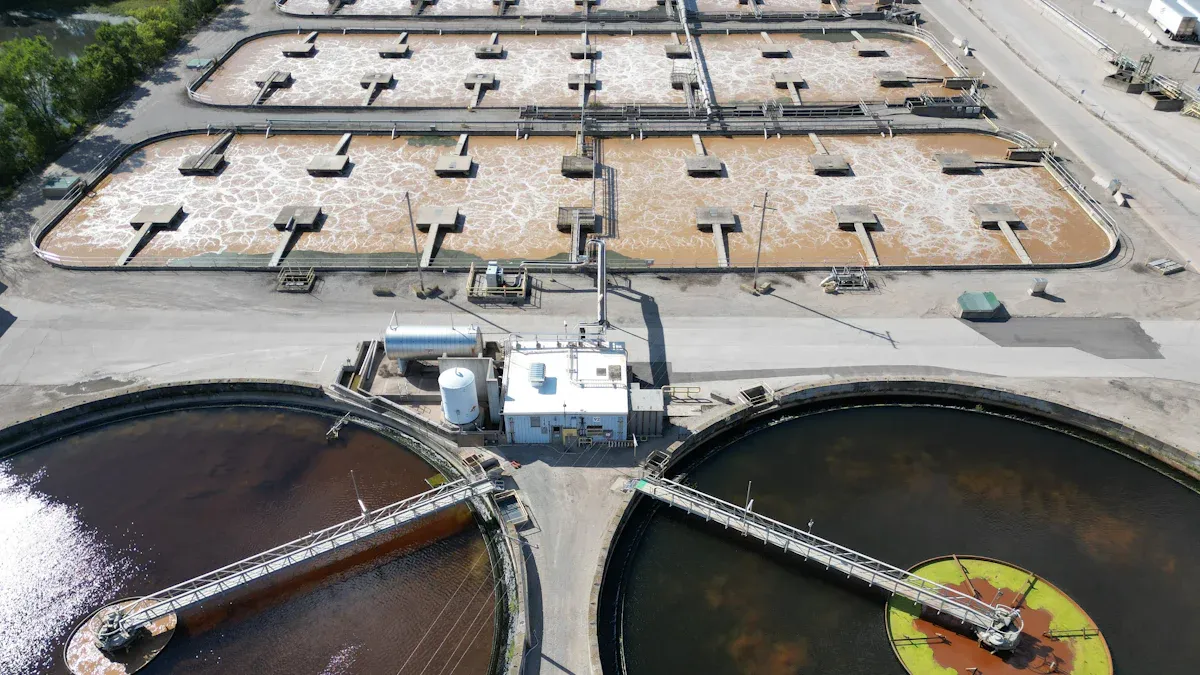
When you look at how industries handle wastewater, you see big differences across the world.
- Only 38% of industrial wastewater gets treated in countries that report data.
- Just 27% is treated safely.
Many countries require an effluent treatment plant to meet strict discharge permits and contaminant limits. These rules help protect people and the environment.
Key Takeaways
- Effluent treatment plants clean industrial wastewater, protecting the environment and public health by removing harmful pollutants.
- Regular maintenance and monitoring of treatment systems ensure compliance with strict regulations, helping industries avoid legal issues.
- Investing in effluent treatment plants supports sustainability by recycling water, reducing costs, and conserving natural resources.
Effluent Treatment Plant: Definition and Function
What Is an Effluent Treatment Plant
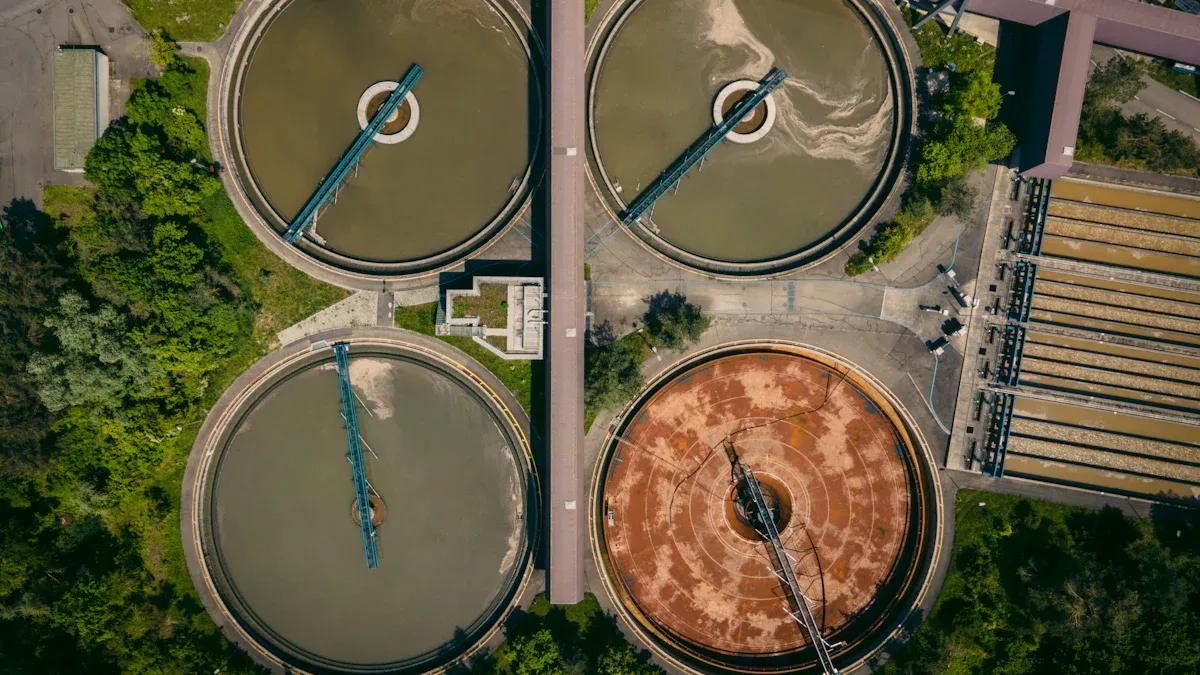
You can think of an effluent treatment plant as a special facility that cleans industrial wastewater before it reaches rivers, lakes, or the ground. This plant removes harmful chemicals, oils, and solids from the water. When you use an effluent treatment plant, you help protect the environment and public health. Untreated wastewater can destroy aquatic life and harm soil. By treating this water, you keep ecosystems safe and support biodiversity.
How Effluent Treatment Plants Work
An effluent treatment plant works in several steps. Each step removes different types of pollution from the water. Here is a table that shows the main stages and their functions:
| Stage of Treatment | Function |
|---|---|
| Preliminary Treatment | Removes large solids and coarse materials to prevent damage to equipment. |
| Primary Treatment | Separates suspended solids and removes organic and inorganic matter. |
| Secondary Treatment | Utilizes microorganisms to break down organic pollutants. |
| Tertiary Treatment | Ensures water meets quality standards through filtration and disinfection processes. |
You see that each stage has a clear job. These steps make sure the water is clean enough for safe discharge or reuse.
Main Components of Effluent Treatment Plants
You will find several important parts in every effluent treatment plant. Each part plays a key role in cleaning the water:
- Screen chamber removes large trash and floating solids.
- Equalization tank keeps the flow and quality of wastewater steady.
- Clarifier or sedimentation tank separates solids from water.
- Aeration tank gives oxygen to helpful microorganisms.
- Sludge handling unit treats and disposes of collected sludge.
- Disinfection unit makes the treated water safe for discharge or reuse.
When you use all these parts together, you meet environmental rules and help keep nature healthy.
Effluent Treatment Plant: Compliance and Environmental Impact

Meeting Regulatory Requirements
You need to follow strict rules when you manage industrial wastewater. Many countries set clear guidelines for how much pollution you can release into rivers, lakes, or soil. These rules protect water sources and keep communities safe. The table below shows some important regulations in major industrialized countries:
| Country/Region | Regulation/Guideline | Authority/Agency |
|---|---|---|
| European Union | EU Water Framework Directive | European Union |
| United States | Effluent Limitation Guidelines (ELGs) | Environment Protection Agency (EPA) |
| Mexico | Wastewater Effluent Discharge Limit Mandates | Secretariat of Environment and Natural Resources (SEMARNAT) |
| India | Regulatory Directives | Central Pollution Control Board (CPCB) |
| China | Action plans and directives | State Council of China, Ministry of Environmental Protection |
You can meet these requirements by using an effluent treatment plant. Modern plants use physical, biological, and chemical methods to clean wastewater. You should monitor your system regularly and keep good records. Routine audits help you find problems before inspections happen.
Tip: Make compliance part of your daily routine by training staff and checking your treatment systems often.
Safeguarding Public Health
You protect public health when you treat industrial wastewater. Untreated water can carry dangerous germs and chemicals. People who work near farms or factories face higher risks of diseases like diarrhea and infections. Studies show that soils irrigated with untreated wastewater contain more harmful bacteria such as Enterobacteriaceae, Bacillus spp., Staphylococcus spp., Pseudomonas spp., and Clostridium spp. The odds of getting diarrheal diseases rise by 1.65 times for those exposed to this water.
Effluent treatment plants help lower these risks. The table below explains how different treatment methods work:
| Treatment Method | Effect on Contaminants | Impact on Waterborne Diseases |
|---|---|---|
| Physicochemical | Removes heavy metals and contaminants | Prevents water contamination |
| Biological | Degrades organic pollutants and nutrients | Reduces eutrophication, protecting aquatic life |
When you use these methods, you keep water clean and safe for people and animals.
Preventing Water and Soil Pollution
You can stop pollution from spreading by treating wastewater before you release it. Industrial wastewater often contains organic matter, inorganic compounds, heavy metals, and toxic chemicals. The table below shows how different treatment methods address these pollutants:
| Treatment Method | Description |
|---|---|
| Physical treatment | Removes suspended solids and large particles through screening and sedimentation. |
| Chemical treatment | Uses chemicals to neutralize acids, remove dissolved solids, and oxidize organic matter. |
| Biological treatment | Employs microorganisms to break down organic matter effectively. |
| Advanced treatment | Uses membrane filtration and reverse osmosis for specific pollutants. |
You see pollution in many industries:
- Dairy production: Fats, lactose, and protein.
- Textile production: Dyes, microplastics, and metals.
- Metal processing: Gases, acids, and organic compounds.
- Chemical manufacturing: Wastewater from paints, pesticides, and detergents.
- Brewery production: Acidic wastewater with organic byproducts.
Untreated effluent can damage water and soil quality. Research shows that after industries start operating, surface water quality drops by 96.2%, groundwater quality falls by 92.5%, and soil quality decreases by 100%. You can prevent these problems by using an effluent treatment plant.
Supporting Sustainability Across Industries
You help your business and the environment when you use an effluent treatment plant. These plants support circular economy principles by turning wastewater into a reusable resource. You can save money by recycling treated water, which is important for industries like manufacturing and textiles. Advanced treatment processes can clean water so well that it is over 90% pure and ready for reuse.
Many industries improve their sustainability by adopting these systems. For example:
- Textile factories with LEED certifications in Bangladesh use less water and have better treatment systems than non-certified factories.
- Certified factories meet environmental standards, while others need big improvements.
You can also lower energy use by optimizing aeration processes, sometimes cutting energy costs by up to 50%. Some plants use renewable energy, which reduces carbon emissions.
Note: Effluent treatment plants help you reach sustainability goals and protect natural resources for future generations.
Effluent Treatment Plant: Technologies, Applications, and Challenges
Common Treatment Processes
You can find three main steps in most treatment plants: primary, secondary, and tertiary treatment. Each step removes different types of pollution from wastewater.
- Primary treatment uses tanks and screens to remove large solids and organic material. This step can remove about 50 to 70 percent of suspended pollutants.
- Secondary treatment uses helpful microorganisms to break down organic matter. This step can reduce chemical oxygen demand (COD), biological oxygen demand (BOD), and suspended solids by 85 to 95 percent.
- Tertiary treatment uses advanced methods like filtration and disinfection. This step can remove up to 99 percent of contaminants, including nutrients and pathogens. Tertiary treatment is important for producing high-quality water that is safe for reuse or discharge.
Tip: Tertiary treatment helps you meet strict water quality standards and protects the environment.
Advanced Technologies in Effluent Treatment Plants
Modern plants use new technologies to clean water more efficiently. The table below shows some advanced options:
| Technology | Description | Benefits |
|---|---|---|
| MBBR (Moving Bed Biofilm Reactor) | Uses biofilm carriers to boost biological treatment. | Simple operation, high efficiency, less sludge. |
| SBR (Sequencing Batch Reactor) | Treats water in batches for flexible operation. | Good for small plants, saves space, removes nutrients well. |
| UASB (Upflow Anaerobic Sludge Blanket) | Uses anaerobic digestion to treat organic waste. | Low energy use, creates biogas, handles shock loads. |
These technologies help you save energy and reduce costs.
Applications in Different Industrial Sectors
Many industries rely on effluent treatment plants to manage their wastewater. The table below shows where you might find these systems:
| Industry Sector | Why Treatment Is Needed |
|---|---|
| Textiles | Dyeing creates large amounts of polluted water. |
| Chemical makers | Factories release dangerous chemicals. |
| Metal manufacturing | Steel and iron plants produce toxic waste. |
| Mining | Mining creates tailings that harm the environment. |
| Oil and gas | Drilling produces hazardous wastewater. |
| Power plants | These plants release water with harmful metals. |
| Food processing | Wastewater contains pesticides and fertilizers. |
You can see that many sectors need strong treatment systems to protect nature and follow the law.
Implementation Challenges and Solutions
You may face challenges when setting up a treatment plant. Some common problems include poor infrastructure, lack of money, unreliable power, and not enough skilled workers. The table below lists these challenges and some solutions:
| Challenge | Solution |
|---|---|
| Inadequate infrastructure | Use smart technology for remote monitoring. |
| Financial constraints | Explore new financing and cost-saving options. |
| Lack of skilled personnel | Offer training and use expert management. |
| Low public engagement | Educate communities about water reuse. |
You can overcome these barriers by using new technology, better management, and public education.
You rely on an effluent treatment plant to protect water, meet laws, and support your business. The table shows why these plants matter:
| Aspect | Description |
|---|---|
| Environmental protection | Prevents pollution of rivers and lakes |
| Public health | Reduces waterborne diseases |
| Legal compliance | Meets regulatory standards |
| Resource conservation | Allows water reuse |
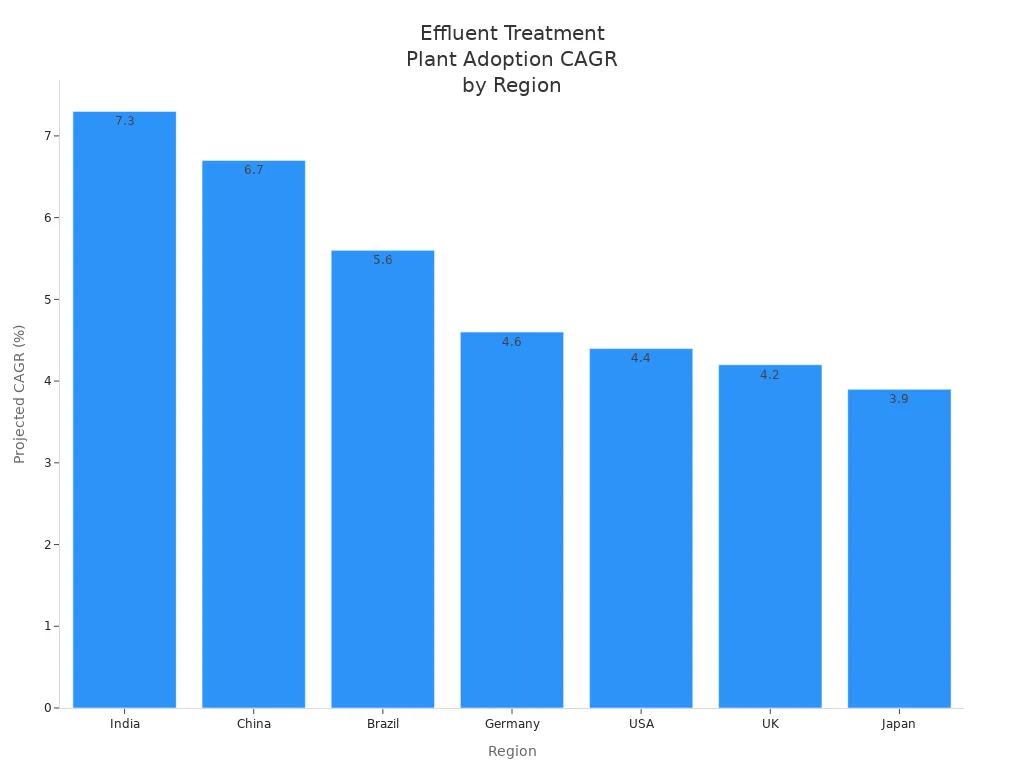
You help your company grow and protect nature when you invest in these systems.
FAQ
What happens if you do not treat industrial wastewater?
You risk harming rivers, soil, and public health. Untreated water can spread disease and damage the environment.
How often should you maintain an effluent treatment plant?
You should check and maintain your plant every month. Regular checks help you avoid breakdowns and keep the system working well.
Can you reuse water from an effluent treatment plant?
- Yes, you can reuse treated water for:
- Gardening
- Cooling systems
- Cleaning floors
See Also
Innovations in Heat Exchanger Manufacturing Boost Industrial Efficiency
The Role of Condensate Coolers in Enhancing Energy Efficiency
Enhancing Industrial Efficiency with Plate Air Preheaters
A Comprehensive 2025 Overview of Semi-welded Plate Heat Exchangers
Essential Industrial Checkweighers for Every Food Processing Facility