Best practices for efficient effluent treatment plant operation
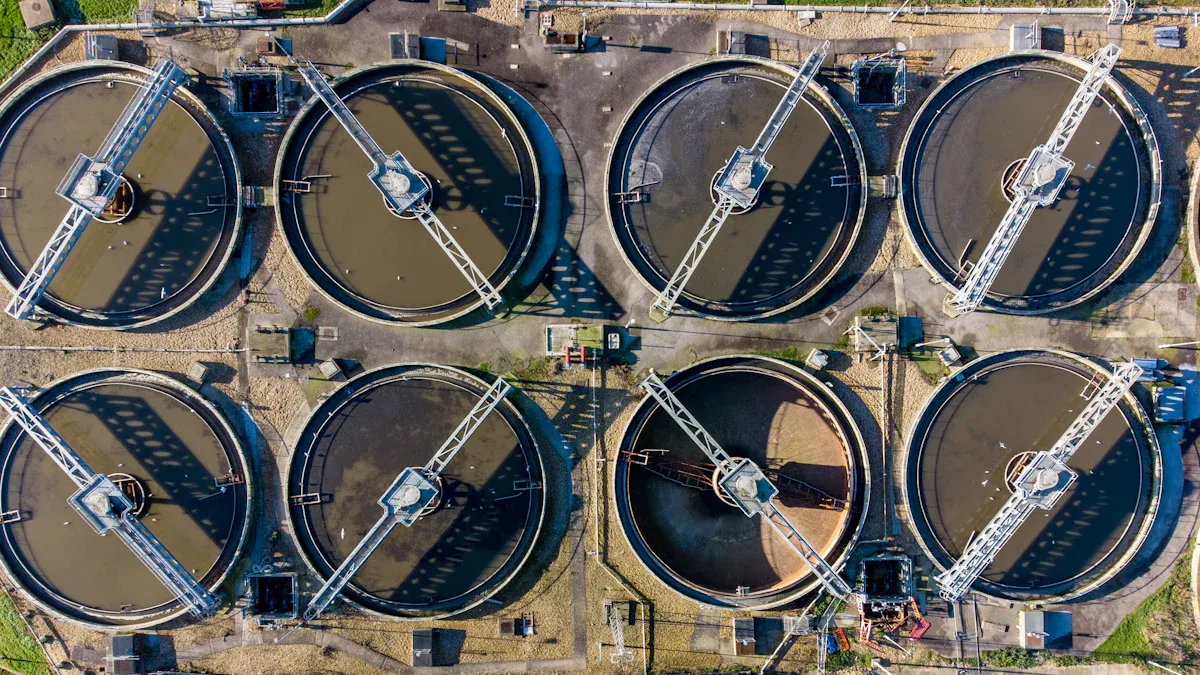
You achieve efficient operation in your effluent treatment plant when you focus on a few critical best practices.
- Build a system that fits current and future needs.
- Keep spare parts ready and add backup for important equipment.
- Prepare for changes and update technology as needed.
- Train your staff and help them learn new skills.
- Keep your workspace clean and safe.
- Get support from management.
- Form a team to check and report on plant performance regularly.
Key Takeaways
- Build a flexible system that meets both current and future needs to ensure long-term efficiency.
- Regularly train staff to enhance their skills, which leads to better plant performance and compliance.
- Implement preventive maintenance to identify issues early, reducing costs and downtime significantly.
Systematic Procedures in Effluent Treatment Plant Operation
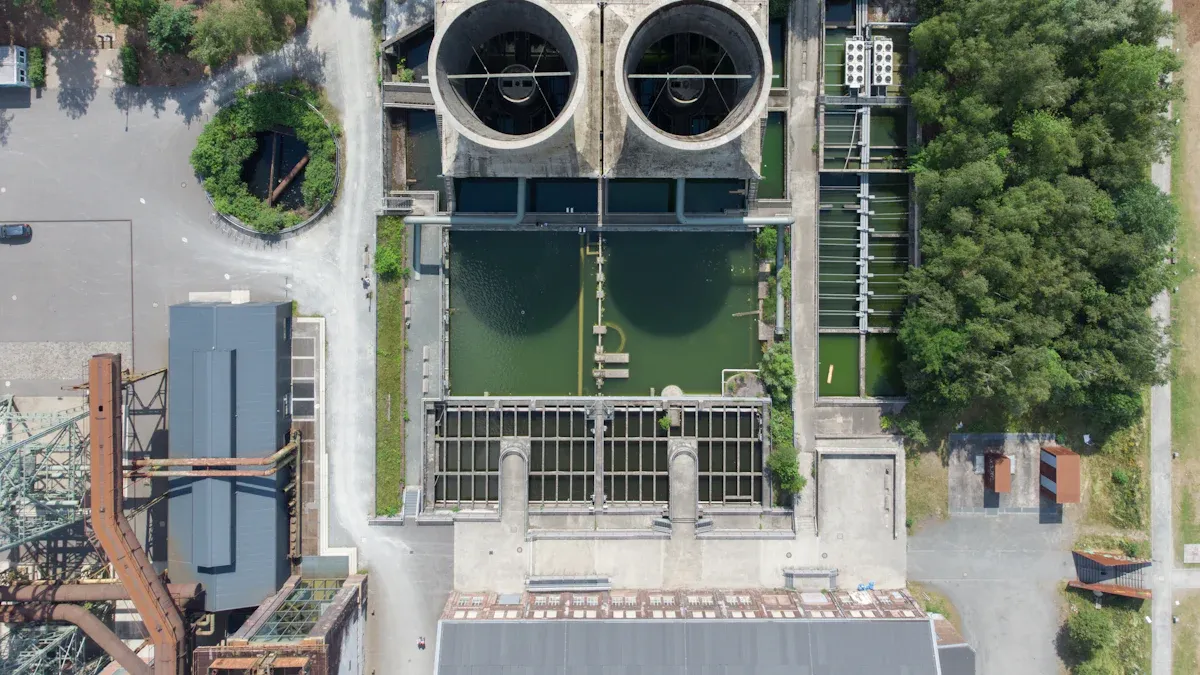
Key Treatment Stages Overview
You need to understand the main stages in an effluent treatment plant to keep your system running smoothly. Each stage plays a unique role in cleaning wastewater and protecting the environment. The table below shows how each step works:
| Treatment Stage | Description |
|---|---|
| Preliminary Treatment | Removal of large solids, grit, grease, and oil through screening and settling. |
| Primary Treatment | Sedimentation and neutralization to remove suspended solids and adjust pH. |
| Secondary Treatment | Biological processes like activated sludge to break down organic matter. |
| Tertiary Treatment | Advanced filtration (RO, UV, carbon) to remove pathogens and toxins. |
| Sludge Treatment | Thickening, digestion, and dewatering to stabilise and reduce sludge volume. |
You improve treatment efficiency when you follow these steps in order. Regular monitoring by authorities helps you spot problems early and keep your plant in compliance. When you use proven technologies, you can meet strict discharge limits and protect water quality.
Oil and Grease Separation Methods
Oil and grease can block pipes and harm treatment processes. You must remove them early in your effluent treatment plant. The table below lists common methods and their effectiveness:
| Method | Removal Efficiency | Contact Time | Notes |
|---|---|---|---|
| Standard separators (grease traps) | Up to 80% | 3 to 5 minutes | Designed for flow rates of 20 to 30 L·s–1; requires regular cleaning. |
| Primary settling tank | Variable | ~15 minutes | Not ideal for large grease recovery; can combine with grit removal. |
| Separate grease remover | Not specified | 10 to 20 m3·h–1 | Protects sewer network; initial treatment stage for specific IWW plants. |
You should clean grease traps often to keep them working well. When you use separate grease removers, you protect your sewer network and improve overall plant performance.
Neutralization and pH Control Steps
You must control pH in your effluent treatment plant to prevent damage to equipment and protect the environment. The following table shows the main components you need for effective pH control:
| Component | Description |
|---|---|
| Instrumentation | Monitors, controls, and records pH and ORP levels. |
| Effluent holding tank | Stores effluent while pH is being adjusted. |
| Chemical reagent storage tanks | Contains chemicals used for pH adjustment. |
| Agitator(s) | Ensures thorough mixing of effluent and chemicals for accurate pH measurement and distribution. |
When you use these steps, you improve water quality and reduce acidity. You also lower heavy metal concentrations, making your treated water safer for discharge or reuse.
Sludge Removal and Handling Practices
Sludge management is a key part of running an effluent treatment plant. You need to follow safe and efficient practices to protect health and the environment. Here are some recommended steps:
- Reduce pathogens to meet safety regulations for biosolids.
- Limit heavy metals to prevent soil contamination and protect crops.
- Match application rates to nutrient needs and minimize runoff.
- Recover resources from sludge to support sustainability.
You can use incineration or landfilling to reduce sludge volume. Incineration cuts sludge by up to 95% and allows you to recover energy, which helps lower costs. When you treat sludge as a resource, you shift from waste disposal to sustainable management.
Operational Controls and Monitoring for Effluent Treatment Plant Efficiency
Maintaining Biomass and Microbial Health
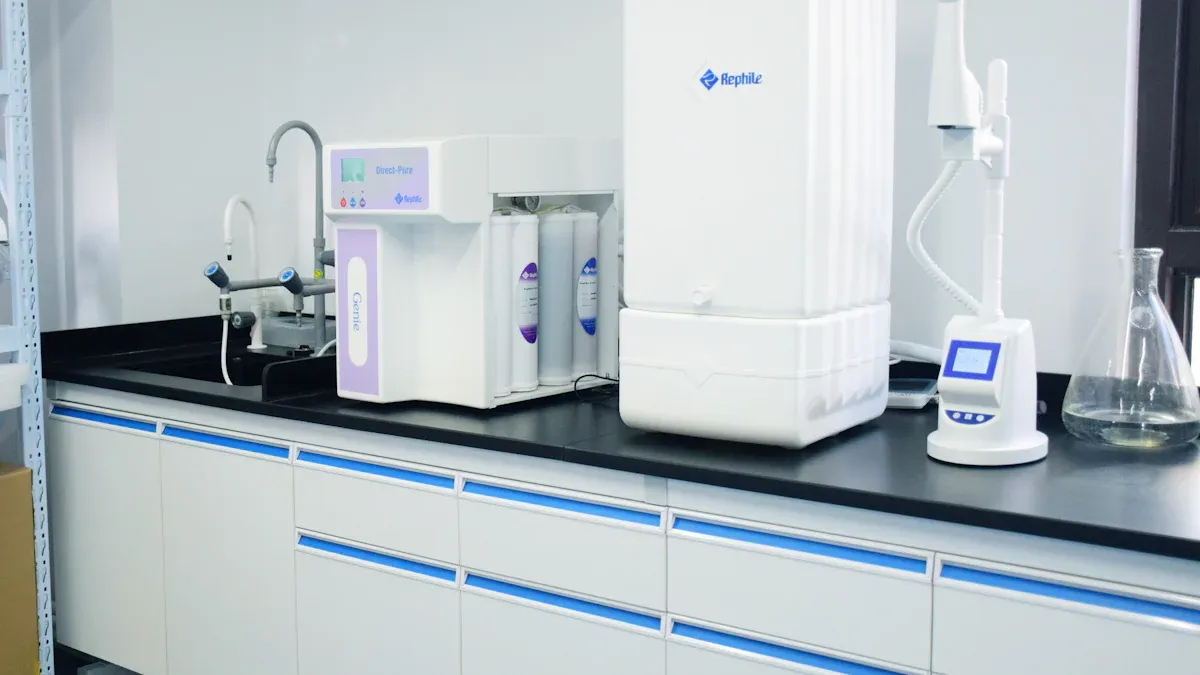
You need to keep the biomass and microbes healthy in your effluent treatment plant. Microbes break down organic matter and remove harmful substances from wastewater. Routine monitoring helps you spot problems early. You can check key parameters like pH, dissolved oxygen, and mixed liquor suspended solids (MLSS). When you track these values, you notice trends and make small changes before bigger issues develop. Healthy microbes mean you get better treatment results and meet water quality targets.
- Regular checks help you detect changes in microbial health.
- You can adjust operations to keep the system stable.
- Microbial testing ensures you control pathogens before discharge.
- Good communication with industrial operators prevents toxic shocks to the biomass.
Tip: Understanding the types of microbes in your system helps you prevent failures and improve performance.
Dissolved Oxygen and Temperature Management
You must control dissolved oxygen and temperature to keep biological treatment working well. Microbes need oxygen to survive and clean the water. If oxygen drops too low, microbes slow down and treatment suffers. Temperature also affects how fast microbes work. The best temperature range for microalgal growth is between 15 and 30 °C. Growth slows below 15 °C or above 35 °C. You get the best nitrogen and phosphorus removal at 25 °C to 30 °C.
| Parameter | Optimal Range | Effect on Treatment |
|---|---|---|
| Dissolved Oxygen | 2-4 mg/L | Supports microbial activity |
| Temperature | 15-30 °C | Boosts nutrient removal |
When you keep oxygen and temperature in the right range, you improve nutrient removal and keep your effluent treatment plant running smoothly.
Chemical Dosing and Process Automation
You need accurate chemical dosing to meet water quality standards. Chemical dosing systems add the right amount of chemicals to adjust pH, remove contaminants, and disinfect water. Automated systems help you control these processes with precision. Control systems and SCADA technology collect real-time data from sensors. You can analyze this data to spot trends and improve operations. Automation reduces human error and helps you follow regulations.
- Chemical dosing keeps treatment consistent.
- Automated controls ensure you meet discharge limits.
- Real-time monitoring supports continuous improvement.
Note: Automated systems can lower energy use and reduce sludge generation, saving you money over time.
Regular Monitoring and Record-Keeping
You must monitor your effluent treatment plant regularly and keep good records. Sampling and continuous monitoring help you prevent environmental damage. You should check key parameters like pH, temperature, and chemical oxygen demand (COD) often. Automated monitoring systems alert you to problems right away, so you can fix them fast. Secure data systems protect your records and help you meet regulations.
- Regular sampling and monitoring prevent pollution.
- Detailed records show you follow the rules.
- Audit trails and data retention support reporting and compliance.
Alert: Always use secure systems to store your data and keep it safe from unauthorized access.
When you follow these best practices, you keep your effluent treatment plant efficient, reliable, and compliant with regulations.
Maintenance, Adaptation, and Staff Training in Effluent Treatment Plant Management
Preventive Maintenance and Equipment Inspection
You keep your effluent treatment plant running smoothly when you use preventive maintenance. Regular inspections help you spot problems before they grow. Cleaning and timely repairs lower the risk of sudden breakdowns. You also save money and reduce downtime. The table below shows how different strategies help you:
| Strategy | Benefit | Impact on Costs and Downtime |
|---|---|---|
| Regular Inspections | Finds issues early | Up to 40% reduction in costs |
| Cleaning and Maintenance | Stops unexpected breakdowns | Nearly 20% reduction in repair times |
| Compliance with Standards | Keeps operations efficient and legal | Reduces risk of costly repairs |
Tip: Make a checklist for inspections and cleaning. You can prevent most equipment failures with simple steps.
Clarifier Draining and TSS Removal
You need to drain clarifiers and remove total suspended solids (TSS) often. This keeps sludge from building up and causing problems. The right draining schedule depends on your plant’s size and design. When you clean clarifiers regularly, you avoid blockages and keep treatment efficient.
Adapting to Changing Wastewater Characteristics
Wastewater can change over time. You must stay flexible and ready to adjust your processes. Try these strategies:
- Build flexibility into your plant’s design.
- Run pilot tests before making big changes.
- Monitor and maintain equipment often.
- Work with your team to set goals and track results.
- Use advanced tests to check biological health.
- Watch effluent quality and change processes when needed.
Staff Training and Digital Solutions
You improve plant performance when you train your staff and use digital tools. A web-based interface gives everyone access to important information. Digital solutions help you see problems early and fix them fast. Modeling software shows real-time updates and helps you follow regulations.
Note: Ongoing training and digital upgrades make your effluent treatment plant safer, smarter, and more reliable.
You can boost your effluent treatment plant’s performance by following these steps:
- Assess current performance.
- Inspect flow rates and equipment.
- Upgrade technology and automate operations.
- Review data often.
These best practices lower costs, extend equipment life, and support sustainability. Keep monitoring and encourage staff to share ideas for improvement.
FAQ
What is the most important daily task in an effluent treatment plant?
You should check water quality parameters every day. This helps you spot problems early and keep your plant running safely.
How often should you clean grease traps?
You need to clean grease traps at least once a week. Regular cleaning prevents blockages and keeps your system efficient.
Why do you need staff training for plant operation?
Staff training helps you avoid mistakes. You learn new skills and keep your plant safe and compliant with regulations.
See Also
Ways to Reduce Environmental Impact Using Plate Heat Exchangers
Innovations in Heat Exchanger Manufacturing Boost Industrial Efficiency
Your 2025 Handbook for Semi-welded Plate Heat Exchangers
Three Methods PHE Plates Enhance System Efficiency This Year