The Role of Antioxidant Content in Hydroxyl-Terminated Polybutadiene CAS No. 69102-90-5
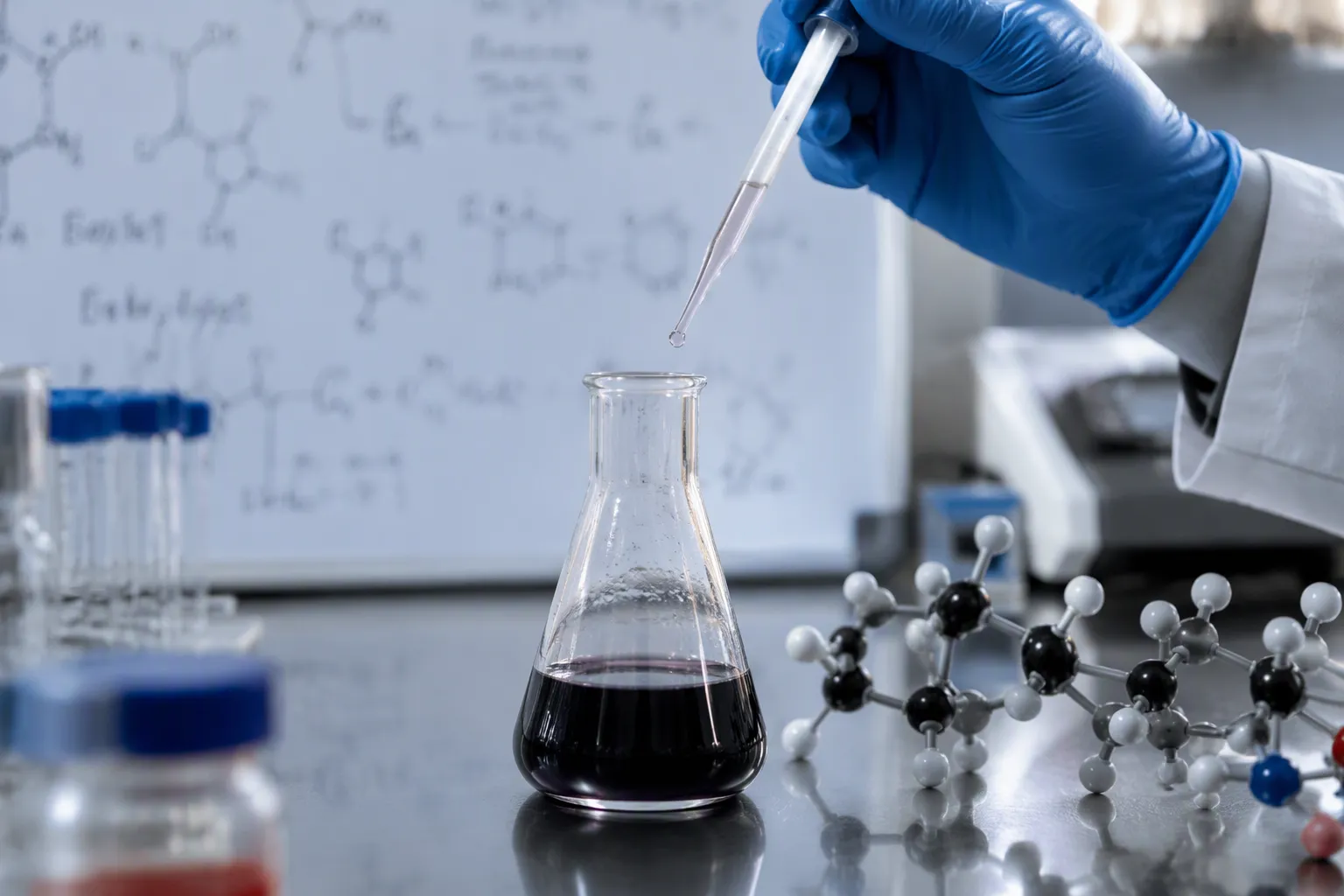
Antioxidant content directly determines HTPB's resistance to oxidative degradation. A clear optimal range balances protection against property compromise. Too little antioxidant causes rapid aging, viscosity increase, and loss of mechanical integrity. Too much can plasticize the polymer, reduce crosslink density, and raise processing costs. The right level, typically 0.5–2.0 wt%, preserves shelf life and ensures long-term performance. The effect of antioxidant content on the properties of HTPB CAS No. 69102-90-5 hydroxyl-terminated polybutadiene depends on this balance.
Key Takeaways
- Keep antioxidant content between 0.5% and 2.0% by weight for best protection without harming mechanical properties.
- Too little antioxidant causes rapid aging and viscosity rise; too much plasticizes the polymer and raises costs.
- Validate antioxidant levels with aging tests to ensure long-term performance in storage and use.
The Role of Antioxidants in HTPB
Why HTPB Needs Protection
HTPB contains unsaturated carbon-carbon double bonds in its polymer backbone. These double bonds react easily with oxygen through radical chain mechanisms. This auto-oxidation process leads to crosslinking and chain scission. The polymer then becomes brittle or loses its elastic properties. Heat, light, and metal ions accelerate this degradation during storage and processing. Antioxidants protect the polymer by interrupting these harmful reactions.
The carbon-carbon double bonds in HTPB are susceptible to oxidation via radical chain mechanisms, leading to crosslinking and degradation. To mitigate this auto-oxidation, antioxidants such as hindered phenols are incorporated to scavenge free radicals and extend material longevity.
Mechanism of Antioxidant Action
Antioxidants work through two main pathways. Primary antioxidants donate hydrogen atoms to free radicals. This action stops the radical chain reaction before it damages the polymer. Secondary antioxidants decompose hydroperoxides into stable products. This step prevents further radical formation. Hindered phenols and aromatic amines act as primary antioxidants. Phosphites and thioesters serve as secondary antioxidants. Many formulations combine both types for synergistic protection.
Common Antioxidant Types Used
Several antioxidant classes protect HTPB effectively. Each type offers distinct advantages for different applications.
- BHT (2,6-di(tert-butyl)hydroxytoluene): BHT acts as a sacrificial antioxidant. It gets consumed first during thermal aging. This consumption prevents oxidative degradation of HTPB itself. As BHT depletes, the reactivity between HTPB and the curing agent (IPDI) gradually increases.
- Flexzone 6-H: This antioxidant improves the aging resistance coefficient of HTPB propellant. It directly extends service life. Flexzone 6-H protects HTPB from oxidative degradation during storage and preserves propellant integrity over time.
Effect of Antioxidant Content on the Properties of HTPB CAS No. 69102-90-5 Hydroxyl-Terminated Polybutadiene
Inhibition of Auto-Oxidation
The concentration of antioxidant in HTPB directly controls how well the polymer resists auto-oxidation. At low concentrations, free radicals generated by heat or light attack the carbon-carbon double bonds along the polymer backbone. These radicals trigger a chain reaction. The reaction produces hydroperoxides. Hydroperoxides then decompose into more radicals. This cycle repeats until the polymer suffers significant damage. Antioxidant molecules interrupt this cycle by donating hydrogen atoms to the radicals. This donation stabilizes the radicals and stops the chain reaction.
The effect of antioxidant content on the properties of HTPB CAS No. 69102-90-5 hydroxyl-terminated polybutadiene becomes clear when researchers measure oxidation induction time. A sample with 0.5 wt% antioxidant might resist oxidation for several hours at elevated temperature. A sample with 2.0 wt% antioxidant can resist oxidation for much longer. The relationship between concentration and protection follows a curve. At first, adding more antioxidant produces large gains in protection. Later, each additional increment produces smaller gains. This pattern reflects the underlying chemistry. Antioxidant molecules compete with polymer chains for free radicals. A higher concentration means more antioxidant molecules are available to intercept radicals before they damage the polymer.
The type of antioxidant also matters. Hindered phenols work well at low concentrations because each molecule can neutralize multiple radicals. Aromatic amines offer similar efficiency. Secondary antioxidants like phosphites work differently. They decompose hydroperoxides into stable alcohols. This action prevents hydroperoxides from breaking down into new radicals. Combining primary and secondary antioxidants often produces better protection than either type alone. The optimal ratio depends on the specific HTPB grade and the expected storage conditions.
Impact on Shelf Life and Storage
Shelf life represents the time HTPB remains usable before its properties degrade beyond acceptable limits. Antioxidant content directly determines this duration. Without sufficient antioxidant, HTPB undergoes rapid aging. Viscosity increases. The polymer becomes harder and less workable. Hydroxyl value may drift. These changes make the material unsuitable for further processing.
A well-formulated HTPB with the right antioxidant content can remain stable for 12 to 24 months or longer under proper storage conditions. The antioxidant continuously scavenges radicals that form during storage. It protects the polymer from oxygen in the air. It also protects against thermal stress from temperature fluctuations. The effect of antioxidant content on the properties of HTPB CAS No. 69102-90-5 hydroxyl-terminated polybutadiene during storage shows up in several measurable ways. Viscosity remains stable. The hydroxyl value stays within specification. The color of the polymer changes less over time.
Storage conditions influence how much antioxidant HTPB needs. Higher temperatures accelerate oxidation. A polymer stored at 40°C needs more antioxidant than one stored at 20°C. Exposure to ultraviolet light also increases the demand for antioxidant. Metal ions from containers or processing equipment can catalyze oxidation. In these cases, higher antioxidant levels or the addition of metal deactivators provides better protection. The effect of antioxidant content on the properties of HTPB CAS No. 69102-90-5 hydroxyl-terminated polybutadiene therefore depends on both the formulation and the storage environment.
Limits of Diminishing Returns
Adding more antioxidant does not always produce better results. Beyond a certain point, additional antioxidant provides little extra protection. The system reaches a saturation point. At this point, the antioxidant concentration exceeds what the polymer needs to neutralize the radicals formed under normal conditions. Extra antioxidant molecules simply remain in the polymer without contributing to stabilization.
This saturation behavior creates a practical limit. Formulators must balance the cost of antioxidant against the benefit it provides. Antioxidants add to raw material costs. They may also affect other properties. Some antioxidants can plasticize the polymer at high concentrations. This plasticization reduces crosslink density after curing. It can lower tensile strength and modulus. The effect of antioxidant content on the properties of HTPB CAS No. 69102-90-5 hydroxyl-terminated polybutadiene therefore includes negative effects at high concentrations.
The optimal concentration lies where the protection curve flattens. At this point, the polymer achieves maximum practical protection without wasting antioxidant or causing property penalties. Typical optimal levels range from 0.5 to 2.0 wt% depending on the antioxidant type and the application. Beyond 2.0 wt%, most formulations see diminishing returns. Some specialized applications may require higher levels. These cases usually involve extreme storage conditions or very long service life requirements. Even then, formulators should validate the need for higher concentrations through accelerated aging tests. These tests confirm whether the extra antioxidant actually extends performance or simply adds cost.
Effects on Viscosity and Processing
Plasticization at Low Levels
Low antioxidant concentrations can plasticize HTPB. Antioxidant molecules insert themselves between polymer chains. This action increases the distance between chains. The polymer then flows more easily. Viscosity drops slightly. This effect may seem helpful at first. However, plasticization weakens the final cured product. Crosslink density decreases. Mechanical strength suffers. Formulators must watch for this subtle effect when they use antioxidant levels below 0.5 wt%.
Viscosity Build-Up with Excessive Addition
High antioxidant content causes a different problem. Excess antioxidant molecules can participate in side reactions. These reactions create crosslinks between polymer chains. The polymer network becomes tighter. Viscosity rises. The material becomes harder to pump and mix. Processing equipment must work harder. Energy costs increase. In extreme cases, the polymer may gel during storage. This gelation makes the material unusable. Formulators should avoid antioxidant levels above 2.0 wt% unless testing proves otherwise.
Influence on Mixing and Handling
Antioxidant content affects how easily HTPB mixes with other ingredients. At optimal levels, the polymer flows smoothly. Mixing proceeds without difficulty. The antioxidant disperses evenly throughout the polymer matrix. At low levels, the polymer may become too soft. It can stick to mixing equipment. At high levels, the polymer becomes too stiff. It resists mixing and requires more energy. Both extremes create handling problems. The right antioxidant content keeps viscosity stable. It ensures consistent mixing and reliable processing.
Effects on Curing and Mechanical Properties
Crosslink Density Variations
Antioxidant content changes how HTPB cures. Antioxidants intercept oxygen-based radicals. These radicals would otherwise promote extra crosslinking. A small mass fraction, up to about 1%, retards auto-oxidation over time. This action limits radical-mediated crosslinking during cure. The table below shows how different stabilizers affect HTPB properties.
| Antioxidant / Stabilizer | Typical Concentration | Reported Effect on HTPB Properties |
|---|---|---|
| Hindered phenols (e.g., BHT) | 0.5–1.0 wt% | Mitigates oxidative degradation of residual unsaturation |
| Phosphites (e.g., tris(nonylphenyl) phosphite) | 0.2–0.5 wt% | Mitigates oxidative degradation |
| Acid stabilization (phosphoric/sulfuric acid) | <1 wt% | Adjusts acid number to 6–12 mg KOH/g; deactivates residual amine catalysts and prevents autocatalytic oxidation |
Tensile Strength and Elongation Trends
Proper antioxidant levels support strong mechanical properties. The polymer achieves a balanced network. Tensile strength reaches expected values. Elongation remains within specification. Too little antioxidant allows excess crosslinking. The network becomes tight and brittle. Tensile strength may rise, but elongation drops sharply. Too much antioxidant plasticizes the polymer. Crosslink density falls. Tensile strength decreases. The material becomes too soft for many applications.
Long-Term Mechanical Stability
Stabilized HTPB retains its mechanical properties far better than unstabilized material. Accelerated aging tests at 80°C and 95% relative humidity for 500 hours show this clearly. Stabilized HTPB exhibits less than 10% viscosity increase and less than 15% hydroxyl value reduction. Unstabilized HTPB shows more than 50% viscosity increase under the same conditions. These results confirm that the right antioxidant content preserves curing behavior and mechanical performance over long storage periods.
Optimal Antioxidant Content
Recommended Concentration Ranges
The optimal antioxidant content for HTPB depends on several factors. These factors include the antioxidant type, the expected storage conditions, and the final application. Most formulations use antioxidant levels between 0.5 and 2.0 wt%. This range provides effective protection without causing property penalties.
Different antioxidants require different concentrations to achieve the same level of protection. The table below summarizes typical recommendations for common antioxidant types.
| Antioxidant Type | Typical Concentration Range | Primary Function |
|---|---|---|
| Hindered phenols (BHT) | 0.5–1.0 wt% | Scavenges free radicals during thermal aging |
| Aromatic amines (Flexzone 6-H) | 0.5–1.5 wt% | Improves aging resistance coefficient |
| Phosphites | 0.2–0.5 wt% | Decomposes hydroperoxides into stable products |
| Combined primary and secondary | 0.5–2.0 wt% total | Provides synergistic protection |
Formulators often start with a baseline concentration and adjust based on test results. Accelerated aging tests reveal whether the chosen level provides adequate protection. These tests expose HTPB samples to elevated temperatures and controlled humidity. The samples then undergo viscosity measurements and hydroxyl value analysis. A well-stabilized HTPB shows minimal changes in these properties after aging.
The specific HTPB grade also influences the optimal concentration. HTPB with higher unsaturation content contains more carbon-carbon double bonds. These double bonds serve as sites for oxidation. Such grades need more antioxidant to achieve the same shelf life. HTPB with lower unsaturation content requires less protection. Formulators should always check the technical data sheet for the specific grade they use.
Trade-Offs at Low Levels
Antioxidant concentrations below 0.5 wt% create significant risks. The polymer lacks sufficient protection against oxidative degradation. Free radicals attack the carbon-carbon double bonds without interference. The auto-oxidation cycle proceeds unchecked. Viscosity rises rapidly during storage. The polymer may become unusable within weeks under adverse conditions.
Low antioxidant levels also affect curing behavior. Without enough antioxidant, residual radicals promote premature crosslinking. The polymer network forms unevenly. Cured products show inconsistent mechanical properties. Tensile strength may vary from batch to batch. Elongation may fall below specification. These problems create quality control challenges for manufacturers.
Shelf life suffers most at low antioxidant levels. A polymer with 0.2 wt% antioxidant might remain stable for only 3 to 6 months. The same polymer with 1.0 wt% antioxidant can remain stable for 18 to 24 months. This difference translates directly into material waste and production delays. Manufacturers must discard aged material that no longer meets specifications. They must also absorb the cost of emergency reorders.
Under-dosing antioxidant leads to early failure. The polymer degrades before it reaches the customer. This outcome increases costs and damages reputation.
Low antioxidant levels may also cause color changes. HTPB typically appears as a clear, amber liquid. Oxidation produces yellowing and darkening. These color changes indicate molecular damage. They also affect the appearance of final products. Coatings and adhesives made from degraded HTPB may not meet aesthetic requirements.
Trade-Offs at High Levels
Antioxidant concentrations above 2.0 wt% introduce different problems. The extra antioxidant molecules do not simply remain inert. They interact with the polymer matrix in ways that harm performance. Plasticization represents one major concern. Antioxidant molecules insert between polymer chains. This action increases chain mobility. The polymer becomes softer and more flexible. While this effect may seem beneficial, it reduces crosslink density after curing.
Reduced crosslink density weakens the final product. Tensile strength decreases. Modulus drops. The material may not meet mechanical specifications for demanding applications. Solid rocket propellants, for example, require specific mechanical properties for reliable performance. Excess antioxidant can compromise these properties.
High antioxidant levels also increase processing costs. Antioxidants represent a significant raw material expense. Adding more than necessary wastes money without providing additional protection. The law of diminishing returns applies directly here. Doubling the antioxidant content from 1.0 to 2.0 wt% might extend shelf life by only 20%. The extra cost does not justify the marginal benefit.
Processing difficulties arise at high antioxidant levels. The polymer may become too stiff for easy mixing. Equipment must work harder to blend the antioxidant throughout the matrix. Energy consumption rises. Mixing times increase. In extreme cases, the antioxidant may not disperse evenly. This uneven distribution creates localized regions of high and low protection. The polymer then ages unevenly.
High antioxidant levels can also affect cure kinetics. Some antioxidants interfere with the curing agent. They may react with isocyanates or other crosslinkers. This reaction reduces the effective concentration of curing agent. The cure may proceed more slowly. The final network may have lower crosslink density. Both effects harm mechanical properties.
Over-dosing creates processing and mechanical penalties. The extra protection does not justify the added cost and reduced performance.
Formulators should validate any antioxidant level above 2.0 wt% through rigorous testing. Accelerated aging studies must demonstrate that the higher concentration provides meaningful benefits. Mechanical property tests must confirm that the polymer still meets specifications. Without this validation, high antioxidant levels represent an unnecessary risk.
Antioxidant content directly controls oxidative stability, viscosity, cure behavior, and mechanical properties of HTPB. The Effect of Antioxidant Content on the Properties of HTPB CAS No. 69102-90-5 Hydroxyl-Terminated Polybutadiene demonstrates that optimal levels (0.5–2.0 wt%) deliver maximum protection without performance penalties.
Under-dosing leads to early failure. Over-dosing creates processing and mechanical penalties.
Proper selection of antioxidant type and concentration, validated by aging tests, ensures reliable long-term use in binders, adhesives, and coatings.
FAQ
What happens when HTPB contains too little antioxidant?
Low antioxidant levels let free radicals attack the polymer chains. Viscosity rises quickly. The material may become unusable within months. Shelf life drops sharply. Mechanical properties become inconsistent.
Can too much antioxidant harm HTPB performance?
Yes. Excess antioxidant plasticizes the polymer and reduces crosslink density. Tensile strength drops. Processing becomes harder. Costs rise without meaningful protection gains. Formulators should stay below 2.0 wt% unless testing proves otherwise.
How does the effect of antioxidant content on the properties of HTPB CAS No. 69102-90-5 hydroxyl-terminated polybutadiene guide formulation?
This effect shows that 0.5–2.0 wt% antioxidant provides the best balance. This range protects against oxidation. It also preserves viscosity, cure behavior, and mechanical strength. Testing confirms the right level for each application.
See Also
Evidence-Based Strategies For Enhancing 2 5-Furandicarboxylic Acid Sustainable Production
Benefits And Expense Evaluation Of Plate Packs In 2025
Industrial Applications And Dissolution Methods For 2 5-Furandicarboxylic Acid
Understanding The Chemical Structure Of 2 5-Furandicarboxylic Acid
Novel Uses Of N,N-Dimethyl-N,N-Diphenylurea Across Diverse Industrial Sectors