Eco-Friendly Silicone vs Polyurethane Sealant Which is Greener?
For most applications, an Eco Friendly Silicone Sealant is the greener choice. Silicone's environmental advantages come from its sand-based origin and superior durability. Polyurethane's reliance on petroleum gives it a larger environmental footprint. Both materials hold significant shares in the construction market, making this distinction crucial for sustainable building.
| Sealant Type | Market Share (2024) |
|---|---|
| Silicone | 35.0% |
The global market for both sealants is substantial and projected to grow, highlighting their widespread use.
| Sealant Type | Market Size | Projected CAGR |
|---|---|---|
| Silicone Sealants (2024) | USD 4.27 billion | 6.1% (2025-2030) |
| Polyurethane Sealants (2022) | USD 2.7 billion | 4.1% (to 2027) |
Choosing an Eco Friendly Silicone Sealant often reduces long-term environmental impact.
Lifecycle Stage 1: Raw Materials and Manufacturing
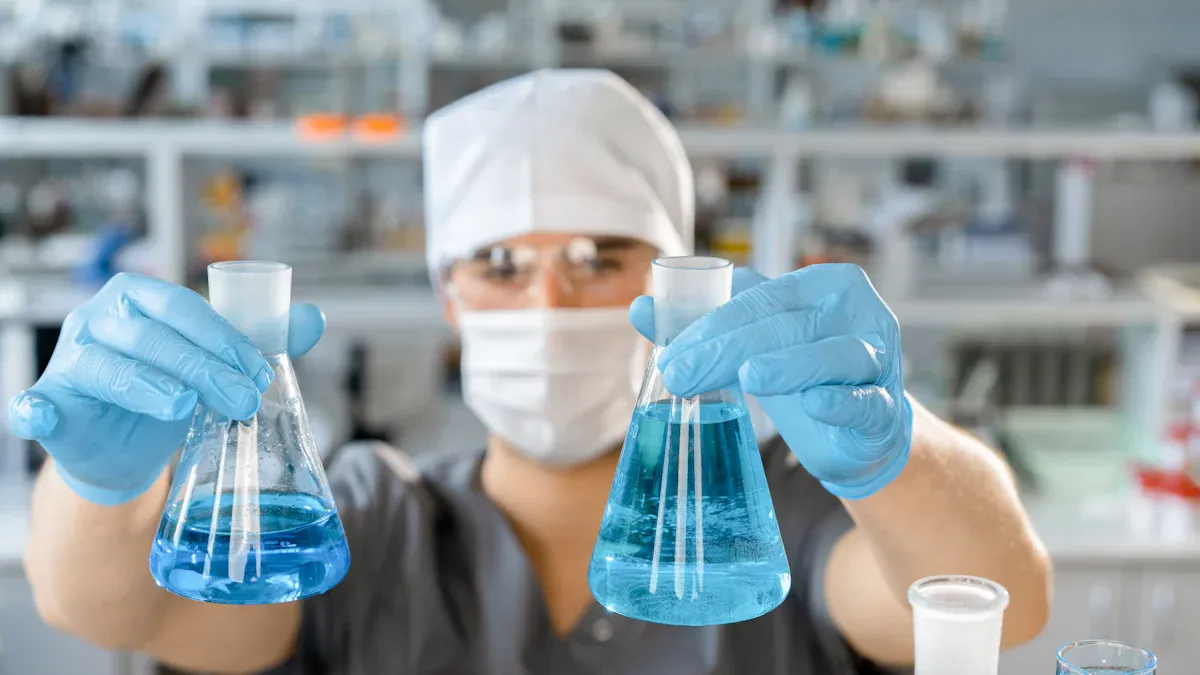
A sealant's environmental journey begins with its raw materials. The origin of these materials creates the first major difference between silicone and polyurethane. One comes from the earth's most common elements, while the other depends on finite fossil fuels.
Silicone: From Abundant Sand
Silicone sealants have a significant environmental advantage at the raw material stage. Their primary building block is silicon, an element derived from silica, which is simply sand. 🌎 The planet has a vast and abundant supply of sand.
The manufacturing process transforms this raw material into a durable sealant.
- First, manufacturers heat silica sand with carbon in a furnace to produce silicon metal.
- Next, this silicon metal reacts with methyl chloride to create chlorosilanes.
- Finally, a process called hydrolysis converts these chlorosilanes into the final siloxane polymers that form the backbone of silicone sealant.
This process is energy-intensive. However, its reliance on an abundant, non-fossil fuel resource gives silicone a strong start as a greener material.
Polyurethane: From Crude Oil
Polyurethane sealants follow a very different path. They are synthetic polymers derived entirely from crude oil, a non-renewable resource. The production of polyurethane relies on two main chemical components: polyols and isocyanates. Both of these are products of the petrochemical industry.
The entire lifecycle of polyurethane is tied to the extraction, refining, and processing of fossil fuels. This dependency creates a larger inherent environmental footprint compared to sand-based materials.
The extraction and refining of crude oil carry well-documented environmental risks, including habitat disruption and greenhouse gas emissions. This reliance on a finite resource makes polyurethane's origin less sustainable than silicone's. The choice between these materials at the manufacturing level is a choice between abundance and scarcity.
Lifecycle Stage 2: Application & Curing: Health and Air Quality Impact
A sealant's impact extends beyond its raw materials to the air quality and health of those applying it. During application and curing, sealants release chemicals into the air. The type and quantity of these emissions create a significant difference between silicone and polyurethane.
Silicone's Low-VOC Advantage
Silicone sealants generally offer a significant advantage regarding indoor and outdoor air quality. Manufacturers formulate many modern silicones to have very low levels of Volatile Organic Compounds (VOCs). These compounds can harm human health and contribute to smog formation. Regulatory bodies like the South Coast Air Quality Management District (SCAQMD) set strict standards for these emissions under rules like Rule 1168.
Many high-quality silicone products easily meet these standards. For example, sealants compliant with LEED v4.1 standards often have a VOC content below 50 grams per liter (g/L). Some specialized silicone sealants even achieve levels under 30 g/L. Choosing a 100% low-VOC silicone sealant minimizes the release of harmful chemicals, creating a safer environment for both applicators and building occupants.
Polyurethane's Isocyanate and VOC Risks
Polyurethane sealants present more significant health concerns during application. Their chemical composition includes isocyanates, which are potent respiratory and skin sensitizers. Health organizations like NIOSH and OSHA have identified serious risks associated with these compounds.
Isocyanates are a leading cause of occupational asthma worldwide. Exposure can cause severe irritation to the eyes, skin, and respiratory tract.
The health risks from isocyanate exposure are well-documented:
- Inhalation can lead to breathing problems, nausea, and fluid in the lungs.
- Skin contact may cause contact dermatitis.
- Repeated exposure can lead to sensitization, where even minimal contact triggers a severe allergic reaction like an asthma attack.
While some polyurethane sealants are formulated with lower VOCs, the presence of isocyanates remains a critical health and safety issue. This risk makes proper ventilation and personal protective equipment (PPE) absolutely essential during application, adding a layer of hazard not typically associated with low-VOC silicone sealants.
Why an Eco Friendly Silicone Sealant Often Wins on Durability
Durability is a cornerstone of sustainability. A sealant that lasts longer requires fewer replacements, conserving resources and reducing waste over time. In this critical lifecycle stage, silicone’s inherent properties give it a distinct advantage.
Silicone: Resists UV and Extreme Weather
Silicone sealants demonstrate exceptional resistance to environmental stressors, particularly UV radiation and temperature extremes. This resilience comes from their stable silicon-oxygen chemical backbone. The material's structure is not easily broken down by sunlight.
- Long Lifespan: Premium-grade neutral-cure silicones can last 20 years or more in outdoor applications, significantly reducing the frequency of repairs and replacements.
- Temperature Stability: Standard silicone rubber functions effectively in a vast temperature range, often from -60°C to +230°C (-76°F to +446°F). It remains flexible in freezing cold and stable in high heat.
- Proven Performance: Scientific studies confirm silicone's durability. After 1000 hours of UV-A aging, silicone rubber retains its mechanical properties far better than many other polymers.
This robust performance makes an Eco Friendly Silicone Sealant a reliable choice for long-term weatherproofing, from building facades to window seals. Its ability to endure decades of sun and weather solidifies its position as a greener material.
Polyurethane: Strong but Vulnerable to Sun
Polyurethane sealants are known for their impressive tear strength and abrasion resistance. They create a very tough, durable bond. However, this strength comes with a significant vulnerability to the sun. The organic chemical bonds in polyurethane are susceptible to UV degradation.
Exposure to sunlight initiates a chemical process that cleaves the urethane bonds. This degradation leads to undesirable effects like yellowing, chalking, and the formation of surface cracks over time.
To combat this inherent weakness, manufacturers must fortify polyurethane sealants with special additives.
- UV stabilizers and absorbers are mixed into the formula.
- These additives help protect the polymer from sunlight.
- Without them, the sealant's service life in outdoor applications would be drastically shorter.
While these additives improve performance, they highlight a fundamental weakness. The need to engineer UV resistance, rather than possessing it inherently, places polyurethane at a disadvantage against silicone for most sun-exposed applications.
Lifecycle Stage 3: Performance and Longevity
The true environmental cost of a sealant emerges over its service life. A product that fails prematurely creates more waste and consumes more resources for replacement. Longevity is therefore a critical measure of sustainability.
The Environmental Benefit of Fewer Replacements
Fewer replacements directly translate to a smaller environmental footprint. An Eco Friendly Silicone Sealant excels in this area. High-quality silicone sealants can perform for 20 years or more, even in harsh conditions. This exceptional durability minimizes the cycle of removal and reapplication. Each replacement avoided means less old sealant going to a landfill and fewer raw materials and energy used to manufacture new products.
This long-term thinking aligns with sustainable maintenance practices. Investing in durable materials from the start prevents costly and resource-intensive emergency repairs later.
For every dollar spent on premium caulking and professional installation, property owners can save approximately $4-6 in potential repair costs over the next decade.
Choosing a long-lasting sealant is an investment in both financial and environmental health. It reduces long-term operational expenses and conserves valuable resources.
When Polyurethane's Toughness is Necessary
While silicone offers superior weather resistance, polyurethane provides unmatched toughness for specific, demanding applications. Its high tear strength and abrasion resistance make it the ideal choice for high-traffic horizontal joints. In these scenarios, polyurethane's durability becomes its key environmental advantage.
Polyurethane sealants are engineered for areas that endure constant physical stress:
- Expansion and control joints in concrete floors
- Warehouse and factory flooring
- Parking garages and driveways
Using a less durable sealant in these high-traffic zones would lead to rapid failure, frequent replacements, and greater overall waste. For these specific applications, polyurethane's ability to withstand abrasion and indentation ensures a long service life, making it the more sustainable option where mechanical toughness is the primary requirement.
Lifecycle Stage 4: End-of-Life Disposal
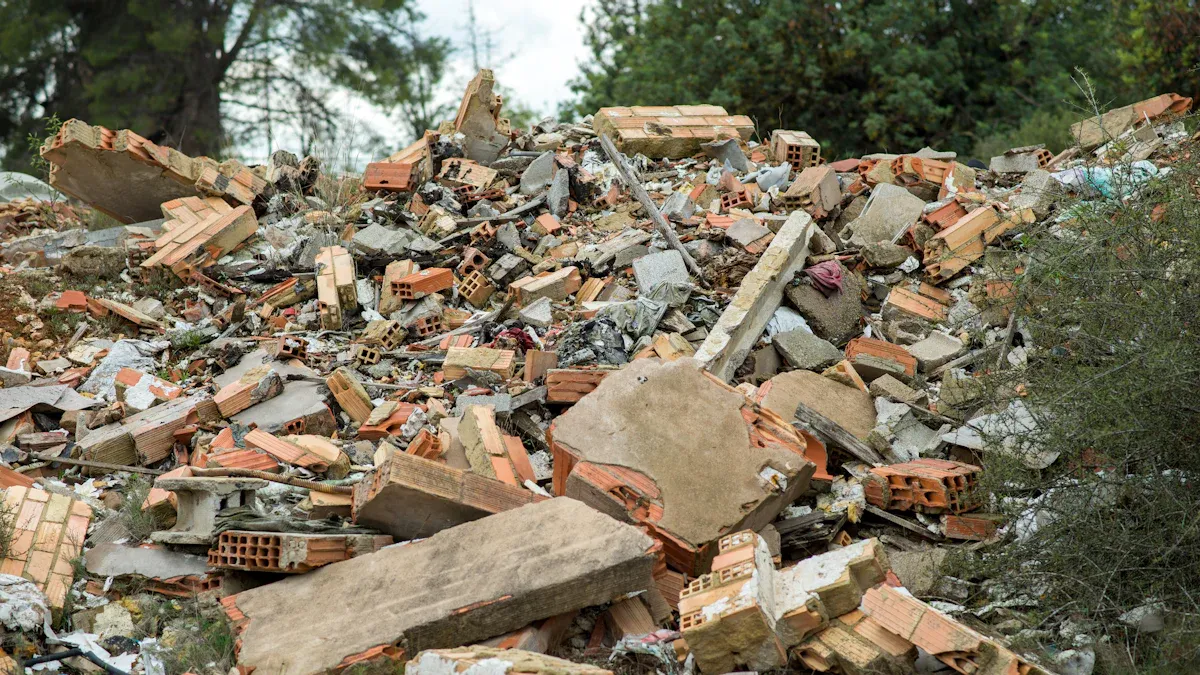
The final stage of a sealant's lifecycle is its disposal. Neither silicone nor polyurethane is biodegradable, so their behavior in a landfill is a critical environmental consideration. Their chemical stability and potential for recycling create different end-of-life scenarios.
Silicone in the Landfill
Silicone sealants are chemically inert. This stability means they do not break down into harmful substances or leach toxins into the soil and groundwater. However, this same stability makes them extremely persistent in the environment. Silicone polymers can take anywhere from 50 to 500 years to decompose in a landfill, contributing to long-term waste accumulation.
While silicone waste is persistent, its inert nature makes it a relatively benign presence in a landfill compared to other plastics.
Recycling post-consumer silicone is challenging but gaining momentum. Emerging solutions offer a path to a more circular economy:
- Specialized companies and some manufacturers are beginning to collect post-consumer silicone products.
- Advanced robotic sorting systems, like one in Germany, can now identify and separate silicone cartridges from mixed plastic waste.
- Innovations in chemical sensing and disassembly concepts for products like insulating glass aim to recover silicone for reuse or recycling.
Polyurethane in the Landfill
Polyurethane presents a more significant environmental risk at its end-of-life. The robust, cross-linked polymer networks that give it strength also make it very difficult to recycle through conventional means. As polyurethane slowly degrades in a landfill, it can release toxic chemicals. Research shows that this degradation can release hazardous precursors, including the carcinogen 2,4-diaminotoluene.
The difficulty of recycling often leads to downcycling, where the material loses quality and value. However, researchers are actively developing advanced recycling methods to address this.
- Chemical Recycling: Processes like acidolysis can break polyurethane down into its original monomers, allowing them to be repurposed into new, high-quality materials.
- Thermochemical Recycling: Pyrolysis uses heat in an oxygen-free environment to convert polyurethane waste into useful gases, liquids, and solids.
These innovative techniques hold promise for transforming polyurethane from a linear "use and dispose" product into a circular one.
For most common projects, an Eco Friendly Silicone Sealant is the greener choice. Its sand-based origin, low VOC emissions, and exceptional lifespan give it a smaller environmental footprint. The longevity of silicone directly reduces long-term waste and resource consumption, a key factor in its green credentials. Using a low-VOC Eco Friendly Silicone Sealant also helps projects earn credits under major green building certifications.
- LEED
- BREEAM
- Green Globes
For the smallest environmental impact in general sealing, choose a 100% low-VOC silicone sealant from leading manufacturers like Dow, Sika, or Wacker.
FAQ
Which sealant is more eco-friendly?
Silicone is generally the greener choice. Its advantages include a sand-based origin, low VOC emissions, and superior durability. This long lifespan reduces waste and the need for replacements, lowering its overall environmental impact compared to petroleum-based polyurethane.
Is polyurethane ever the greener choice?
Yes, for specific high-traffic applications. Polyurethane's unmatched toughness is ideal for warehouse floors or driveways. Its durability in these settings prevents frequent repairs, making it the more sustainable option where extreme abrasion resistance is necessary.
Are VOCs the only health concern with sealants?
No, other chemicals pose risks. Polyurethane sealants contain isocyanates, which are known respiratory sensitizers. These compounds create significant health hazards during application that are not present with most low-VOC silicone products, making silicone a safer choice for applicators.
Can I recycle old sealant tubes?
Recycling options for used sealants are still developing. Some specialized facilities and manufacturers are starting to accept post-consumer silicone. Users should always consult their local waste management authority for the most current disposal guidelines in their area.
See Also
Silicone Sealant: The Unsung Hero of Contemporary Home Construction
Embracing Sustainability: Why Bamboo Cosmetic Packaging Is the Future
Hygienic Design Standards: EHEDG Versus 3A SSI Guidelines Explored
Enhancing 2,5-Furandicarboxylic Acid Sustainability Through Data-Driven Strategies
Future Filtration: Leading Precoating Materials for Systems in 2025