The Eco-Friendly Advantages of Choosing Bamboo Cosmetic Packaging
When you choose bamboo cosmetic packaging, you help address a serious waste problem in the beauty industry:
- Packaging makes up 70% of all cosmetic waste.
- 95% of cosmetic packaging is thrown away after use.
- Over 120 billion pieces of beauty packaging are discarded each year.
With bamboo, you select a renewable material that requires no chemical fertilizers and has a much smaller carbon footprint than traditional options. This choice not only reduces pollution but also supports a circular economy. The natural look and feel of a bamboo cosmetic jar bring both sustainability and sophistication to your daily routine.
Key Takeaways
- Choosing bamboo cosmetic packaging helps reduce plastic waste and supports a cleaner environment by using a fast-growing, renewable material.
- Bamboo packaging is eco-friendly because it needs little water, no harmful chemicals, and breaks down naturally through composting.
- Bamboo jars protect your products with natural antibacterial qualities and offer durable, stylish packaging that boosts brand value.
Why Bamboo Cosmetic Packaging Is Sustainable
Fast-Growing and Renewable Material
You make a sustainable choice when you select bamboo for cosmetic packaging. Bamboo grows faster than almost any other plant used in packaging. Some species can reach up to 35 inches in a single day. Most bamboo reaches maturity and is ready for harvest in just 3 to 5 years. In contrast, hardwood trees need 20 to 50 years to mature. This rapid growth means you can harvest bamboo frequently without depleting natural resources. The bamboo packaging market continues to expand, with a projected compound annual growth rate of nearly 6% from 2025 to 2035. The cosmetics sector drives much of this demand, showing that bamboo outpaces traditional materials in both renewability and market growth.
Tip: When you choose a bamboo cosmetic jar, you support a cycle that replenishes itself quickly and efficiently.
Minimal Water and Chemical Use
Bamboo thrives with minimal water and does not require chemical fertilizers or pesticides during cultivation. You help reduce environmental impact by choosing packaging made from bamboo. Manufacturers use natural processes to shape bamboo into packaging components. For example, disposable bamboo packaging uses the bamboo sheath, which is cleaned, boiled, and pressed into shape without bleach or toxins. Durable products, such as brush handles and caps, use adhesives like phenol formaldehyde and epoxy resins to mold bamboo strands. These adhesives create strong, long-lasting packaging. Most importantly, the cultivation phase remains free of harmful chemicals, supporting the eco-friendly profile of bamboo packaging.
- You avoid exposure to unnecessary chemicals.
- You support cleaner soil and water systems.
- You encourage brands to adopt toxin-free production methods.
Biodegradable and Compostable Properties
Bamboo packaging offers excellent end-of-life options. You can compost many bamboo products, helping return nutrients to the earth. Several certifications verify the compostability of bamboo packaging materials. These certifications ensure that products break down safely and leave no toxic residue.
| Certification / Standard | Certifying Body / Origin | Description / Scope |
|---|---|---|
| BPI Certified Compostable | Biodegradable Products Institute | Ensures products meet strict compostability standards for eco-friendly packaging. |
| OK compost HOME & INDUSTRIAL | TÜV Austria | Certification based on European standard EN 13432 for compostability in home and industrial settings. |
| Compost Manufacturing Alliance (CMA) Certified | CMA (partnership of compost facilities and manufacturers) | Verifies products meet ASTM D6400 or D6868 standards through lab and field tests. |
| ASTM D6400 | American Society for Testing and Materials (ASTM) | Standard for industrial compostability; breakdown within 180 days without toxic residues. |
| ASTM D6868 | ASTM | Specific to compostability of plastic films or coatings on compostable products. |
| CAN/BNQ 0017-088 | BNQ (Canada) | Canadian standard for compostable plastics. |
| DEBIO Certified | Norwegian certification body | Certifies products safe for use in organic agriculture after composting. |
| FSC Certified Paper | Forest Stewardship Council | Certification for responsible sourcing of bamboo materials (not compostability but relevant). |
When you choose a bamboo cosmetic jar, you support packaging that returns to nature instead of lingering in landfills. Compostable bamboo packaging helps you reduce your environmental footprint and encourages brands to meet higher sustainability standards.
Environmental Benefits of Bamboo Cosmetic Jar and Packaging
Reduced Plastic Waste in the Beauty Industry
You play a vital role in reducing plastic waste when you choose a bamboo cosmetic jar for your beauty products. The beauty industry relies heavily on single-use plastics, which often end up in landfills or oceans. Plastic packaging can take hundreds of years to break down, releasing harmful chemicals into the environment. By switching to bamboo cosmetic jars, you help decrease the demand for plastic and support a cleaner planet.
Many brands now offer bamboo cosmetic jar options to replace traditional plastic containers. These jars are biodegradable and compostable, so you avoid contributing to the growing problem of microplastics. You also encourage companies to invest in sustainable packaging solutions. When you select bamboo cosmetic packaging, you send a message that eco-friendly choices matter.
Note: Every bamboo cosmetic jar you use helps keep plastic out of the waste stream and supports a healthier ecosystem.
Lower Carbon Footprint and Greenhouse Gas Absorption
You make a significant impact on carbon emissions when you choose bamboo cosmetic packaging. Bamboo grows rapidly and absorbs more carbon dioxide than most plants used in packaging. This unique ability helps offset greenhouse gases and improves air quality. Bamboo forests release 35% more oxygen than equivalent tree stands, making them valuable for the environment.
The following table shows how bamboo compares to other packaging plants:
| Aspect | Bamboo | Other Plants Used in Packaging |
|---|---|---|
| Growth Rate | Very fast (up to 35 inches/day) | Slower growth (e.g., hardwood trees) |
| Carbon Sequestration (t/ha/yr) | 5.1 to 7.6 (Moso bamboo) | 3.49 (Chinese fir), 1.6-2.0 (Pinus taeda) |
| Oxygen Release | 35% more oxygen than equivalent forests | Baseline (equivalent forest stands) |
| Carbon Storage | Significant below-ground rhizome carbon | Less below-ground carbon storage |
| Environmental Impact | Carbon-negative industry, low GWP | Higher GWP in some cases |
| Water and Chemical Use | Requires less water, no pesticides/fertilizers | Often requires more resources |
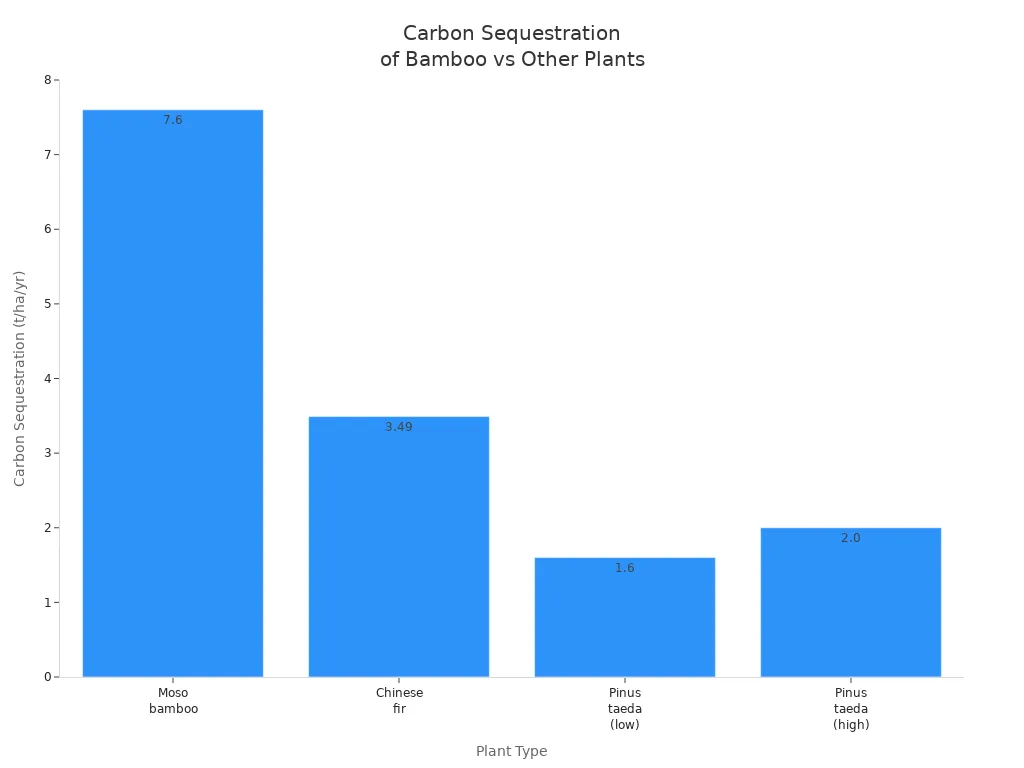
You help lower the global warming potential of cosmetic packaging by choosing bamboo. Studies show that Moso bamboo forests sequester between 5.1 and 7.6 tons of carbon per hectare each year. This rate is much higher than other plants used for packaging. About 70% of bamboo’s carbon stays stored in its roots, even after harvesting. You support a carbon-negative industry when you select bamboo cosmetic jars for your beauty routine.
Natural Antibacterial Qualities
You benefit from the natural antibacterial properties of bamboo cosmetic jars. Bamboo contains a compound called "bamboo kun," which stops bacteria from growing. This feature helps keep your cosmetics fresh and safe during storage and transport. You reduce the risk of contamination and extend the shelf life of your products.
- Bamboo’s antimicrobial agent protects your cosmetics from bacteria.
- You maintain product integrity and quality with bamboo cosmetic jars.
- The durability of bamboo packaging shields your products from physical damage.
- You enjoy longer-lasting beauty products with less risk of spoilage.
When you choose bamboo cosmetic jars, you invest in packaging that preserves your cosmetics and supports your health. The antibacterial qualities of bamboo make it an excellent choice for anyone who values safety and sustainability.
Practical and Aesthetic Advantages for Brands and Consumers
Durability and Product Protection
You want packaging that protects your cosmetics and stands up to daily use. Bamboo packaging offers a balance between strength and sustainability. It resists breakage better than glass and provides more structure than many plastics. The following table compares the durability of bamboo, glass, and plastic:
| Material | Durability Characteristics |
|---|---|
| Bamboo | Lightweight and moderately durable; more resistant to breakage than fragile glass but less flexible and potentially less durable than plastic; often requires inner linings to improve sealing and durability, which can complicate recycling. |
| Glass | Fragile and prone to breakage, impacting durability negatively; heavy and can shatter easily, though it offers excellent protection against contamination and is highly recyclable. |
| Plastic | Highly resistant to breakage and flexible; offers more design variations and is travel-friendly, but less sustainable and may crack or warp under certain conditions. |
Bamboo packaging also protects a wide range of products. Creams, serums, and oils benefit from bamboo’s natural antimicrobial properties, which help extend shelf life and maintain product safety. Solid cosmetics, such as powders and lipsticks, stay safe from scratches and moisture.
Versatile Design and Premium Appeal
You can choose from many design options with bamboo packaging. Brands use techniques like laser engraving, hot stamping, painting, and 3D printing to create unique looks. You see bamboo used in jars, bottles, caps, pumps, and makeup compacts. This flexibility allows brands to match their packaging to any style, from minimalist to luxury.
- Customizable bamboo makeup packages
- Bamboo caps for bottles and tubes
- Bamboo lipstick and mascara tubes
- Multicolor compact powder casings
Bamboo’s natural grain and texture give each product a premium, eco-friendly appearance. The versatility in finishes and shapes makes bamboo packaging a favorite for high-end and sustainable brands.
Consumer Perception and Brand Value
You notice when a brand uses bamboo packaging. It signals a commitment to sustainability and quality. Many consumers associate bamboo with luxury, authenticity, and environmental responsibility. This perception allows brands to position their products as premium and justify higher prices.
Brands that use bamboo packaging often see increased loyalty from eco-conscious customers. You help drive this trend by choosing products in bamboo cosmetic jars.
Bamboo packaging also supports brand storytelling. It aligns with clean beauty and wellness trends, helping brands stand out in a crowded market. As more consumers value sustainability, bamboo packaging enhances brand reputation and long-term value.
Addressing Concerns About Bamboo Cosmetic Packaging
Sustainability Challenges and Sourcing
You may wonder about the true sustainability of bamboo packaging. Responsible sourcing remains essential. Some regions harvest bamboo using sustainable methods, while others may not follow best practices. You support ethical supply chains by choosing brands that use certified bamboo, such as those with FSC certification. This ensures that the bamboo comes from responsibly managed forests. Manufacturers in East Asia, especially China, lead the market due to abundant resources and established infrastructure. You help drive demand for sustainable sourcing when you select products from transparent brands.
Cost and Market Availability
You might notice that bamboo packaging sometimes costs more than plastic alternatives. This higher price often results from the manufacturing process and the need for quality control. However, the market for bamboo cosmetic packaging is expanding rapidly. Luxury and high-end beauty brands now use bamboo to enhance their reputation and meet consumer demand for eco-friendly options. Technological advancements continue to improve durability and reduce costs. The table below highlights key aspects of the current market:
| Aspect | Details |
|---|---|
| Market Availability | Robust and expanding, driven by sustainability, regulations, and consumer demand |
| Key Players | APC Packaging, Bloom Eco Packaging, Ningbo Jazz Packaging, Eastar Cosmetic Packaging, APackaging Group, Pi Sustainable Packaging, YuYao XuanCheng Commodity, Indian Harness |
| Product Types | Cream jars, lipstick cases, dropper bottles, lotion bottles, perfume bottles, deodorant containers, bath product packaging |
| Regional Strength | East Asia (especially China) dominates due to raw material abundance, manufacturing capabilities, and cost-effectiveness |
| Market Segments | High-end/luxury brands adopting bamboo for premium, sustainable packaging |
| Market Drivers | Sustainability concerns, regulatory pressures, consumer demand, brand reputation enhancement, e-commerce growth, technological advancements |
| Challenges | Durability concerns, higher manufacturing costs, limited consumer awareness, supply chain limitations |
| Trends | Integration with other eco-friendly materials, customized packaging, travel-size packaging growth, bamboo as a high-end material |
Common Myths and Misconceptions
You may hear several myths about bamboo packaging that can affect your choices. Some people believe bamboo packaging costs much more than plastic or that it cannot withstand moisture. These misconceptions can slow adoption in the beauty industry. In reality, manufacturers use coatings and proper storage to address moisture sensitivity. Education plays a key role in changing perceptions. When you learn about the real benefits and solutions, you help spread awareness and encourage more brands to adopt bamboo packaging.
- Many believe bamboo packaging is always expensive, but costs are decreasing with innovation.
- Some worry about moisture damage, yet modern coatings protect bamboo containers.
- Lack of consumer awareness leads to hesitation, but information campaigns help dispel myths.
- You can help by sharing accurate information and supporting brands that use sustainable packaging.
You support a cleaner beauty industry when you choose bamboo packaging.
- Bamboo packaging decomposes naturally, avoiding microplastics and reducing pollution.
- Brands gain trust by meeting eco-friendly standards, while you enjoy modern, attractive packaging.
- Rapid renewability and carbon absorption make bamboo a smart solution for sustainable cosmetics.
FAQ
Is bamboo cosmetic packaging safe for sensitive skin?
You can trust bamboo packaging for sensitive skin. Manufacturers avoid harsh chemicals. Bamboo’s natural properties help keep your products clean and safe.
Can you recycle bamboo cosmetic jars?
You can compost most bamboo jars at home or in industrial facilities. Some jars contain mixed materials. Always check local recycling guidelines before disposal.
How do you care for bamboo cosmetic packaging?
You should keep bamboo packaging dry and clean. Wipe with a soft cloth. Avoid soaking in water. Proper care extends the life and appearance of your packaging.