5 Reasons Dysprosium Oxide's Supply Chain Matters in 2025
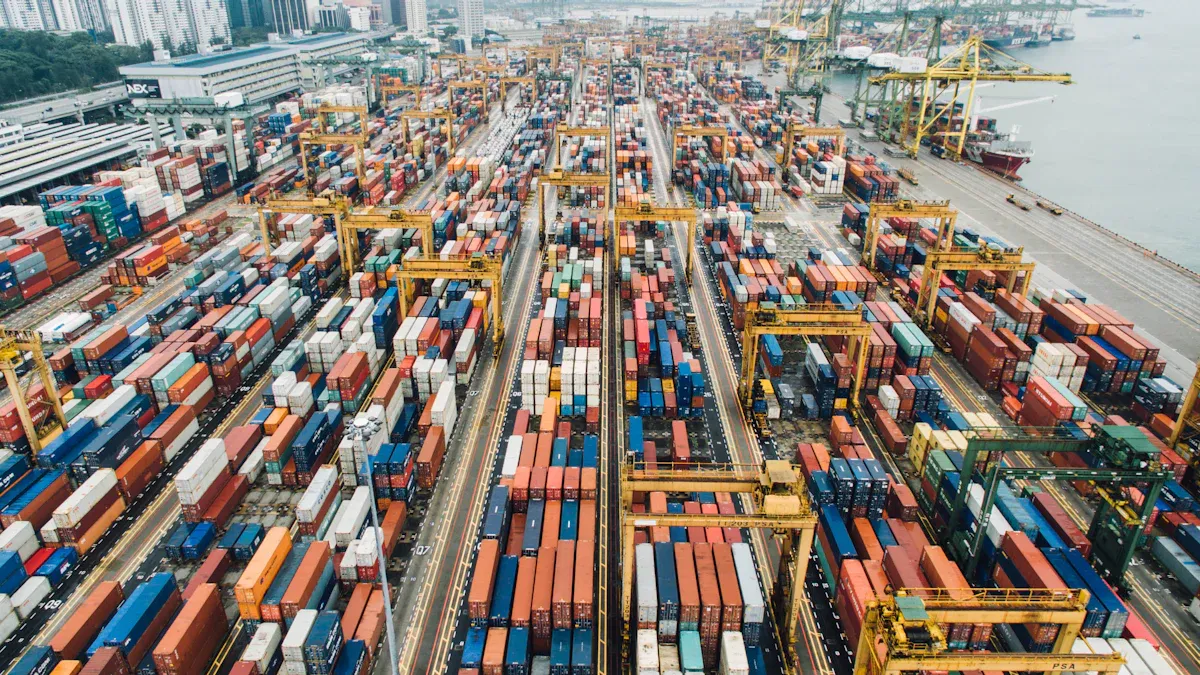
Concentrated production of Dysprosium Oxide creates extreme price volatility and supply risks. These risks directly threaten high-tech industries that depend on high-performance magnets.
Price instability is a major concern. For example, prices surged 33.1% in early 2022, highlighting market vulnerability. Supply chain stability is therefore paramount for technological advancement and market health in 2025.
Key Takeaways
- One country controls most of the world's Dysprosium Oxide. This makes prices unstable and creates supply risks for important industries.
- Dysprosium Oxide is vital for green technology like electric cars and wind turbines. It is also important for national defense.
- Companies are finding new ways to get Dysprosium Oxide. They are recycling old electronics and making new materials that do not need it.
Geopolitical Concentration Creates Market Volatility
Geopolitical factors heavily influence the market for critical materials. A supply chain concentrated in one region creates significant risks. This concentration gives a single nation immense control over global supply and pricing, leading to market instability that affects industries worldwide.
How Single-Source Dominance Dictates Prices
A single country's control over production creates a powerful market position. China, for instance, manages 87% of the world's rare earth processing. This dominance allows it to influence the availability and cost of materials like Dysprosium Oxide. When one supplier holds such a large market share, it can adjust export quotas or production levels. These actions directly cause price fluctuations for businesses that need these materials for their products. This situation leaves global markets vulnerable to the economic and political decisions of a single entity.
The Impact of Trade Policies on the 2025 Market
Trade policies are a primary tool for exerting geopolitical influence. Recent actions demonstrate how quickly these policies can disrupt the supply chain. Governments use export controls and tariffs to protect national interests or gain leverage in negotiations.
For example, China has recently tightened its control over rare earth exports. This move directly impacts high-tech sectors in other countries, especially the United States.
These trade disputes create an unpredictable environment for 2025. Key policy changes include:
- China introduced a strict export licensing system for several heavy rare earths, limiting shipments to the US.
- Beijing stated it would reject export applications for materials with potential military applications.
- In response, Washington announced plans for a 100% tariff on certain Chinese imports, escalating the trade conflict.
Such measures make long-term planning difficult for companies. They also increase the risk of sudden supply shortages and price spikes.
The Role of Dysprosium Oxide in Green Technology
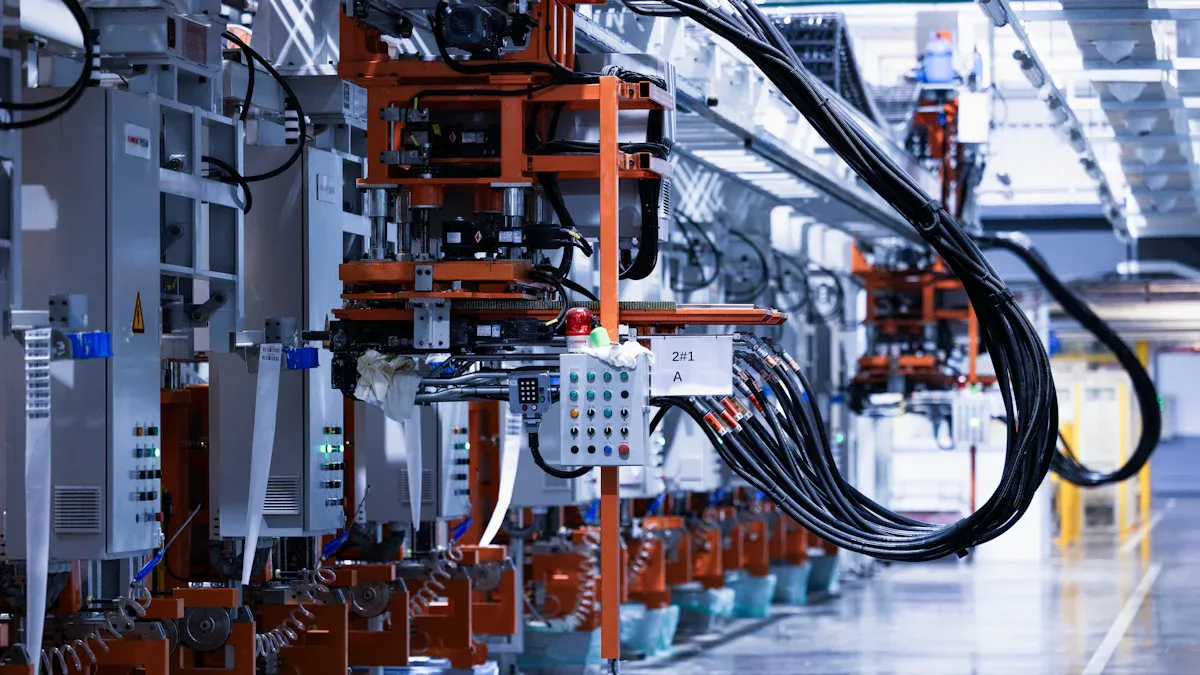
The global push for clean energy directly increases the demand for specific rare earth materials. Green technologies like electric vehicles and wind turbines depend on high-performance components. Dysprosium Oxide plays a vital role in making these components effective and durable, linking its supply chain directly to the success of the green transition.
Essential for EV and Wind Turbine Magnets
High-performance permanent magnets are the heart of many green technologies. Manufacturers add dysprosium to neodymium-iron-boron (NdFeB) magnets to improve their performance. This addition allows the magnets to operate effectively at high temperatures without losing their magnetic strength. This property is critical for:
- Electric Vehicle (EV) Motors: EVs require powerful, compact motors that generate significant heat. Magnets with dysprosium maintain performance and efficiency under these demanding conditions.
- Wind Turbine Generators: Large direct-drive wind turbines use magnets to convert wind energy into electricity. Dysprosium ensures these generators function reliably over long periods.
Without this key material, magnets would fail, compromising the performance and lifespan of essential green infrastructure.
How Supply Constraints Can Stall Green Projects
A volatile supply chain creates major roadblocks for the green energy sector. Unpredictable prices and limited availability of materials make it difficult for companies to plan and execute large-scale projects.
Supply instability directly threatens production timelines for EV manufacturers and wind farm developers. Sudden cost increases or material shortages can delay projects, increase final costs for consumers, and slow the transition away from fossil fuels.
This uncertainty makes achieving national and international climate goals more challenging. A stable and reliable supply of critical materials is necessary to maintain momentum in the development of sustainable technologies.
Complex Extraction Limits New Supply Sources
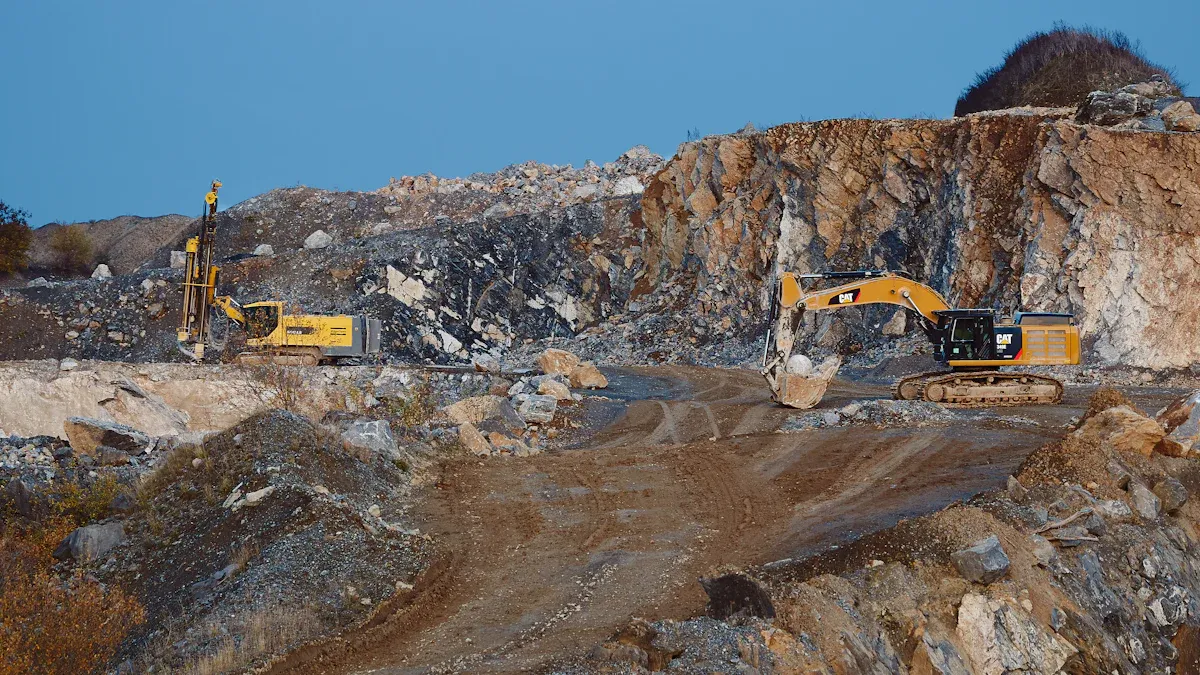
Bringing new sources of rare earth elements to the market is a slow and expensive process. The unique challenges in extraction and refining create high barriers for new producers. These difficulties prevent a quick response to growing global demand and contribute to supply chain fragility.
Technical Bottlenecks in Rare Earth Separation
Rare earth elements do not exist in pure deposits. Instead, they are found mixed together in mineral ores. Separating one element from the others is a major technical hurdle because they share very similar chemical properties. Producers must use a complex, multi-stage process to isolate each element.
Key separation challenges include:
- Solvent Extraction: This method involves hundreds of individual steps to gradually separate the elements. It requires significant infrastructure and chemical engineering expertise.
- Ion Exchange: A slower and more expensive process used for achieving very high purity levels, further adding to production complexity.
- High Capital Investment: Building a rare earth separation facility costs hundreds of millions of dollars, a risk many investors are unwilling to take.
These technical demands mean that even after a new mine is discovered, it can take years to establish a functioning processing plant.
Environmental Regulations and Mining Costs
Rare earth mining and processing create significant environmental challenges. The ores often contain radioactive elements like thorium and uranium. The chemical processes used for separation also produce large volumes of toxic waste.
Stricter environmental laws worldwide require companies to manage this hazardous waste safely. The costs of compliance, waste disposal, and long-term site remediation can make a mining project financially unviable.
These regulations, while necessary for environmental protection, add substantial costs and delays to new projects. Companies face a lengthy and uncertain permitting process, which discourages investment in new mines outside of established regions. This situation reinforces the market's reliance on existing suppliers and limits the diversification of the supply chain for materials like Dysprosium Oxide.
Supply Chain Instability Drives Innovation
Market volatility creates powerful incentives for change. Companies and nations facing supply risks are actively investing in new technologies. This pressure accelerates research and development in two key areas: creating circular economies through recycling and designing new materials that reduce or eliminate the need for at-risk elements.
Fueling R&D in E-Waste Recycling
The instability of the rare earth supply chain has sparked major investment in urban mining and recycling. Companies are developing new ways to recover valuable materials from discarded electronics and industrial waste. This approach creates a secondary, more secure source of supply.
For example, LS Eco Energy is building a complete rare earth value chain in Vietnam. The company partnered with Hung Tin Minerals to process rare earths from local mines. CEO Lee Sang-ho aims for his company to be the only one in Korea with this capability, reducing reliance on China. This strategy directly addresses supply chain risks highlighted by the US-China trade conflict.
This focus on recycling and creating new value chains helps insulate industries from geopolitical shocks and price manipulation.
Pushing for Dysprosium-Free Alternatives
High costs and supply uncertainty push researchers to find alternatives. Many are developing high-performance magnets that use less or no dysprosium. Japanese companies have pioneered "heavy REE-free" magnets for motors. These new magnets use more abundant light rare earths or other materials. This innovation lowers costs and reduces supply chain vulnerability.
Several major corporations are leading this charge:
- TDK
- Toyota Motor Corporation
- Honda R&D
- Mitsubishi Electric
Additionally, companies like Star Group Ind. Co., Ltd. (SGI) are refining existing technologies. SGI's Grain Boundary Diffusion Process (GBDP) is a method that reduces the amount of heavy rare earths needed in magnets, making production more efficient and less dependent on a single material.
National Security Depends on a Secure Supply
A nation's military strength relies on access to critical materials. Heavy rare earths are indispensable elements for advanced defense technologies. A concentrated supply chain for these materials creates a direct threat to national security, making a stable supply a top priority for governments worldwide.
Critical Role in Advanced Defense Systems
Modern military hardware depends on the unique properties of heavy rare earths. These materials are essential components in sophisticated defense systems. Their inclusion ensures the reliability and performance of critical equipment. Key military applications include:
- Satellites
- Stealth fighter jets
- Guided missiles
A Government Accountability Office (GAO) report highlighted potential vulnerabilities in the American military. The report noted the country's reliance on imported Chinese rare metals. It also estimated that building a domestic supply chain would take about 10 years due to a lack of refining expertise. This long timeline underscores the urgency of securing these materials.
Why a Vulnerable Supply Chain is a National Risk
Dependence on a single supplier for materials like Dysprosium Oxide creates a significant national risk. A foreign power can use its market control as a political tool, potentially disrupting the production of essential defense equipment.
Karl A. Gschneidner, a rare metals expert at the Department of Energy's Ames Laboratory, testified on this issue. He warned that China's near monopoly on many rare metals could undermine U.S. security in the future.
In response, nations are taking decisive action. The United States is rebuilding its domestic refining capabilities. South Korea is diversifying its import sources, expanding subsidies for domestic production, and strengthening cooperation with allies like Japan and Australia. These strategic moves aim to reduce dependency and protect national interests from supply chain disruptions.
The Dysprosium Oxide supply chain is critical for 2025 due to geopolitics, green tech demand, and security needs. Addressing these vulnerabilities is a strategic imperative for economic stability. Industries must diversify their supply chains to mitigate risk.
Key strategies include:
- Securing new import sources from countries like Australia and Vietnam.
- Developing products that use less or no heavy rare earths.
- Recycling materials from electronic waste.
FAQ
What is Dysprosium Oxide used for?
Manufacturers add it to high-performance magnets for EVs and wind turbines. The material helps magnets resist heat and maintain their strength, ensuring component reliability and performance.
Why is the dysprosium supply chain risky?
A single country dominates the global supply. This concentration allows for price manipulation and creates significant geopolitical risk for industries that depend on the material.