Dysprosium Oxide The Secret to Stronger Magnets
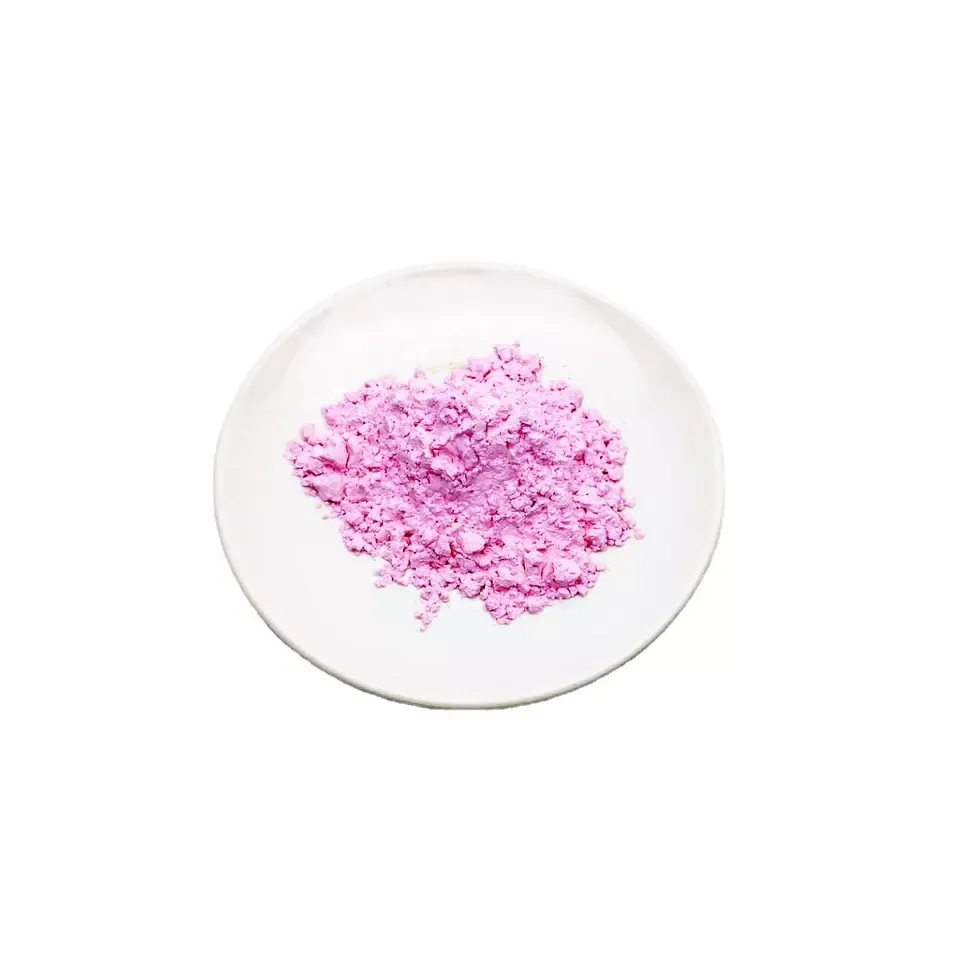
Manufacturers add Dysprosium Oxide to neodymium-iron-boron (NdFeB) magnets. This addition dramatically boosts their ability to resist demagnetization at high temperatures. This critical property, known as coercivity, is essential for high-performance technologies. The global market for NdFeB magnets reflects their growing importance.
| Source | 2024 Market Size (USD Billion) | 2032 Market Projection (USD Billion) | CAGR (2025-2032) |
|---|---|---|---|
| Data Bridge Market Research | 15.86 | 28.18 | 7.45% |
| Fortune Business Insights | 20.38 | 37.18 | 9.0% |
Why Standard Magnets Fail at High Temperatures
Neodymium-iron-boron (NdFeB) magnets are incredibly powerful at room temperature. However, heat presents a major challenge to their performance. High temperatures can cause these magnets to lose their strength, a problem that limits their use in demanding applications like electric vehicle motors.
The Heat Problem in NdFeB Magnets
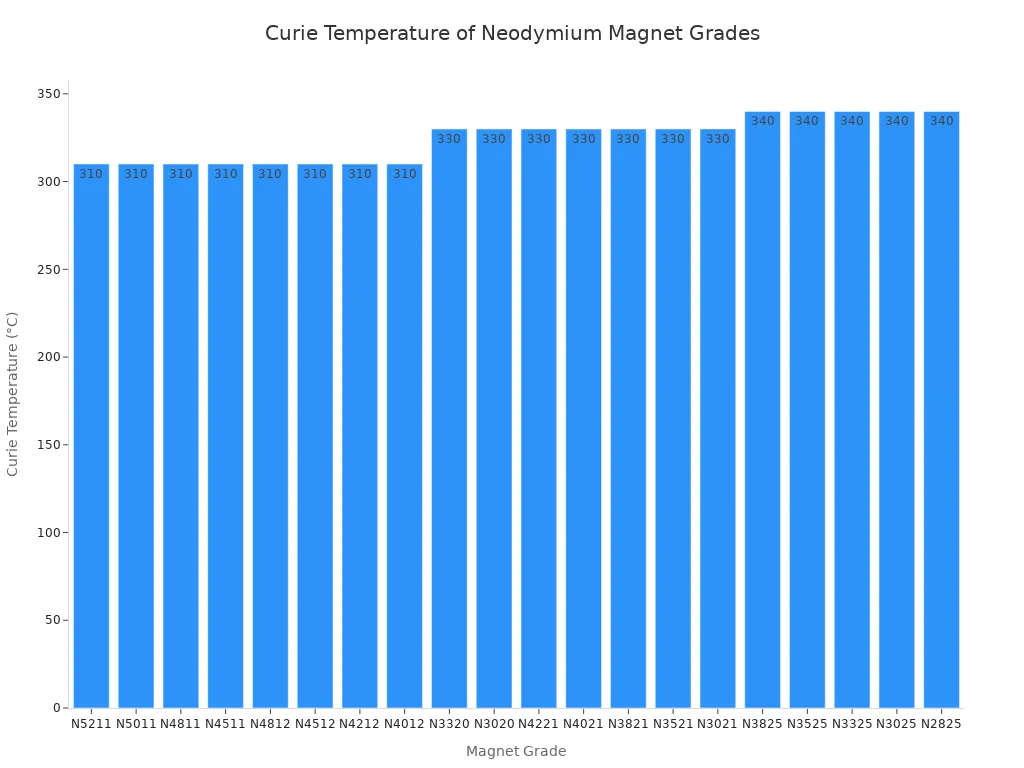
Heat introduces energy into a magnet's atomic structure. This extra energy causes the tiny magnetic domains, which are normally aligned, to vibrate and shift out of place. Standard NdFeB magnets have a maximum working temperature of around 80°C (176°F). Exceeding this temperature causes them to weaken significantly. If the temperature continues to rise, the magnet will eventually reach its Curie temperature, the point where it loses its magnetism completely. For standard NdFeB magnets, this typically occurs between 320°C and 380°C.
This weakening is due to permanent structural changes inside the magnet. High heat can cause:
- The tiny crystals, or grains, to grow larger.
- The boundaries between these grains to melt.
- The overall shape and orientation of the crystals to change.
How Dysprosium Solves Demagnetization
Manufacturers solve this heat problem by adding dysprosium. The process starts with a high-purity material like Epoch's Dysprosium Oxide. This compound is converted into dysprosium metal and then introduced into the magnet's structure. Dysprosium atoms replace some of the neodymium atoms, particularly around the grain boundaries. This substitution strengthens the magnet's internal magnetic field, making it much harder for heat to disrupt the magnetic alignment. The result is a magnet with higher coercivity, allowing it to operate reliably at much higher temperatures without losing its power.
How Dysprosium Oxide is Used in Magnet Manufacturing
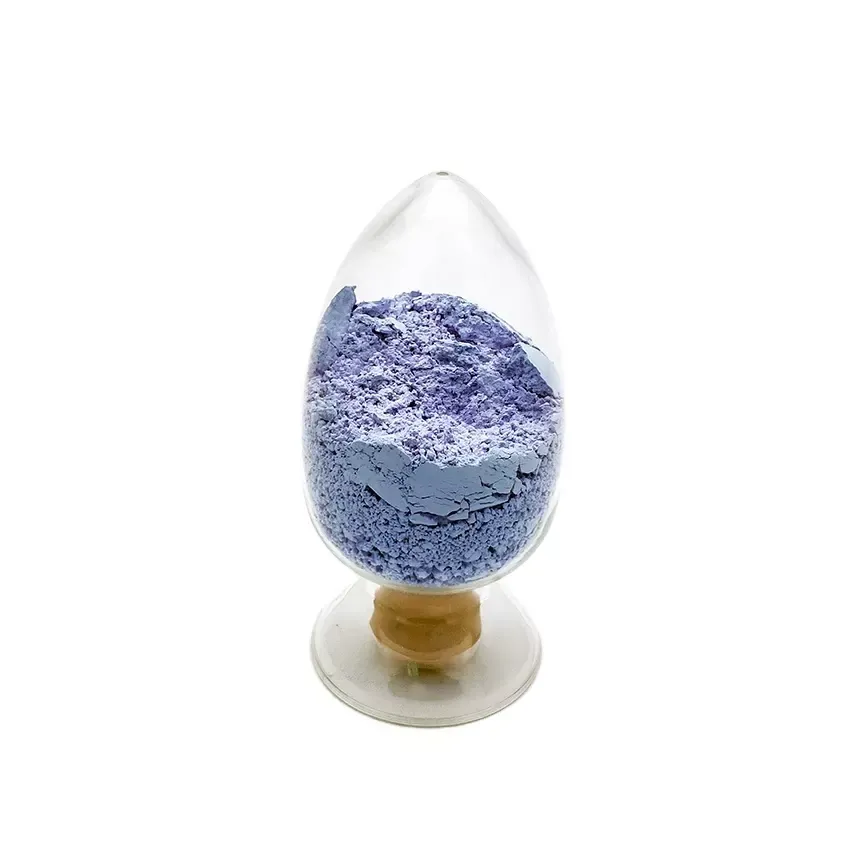
Adding dysprosium to a magnet is a precise, multi-step process. It begins with a raw material and ends with a highly advanced manufacturing technique. This journey transforms a standard magnet into a high-performance component capable of withstanding intense heat.
From Oxide Powder to Dysprosium Metal
The journey starts with a high-purity powder. Manufacturers use a material like Dysprosium Oxide as the initial source. This white powder, however, cannot be directly added to the magnet alloy. It must first be converted into pure dysprosium metal. This conversion happens through a chemical process called metallothermic reduction. In this process, engineers use a more reactive metal, like calcium, to strip the oxygen atoms away from the dysprosium. The result is a pure dysprosium metal, ready for the next stage of magnet production.
The Grain Boundary Diffusion (GBD) Process
Engineers use a highly efficient method called Grain Boundary Diffusion (GBD) to add dysprosium. This technique is a major advancement over older methods. It allows manufacturers to use far less dysprosium while achieving even better results.
The GBD process follows several key steps:
- Start with a Finished Magnet: The process begins with a standard, sintered NdFeB magnet that does not contain any dysprosium.
- Apply a Coating: Technicians apply a dysprosium-rich compound to the surface of the magnet.
- Heat the Magnet: The coated magnet is placed in a furnace for a heat treatment, also known as annealing. This step activates the diffusion.
- Form a Protective Shell: The heat causes dysprosium atoms to migrate from the surface into the magnet. They travel along the edges of the tiny crystal grains, forming a protective shell around them. This shell strengthens the grain boundaries and prevents demagnetization.
The heating stage is critical. The exact temperature depends on the specific process and desired outcome.
- Some processes use an optimal annealing temperature of 900°C.
- Other studies have found success with lower temperatures, such as 600°C.
A Smarter Approach: The GBD process concentrates dysprosium only where it is needed most: at the grain boundaries. This targeted application is the key to its efficiency.
This technique dramatically reduces the amount of dysprosium required compared to traditional alloying, where the element is mixed into the entire molten metal. GBD can lower the necessary amount of heavy rare-earth elements by 70% to 100%.
| Method | Dysprosium Application | Dysprosium Volume Needed |
|---|---|---|
| Traditional Alloying | Mixed into the entire alloy melt | Higher Volume |
| Grain Boundary Diffusion | Diffused onto a finished magnet's surface | Low Volume |
By focusing the dysprosium on the grain boundaries, the main part of the magnet's crystal structure remains pure. This preserves the magnet's overall magnetic strength while boosting its heat resistance.
The Impact of Dysprosium on Magnet Performance
The addition of dysprosium transforms a standard NdFeB magnet into a high-performance powerhouse. This enhancement directly improves the magnet's ability to function in extreme conditions. The impact is most significant in its resistance to heat, which unlocks a new range of demanding applications.
A Boost in High-Temperature Coercivity
Coercivity is a magnet's defense against demagnetization. Dysprosium significantly strengthens this defense, especially against heat. A standard NdFeB magnet without dysprosium is not suitable for work above 80°C (176°F). Its magnetic field weakens quickly at higher temperatures.
The introduction of dysprosium, sourced from materials like Dysprosium Oxide, changes this dynamic completely. The dysprosium atoms fortify the magnet's internal structure. This reinforcement dramatically increases the magnet's coercivity. Studies show a direct link between the amount of dysprosium added and the rise in coercivity. This boost allows the magnet to maintain its strength even in harsh thermal environments.
Key Takeaway: Dysprosium acts like a shield. It protects the magnet's internal alignment from the disruptive energy of high heat, ensuring reliable performance where standard magnets would fail.
Key Applications in Modern Technology
The superior heat resistance of dysprosium-enhanced magnets makes them essential for many advanced technologies. These components operate under intense conditions where failure is not an option.
Electric vehicle (EV) motors are a prime example. These motors generate significant heat and often operate above 100°C (212°F). Dysprosium allows magnets inside these motors to perform reliably at temperatures exceeding 200°C (392°F). This capability is crucial for delivering consistent power and efficiency in EVs.
Beyond consumer vehicles, these powerful magnets are vital in other critical sectors. Their reliability at high temperatures makes them indispensable for:
- Green Energy: Wind turbines use large generators that rely on these magnets to convert wind into electricity efficiently, often in demanding environmental conditions.
- Aerospace and Defense: High-performance magnets are fundamental to many systems. They are used in guided missiles, satellite communications, and advanced radar and sonar equipment.
- Data Storage: The strong magnetic properties of dysprosium and its compounds are valuable for high-density data storage applications, including hard disk drives.
- Advanced Electronics: High-purity Dysprosium Oxide is also used to create anti-reflection coatings for photoelectric devices, improving their overall efficiency.
These applications highlight the foundational role of dysprosium in powering modern innovation. It enables technologies that are more efficient, powerful, and reliable.
The Future of High-Performance Magnets
Dysprosium makes magnets powerful, but its limited supply presents challenges. The industry is now looking toward a more sustainable future. This involves addressing the element's rarity and developing innovative new solutions.
The Rarity and Cost of Dysprosium
Dysprosium is a rare and expensive material. Its price can be high, with costs reaching around USD 453.90 per kilogram. A few countries control most of the world's supply. China is the dominant producer, which creates supply chain risks for other nations.
| Country | Export Volume (metric tons) | Share (%) |
|---|---|---|
| China | 1,020 | 85 |
| United States | 60 | 5 |
| Australia | 50 | 4.2 |
| Russia | 30 | 2.5 |
At the same time, the need for dysprosium is growing quickly.
Dysprosium demand is projected to rise by over 10% annually, driven by electric vehicle and wind turbine industries in 2025.
This rising demand puts more pressure on an already limited supply. Mining dysprosium also has environmental costs. For every ton of rare earth produced, the process can generate approximately 2,000 tons of toxic waste.
Innovations and Sustainable Alternatives
Scientists and engineers are developing creative solutions to reduce reliance on new dysprosium. Recycling old magnets is a key strategy. New technologies can recover rare earth elements from end-of-life products like EV motors and hard drives.
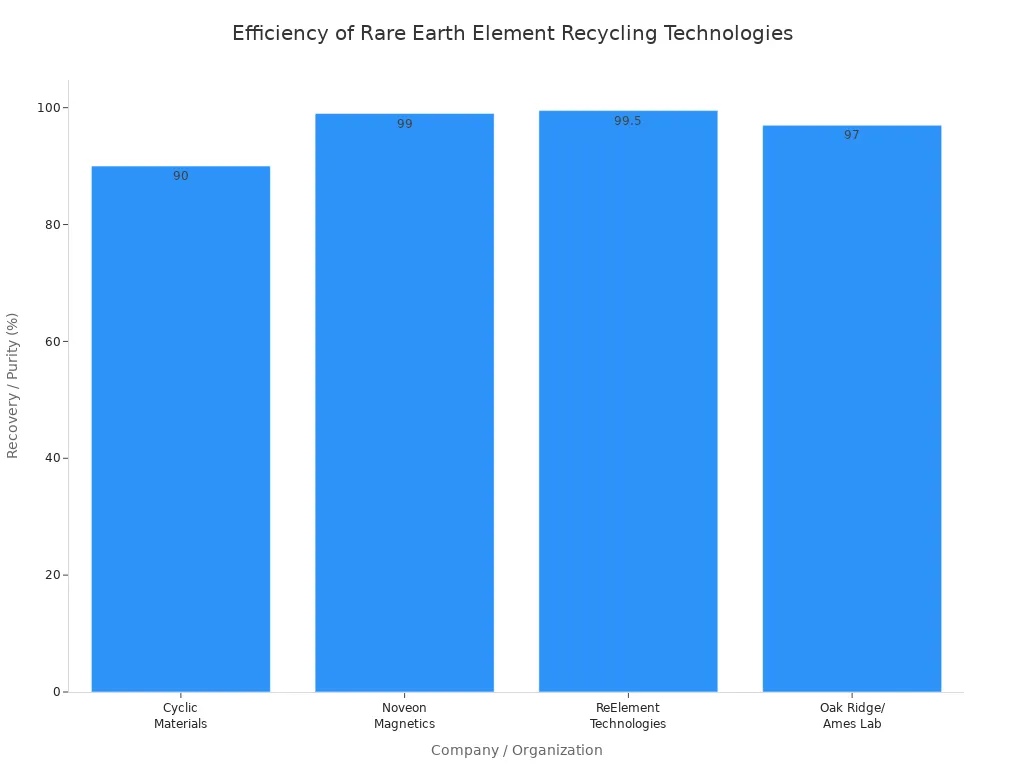
These advanced recycling methods are highly effective. Some processes, like hydrometallurgy, use liquids to dissolve and separate the valuable metals. Other methods, such as Hydrogen Processing of Magnet Scrap (HPMS), use hydrogen gas to break down magnets into a reusable powder. These innovations create a circular economy for magnets. They reduce waste and lessen the need for new mining. Researchers are also working to create powerful magnets that use less dysprosium or none at all.
Dysprosium Oxide is the essential starting material for magnets in high-heat environments. It powers green technologies like electric vehicles and wind turbines, with magnets consuming over 90% of its supply. While vital today, the industry actively develops sustainable, rare-earth-free alternatives to secure the future of high-performance magnetic materials.
FAQ
What is Dysprosium Oxide used for?
Manufacturers use materials like Epoch's Dysprosium Oxide to produce dysprosium metal. This metal boosts a magnet's heat resistance, making it essential for high-performance applications.
Why is dysprosium important for EV motors?
EV motors create intense heat. Dysprosium allows magnets to operate reliably at high temperatures. This capability ensures the motor delivers consistent power and efficiency.
What is Grain Boundary Diffusion (GBD)?
GBD is an advanced manufacturing process. It coats a finished magnet with dysprosium. This technique strengthens the magnet's heat resistance while using significantly less of the rare element.
See Also
Molybdenum High-Temperature Furnaces: Insights and Innovations for the Future
Molybdenum Furnaces: Unveiling Their Design and Operational Principles
WT20 Thoriated Tungsten Electrodes: Elevating TIG Welding Performance and Quality
Optimizing Steel Processing for Superior Heat Exchange Performance
Cutting-Edge Materials Transforming the Heat Exchanger Industry Landscape