Should You Buy a Dumpling Wrapping Machine? The Pros and Cons
A person decides to buy a dumpling wrapping machine when they value speed and uniformity. This choice is ideal for frequent, large-batch dumpling production. The market reflects this growing interest. Projections show the dumpling machine market will grow at a compound annual rate between 9.4% and 10.4% through 2032.
However, the high initial cost and cleaning effort may not be worthwhile for everyone. Someone who makes dumplings only occasionally or enjoys the craft of hand-folding might find the investment impractical. The decision ultimately balances convenience against cost and tradition.
The Pros: Why a Dumpling Machine Is a Game-Changer
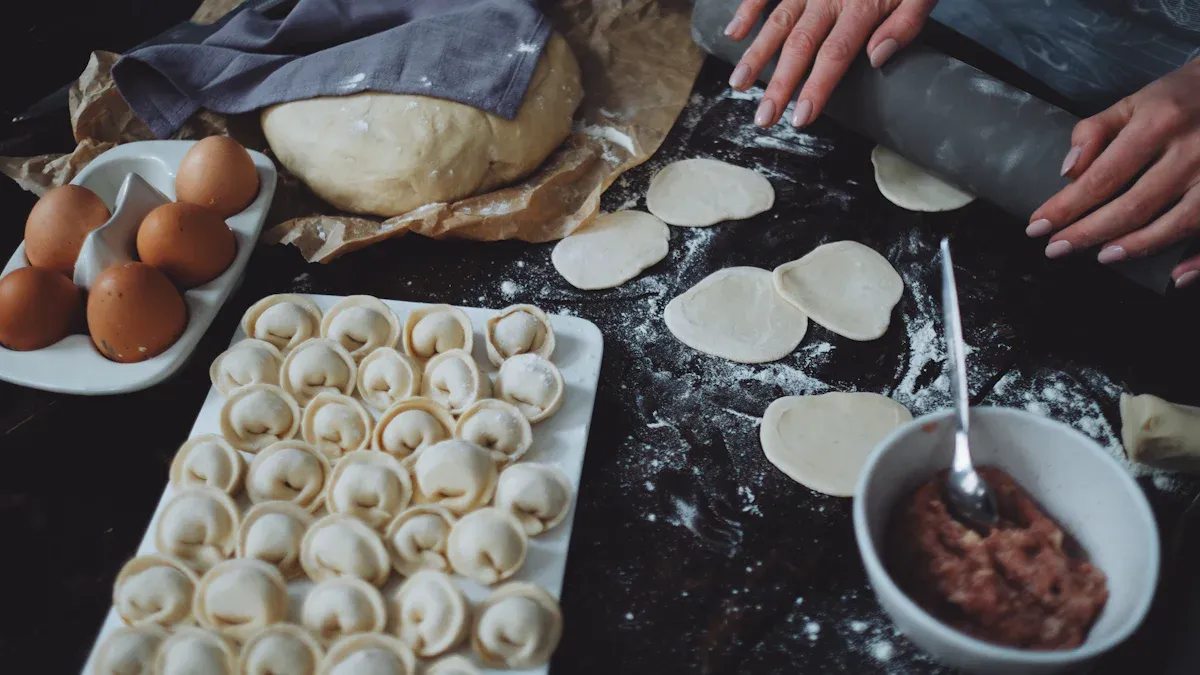
A dumpling machine transforms the labor-intensive process of making dumplings into a streamlined, efficient operation. For enthusiasts and small-scale producers, this appliance offers significant advantages that justify the investment. It addresses the most challenging aspects of dumpling making: time, consistency, and skill.
Save a Ton of Time on Big Batches
The most compelling reason to acquire a dumpling machine is its incredible speed. Hand-folding dozens or hundreds of dumplings is a social and meditative activity, but it demands hours of focused effort. A machine automates this repetitive task, drastically reducing production time. This efficiency is not just a minor convenience; it is a complete operational upgrade. For instance, some commercial-grade models designed for small businesses can produce an impressive 4,800 dumplings per hour. This level of output is unattainable by hand.
This boost in productivity allows home cooks to prepare for large gatherings without stress and enables food entrepreneurs to scale their operations effectively. Real-world examples highlight this impact:
- A central kitchen in Singapore utilized automated equipment to enhance dumpling quality and achieve greater production consistency across its batches.
- A food company in Fiji dramatically increased its production capacity and standardized its products after integrating a dumpling machine into its workflow.
Get Perfectly Uniform Dumplings Every Time
Achieving uniformity is a hallmark of a skilled dumpling maker, but it requires years of practice. A dumpling wrapping machine delivers this perfection from the very first batch. Every dumpling emerges with the same size, shape, and weight, eliminating the inconsistencies of handmade products. This consistency is more than just aesthetically pleasing; it ensures even cooking, predictable portion sizes, and a professional presentation.
This precision is highly customizable. Users can easily change the forming mold set to produce different dumpling shapes. They can also adjust the wrapper thickness by simply tightening or loosening a nut, giving them complete control over the final product's texture.
A machine can be calibrated to produce dumplings with exact specifications. For example, an operator could set the machine to create a standard 18-gram dumpling, composed of a delicate 7-8 gram skin and a generous 10-11 gram filling. This level of control is nearly impossible to replicate by hand, especially across large quantities.
Surprisingly Easy to Use After the First Run
The idea of operating a new piece of kitchen machinery can seem daunting. However, manufacturers design modern dumpling machines with the user in mind. While there is a brief learning curve associated with the initial setup and first few uses, the process quickly becomes intuitive. Most machines feature straightforward controls for adjusting dough thickness, filling volume, and production speed.
To flatten this learning curve, a wealth of support materials is available. Beginners can find numerous online resources, including detailed video tutorials, that guide them through every step of the process. These guides help first-time users get up to speed quickly, covering everything from assembly and dough preparation to operation and cleaning. After one or two sessions, most operators find the workflow becomes second nature, allowing them to produce perfect dumplings with minimal effort.
The Cons: Potential Downsides to Consider
While a dumpling machine offers impressive speed and consistency, it is not without its drawbacks. Potential buyers must weigh the benefits against some significant practical challenges. These considerations involve the initial financial outlay, the ongoing effort of maintenance, and certain operational limitations that can affect the final product.
The High Initial Cost
The most immediate barrier for many is the price. A quality dumpling wrapping machine represents a significant financial commitment, far exceeding the cost of simple kitchen tools. The market often blurs the line between consumer and light commercial models. For example, machines suitable for home use or new small businesses can range from approximately $300 to over $1,000. This price point requires a serious cost-benefit analysis. A person must consider if their dumpling-making frequency justifies such an expense. For someone who only prepares dumplings a few times a year, the investment is difficult to rationalize.
The Cleanup and Storage Commitment
A machine that automates a messy task often creates a complex cleaning process of its own. Unlike a simple bowl and rolling pin, a dumpling machine contains multiple components that come into contact with dough and filling. Proper maintenance requires a dedicated effort after every use.
The typical cleaning workflow involves:
- Disassembling the primary components, such as the dough press, filling dispenser, and forming molds.
- Washing each part thoroughly to remove all food residue.
- Ensuring every piece is completely dry to prevent rust or mold.
- Reassembling the machine correctly for its next use.
Beyond cleanup, the machine demands significant physical space. These appliances are often bulky and heavy, requiring a permanent spot on the counter or dedicated storage in a large cabinet. In a small kitchen where space is at a premium, housing the unit can become a major inconvenience.
Performance Issues with Certain Fillings
A dumpling machine operates with mechanical precision, which means it works best with ingredients that meet specific criteria. The consistency of the filling is paramount. Fillings that are too wet or oily can cause the dough to become soggy, preventing the machine from creating a secure seal. This can lead to dumplings that burst open during cooking.
Furthermore, the mechanism is designed to handle finely minced or ground fillings. Recipes that call for larger, coarser ingredients, such as whole shrimp or chunky-cut vegetables, can pose a problem. These larger pieces can clog the filling dispenser, jamming the machine and halting production. A user must often adapt their trusted family recipes, processing ingredients more finely than they would for hand-folding. This limitation can restrict culinary creativity and adds an extra step to the preparation process.
Losing the Hands-On Tradition
Beyond the practical considerations of cost and cleaning, a machine introduces a more abstract, yet significant, trade-off. It can remove the rich cultural heritage and personal satisfaction tied to the art of hand-folding dumplings. For many, making dumplings is not merely a culinary task; it is a cherished ritual, a form of creative expression, and a powerful way to connect with family and friends.
The process of gathering around a table to fold dumplings is a communal activity steeped in tradition. It is a time for:
- Sharing stories and laughter between generations.
- Passing down family recipes and folding techniques from parent to child.
- Creating lasting memories through a shared, hands-on effort.
An automated process transforms this social event into a solitary, mechanical operation. The machine becomes the producer, and the cook becomes its operator. This shift fundamentally changes the experience from a collaborative art form into an efficient production line.
Furthermore, the craft of hand-folding imparts a unique quality to the final product that a machine cannot replicate. The slight variations in pressure and pleating from human hands contribute to the dumpling's final texture and character. Culinary experts often note this distinction.
There is no denying that hand-made dumplings taste different from machine-made dumplings. The pressure of the fingers creates a special texture for the gyoza skin.
This "special texture" is the hallmark of authentic, homemade food. Each handmade dumpling 🥟 tells a small story, whether through a perfectly executed pleat or a charmingly imperfect fold. A machine, in its pursuit of flawless uniformity, erases these personal touches. A potential buyer must therefore weigh the value of speed against the irreplaceable experience of crafting food with their own hands and sharing that tradition with others.
What Can You Make with a Dumpling Wrapping Machine?
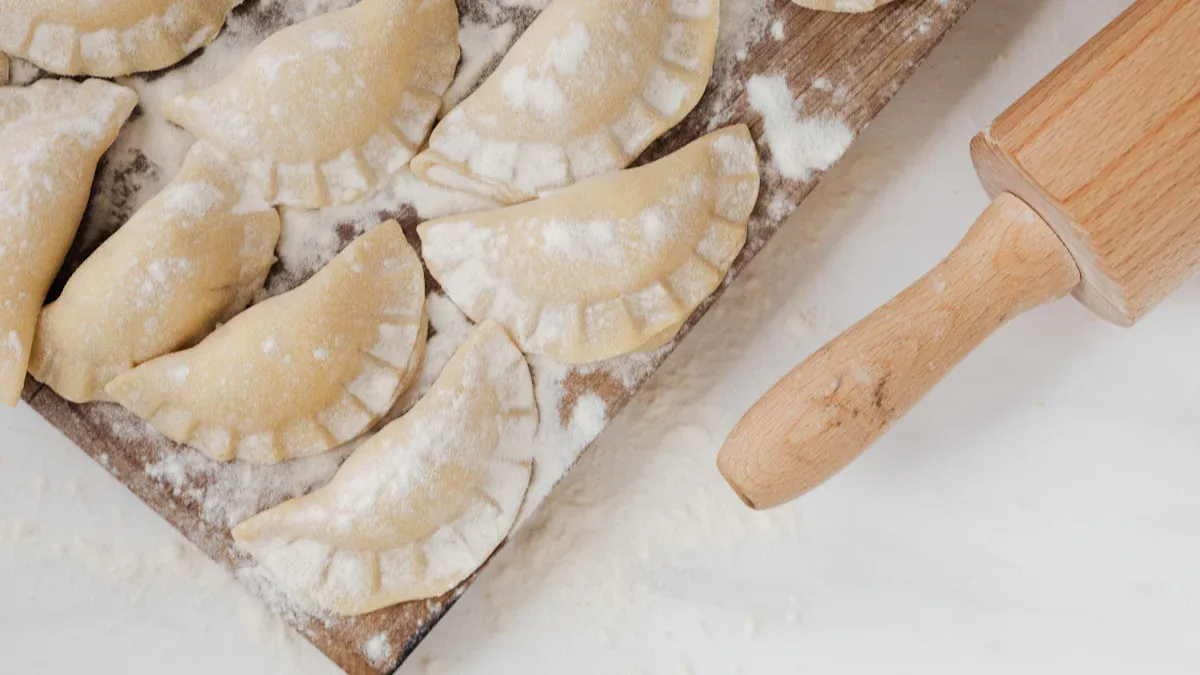
A dumpling machine’s value extends far beyond a single recipe. Its versatility is one of its most compelling features, allowing cooks to explore a wide range of stuffed foods from different culinary traditions. By equipping the machine with various molds and mechanisms, an operator can produce an impressive variety of dishes, all with consistent, professional results.
Classic Dumplings and Gyoza
The primary function of a dumpling wrapping machine is to perfect the creation of classic Asian dumplings. It excels at producing large quantities of perfectly uniform boiled dumplings (shui jiao) or potstickers. The machine’s precision allows for specialized and visually appealing shapes. For example, specific molds can create an elegant "lace skirt" effect on gyoza, a delicate detail that is difficult to achieve by hand consistently. This capability elevates the presentation of these popular dishes.
Wontons and Siomai
The appliance's adaptability makes it suitable for other beloved dim sum items. With the correct attachments, the machine can be configured for wonton and siomai production. This transforms the traditionally time-consuming process of making these smaller, more intricate items into a fast and efficient task. The machine ensures each wonton is sealed properly and every siomai has a uniform shape, ready for steaming or frying.
Other Stuffed Pastas
The machine's utility is not limited to Asian cuisine. Users can adapt it to create stuffed pastas like pierogi and ravioli. Many have found that a pierogi maker, which functions similarly, is a "really good little device" for making ravioli when dedicated grids are unavailable. The process is straightforward:
- Prepare thin pasta sheets.
- Use the device to cut a round of dough.
- Place the dough on the mold.
- Add the desired filling.
- Close the device to seal the pasta.
A practical consideration is the size of the molds. Some plastic sets may be too large for traditional ravioli. Users often find that only the smallest mold in a set is the appropriate size for a single raviolo, so selecting the right equipment is key.
Key Factors to Help You Decide
Choosing the right kitchen appliance requires a practical assessment of one's habits, needs, and resources. A potential buyer should carefully evaluate several key factors before committing to a purchase. This analysis ensures the machine will be a valued assistant rather than a costly piece of clutter.
How Often Do You Make Dumplings?
A person's cooking frequency is a primary factor in this decision. An individual who makes dumplings only for special holidays might find the setup and cleanup process more trouble than it is worth. The time saved on rare occasions may not justify the effort. Conversely, for someone who prepares dumplings weekly or even monthly, the machine quickly becomes an indispensable tool. Regular use makes the operational workflow feel routine and maximizes the return on the time-saving investment.
How Many Dumplings Do You Make at Once?
The scale of production is just as important as the frequency. A machine offers minimal advantage for small batches of two or three dozen dumplings, a quantity easily managed by hand.
The machine's true value emerges when preparing for large gatherings, extensive meal prep, or small commercial batches. Making over one hundred dumplings by hand is a multi-hour project. A machine reduces this task to a fraction of the time, freeing the cook for other preparations.
What's Your Budget?
The budget extends beyond the initial purchase price. While entry-level models are available, a higher investment often provides access to more durable machines from reputable brands. A quality dumpling wrapping machine is a long-term commitment, and post-purchase support is a critical consideration. Leading manufacturers demonstrate their value by offering comprehensive service networks. A buyer should look for brands that provide:
- Dedicated customer and technical service lines for inquiries.
- A nationwide network of authorized service agents for repairs.
- Managed service programs for maintenance and installations.
- Easy access to product manuals, cleaning guides, and support videos.
This level of support ensures the appliance remains functional and reliable for years, protecting the initial investment.
How Much Kitchen Space Do You Have?
A buyer must consider the physical footprint of a dumpling machine. These appliances are not small gadgets that can be tucked away in a drawer. They are often bulky and heavy, demanding a significant amount of counter or storage space. A person must perform a realistic assessment of their kitchen environment before making a purchase. The machine's dimensions and weight are critical factors that can determine its practicality in a home setting.
The first step is to measure available counter space and potential storage areas like pantries or large cabinets. Some models are substantial pieces of equipment. For example, even a compact commercial-grade machine can weigh 44kg (around 97 lbs), making it a semi-permanent fixture once placed. A buyer should compare their measurements against the product specifications to ensure a proper fit. This simple act of due diligence prevents the frustration of acquiring a machine that does not fit in the intended space.
Manufacturers recognize this spatial constraint and have developed innovative solutions. One company offers a model described as the world's smallest gyoza machine. It is as compact as a microwave, designed specifically to save valuable kitchen real estate while still producing up to 1,500 dumplings per hour.
Fortunately, the market offers a variety of tabletop and compact models designed for smaller kitchens or businesses. These options provide powerful performance without demanding a large footprint. Potential buyers can explore choices such as:
- Semi-Automatic Dumpling Machine: A high-output model producing 1,200 units per hour, ideal for those needing efficiency in a limited area.
- Automatic Tabletop Dumpling Device: This stainless steel unit emphasizes food safety with HACCP certification and maintains low energy consumption.
- Small Automatic Dumpling Maker: A modern option featuring IoT technology for remote monitoring and modular dies that reduce dough waste by 30%.
- Mini Ravioli Samosa Machine: An energy-efficient and budget-conscious choice with BPA-free parts and auto-fill calibration for consistent results.
These space-saving designs make automated dumpling production more accessible. However, the responsibility still falls on the buyer to choose a model that aligns with their kitchen's physical capacity.
The Final Verdict: Who Is It Really For?
The decision to purchase a dumpling wrapping machine hinges on a pragmatic evaluation of a cook's lifestyle, production volume, and kitchen realities. The appliance is a powerful tool, but its utility is highly specific. It is not a universal solution for every kitchen. A clear understanding of who benefits most—and who does not—is essential before making the investment.
The Ideal User: Large Families and Food Entrepreneurs
A dumpling machine is an invaluable asset for those who consistently produce dumplings in large quantities. This group includes large families who host frequent gatherings, meal-preppers stocking their freezers, and small-scale food entrepreneurs. For these users, the machine’s primary benefits of speed and uniformity directly translate into saved labor, reduced stress, and a more professional product.
An entrepreneur building a small food business finds that the machine streamlines production, ensures product consistency, and allows for scalable growth. The initial cost becomes a justifiable business expense that pays for itself through increased output and efficiency.
For this demographic, the machine transforms a time-consuming craft into a manageable and profitable task. It is less a kitchen gadget and more a piece of essential production equipment.
Who Should Skip It: Occasional Cooks and Small Kitchens
Conversely, a dumpling machine is an impractical choice for the occasional cook or those with limited kitchen space. An individual who makes dumplings only a few times a year will find the setup, operation, and extensive cleanup to be more trouble than they are worth. The high cost and significant storage footprint make it a poor investment for infrequent use.
Fortunately, a cook can still achieve greater efficiency without a large machine. A well-curated toolkit of smaller, more affordable gadgets can significantly speed up the process 🥟:
- Dumpling Mold/Press: This simple device offers a shortcut for quick and easy shaping.
- Small Rolling Pin: Easier to handle than a large pin, it allows for precise control when creating individual wrappers.
- Digital Kitchen Scale: Ensures consistent wrapper and filling portions, leading to even cooking and a professional result.
- Dough Scraper: Simplifies dividing dough and keeps the workspace clean, preventing hardened bits from tearing delicate wrappers.
These tools provide a viable middle ground, enhancing speed without the commitment of a large, expensive appliance.
The choice to buy a dumpling wrapping machine presents a clear trade-off. A cook must weigh the convenience of speed and consistency against the investment of money, cleaning time, and storage space.
For those who host often, run a small food business, or have large families, this machine can be an invaluable kitchen assistant. 🥟
Everyone else will likely find the cost and effort outweigh the benefits. Traditional hand-folding remains the more practical and enjoyable choice for the occasional dumpling maker.
FAQ
Can a user put any dough recipe in the machine?
A user must often adjust their dough recipe. Machines require a specific hydration and elasticity for optimal performance. The manufacturer's manual usually provides recommended dough specifications. Following these guidelines prevents jamming and ensures proper wrapper formation.
What is the main difference between home and commercial models?
Commercial models offer higher production speeds and greater durability for continuous use. They often use stainless steel parts. Home models are more compact and affordable. A user's choice depends on their production volume and budget.
Can the machine handle gluten-free dough?
Gluten-free doughs often lack the elasticity needed for automated machines. They can tear or fail to seal properly. A user should check the machine's specifications, as most standard models perform best with traditional wheat-based doughs.
Does the machine also cook the dumplings? 🥟
No, a dumpling wrapping machine only forms and seals the dumplings. It does not have a cooking function. A cook must still boil, steam, or pan-fry the finished dumplings separately. The machine automates the preparation stage, not the cooking stage.
See Also
Top Folder Gluer Innovations Shaping 2025 Carton Production Lines
Custom Cargo Lifts: Evaluating Benefits and Drawbacks for Your Business
Plate Pack Systems: Analyzing Benefits and Costs for the Year 2025
Essential Capsule Checkweighers for Buyers to Consider in 2025
Automated Virus Sampling Tube Assembly Lines: A Smart Investment Decision?