Is DTF Printing Better Than DTG for Your T-Shirt Business
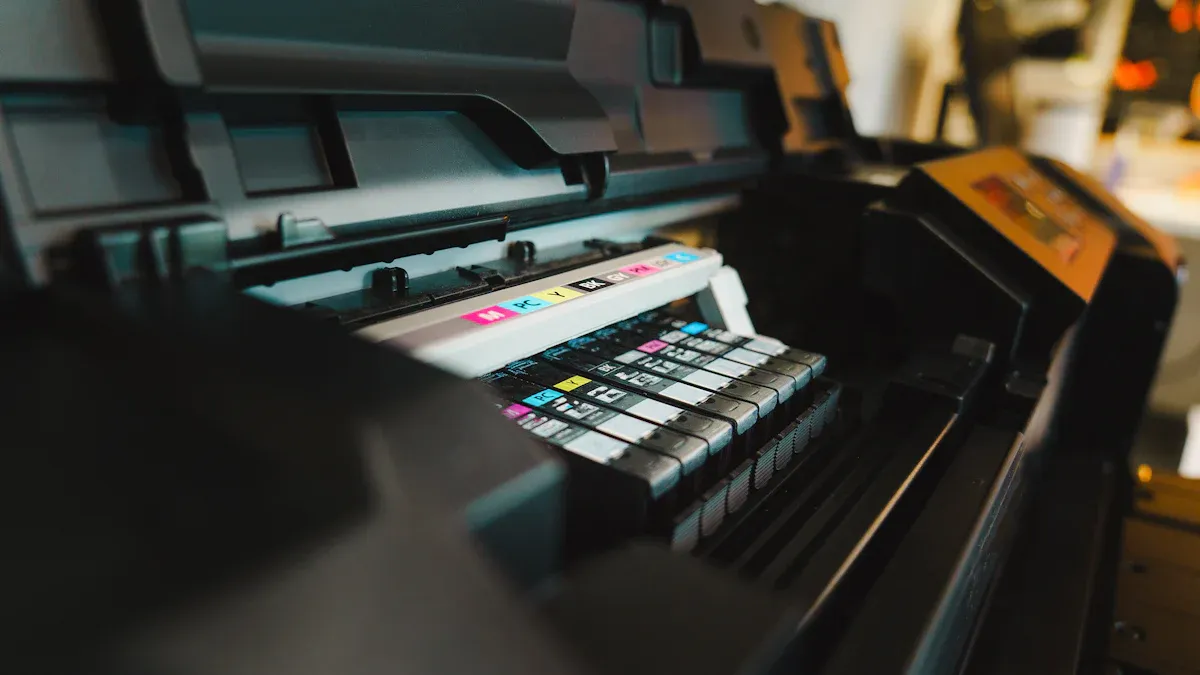
Direct-to-Film (DTF) printing provides superior versatility and cost-effectiveness for most apparel businesses. In contrast, Direct-to-Garment (DTG) printing excels for premium brands focused on soft prints for 100% cotton. The DTF market’s projected 22% CAGR reflects this technology's growing adoption, outpacing DTG's 13% growth and highlighting the value of a dtf film printer.
Key Takeaways
- DTF printing is good for most businesses. It works on many fabrics and costs less per print. This helps businesses make more money.
- DTG printing is best for special brands. These brands want very soft prints on 100% cotton shirts. The ink soaks into the fabric for a soft feel.
- DTF printing is faster for big orders. It can print many designs at once. DTG is better for printing one shirt at a time.
Which is Better for Print Quality & Feel?
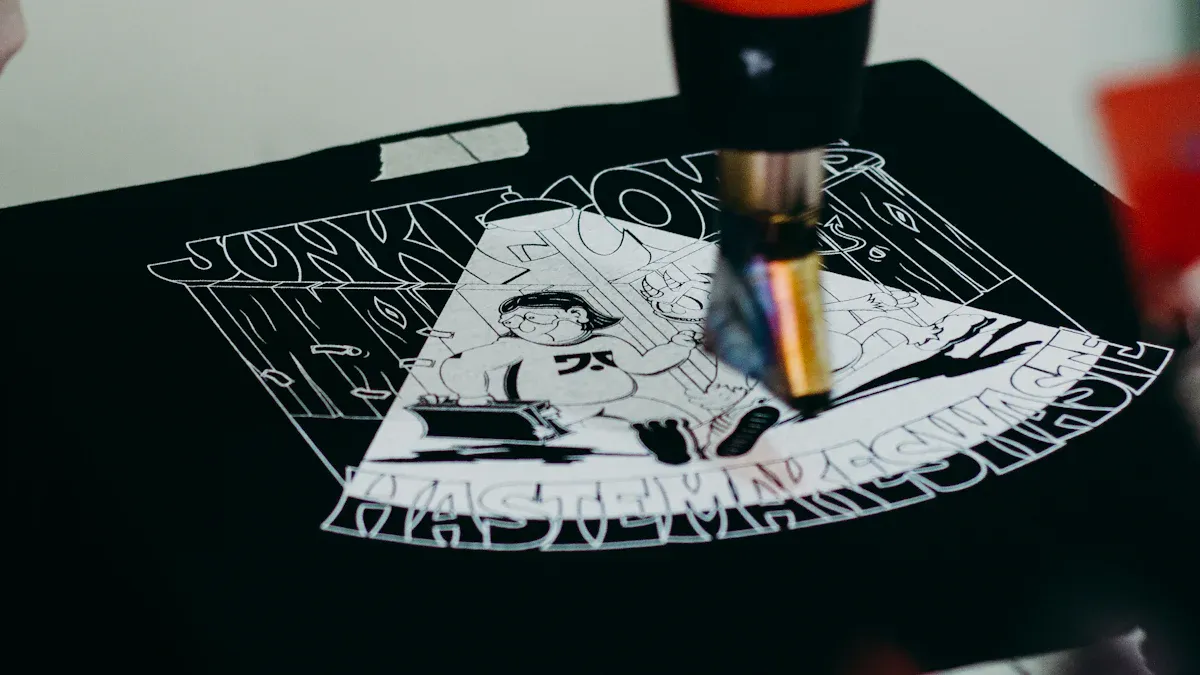
The final look and feel of a printed t-shirt are critical factors in customer satisfaction. Both DTG and DTF printing produce high-quality, full-color designs, but they achieve this with very different results in texture and color expression. The best method depends entirely on the brand's priorities: unparalleled softness or brilliant color vibrancy.
The Winner for Softness: DTG
Direct-to-Garment printing is the undisputed champion for a soft-hand feel. The technology achieves this by spraying water-based inks directly onto the garment. The fabric then absorbs these inks, staining the cotton fibers themselves. This process integrates the design into the shirt, resulting in a print that is breathable and feels like part of the original material. There is no raised layer, making it ideal for premium apparel where comfort is paramount.
DTF printing, in contrast, creates a transfer that sits on top of the fabric. The process involves printing a design onto a film, applying an adhesive powder, and then heat-pressing the transfer onto the shirt. This results in a durable print with a texture that is more noticeable to the touch.
The technical differences directly influence the final feel of the garment.
| Printing Method | Hand-Feel Description | Technical Reason |
|---|---|---|
| DTG | Soft, breathable, and seamless | Ink soaks directly into the fabric fibers. |
| DTF | Slightly raised, rubbery feel | The design is an adhesive layer that sits on top of the fabric. |
For businesses targeting a high-end market with 100% cotton products, DTG delivers a superior wearable experience that justifies its premium positioning.
The Winner for Vibrancy on Dark Garments: DTF
Direct-to-Film printing excels at producing bold, punchy colors, especially on dark and colored fabrics. This advantage comes from its brilliant white underbase. In the DTF process, a layer of white ink is printed first on the film, followed by the colored inks on top. This opaque white base acts as a primer, preventing the garment's color from dulling the design. The result is a print with exceptional brightness and contrast that truly "pops."
While DTG also uses a white underbase for dark garments, its vibrancy can be less consistent. The final look is often dependent on the quality of the fabric and the precision of the pre-treatment process. On synthetic materials like polyester, DTG's water-based inks struggle to bond effectively, which can lead to poor adhesion and muted color performance.
📝 Professional Tip: DTF's film transfer process ensures consistent and vivid colors across a wide variety of fabrics, including cotton, polyester, and blends. This reliability makes it the superior choice for businesses that need to guarantee bright, saturated prints regardless of the garment's color or material.
Which is Better for Durability & Washability?
A print's ability to withstand repeated washing is a direct reflection of your brand's quality. A design that cracks or fades after a few washes leads to customer dissatisfaction. Both DTF and DTG prints can be durable, but their fundamental differences in application result in different levels of longevity.
The Winner for Longevity: DTF
Direct-to-Film prints offer superior durability and washability. The DTF process creates a strong, flexible transfer that bonds to the top of the fabric. This elastic quality allows the print to stretch with the garment, making it highly resistant to cracking and peeling. Wash tests confirm this resilience; high-quality DTF prints can often endure 50 to 60 wash cycles before showing significant signs of wear. This longevity makes DTF an excellent choice for everyday apparel and workwear that requires frequent laundering.
Maximizing Durability for Both Methods
Achieving maximum durability depends on proper technique and care. For any print method, following best practices is essential for a long-lasting product.
For DTF printing, durability begins with the curing process. Properly melting the adhesive powder creates the strong bond necessary for wash resistance. Key steps include:
- Curing Temperature: Heat the transfer to 320-350°F.
- Curing Time: Apply heat for 30-60 seconds to fully bond the ink and powder.
- Consistency: Ensure even heat application to prevent weak spots that can peel.
For DTG printing, longevity relies heavily on post-purchase care by the customer. Businesses should provide clear washing instructions to help preserve the print.
📝 Care Instructions for DTG Garments:
- Turn the garment inside out before washing.
- Use a gentle cycle with cold water and a mild, bleach-free detergent.
- Avoid fabric softeners, which can degrade the print.
- Tumble dry on a low heat setting or, for best results, hang the garment to air dry.
By optimizing the production process for DTF and educating customers on DTG care, businesses can deliver durable products with either technology.
Which is Better for Fabric Variety?
The ability to print on different materials is a critical factor that separates DTF and DTG printing. A business's choice of technology will directly determine its product catalog, making fabric compatibility a key consideration. One method offers nearly limitless options, while the other is a specialist for a specific material.
The Clear Winner for Versatility: DTF
Direct-to-Film printing is the undisputed winner for fabric versatility. The DTF process applies a heat-activated adhesive transfer that sits on top of the material, rather than soaking into it. This method allows businesses to print on a vast array of fabrics, opening up diverse product opportunities beyond just t-shirts.
DTF technology reliably adheres to both natural and synthetic materials, including:
- Cotton and Cotton/Polyester Blends: Perfect for t-shirts, hoodies, and corporate wear.
- 100% Polyester: Ideal for athletic apparel and moisture-wicking shirts without dye migration issues.
- Denim and Canvas: Excellent for durable items like jackets, work pants, and tote bags.
- Nylon: Suitable for windbreakers and promotional bags, though it requires careful heat application.
- Specialty Materials: Expands offerings to include items made from silk, treated leather, and linen.
This flexibility empowers businesses to serve a wider market with a single printing setup.
Why DTG is Limited to Cotton
Direct-to-Garment printing has significant material limitations. The technology uses water-based inks designed to bond with the natural fibers of cotton. For the ink to adhere properly, the garment must be made of at least 50% cotton, with 100% cotton yielding the best results.
On synthetic fabrics like polyester, DTG inks have no natural fibers to absorb into. The ink beads up on the surface, resulting in poor adhesion, faded colors, and a print that will not survive washing. Even with pre-treatment, DTG struggles to produce vibrant, lasting prints on non-cotton materials. This specialization makes DTG suitable for premium cotton brands but restrictive for businesses wanting broader product lines.
Which is More Cost-Effective?
Profitability in a t-shirt business hinges on managing both upfront and ongoing expenses. DTF and DTG printing present very different financial models. A business must analyze both the initial equipment purchase and the long-term, per-print operational costs to make a sound investment.
Lower Per-Print Costs: DTF
Direct-to-Film printing consistently delivers a lower cost per print, a key advantage for businesses focused on maximizing margins. The cost of consumables remains stable regardless of the garment's color. This predictability simplifies pricing strategies and financial forecasting. A typical cost breakdown for DTF consumables shows its efficiency.
| DTF Material | Estimated Cost per sq. ft. |
|---|---|
| Ink | ~$0.33 |
| Film | ~$0.22 |
| Adhesive Powder | ~$0.013 |
| Total | ~$0.56 per sq. ft. |
This low, consistent cost makes DTF highly scalable. Businesses can produce vibrant prints on both light and dark garments without a significant increase in expenses.
Direct-to-Garment printing, however, has variable per-print costs that depend heavily on the shirt color. Printing on light or white shirts is relatively inexpensive. Printing on dark garments requires a white ink underbase and a pre-treatment fluid, which dramatically increases the cost.
| DTG Print (A4-Size) | Light T-Shirt Cost | Dark T-Shirt Cost |
|---|---|---|
| Ink Cost | $0.50 – $1.00 | $2.00 – $3.00 |
| Pre-treatment Fluid | Not Required | $0.25 – $0.50 |
| Total Per Print | $0.50 – $1.00 | $2.25 – $3.50 |
The cost to print on a dark shirt with DTG can be three to five times higher than printing on a light one. This makes DTF the clear winner for businesses that plan to offer a wide range of colorful apparel, as it provides superior cost control.
Initial Equipment Investment: DTF vs. DTG
The initial capital required to start printing is a major consideration. Here, the comparison becomes more nuanced and depends on the scale of the operation.
A complete DTF printing system includes the printer, a powder shaker, and a curing oven. Businesses can often acquire a full entry-level DTF setup for less than the cost of a single professional-grade DTG printer. This lower barrier to entry makes a dtf film printer an attractive option for startups and small businesses looking to offer a wide range of products without a massive initial investment.
DTG printers, on the other hand, command a higher upfront price.
- Budget-Friendly Models: Some entry-level options, often converted from standard commercial printers, are available for approximately $5,000 to $10,000.
- Professional Entry-Level: For reliable, high-quality output, most businesses should budget between $10,000 and $30,000 for a professional DTG machine. Printers like the Summit RT fall into this category, offering a robust solution for serious operations.
💰 Investment Insight: DTF generally offers a lower initial investment for a complete production line. DTG demands a higher upfront cost for the printer alone, but that price buys a more consolidated and streamlined workflow ideal for specialized, high-end cotton apparel businesses.
Which is Better for Your Order Size?
The ideal printing method for a t-shirt business often depends on its typical order volume. Direct-to-Garment (DTG) and Direct-to-Film (DTF) printing are optimized for different production scales. DTG excels at handling individual custom orders, while DTF is built for efficient, high-volume production.
Best for Small Batches & One-Offs: DTG
Direct-to-Garment printing is the superior choice for on-demand jobs, small batches, and single custom pieces. Its digital workflow eliminates the extensive setup required by other methods. This makes it both fast and economical for unique orders.
- There are no screens to create or dies to prepare.
- Businesses can print a single, unique design by simply loading the digital file.
- The absence of setup costs makes it practical for rush orders or last-minute event merchandise.
This capability allows print services to profitably handle single-item orders. In the past, costly setup times made small batches impractical, often forcing businesses to require large minimums. DTG technology removes that barrier entirely.
Best for Medium to Large Runs: DTF
Direct-to-Film printing is engineered for efficiency in medium to large production runs. The process allows businesses to print multiple designs onto a single roll of film, known as a "gang sheet." This technique maximizes material use and streamlines the application process, significantly boosting output. A modern dtf film printer can achieve impressive production speeds.
| Metric | Value |
|---|---|
| DTF System Processing Speed | 100-150 square feet per hour |
| Transfers per 8-hour Shift | 500-1,000 transfers |
This high-volume capacity makes DTF the clear winner for businesses that need to produce hundreds or thousands of garments. The ability to print and store transfers for later use further enhances its value for fulfilling large, recurring orders.
Which Process is Faster and Easier?
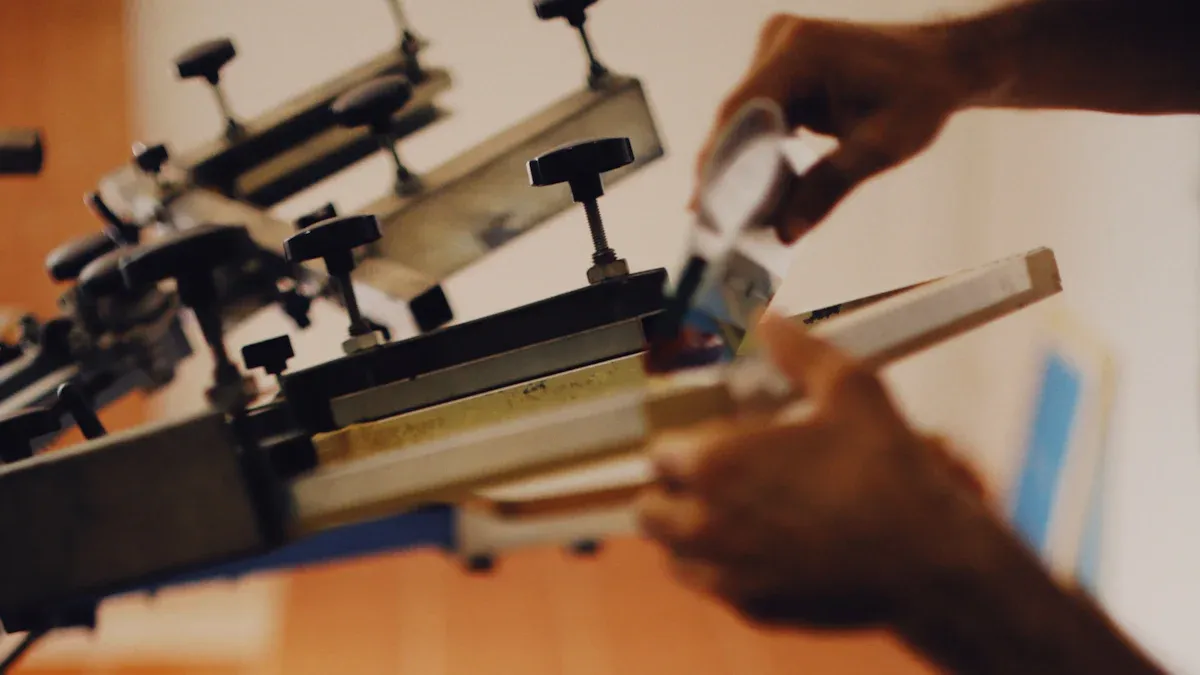
Operational efficiency is a cornerstone of a profitable printing business. The speed and complexity of a printing workflow directly impact labor costs and production capacity. While DTG offers a more straightforward process for single items, DTF provides superior speed for batch production.
The Simpler Workflow: DTG
Direct-to-Garment printing offers a simpler, more direct workflow for one-off prints. The process involves fewer overall stages: an operator loads a shirt, sends the digital file to the printer, and cures the final garment. This makes DTG exceptionally well-suited for on-demand services where customers order a single, unique item.
However, this simplicity has a catch. Printing on dark garments with DTG requires a mandatory pre-treatment step. This adds time and introduces a potential point of error, as uneven application can affect print quality. The DTF process completely eliminates the need for garment pre-treatment.
The Faster Production Speed with a DTF Film Printer: DTF
Direct-to-Film printing delivers significantly faster production speeds for medium to large orders. A dtf film printer works by printing multiple designs onto a large roll of film, which are then cured and prepared for application. While this initial setup takes time, the final step of heat-pressing the transfer onto a shirt takes only 15-30 seconds. This assembly-line approach dramatically increases throughput.
The difference in per-shirt production time highlights DTF's efficiency at scale.
| Printing Method | Production Time per T-shirt |
|---|---|
| DTG | 2-3 minutes |
| DTF | 1-2 minutes |
This speed advantage allows a business with a dtf film printer to produce hundreds of transfers per hour. An operator can then press these transfers as orders come in. In contrast, a DTG printer occupies the entire machine for several minutes per shirt, limiting its hourly output to around 20 shirts at best. For any business planning to scale, a dtf film printer provides the necessary speed to meet demand.
For most businesses, DTF printing is the superior all-around choice. It offers unmatched fabric versatility, cost control, and scalability. Businesses should choose DTF to print on diverse materials like polyester and blends or to produce transfers for future use. DTG remains the ideal solution for premium brands focused exclusively on soft, high-end designs for 100% cotton apparel. Aligning the printing technology with specific business goals ensures long-term success and profitability.
FAQ
Can you use a home printer for DTF?
No, a standard home printer is not suitable. DTF printing requires a specialized machine. This printer must handle specific pigment inks and print a white layer onto the transfer film.
Which print feels more premium?
DTG prints offer a more premium feel. The ink absorbs directly into the cotton fibers. This creates a soft, breathable design that feels like part of the original shirt.
Which method is better for printing photos?
Both methods produce quality photo prints. DTF often achieves superior vibrancy and detail, particularly on dark garments. Its opaque white underbase ensures colors appear bright and accurate without compromise.
See Also
Automatic UV Coaters: Crucial for Efficient High-Speed Printing Operations
TDC Residential Door Hinges: A Worthwhile Investment for Your Home?
WT20 Thoriated Tungsten Electrodes: Enhancing TIG Welding Performance Significantly
Top Folder Gluer Innovations Expected for 2025 Carton Production Lines
Effective Steel Processing: Guaranteed Success in Heat Exchange Applications