DTF Film vs Sublimation Paper The Ultimate 2026 Guide
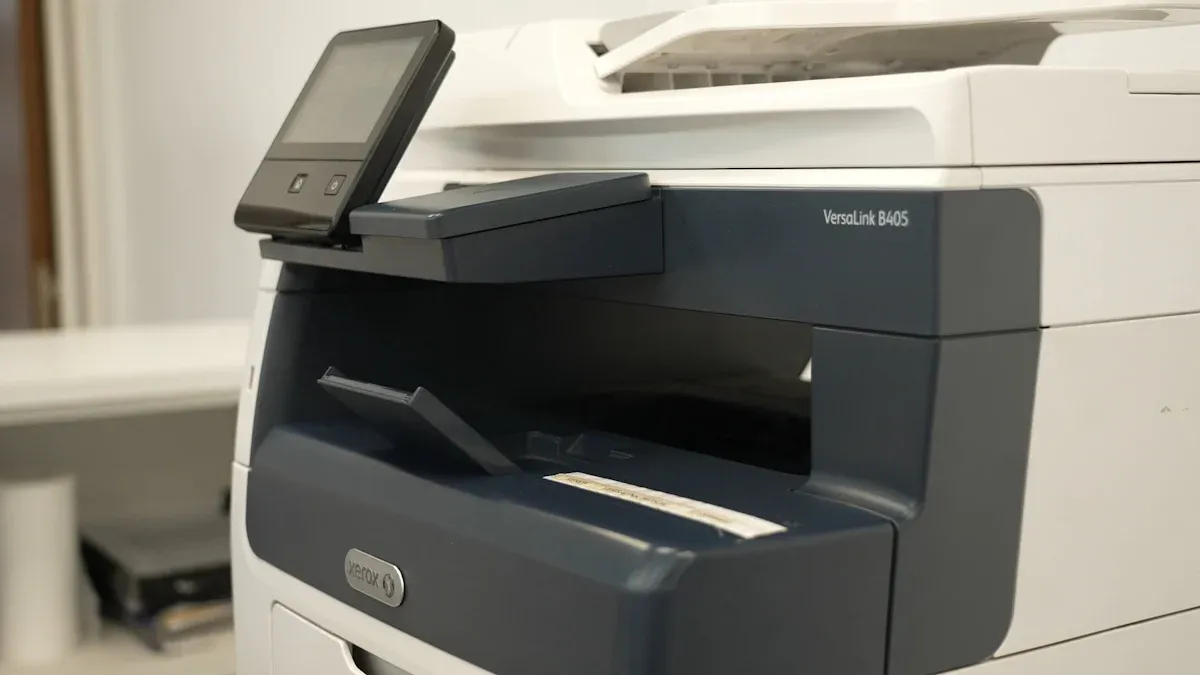
Decorators select dtf heat transfer film for its unmatched versatility. It applies vibrant designs to any fabric type or color, including dark cottons. The graphic sits on the material's surface. In contrast, sublimation paper is the choice for light-colored polyester fabrics. It creates a permanent, ultra-soft design by infusing ink into the fibers.
Key Takeaways
- DTF works on any fabric color, even dark ones. It puts the design on top of the fabric. This makes it good for cotton shirts.
- Sublimation works best on light-colored polyester. The ink goes into the fabric, so you cannot feel the design. It is great for sportswear and mugs.
- DTF costs more to start but works on many items. Sublimation costs less to start but works on fewer items. Choose based on what you want to print.
What is DTF vs. What is Sublimation?
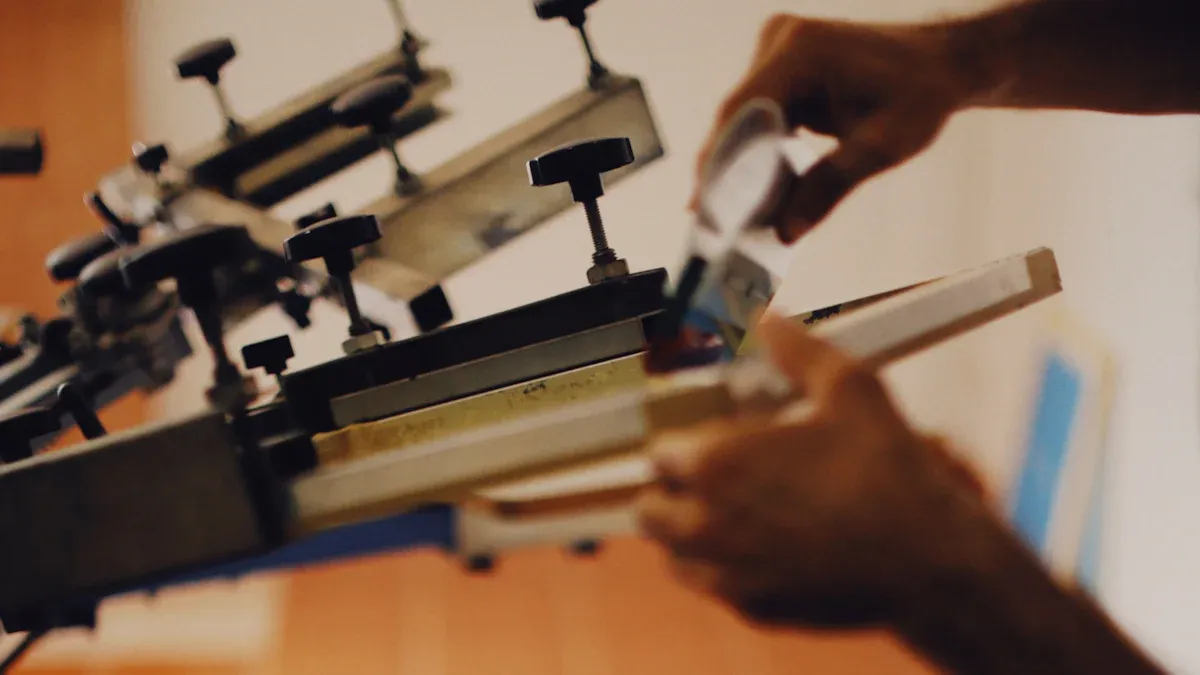
Understanding the fundamental process for each method helps decorators make informed decisions. Both techniques use a heat press, but the journey from digital design to finished product differs significantly.
The DTF Heat Transfer Film Process Explained
The Direct-to-Film process involves printing a design onto a special dtf heat transfer film. This multi-step method offers incredible versatility.
- Printing: A specialized DTF printer first prints the color layer of the design onto the film. It then prints a white ink layer on top.
- Powdering: The operator applies a hot-melt adhesive powder to the wet ink on the dtf heat transfer film. The powder sticks only to the printed areas.
- Curing: The film and powder go through a curing oven or under a heat press. This melts the powder, creating a smooth, transferable adhesive layer.
- Pressing: The finished transfer is placed on the garment and pressed with heat. After a brief cooling period, the decorator peels the film away, leaving the design on the fabric.
The Sublimation Paper Process Explained
Sublimation creates a print with an undetectable feel. The process chemically bonds the ink with the fabric fibers. A decorator first prints a mirror image of the design onto sublimation paper using sublimation inks. The paper is then placed on a polyester or poly-coated item. A heat press applies high temperature and pressure.
Key Concept: Heat transforms the solid ink on the paper directly into a gas. This gas permeates the polyester fibers, which open up from the heat. As the item cools, the fibers trap the ink, making the design permanent and part of the fabric itself.
Head-to-Head Comparison: Key Differences
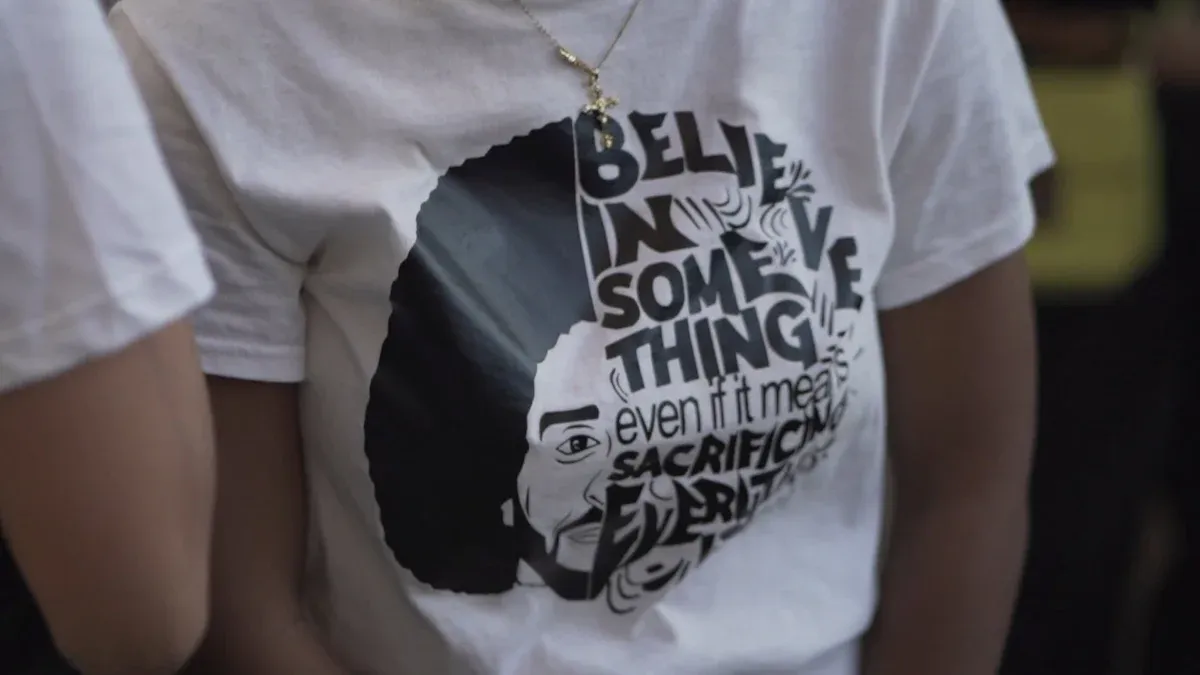
Choosing the right decoration method requires a clear understanding of where each one excels and where it falls short. The fundamental differences between DTF and sublimation directly impact the types of products a business can offer. This head-to-head comparison breaks down the most critical factors for decorators.
Fabric Compatibility and Color Limitations
A method's compatibility with different materials is often the primary decision point.
-
DTF (Direct-to-Film): DTF offers unparalleled versatility. The adhesive backing on a dtf heat transfer film allows it to bond with a vast range of materials. Decorators can confidently apply these transfers to:
- Cotton (100%)
- Polyester
- Cotton/Poly Blends
- Tri-Blends
- Canvas and Denim
- Even some hard surfaces like wood
Crucially, DTF works on fabrics of any color, including black and other dark shades. The white ink underbase ensures the design remains opaque and vibrant, regardless of the garment's color.
-
Sublimation: Sublimation is highly specialized. The process requires the ink to chemically bond with polymer fibers. This restricts its use to 100% polyester fabrics for the best results. While it can work on high-content polyester blends (typically 65% or more), the colors will appear faded or have a "vintage" look on the non-polyester fibers.
Key Limitation: Sublimation ink is translucent. It has no white ink component. Therefore, it is only suitable for white or very light-colored garments. A design printed on a blue shirt, for example, would have its colors altered by the blue fabric showing through.
Print Feel and Texture on the Garment
The "hand," or feel, of a print significantly affects the perceived quality of the garment.
- DTF (Direct-to-Film): A DTF transfer is a thin, flexible layer that sits on top of the fabric. The finished print has a smooth, soft feel, often described as being softer than traditional vinyl but thicker than a sublimation print. To understand the feel of a DTF print, it helps to compare it to traditional screen printing:
| Feature | Screen Printing | DTF Transfer |
|---|---|---|
| Hand-Feel | Softer, more breathable | Slightly thicker, more rubbery or plastic feel |
| Ink/Layer | Ink pushed directly into fabric fibers | Entire design sits on top of fabric with solid polymer adhesive layer |
- Sublimation: Sublimation offers a "zero-hand" feel. The ink becomes a part of the fabric itself rather than sitting on the surface. When you run your hand over a sublimated design, you cannot feel the print at all. The fabric retains its original softness and breathability, making it ideal for performance apparel and items where a smooth surface is essential.
Durability, Washability, and Longevity
Both methods produce durable prints, but their performance over time differs based on the underlying technology.
-
Sublimation: This method offers the highest level of permanence. Since the ink is infused into the polyester fibers, the design will not crack, peel, or fade. It lasts as long as the garment itself. The print is impervious to washing and stretching.
-
DTF (Direct-to-Film): Modern DTF prints are exceptionally durable and flexible. When applied correctly, they can withstand dozens of washes without degrading. The print stretches with the fabric, which prevents cracking on materials like cotton/spandex blends. However, as a surface-level application, it can eventually show wear after extensive use and washing, unlike a sublimated print.
Color Vibrancy and Print Detail
Visual impact is paramount, and both techniques can produce stunning results.
-
DTF (Direct-to-Film): DTF excels at producing bright, vivid, and opaque colors on any background. The white ink layer acts as a primer, allowing the CMYK colors to appear exactly as intended, even on a black t-shirt. This method is also capable of reproducing extremely fine details and complex, photorealistic images with sharp edges.
-
Sublimation: Sublimation creates brilliant, continuous-tone colors with exceptional photographic quality. On a white polyester substrate, the vibrancy is unmatched because the ink becomes part of the glowing white fibers. The process allows for perfect gradients and details. However, this vibrancy is entirely dependent on a white or light-colored base; the colors will dull or shift on any other background.
Project Decision Guide: Which Method to Choose
Theory provides a foundation, but practical application determines success. Decorators must align the printing method with the specific product they want to create. This guide breaks down common projects to make the choice between DTF and sublimation clear and simple.
For Dark Cotton T-Shirts and Hoodies
The choice for dark cotton garments is straightforward. Decorators should select DTF for these projects. Sublimation ink is translucent and requires polyester fibers, making it completely incompatible with dark cotton fabrics.
DTF technology was specifically engineered to solve this problem. The process uses a white ink underbase. This layer acts as an opaque foundation on the dark fabric. The colored inks are then printed on top of the white layer, ensuring the final design is bright, vibrant, and true to its original colors. The result is a high-quality graphic that stands out on black, navy, or forest green apparel.
Many small clothing brands build their entire product line around this capability. One successful brand, for instance, elevated its identity by using DTF to produce stunning designs on dark hoodies. This process allowed for vibrant colors and intricate patterns, which improved customer loyalty and led to significant growth in sales.
Verdict: Choose DTF. It is the only viable method of the two for producing opaque, full-color graphics on dark cotton and poly/cotton blend garments.
For Polyester Sportswear and Activewear
Performance and feel are paramount for athletic apparel. For these items, sublimation is the superior method. The process infuses ink directly into the polyester fibers, creating a print with zero texture. The garment retains its original softness and performance characteristics.
Sublimation offers several key advantages for professional sportswear:
- The ink becomes part of the fabric, so the design will never crack, peel, or fade with intense activity and frequent washing.
- It maintains the fabric's original breathability and moisture-wicking properties, which is crucial for athlete comfort.
- The process creates a completely smooth finish, preventing any chafing or irritation from a surface-level print.
- It allows for brilliant, full-color, and highly detailed graphics perfect for team logos and complex patterns.
A DTF transfer, while flexible, adds a physical layer on top of the fabric. This layer can slightly impede airflow and alter the feel of a lightweight performance garment, making sublimation the preferred choice for athletes.
For Mugs, Tumblers, and Hard Surfaces
Sublimation is the industry standard for creating permanent, high-quality images on hard goods. This includes ceramic mugs, stainless steel tumblers, coasters, and specially coated aluminum photo panels. These items are manufactured with a polymer coating that accepts the sublimation ink.
During the heat press process, the ink bonds with this coating, creating a smooth, glossy, and incredibly durable finish. The image becomes part of the surface itself. A dtf heat transfer film, in contrast, applies a design that sits on top of the surface, similar to a high-end decal.
Here is a quick comparison for hard goods:
| Feature | Sublimation | DTF |
|---|---|---|
| Finish | Smooth, glossy, part of the surface | Sits on top of the surface |
| Durability | Excellent; dishwasher & microwave safe | Good; may peel or scratch over time |
| Best For | Drinkware, photo panels, awards | Not the primary application |
Verdict: Choose Sublimation. It creates a professional, permanent, and scratch-resistant product that customers expect from customized hard goods like mugs and tumblers.
For a Small Business with Diverse Products
A small business or startup often needs maximum flexibility to test different products and capture various markets. For this scenario, DTF provides a significant strategic advantage.
A single DTF setup empowers a business to print on almost anything. A decorator can fulfill an order for black cotton t-shirts in the morning, print on polyester hoodies in the afternoon, and decorate canvas tote bags by the end of the day. This ability to say "yes" to more customer requests without investing in multiple technologies is invaluable. The versatility of a dtf heat transfer film allows a new business to build a diverse catalog quickly.
Sublimation is an excellent, low-cost entry point if a business decides to specialize. A shop focusing exclusively on polyester performance wear or promotional drinkware will find sublimation to be efficient and highly profitable. However, for a business aiming for the widest possible product range from a single investment, DTF is the more versatile choice.
Cost and Workflow Considerations
Beyond print quality, decorators must evaluate the financial and operational impact of each technology. The initial investment, ongoing costs, and daily workflow are critical factors that shape a business's profitability and efficiency.
Initial Equipment and Startup Costs
The entry barrier for sublimation is significantly lower than for DTF. A beginner's sublimation package, including a printer and heat press, typically requires an initial investment between $300 and $600. This makes it an accessible starting point for many new businesses.
In contrast, a complete DTF system represents a more substantial capital expenditure. A professional setup includes:
- A specialized DTF printer
- An automatic powder shaker and applicator
- A curing oven or tunnel dryer
This integrated equipment costs several thousand dollars, positioning DTF as a choice for businesses ready to scale.
Per-Print Costs and Consumables
The cost to produce a single item varies between the two methods. Sublimation uses ink and special paper. DTF requires ink, dtf heat transfer film, and adhesive powder. The additional consumables for DTF can lead to a slightly higher cost per print compared to sublimation, especially for smaller designs. Decorators must factor these recurring expenses into their pricing models.
Production Speed and Overall Workflow
Workflow efficiency directly impacts output capacity. Sublimation offers a simple and fast two-step process: print the design, then press it onto the substrate. This is ideal for on-demand orders and small batches.
The DTF process is more involved, requiring printing, powdering, curing, and finally pressing. While this seems slower, many DTF systems are automated. This automation allows for the continuous production of transfers, which can then be stored and pressed as needed. This creates a highly efficient workflow for large-volume orders.
Decorators must choose the right technology for their goals. This guide simplifies the decision.
- DTF offers ultimate versatility for any fabric, especially dark garments.
- Sublimation provides the softest feel on light polyester and is the standard for hard goods. It also presents the lowest startup investment.
FAQ
Can decorators use a regular inkjet printer?
No. Both processes require specialized printers and inks. DTF uses specific DTF inks, while sublimation needs its own unique ink set. Regular office printers are not compatible.
Which method is better for beginners?
Beginners often prefer sublimation. It has a lower startup cost and a simpler workflow. This makes it an accessible entry point into the garment decoration industry.
Do decorators need to weed DTF transfers?
No. DTF is a self-weeding technology. The adhesive powder only adheres to the printed ink. This feature eliminates the need for manual weeding, saving significant production time.
See Also
Automatic UV Coaters: Indispensable for Modern High-Volume Printing Operations