DTF Film for Sublimation Printer Is It a Game Changer
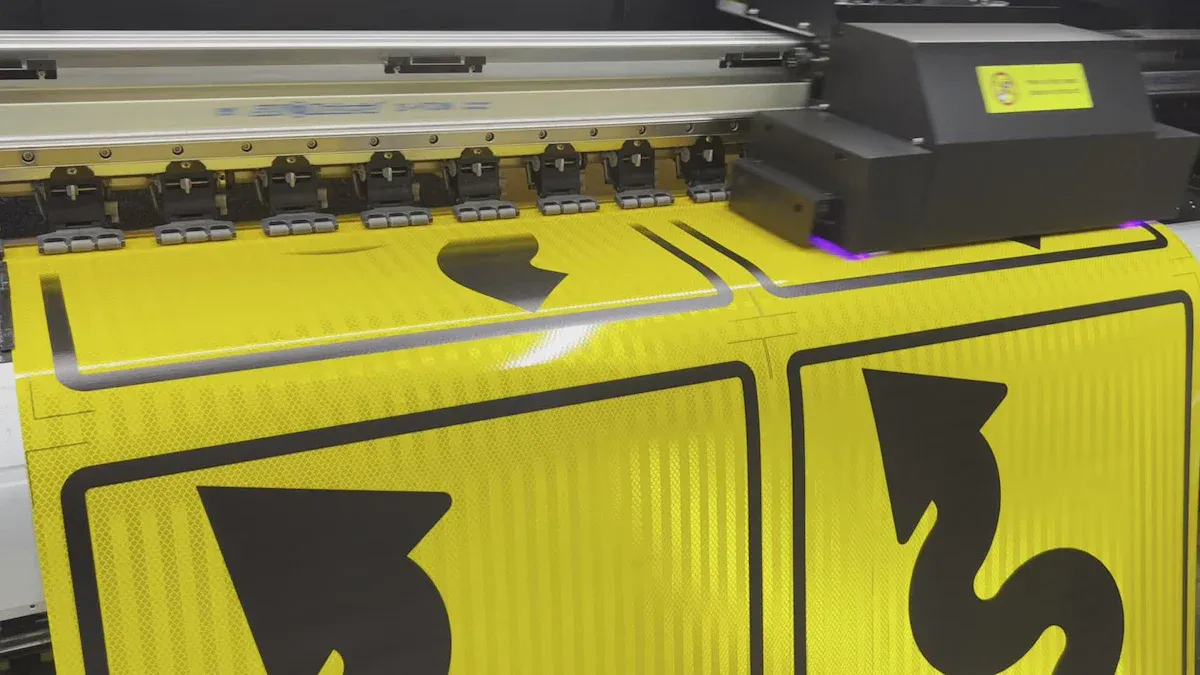
Using dtf film for sublimation printer is not a "game changer." This process is an experimental workaround with significant drawbacks in quality and durability. While the dye sublimation printing market is valued at $16 billion, this hybrid method does not produce true DTF results and is not a reliable substitute.
Key Takeaways
- Using DTF film with a sublimation printer does not work well. It creates prints that fade or peel quickly.
- This method makes colors look dull. It cannot print bright designs on dark shirts like real DTF printing.
- For good results, use true DTF for cotton fabrics. Use sublimation only for polyester items.
The Appeal: Why Are People Trying This Method?
The growing interest in this hybrid printing method stems from a few compelling promises. Creators and small businesses see it as a potential shortcut to expand their product offerings without a significant new investment. Understanding this appeal is key to recognizing its limitations.
The Allure of Lower Costs
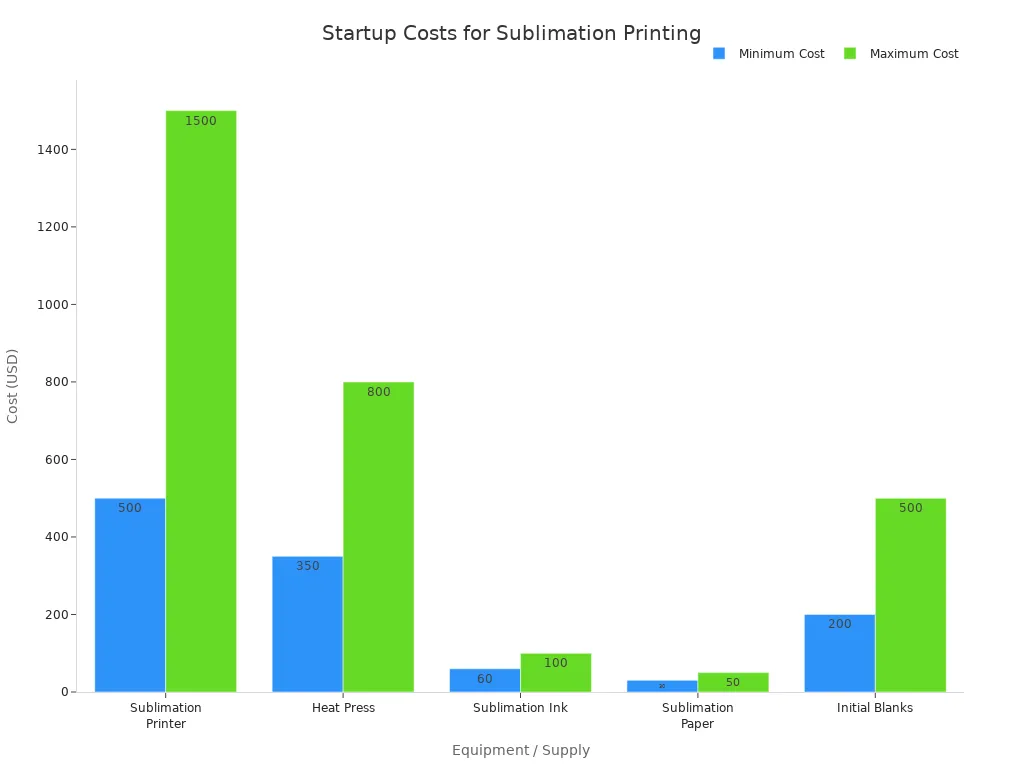
Cost is the primary driver. A dedicated DTF printing system requires a substantial initial investment, typically ranging from $3,500 to $7,000. This price point is a major barrier for many. In contrast, the idea of using dtf film for sublimation printer seems financially attractive. It suggests that a business can achieve DTF-like results by only adding film and powder to an existing sublimation setup. The startup costs for sublimation are comparatively lower.
| Equipment / Supply | Small Business Cost |
|---|---|
| Sublimation Printer | $500 - $1,500 |
| Heat Press | $350 - $800+ |
| Sublimation Ink | $60 - $100 |
| Sublimation Paper | $30 - $50 |
| Initial Blanks | $200 - $500+ |
| Total Estimated Cost | $1,140 - $2,950+ |
This significant cost difference makes any workaround that promises DTF capabilities for a fraction of the price highly appealing.
Access to Cotton and Dark Fabrics
Standard sublimation has clear technical boundaries. It works best on light-colored, 100% polyester fabrics. This method fails on dark garments and cotton materials for specific reasons:
- Sublimation inks are transparent. They cannot show up on dark surfaces.
- The process requires polyester fibers for the ink to bond permanently.
- Cotton and other natural fibers do not react with sublimation dye, resulting in washed-out images.
The promise of using DTF film is that it bypasses these issues, theoretically allowing printers to decorate any color or type of fabric, including popular black cotton t-shirts.
Using Your Existing Sublimation Setup
For businesses that have already invested in sublimation equipment, this method offers a path of least resistance. They already own the most expensive components: the printer and the heat press.
 The idea of leveraging this existing investment to enter the lucrative cotton and dark garment market is incredibly tempting. It presents a seemingly simple upgrade rather than a complete and costly overhaul of their production line.
The Reality: Critical Flaws and Why It Fails
While the appeal of this hybrid method is understandable, its practical application reveals critical flaws. The process fundamentally fails to deliver professional-grade results because it attempts to force two incompatible technologies to work together. The outcome is a product that falls short in every key area of quality garment decoration.
Poor Washability and Zero Durability
The most significant failure of this method is its complete lack of durability. A printed garment must withstand repeated washing. Professional brands adhere to strict testing standards, such as ISO 105-C06:2010, which measures a fabric's colorfastness after laundering. High-quality DTF transfers often endure 50-70 wash cycles before showing minimal wear. Sublimation, when done correctly on polyester, is permanent and outlasts the garment itself.
The sublimation-on-DTF-film method fails this basic test spectacularly.
- First Wash Failure: Prints often crack, fade, or peel away entirely after just one or two washes.
- No Chemical Bond: Sublimation ink is a dye designed to turn into a gas and bond with polyester fibers. It has no mechanism to properly adhere to DTF adhesive powder. The powder may stick to the ink layer, but the ink layer itself has no durable bond to the powder.
- Surface-Level Application: Unlike true sublimation that infuses the fabric, this method creates a fragile layer that sits on top of the garment. This layer lacks the structural integrity to handle the stretching and abrasion of regular wear and washing.
Professional Standard vs. Hybrid Method A professional print's durability is measured in dozens of washes. In contrast, a print made with sublimation ink on DTF film is a temporary decoration. It cannot be considered a sellable product because it fails to meet the minimum quality expectations of any consumer.
Dull, Muted, and Inaccurate Colors
This technique promises vibrant prints on any color fabric, but the reality is disappointing. Colors appear dull, muted, and often completely different from the original design. This happens for two primary reasons.
First, sublimation inks are transparent by nature. They are designed to blend with the white or light-colored polyester fibers beneath them. When pressed onto an opaque DTF film and then onto a colored garment, their transparency works against them. The color of the shirt fabric shows through the transfer, distorting the intended hues. A yellow design on a blue shirt, for example, will appear greenish and muddy.
Second, the chemical mismatch affects color output. The heat required to activate the DTF powder is different from the heat and time needed for sublimation. This improper heating can cause the sublimation dyes to shift in color, resulting in inaccurate and unpredictable results.
| Feature | True DTF | Subli-on-DTF Method |
|---|---|---|
| Ink Type | Opaque Pigment Ink | Transparent Dye Ink |
| Color Base | White Ink Underbase | None |
| Result on Dark Fabric | Vibrant, True-to-File Colors | Dull, Muted, Inaccurate Colors |
The Missing White Ink Underbase
The secret to true DTF's success on dark garments is its use of a white ink underbase. A dedicated DTF printer first lays down a layer of white ink before printing the color (CMYK) layer on top. This white layer is essential and serves multiple critical functions that the dtf film for sublimation printer method cannot replicate.
- Creates Opacity: The white underbase acts as a primer, completely blocking out the color of the garment. This ensures that the colors printed on top remain bright and true to the original design, no matter how dark the fabric is.
- Provides a Bonding Surface: DTF adhesive powder is specifically formulated to adhere to the wet pigment of the white ink layer. This creates a strong, uniform bond that is crucial for a durable transfer. Without it, the powder adheres inconsistently to the sublimation ink, leading to a weak and unreliable transfer.
- Boosts Vibrancy: By providing a bright white foundation, the underbase makes colors pop. It is the key to achieving the high-contrast, retail-quality prints that DTF is known for.
A sublimation printer has no white ink capability. Attempting this process without a white underbase guarantees that the final print will lack the vibrancy, opacity, and durability that define a professional DTF transfer.
Inconsistent and Unreliable Transfers
Combining these flaws results in a process that is fundamentally unreliable. Creators will find that no two transfers are exactly alike. One print might look acceptable, while the next may have areas where the powder did not adhere, the color shifted, or the transfer failed to press correctly.
This inconsistency makes the method unusable for any business context. Fulfilling an order for multiple shirts becomes impossible when quality cannot be guaranteed from one item to the next. The process is more of a craft experiment than a viable production method. It wastes time, materials, and ultimately produces a product that cannot be sold with confidence.
Understanding the "DTF Film for Sublimation Printer" Process
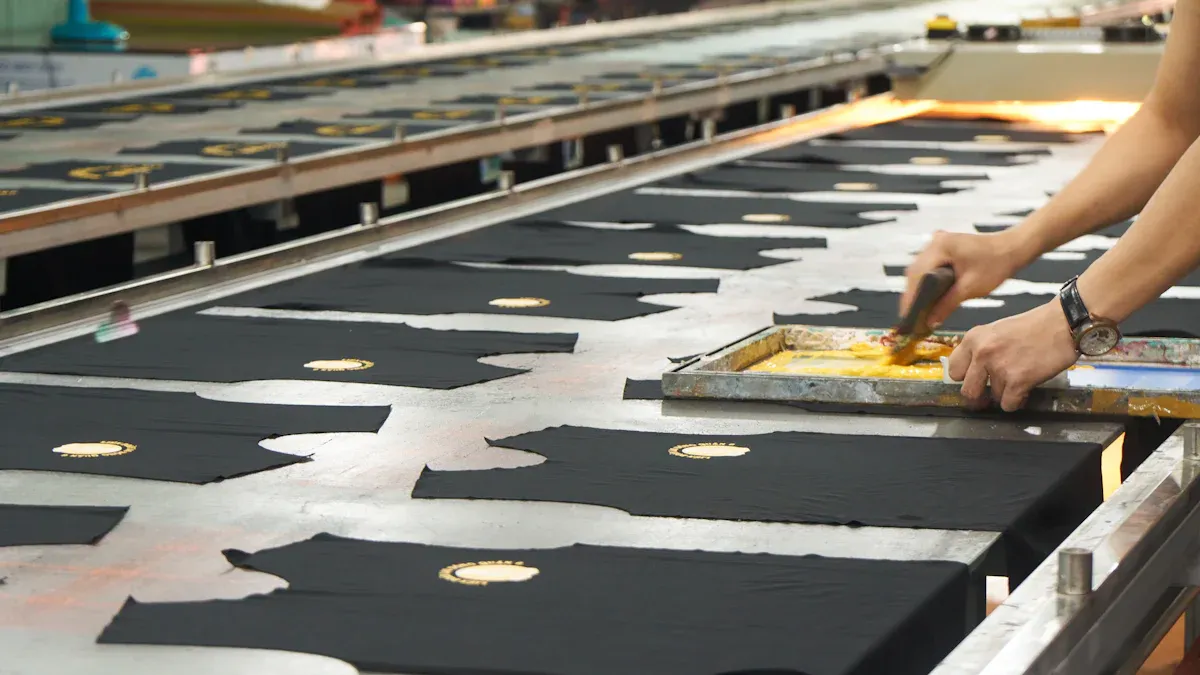
To grasp why this hybrid method fails, one must understand the distinct science behind each technology. Sublimation and DTF are not interchangeable processes; they rely on fundamentally different chemical and physical reactions to create a print.
How Sublimation Ink Works
Sublimation is a dye-infusion process. It uses a special dye-based ink that has a unique property. When heated to temperatures between 375°F and 400°F, the solid ink bypasses a liquid state and turns directly into a gas. This process requires a specific partner: polyester.
The high heat causes the pores of polyester fibers to open. The sublimation gas then penetrates deep into the fiber's molecular structure. As the fabric cools, the pores close, permanently trapping the dye inside.
Key Takeaway: Sublimation does not create a layer on top of the fabric. Instead, the dye becomes a permanent part of the fabric itself, resulting in a print with zero texture and exceptional durability on polyester materials.
How DTF Ink and Powder Work
True Direct-to-Film (DTF) printing uses an entirely different system. It involves opaque, pigment-based inks printed onto a special film. After printing, the wet ink is coated with a thermoplastic polyurethane (TPU) adhesive powder. This powder is the key to the process. It acts as a hot-melt glue that bonds the print to the fabric. The powder is melted in a curing oven or with a heat press at a much lower temperature, typically around 212-250°F. This creates a flexible, stretchable layer that sits on the surface of the garment.
Why the Two Don't Mix
The chemical and thermal incompatibility between these two systems is why the dtf film for sublimation printer method is flawed. The core conflict arises from their opposing mechanisms.
| Feature | Sublimation Process | True DTF Process |
|---|---|---|
| Ink Type | Transparent Dye | Opaque Pigment |
| Bonding | Infuses into fibers | Sits on top of fibers |
| Adhesive | None (bonds with polyester) | TPU Adhesive Powder |
| Heat Needs | High (375-400°F) | Lower (212-250°F) |
Sublimation ink is not designed to bond with the TPU adhesive powder. The ink is a dye meant to become a gas; the powder is a glue meant to melt onto a pigment. When you try to combine them, the sublimation ink has no proper surface to adhere to, leading to a weak, temporary layer that peels and cracks after washing.
Head-to-Head: Subli-on-DTF vs. True DTF vs. Sublimation
A direct comparison reveals the significant performance gaps between these three methods. Understanding these differences is crucial for any creator or business choosing a printing technology.
Durability and Washability
Durability is where the methods diverge most. The hybrid method fails completely, with prints often cracking or peeling after a single wash. In contrast, professional methods offer longevity. True DTF prints can endure 50 to 100 wash cycles before showing wear. Likewise, a proper sublimation print on 100% polyester is permanent, often outlasting the garment itself.
Winner: True DTF and Sublimation (in their correct applications)
Color Vibrancy and Opacity
True DTF excels here, producing vibrant, opaque colors on any fabric, thanks to its white ink underbase. Sublimation creates brilliant, permanent colors but only on white or light-colored polyester. The dtf film for sublimation printer method results in dull, muddy colors because the transparent sublimation ink cannot block the garment's color.
Fabric Compatibility
True DTF offers the greatest versatility. It works on a vast range of materials, including:
- 100% Cotton and Polyester
- Poly-Cotton Blends
- Denim and Canvas
- Nylon and Silk
Sublimation is strictly limited to polyester or high-polyester-count blends. The hybrid method attempts to bridge this gap but produces a non-durable print on cotton.
Cost of Entry
The hybrid method's main appeal is its low cost, as it only adds film and powder to an existing sublimation setup. A standard sublimation system also has a relatively low cost of entry. True DTF requires the highest initial investment for a dedicated printer and curing equipment.
Professional Use Case
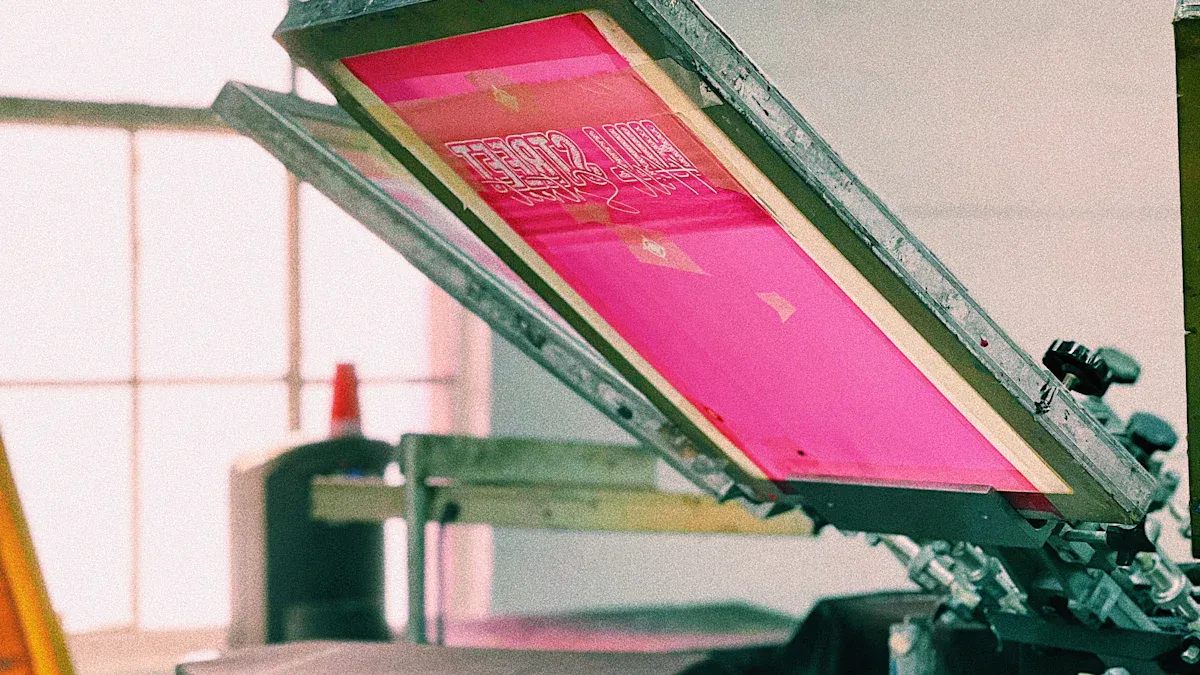
True DTF is the professional choice for custom, full-color designs on diverse fabrics. Sublimation is the standard for sportswear and promotional items made of polyester. For high-volume professional apparel production, however, most businesses turn to screen printing, which offers unmatched durability and cost-effectiveness for large batches. The hybrid method has no professional use case due to its unreliability and poor quality.
The final verdict is clear. This method is a temporary hack, not a professional solution. Businesses should avoid this unreliable process entirely. Low-quality results, like blurry or misaligned prints, signal a lack of professionalism and lead to lost revenue. For durable, vibrant results, one must invest in the correct system.
FAQ
What supplies are needed for this hybrid method?
Creators need a sublimation printer with sublimation ink, DTF film, and DTF adhesive powder. A heat press is also necessary to transfer the design to the garment.
Can businesses sell shirts made this way?
No. This method produces low-quality, non-durable prints that fail after washing. Selling these items would damage a business's reputation and lead to customer dissatisfaction.
What is the best method for printing on cotton?
True DTF printing is the superior choice for vibrant, durable designs on cotton and dark fabrics. Screen printing is another professional option, ideal for large-volume production runs.
See Also
Automatic UV Coaters: Indispensable for Achieving Peak High-Speed Printing Efficiency
Discovering the Best Precoating Materials for Advanced Filtration Systems in 2025
Key Folder Gluer Innovations Shaping Carton Production Lines in 2025
Versatile Nozzle Solutions: A Guide for Diverse Applications and Industries
Cutting-Edge Materials Transforming the Future of Heat Exchanger Manufacturing