DTF Film and Powder A Tale of Three Particle Sizes
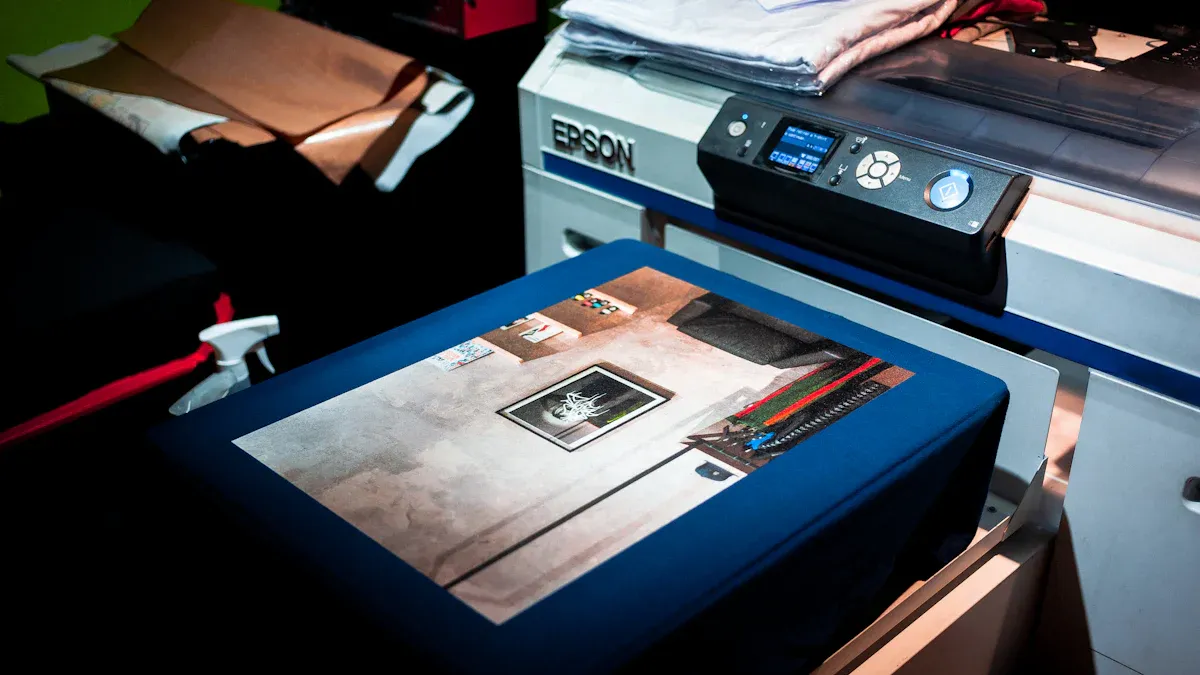
The Direct-to-Film printing industry shows significant growth, reflecting its increasing adoption.
| Metric | Value |
|---|---|
| Global Market Size (2024) | USD 2,720.0 million |
| Projected Market Size (2030) | USD 3,920.0 million |
| CAGR (2025-2030) | 6.0% |
A crucial decision in this process involves the dtf film and powder. The powder's particle size directly influences a print's final detail, feel, and durability. This choice is fundamental for achieving professional-quality results on various fabrics.
Key Takeaways
- DTF powder comes in three sizes: fine, medium, and coarse. Each size changes how your print looks and feels.
- Fine powder makes prints soft and detailed, but it is less strong. Coarse powder makes prints very strong, but it loses detail and feels stiff.
- Medium powder is a good choice for most projects. It balances detail, feel, and strength for everyday printing needs.
Fine Powder (80-170 Microns): For Ultimate Detail and Softness
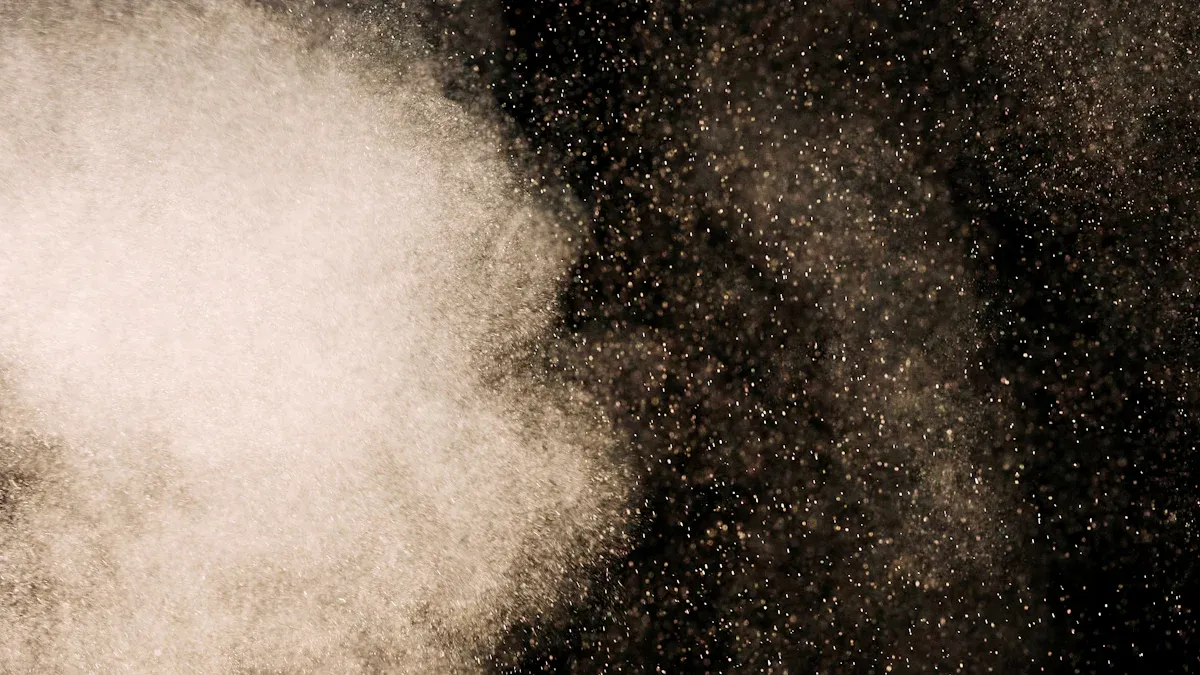
Fine DTF powder is the specialist's choice for designs demanding precision and a premium feel. Its tiny particles, measuring between 80 and 170 microns, can adhere to the most delicate lines and intricate patterns. This makes it the ideal adhesive for high-detail graphics where clarity is paramount. The result is a print that feels exceptionally soft and flexible on the garment.
Pros of Fine Powder
The primary advantage of fine powder lies in its ability to produce sharp, detailed transfers. The small particle size ensures complete coverage on complex artwork without obscuring fine elements. Industry experts specifically recommend it for projects involving:
- Intricate, complex designs
- Small text and fine details
This powder also creates a superior "hand feel," as the minimal adhesive layer integrates smoothly into the fabric. The final print feels less like a plastic sheet and more like part of the garment itself.
💡 Pro Tip: Achieving Optimal Adhesion To properly melt fine powder, printers should cure the film at a temperature between 320-350°F (150-177°C) for 30-60 seconds. These settings ensure the adhesive melts evenly for excellent durability and vibrant color expression.
Cons of Fine Powder
The delicate nature of fine powder also presents challenges. Its low particle weight makes it susceptible to environmental factors and handling errors. Printers may encounter several common issues:
- Excess Powder Application: Fine particles can cling to the film due to static, causing unwanted specks on the final print.
- Powder Clumping: High humidity can cause the powder to clump together, preventing even distribution and creating blotchy transfers. Storing it in an airtight container is crucial.
- Adhesive Leaking: On some fabrics, an over-application of fine powder can melt through the garment's weave, leaving undesirable marks on the inside.
Additionally, its bonding strength is lower than that of coarser powders, making it less suitable for heavy-duty workwear or highly textured fabrics like canvas.
Medium Powder (100-200 Microns): The Versatile All-Rounder
Medium DTF powder is the industry's workhorse, striking a crucial balance between the specialized attributes of fine and coarse powders. With a particle size of 100-200 microns, it provides a reliable solution for the majority of DTF printing jobs. This powder offers good detail retention while ensuring a strong, durable bond. Its versatility makes it the default choice for print shops handling diverse orders and fabrics. It is less susceptible to static and clumping than fine powder, simplifying the application process for operators.
Pros of Medium Powder
The greatest strength of medium powder is its adaptability. It performs consistently across a wide spectrum of applications, delivering dependable results without extensive adjustments. The particle size is large enough to create a robust adhesive layer yet small enough to avoid a heavy, plastic-like feel. This balance makes it an excellent choice for many common projects. Its strong bond is particularly effective for:
- Cotton and other common materials
- Workwear requiring high wash resistance
- Designs with large solid areas of color
- Heavier fabric textures where fine powder may not bond sufficiently
This powder provides a durable print with a pleasant hand feel, making it a cost-effective and reliable option for everyday production.
Cons of Medium Powder
The jack-of-all-trades nature of medium powder means it is a master of none. It represents a compromise. While it handles detail well, it cannot replicate the razor-sharp precision of fine powder on highly intricate artwork. The final print will have a slightly more substantial feel on the garment compared to one made with fine powder.
Note: For projects demanding the absolute highest durability, such as industrial uniforms or items subjected to extreme abrasion, coarse powder remains the superior choice. Medium powder offers excellent washability for general use but may not withstand the most rigorous conditions.
Coarse Powder (150-250 Microns): The Durability Champion
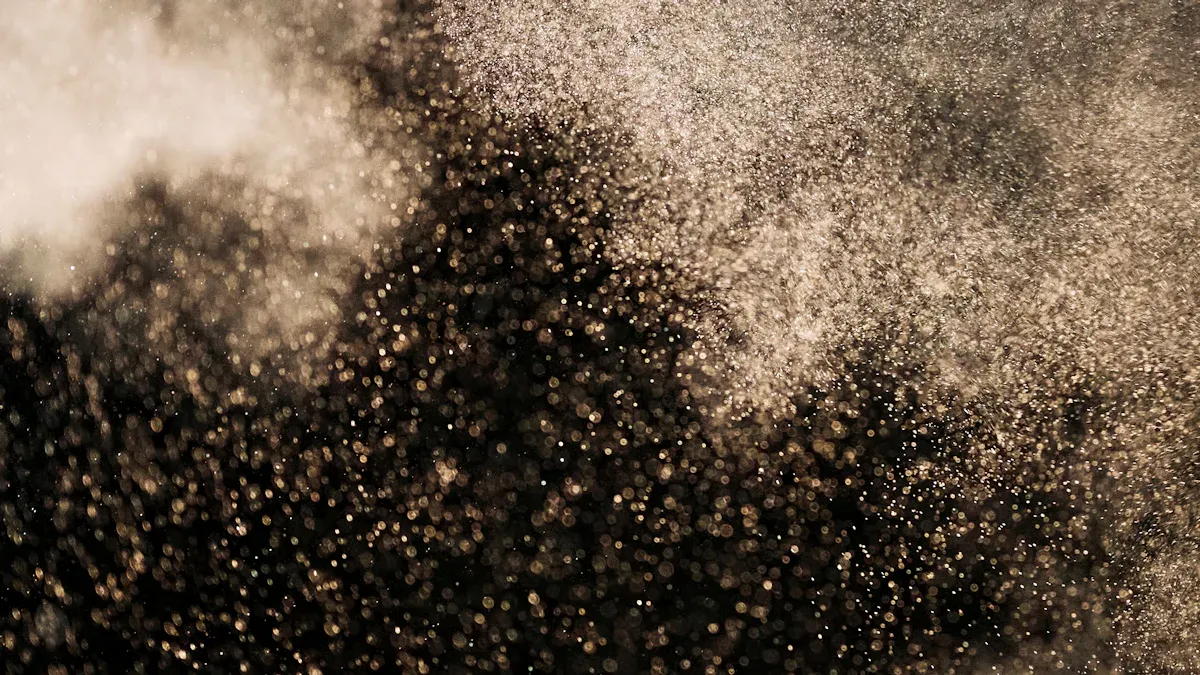
Coarse DTF powder is engineered for maximum strength and resilience. Its large particles, ranging from 150 to 250 microns, create the thickest adhesive layer of the three types. This robust bond makes it the undisputed champion for applications demanding extreme durability. Printers choose coarse powder when a print must withstand harsh conditions, heavy use, and frequent, aggressive washing cycles. It is the go-to solution for industrial apparel and rugged textiles.
Pros of Coarse Powder
The primary advantage of coarse powder is its exceptional bonding strength. The larger granules melt into a thick, powerful adhesive film that anchors securely to challenging fabric surfaces. This quality provides superior coverage and reduces powder waste on materials with a deep or uneven texture. Its reliable viscosity ensures the adhesive does not get lost in the fabric's weave, creating a solid foundation for the ink.
The table below outlines the ideal use cases for coarse powder in industrial and heavy-duty applications.
| Feature | Description |
|---|---|
| Particle Size | 150–250μm |
| Suitable Fabrics | Heavy or coarse textiles like denim, canvas, linen |
| Key Features | Strong adhesion, superior coverage, reduced waste on thick fabrics, reliable viscosity on textured surfaces |
| Applications | Denim jackets, workwear, canvas bags, linen products, industrial textiles |
| Best Use Case | Durable prints on coarse materials prone to peeling or poor adhesion with standard powders |
Cons of Coarse Powder
The trade-off for this durability is a significant loss of detail and softness. The large particle size prevents the powder from adhering to fine lines or small text, often resulting in a blurry or "sandy" edge on intricate designs. The final transfer has a very heavy and stiff hand feel, which is often undesirable for retail or fashion apparel.
⚠️ Caution: Not for Detailed Artwork Avoid using coarse powder for photorealistic images or designs with delicate elements. The particle size will bridge small gaps in the artwork, causing a loss of sharpness and clarity in the final print.
Comparing DTF Film and Powder Performance by Particle Size
The choice of powder particle size creates a direct trade-off between print detail, feel, and durability. Understanding how each powder type performs in these key areas allows a printer to optimize every project for professional-grade results. This comparison breaks down the performance of fine, medium, and coarse powders across the three most important metrics.
Detail and Sharpness
The particle size of the DTF powder directly governs the level of detail a transfer can achieve. Smaller particles can adhere to finer lines and smaller ink dots, preserving the sharpness of the original design.
- Fine Powder (80-170 Microns): This powder excels at reproducing intricate artwork. Its tiny granules cover delicate elements without "bridging" the gaps between them. This results in razor-sharp text and crisp lines, making it the best choice for photorealistic images and complex graphics.
- Medium Powder (100-200 Microns): This powder offers a good balance. It retains a high level of detail suitable for most standard designs, including logos and bold text. It may, however, slightly soften the edges of extremely fine elements compared to fine powder.
- Coarse Powder (150-250 Microns): This powder sacrifices detail for strength. The large particles cannot settle into small, negative spaces within a design. This causes a loss of sharpness, and fine lines or small text may become blurry or disappear entirely.
💡 Professional Insight For designs with both large solid areas and fine details, some advanced printers use a "salt and pepper" technique. They apply a light base of fine powder first, followed by a light dusting of medium or coarse powder to combine detail with durability.
Hand Feel and Flexibility
"Hand feel" describes how the print feels on the surface of the garment. The thickness of the melted adhesive layer is the primary factor influencing this characteristic. A thicker layer results in a stiffer, heavier print, while a thinner layer feels softer and more flexible. The interaction between the dtf film and powder determines this final thickness.
The following table illustrates how granule size impacts the final transfer's properties.
| Powder Granule Size | Opacity | Hand Feel | Adhesion | Implied Thickness |
|---|---|---|---|---|
| Fine | Not as opaque | Soft | Does not adhere well to some materials | Thinner |
| Medium | Opaque | Soft | Better adhesion, versatile | Optimal |
| Coarse | Very heavy, thick, and weighted | N/A | N/A | Thicker |
Fine powder creates the thinnest adhesive layer, resulting in a transfer that feels exceptionally soft and integrates into the fabric's weave. Coarse powder produces a noticeably thick and rigid print, which is often acceptable for workwear but not for fashion apparel. Medium powder provides an optimal middle ground, offering a durable print with a soft feel that satisfies most customers.
Durability and Wash Resistance
Durability measures a print's ability to withstand washing, stretching, and abrasion. While most quality DTF powders offer excellent wash resistance, the particle size is the key variable for abrasion and wear resistance. A thicker adhesive layer created by larger particles forms a stronger mechanical bond with the fabric fibers.
Coarse powder is the clear winner for applications requiring maximum toughness. Its strong adhesion makes it highly resistant to peeling and abrasion, perfect for heavy-duty fabrics. While both black and white DTF powders generally show similar wash resistance, coarser powders (often available in black for sportswear) are specifically formulated for high-strength applications on fabrics like denim and canvas. The combination of dtf film and powder must be selected to match the garment's intended use.
This table summarizes the relationship between powder type and wear resistance.
| Powder Type | Adhesion | Wear Resistance | Suitable Fabrics |
|---|---|---|---|
| Coarse | Strong | High | Thicker, heavy-duty (denim, sportswear, workwear) |
| Medium | Good | Good | Most regular applications (cotton, poly-blends) |
| Fine | Standard | Moderate | Delicate designs, lightweight fabrics |
Ultimately, fine powder is best for items that will be washed gently, while coarse powder is built to endure industrial laundering and harsh physical stress. Medium powder provides reliable durability for the vast majority of everyday garments.
Matching Powder Size to Your Project
Selecting the correct powder is not just a technical choice; it is a strategic decision that aligns the adhesive's properties with the fabric's characteristics and the design's complexity. Mismatching the powder and fabric can lead to weak bonding, rough print edges, or a stiff final product. This guide breaks down which powder to use for every type of project.
Best for Lightweight Fabrics
Lightweight and delicate fabrics require a powder that provides strong adhesion without overwhelming the material. Fine powder (0-80 microns) is the superior choice for these applications. Its small particles create a thin, uniform adhesive layer that preserves the fabric's natural drape and soft feel.
Printers should use fine powder for materials such as:
- Lightweight cotton and bamboo fiber
- Silk and satin blends
- Rayon and other delicate synthetics
The smaller granules prevent issues like frayed edges and glue bleeding through the fabric's weave. Using a coarser powder on these materials would result in a stiff, heavy print that feels unnatural and uncomfortable.
⚠️ Caution: Heat Sensitivity The DTF process uses high heat. Delicate fabrics like 100% rayon can warp, and materials like silk have slippery surfaces that require careful handling. Printers must test their heat press settings on scrap material to avoid shrinking or burning the garment.
Best for General Use and Cotton Blends
For the widest range of everyday printing jobs, medium powder (80-170 microns) is the industry standard. It offers a reliable balance of detail, durability, and hand feel, making it a versatile workhorse for print shops. It performs exceptionally well on the most common apparel items.
The following table shows how powder choice aligns with design needs for general applications.
| Design Complexity | Recommended DTF Powder Size |
|---|---|
| Fine details | Finer powders (0-80 microns) |
| Most needs (versatile) | Medium-sized powders (around 80-170 microns) |
For a standard 50/50 cotton-poly blend, printers can achieve excellent results with specific press settings. Pre-pressing the garment removes moisture and creates a smooth surface for the transfer.
| Setting | Value |
|---|---|
| Temperature | 300-310°F (149-154°C) |
| Time | 12-17 seconds |
| Pressure | Medium (40 PSI) |
| Peel | Cold recommended |
| Pre-press | 300°F for 5 seconds |
For performance wear like polyester and spandex, a specialized stretchable powder is recommended. This powder maintains strong adhesion even after repeated stretching, which prevents the print from cracking or flaking. It ensures maximum elasticity, making it perfect for gym apparel and athletic uniforms.
Best for Heavy and Textured Garments
Heavy and textured garments demand an adhesive with maximum bonding strength. Coarse powder (150-250 microns) is engineered specifically for this purpose. Its large particles melt into a thick adhesive layer that effectively fills the deep textures and large fiber gaps found in rugged materials.
This powder is the ideal solution for:
- Denim jackets and jeans
- Heavy canvas bags and aprons
- Thick fleece and workwear
- Cotton-linen blends
The robust bond created by coarse powder ensures the print remains firmly attached, preventing peeling even under harsh conditions. Some manufacturers offer "MAX Adhesion" powders designed to guarantee a durable bond on the most challenging fabrics. Using a finer powder on these surfaces would likely result in poor adhesion, as the smaller particles would get lost in the fabric's texture instead of creating a solid adhesive foundation.
Printers must weigh the core trade-off between detail and durability. Fine powder excels in softness, while coarse powder ensures maximum strength. Medium powder offers a reliable balance for most jobs. Selecting the right dtf film and powder depends entirely on the garment and design requirements, not a one-size-fits-all approach.
💡 Final Tip: Always test different powders on scrap fabric. This practice helps printers understand how each performs with their specific equipment and perfects the final results.
FAQ
Can printers mix different DTF powder sizes?
Yes, some advanced printers mix powders. This "salt and pepper" technique combines fine powder for detail with coarser powder for durability, but it requires skill to apply evenly.
Which powder is best for beginners?
Medium powder (100-200 microns) is ideal for beginners. It provides a forgiving balance of detail and durability, making it versatile for most projects and easier to handle than fine powder.
Does powder color affect performance?
Powder color generally does not impact performance. Black powder helps hide adhesive on dark garments, but its bonding properties are typically identical to those of standard white powder.
See Also
Best Precoating Materials for Advanced Filtration Systems: A 2025 Outlook
Ampoule Filling Lines: A Comprehensive Comparison of Leading Manufacturers
Tablet Sampling Machines: The Essential Guide for Laboratory Equipment Selection
WT20 Thoriated Tungsten Electrodes: Enhancing TIG Welding Performance and Quality
Capsule Sorters: Essential Technology for Effective Defect Removal and Quality