Dry Scroll Vacuum Pump Makes Oil-Free Labs Possible in 2026

When you use a Dry Scroll Vacuum Pump, you keep your lab free from oil contamination. You do not have to worry about oil changes, filters, or messy disposal procedures. You save money on maintenance because these pumps can run for thousands of hours without service.
- You avoid downtime and lower your operating costs.
- You make your lab cleaner, safer, and more efficient.
Key Takeaways
- Switching to a Dry Scroll Vacuum Pump keeps your lab free from oil contamination, ensuring cleaner air and safer experiments.
- These pumps require minimal maintenance, saving you time and money on upkeep compared to oil-based systems.
- Using oil-free technology helps you meet environmental regulations, making your lab more sustainable and eco-friendly.
- Dry Scroll Vacuum Pumps improve lab safety by reducing contamination risks and supporting stable operation of connected systems.
- By 2026, oil-free labs will become the standard, enhancing reliability and efficiency in laboratory operations.
Dry Scroll Vacuum Pump: Solving Oil-Based Pump Problems
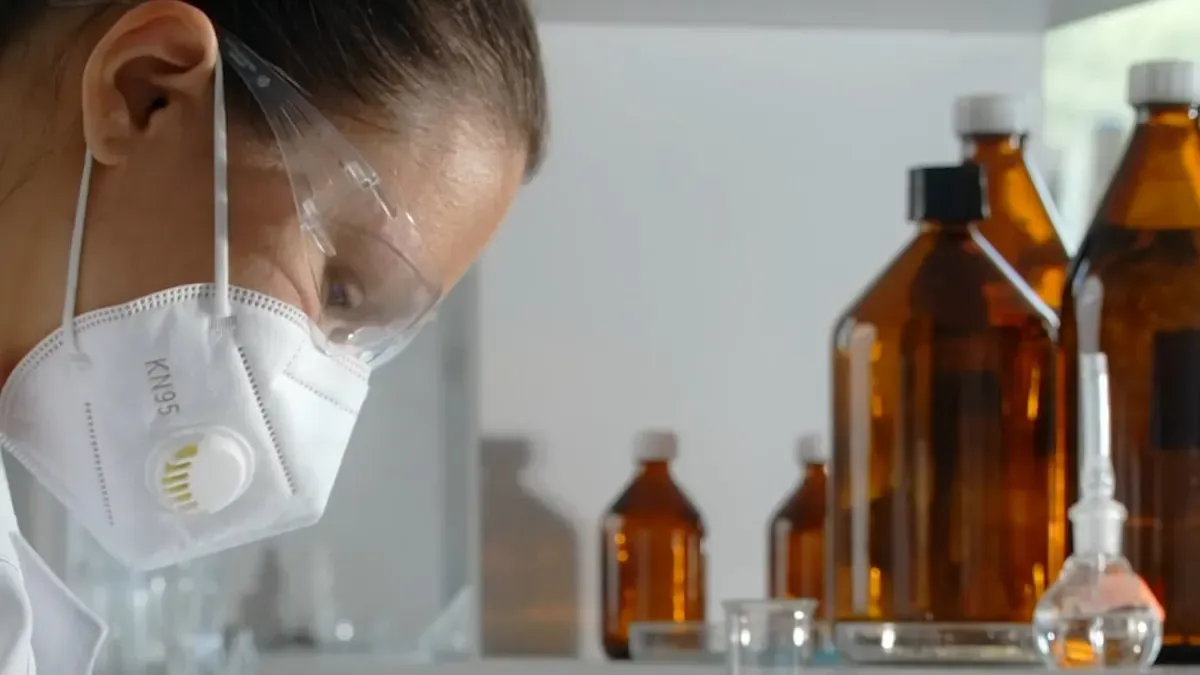
Oil Contamination Risks in Labs
You face many risks when you use oil-based vacuum pumps in your lab. Oil mist can escape from the exhaust and enter the air. This mist creates a health hazard for you and your coworkers. Oil-based pumps can also become contaminated by vapors that condense inside the pump. If you do not use a safety vessel, liquids may get sucked into the pump and cause damage. These problems make your lab less safe and less clean.
- Oil mist from exhaust can harm your health.
- Vapors can contaminate the pump and your experiments.
- Liquids may enter the pump and cause costly repairs.
When you switch to a Dry Scroll Vacuum Pump, you remove these risks. The oil-free design keeps your air clean and protects your equipment. You do not have to worry about oil mist or contamination.
Maintenance and Downtime Challenges
Oil-based pumps require frequent maintenance. You must change the oil, replace filters, and clean up spills. These tasks take time and can interrupt your work. If you do not maintain the pump, it may break down and cause even more downtime. You spend money on parts and labor, and you lose valuable lab time.
You can avoid these challenges with a Dry Scroll Vacuum Pump. The oil-free mechanism means you do not need to change oil or clean up spills. You save time and keep your lab running smoothly. You can focus on your experiments instead of pump maintenance.
Environmental and Safety Issues
Oil-based vacuum pumps create environmental hazards. When you use toxic or volatile substances, the oil can become contaminated. You must treat this oil as hazardous waste. Improper disposal can pollute water and soil. If you do not vent the pump correctly, harmful vapors may escape into your lab.
- Contaminated oil must be handled as chemical waste.
- Improper disposal can harm the environment.
- Poor venting can release dangerous vapors.
A Dry Scroll Vacuum Pump helps you protect the environment and your lab. You do not produce contaminated oil, so you avoid waste problems. You keep your lab air clean and safe for everyone.
How Dry Scroll Vacuum Pump Technology Works
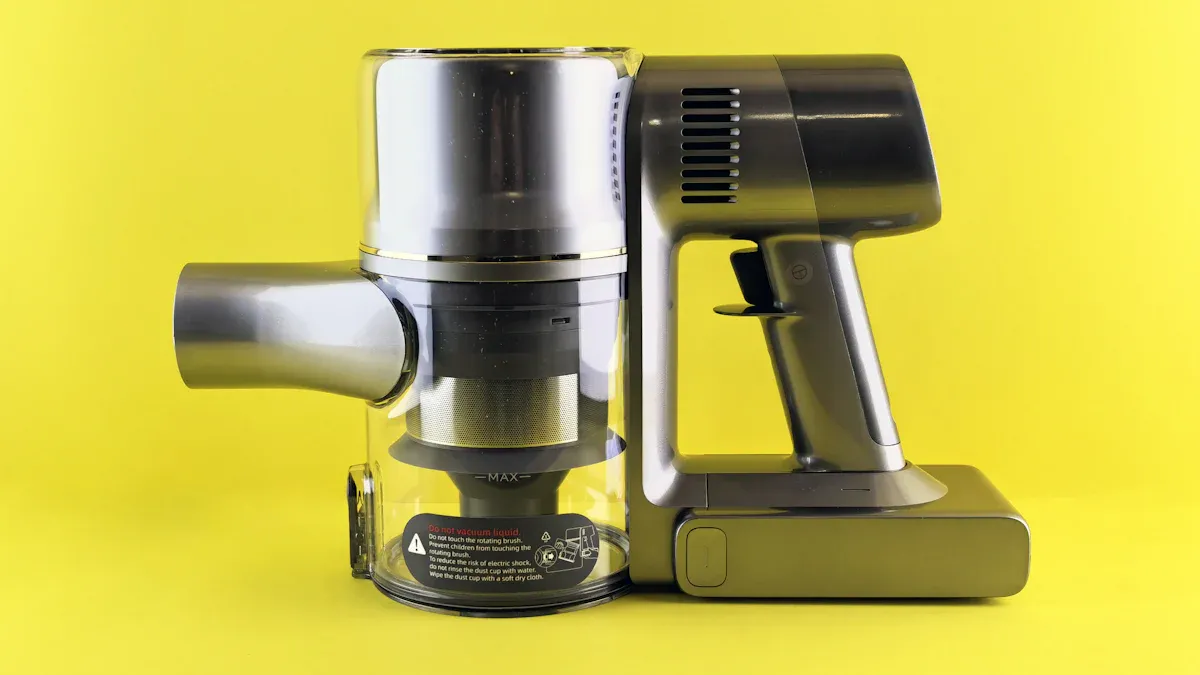
Oil-Free Mechanism Overview
You see a Dry Scroll Vacuum Pump working without oil because of its unique design. The pump uses two scrolls—one fixed and one moving. These scrolls interact to create pockets of air. As the moving scroll rotates, it traps gas and compresses it. The pump then releases the gas through an exhaust. This process does not require oil or water. You get clean suction, compression, and discharge of gas. The oil-free operation keeps your lab free from contamination and makes maintenance easier.
You can rely on this technology to deliver a stable vacuum without the risks that come from oil-based systems. The scroll mechanism ensures that you do not need to worry about oil leaks or mist.
Key Features Preventing Oil Issues
You benefit from several features that make the Dry Scroll Vacuum Pump ideal for oil-free labs. These features help you avoid contamination and reduce maintenance.
- The oil-free technology removes the risk of oil contamination in your vacuum system.
- You do not need to check or change oil, which lowers your operational costs.
- The hermetic design keeps the motor and bearings isolated from the vacuum path. This improves cleanliness and extends the life of the pump.
- The sealed scroll mechanism provides an oil-free process path. You spend less time on maintenance and keep your lab cleaner.
- The maintenance-free design eliminates the need for lubricating oil. You save money and time.
- The small gap and low leakage design gives you a high compression ratio and stable pumping speed. You get reliable performance across a wide pressure range.
- The pump can remove condensable gases without contaminating the vacuum chamber. Your experiments stay accurate and your equipment stays safe.
- The high compression ratio and stable pumping speed ensure efficient operation and minimize oil leakage.
You also notice that design improvements make the pump reliable for long-term use in labs. Here is a table showing how these features contribute to reliability:
| Feature | Contribution to Reliability |
|---|---|
| Energy Efficiency | Reduces operational costs and enhances sustainability. |
| Low Noise and Vibration | Minimizes disturbances in sensitive laboratory environments. |
| Enhanced Operational Controls | Improves performance consistency and reduces wear-and-tear. |
You can use the Dry Scroll Vacuum Pump in many applications, such as electron microscopes, nanomaterials processing, and mass spectrometry. The low power consumption helps you save on electrical costs. The pump’s quiet operation keeps your lab environment comfortable.
You get a vacuum solution that is clean, reliable, and easy to maintain. The advanced scroll mechanism and smart features make your lab safer and more efficient.
Laboratory Benefits of Dry Scroll Vacuum Pump
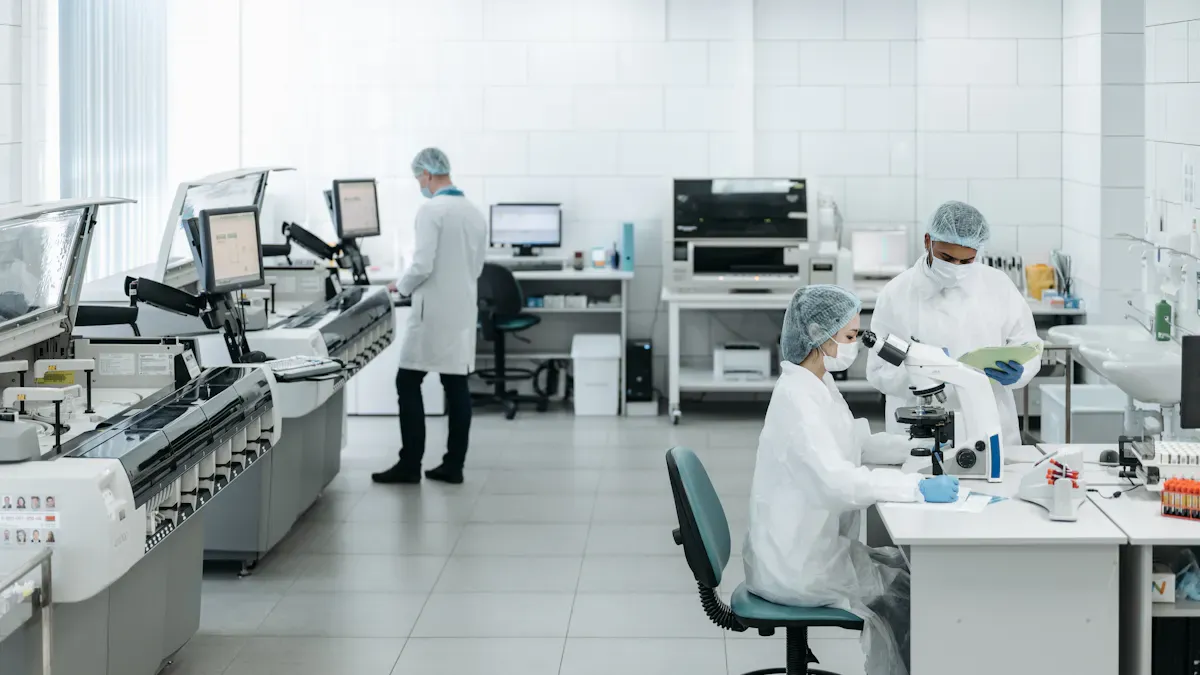
Eliminating Oil Contamination
You can keep your lab free from oil contamination when you use a Dry Scroll Vacuum Pump. This pump does not use oil, so you remove the risk of oil mist or spills. You protect your samples and equipment from unwanted residue. You also avoid the hassle of cleaning up after leaks.
- Dry scroll pumps do not use oil, which directly eliminates the risk of oil contamination in laboratory applications.
- You require minimal maintenance, reducing the operational burden on laboratory staff.
- These pumps are energy efficient, making them a cost-effective choice for continuous use in labs.
You create a cleaner environment for your experiments. You do not worry about oil affecting your results or damaging sensitive instruments.
Lower Maintenance and Operating Costs
You save money and time when you switch to a Dry Scroll Vacuum Pump. Oil-based pumps need regular oil changes and filter replacements. You spend hours maintaining them and pay for extra supplies. Dry scroll pumps run for thousands of hours with little attention. You avoid costly downtime and keep your lab working smoothly. Over five years, you see lower operating costs because you do not need frequent maintenance. You focus on your research instead of fixing equipment.
You can trust this pump to deliver reliable performance without the extra expenses that come from oil-based systems.
Enhanced Lab Safety and Compliance
You improve lab safety when you choose a Dry Scroll Vacuum Pump. Oil-free technology prevents contamination of samples and keeps your workspace clean. You reduce maintenance needs and avoid operational disruptions. You support stable operation of connected systems, which improves overall safety.
| Safety Improvement | Description |
|---|---|
| Reduced Contamination Risks | Oil-free technology prevents contamination of samples, ensuring cleaner laboratory conditions. |
| Lower Maintenance Requirements | Simplified maintenance leads to less downtime and operational disruptions. |
| Enhanced Operational Stability | Reliable performance supports stable operation of connected systems, improving overall safety. |
You also meet regulatory standards for air quality and chemical safety. This pump supports applications in semiconductor research, nanotechnology, high-resolution microscopy, and pharmaceutical R&D. You achieve high vacuum levels, low vibration, and energy efficiency, which helps you comply with strict lab requirements.
Dry Scroll Vacuum Pump in 2026: Real-World Impact
Case Studies of Oil-Free Labs
You can see how labs around the world have changed by using oil-free vacuum technology. In 2026, many research centers and production facilities have switched to clean, oil-free systems. For example, a pharmaceutical lab in Germany replaced all oil-based pumps with dry scroll models. The team noticed that their samples stayed pure, and they did not have to worry about oil back-streaming. In Japan, a semiconductor company improved its product quality by removing oil contamination risks. The staff found that maintenance became easier, and they saved money on waste disposal.
You also find that labs in the United States and China have adopted these pumps to meet strict environmental rules. They now enjoy cleaner air and safer workspaces. These real-world examples show that you can trust this technology to protect your results and your team.
Future-Proofing Laboratory Operations
You want your lab to stay ready for the future. Many labs now choose dry scroll vacuum pump technology because it supports clean and reliable operation. You avoid contamination, which is important in fields like biotechnology and pharmaceuticals. You also meet new environmental standards and help your lab become more sustainable.
Here are some ways labs prepare for future needs:
- You use pumps that do not release oil or harmful vapors.
- You follow strict environmental rules and keep your lab eco-friendly.
- You connect pumps to digital systems for better control and automation.
- You improve efficiency and make your results more reliable.
You can see that the market for oil-free vacuum pumps is growing fast. The table below shows some trends:
| Trend | Description |
|---|---|
| Market Growth | The Oil Free Vacuum Pumps market is growing in many industries. |
| Environmental Rules | New regulations push labs to use oil-free technology. |
| Key Segments | Rotary vane, diaphragm, and scroll pumps serve many different applications. |
Labs in North America, Europe, and Asia-Pacific are leading this change. You can join them and make your lab ready for tomorrow by choosing the Dry Scroll Vacuum Pump.
You can make your lab safer and cleaner by choosing a Dry Scroll Vacuum Pump. Many labs now switch to oil-free pumps because they reduce contamination, save energy, and help you meet strict regulations.
- You lower maintenance costs and protect the environment.
- You support new trends like automation and green technology.
| Benefit | Impact on Your Lab |
|---|---|
| Oil-Free Operation | Cleaner experiments and equipment |
| Energy Efficiency | Lower utility bills |
| Regulatory Compliance | Easier audits and approvals |
By 2026, you will see oil-free labs become the standard for safety and reliability.
FAQ

What makes the EVP EDS Series Dry Scroll Vacuum Pump oil-free?
You get oil-free operation because the pump uses two scrolls to compress air. This design does not need oil or water. You avoid contamination and keep your lab clean.
How often do you need to maintain a dry scroll vacuum pump?
You perform maintenance much less often than with oil-based pumps. Most users check the pump every few thousand hours. You do not need to change oil or filters.
Can you use the EDS Series for sensitive experiments?
Yes, you can. The EDS Series keeps your experiments safe from oil mist and residue. You protect your samples and equipment from contamination.
What industries benefit most from dry scroll vacuum pumps?
You see these pumps in labs, semiconductor manufacturing, medical equipment, and solar energy. They work well in any place that needs clean, reliable vacuum without oil.
See Also
Explore 5 Effective Methods for Utilizing Rotary Vane Vacuum Pumps
Best Precoating Options for Filtration Systems in 2025
Understanding Rotary Vane Vacuum Pumps and Their Functionality
6 Essential Industrial Vacuum Cleaners for Every Business
Understanding Nozzle Solutions for Gardeners and Bioprinters