Dried bean inspection never miss these warning signs
Dried bean inspection helps prevent serious health issues. Spoiled beans may show color changes, mold, or odd smells. Shriveled, sticky, or powdery beans often signal contamination. Consuming these beans can cause food poisoning, nausea, vomiting, or diarrhea due to harmful bacteria and mycotoxins. Always inspect beans before cooking.
Dried bean inspection: Visual warning signs

Color changes
Color serves as one of the most immediate indicators of dried bean quality. Healthy beans display a consistent, vibrant color that matches their variety. Discoloration, such as dark spots, yellowing, or uneven patches, often signals age or exposure to moisture. Beans that appear faded or blotchy may have lost nutrients or suffered from improper storage. During dried bean inspection, individuals should compare the beans to their expected color. Any significant deviation suggests a decline in quality and potential spoilage.
Tip: Always inspect beans under natural light for the most accurate color assessment.
Mold or fuzz
Mold growth on dried beans presents a serious concern. The most common type, white mold, results from the fungus Sclerotinia sclerotiorum. This fungus causes wet, soft spots that can turn into a rotten mass covered by a white, fuzzy growth. In agricultural regions like western Nebraska and Colorado, white mold leads to substantial crop losses, sometimes exceeding 65% in affected fields. While the primary risk involves crop yield, the presence of mold on dried beans in the kitchen signals contamination. Moldy beans may carry harmful microorganisms and should never be consumed.
A simple table can help identify mold characteristics:
| Mold Feature | Description |
|---|---|
| Color | White, gray, or green |
| Texture | Fuzzy or powdery patches |
| Odor | Musty or earthy smell |
Insect damage
Insects often target dried beans during storage. Signs of insect damage include small holes, webbing, or the presence of dead insects within the packaging. Beans with visible boreholes or chewed edges have likely suffered from weevil or beetle infestations. These pests not only reduce the quality of the beans but also introduce contaminants. Dried bean inspection should always include a close look for these warning signs. Beans with insect damage should be discarded to prevent further infestation.
Shriveled or broken beans
The texture and shape of dried beans reveal much about their condition. High-quality beans appear plump and smooth. Shriveled beans indicate dehydration or age, while broken beans suggest rough handling or poor storage. Excessive numbers of split or fragmented beans can affect cooking results and signal a lack of freshness. During dried bean inspection, individuals should separate out any beans that look shriveled, cracked, or otherwise damaged. Consistent quality ensures even cooking and better taste.
Dried bean inspection: Smell test
A thorough dried bean inspection involves more than just visual cues. The sense of smell provides critical information about the safety and quality of dried beans. Food safety experts emphasize that certain odors serve as reliable indicators of spoilage. Individuals should always take a moment to smell dried beans before cooking or soaking.
Off or sour odors
Unpleasant or abnormal odors often signal that dried beans have spoiled. These smells may include rancid, cheesy, vinegary, or even putrid notes. Such odors result from bacterial fermentation or advanced decomposition. When a person detects any of these scents, they should avoid using the beans. The following table summarizes the most common olfactory warning signs:
| Smell Type | Description |
|---|---|
| Rancid or "off" | A general smell of spoilage that is simply not right for the product. |
| Cheesy or vinegary | Sharp, fermented, or cheesy aroma produced by some bacterial fermentation. |
| Putrid or foul | A smell akin to rotting meat or garbage, indicating significant spoilage. |
Tip: If a bag of dried beans releases a sharp, sour, or rotten odor upon opening, discard the contents immediately. These odors often indicate the presence of harmful bacteria or toxins.
Musty or chemical smells
Musty or chemical-like odors also raise red flags during dried bean inspection. These smells often result from mold growth or chemical contamination. Compounds such as (−)-geosmin produce moldy or beetroot-like odors, while 3-methyl-1H-indole can create fecal or mothball scents. The table below lists several chemical compounds associated with these off-putting smells:
| Compound Name | Associated Odor |
|---|---|
| (−)-geosmin | Moldy and beetroot odors |
| 3-methyl-1H-indole | Fecal and mothball odors |
| 4-methoxy-2,5-dimethylfuran-3(2H)-one | N/A |
| 1H-indole | N/A |
A musty aroma often points to improper storage or moisture exposure. Chemical odors may suggest contamination from packaging or environmental pollutants. Both types of smells indicate that the beans are unsafe for consumption.
Note: Always trust your nose. If dried beans emit any musty, chemical, or otherwise unnatural scent, err on the side of caution and dispose of them.
Dried bean inspection: Touch and texture clues
Excessive hardness
Texture plays a crucial role in dried bean inspection. When beans feel excessively hard, this often signals age or improper storage. Dried beans usually have a shelf life of 12 to 18 months. As beans age, their ability to absorb water decreases. The natural oils inside the beans break down, which causes the seed coat to become impermeable. Older beans may remain tough and fail to soften during cooking, even after extended boiling. This change in texture makes them unsuitable for recipes and can lead to disappointing results in the kitchen.
Tip: Always test a few beans by pressing them between your fingers. If they feel rock-hard or brittle, consider replacing the batch.
Powdery residue
A powdery residue on dried beans often points to mold growth or spoilage. During dried bean inspection, individuals should check for any dust or powder on the surface of the beans or inside the packaging. The following table outlines common conditions associated with powdery residue:
| Bean Condition | Description |
|---|---|
| Mouldy | Presence of dark blue exterior molds in damaged areas; yellow to black interior molds in kidney beans. |
| Grading Criteria | Beans with over 1.0% of moldy content or musty odor are classified as 'Heated' or 'Mouldy Kernels'. |
Powdery beans may also emit a musty odor, which further confirms spoilage. Discard any beans that show these signs to prevent health risks.
Sticky or damp beans
Sticky or damp beans indicate moisture exposure, which creates an ideal environment for mold and bacteria. High-quality dried beans should feel dry and smooth to the touch. If beans stick together or feel moist, contamination has likely occurred. Moisture can enter through damaged packaging or improper storage conditions. Consuming sticky or damp beans increases the risk of foodborne illness. Always store beans in airtight containers in a cool, dry place to maintain their quality.
Dried bean inspection: Packaging and storage clues
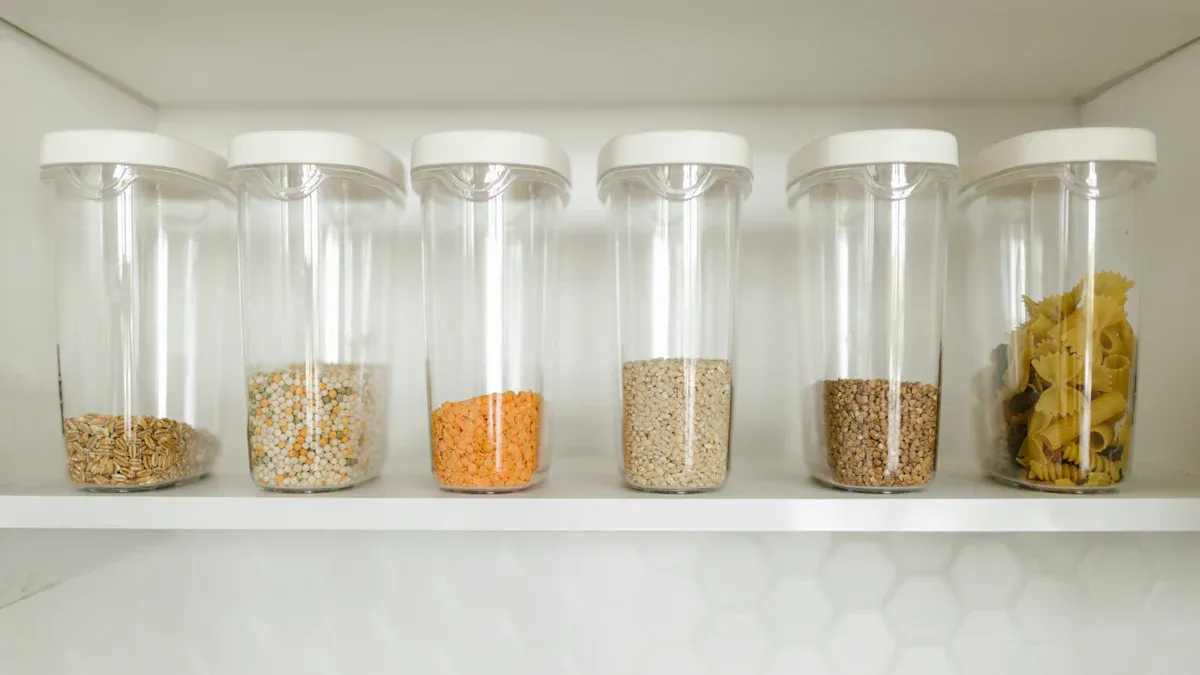
Damaged packaging
Packaging serves as the first line of defense for dried beans. When packaging appears torn, punctured, or poorly sealed, contaminants can enter easily. Small holes or broken seals allow insects, dust, and moisture to reach the beans. Shoppers should always check for intact packaging before purchase. At home, they should store beans in airtight containers to maintain freshness and prevent exposure to air or pests. Dried bean inspection often starts with a careful look at the bag or box.
Moisture inside bags
Moisture inside packaging poses a significant risk to dried beans. Even a small amount of water can create an environment where mold and bacteria thrive. Quality deteriorates quickly when beans absorb moisture, which shortens shelf life and increases the risk of microbial growth. During dried bean inspection, individuals should look for condensation or dampness inside the bag. Beans should always feel dry to the touch. If moisture is present, discard the beans immediately to avoid health hazards.
Tip: Store dried beans in a cool, dry place to reduce the risk of moisture-related spoilage.
Expiration dates
Expiration dates provide important information about the quality of dried beans. Manufacturers use these dates to indicate when beans are at their peak. However, expiration dates often reflect quality rather than safety. Beans stored properly may remain safe to eat after the date has passed, but caution is necessary. The following table explains the role of expiration dates:
| Aspect | Explanation |
|---|---|
| Expiration Date Purpose | Indicates the last day the product is at its peak quality as estimated by the manufacturer. |
| Safety vs. Quality | Expiration dates are more indicative of quality than safety; many foods may still be safe past these dates. |
| Storage Impact | Proper storage can allow dried beans to remain safe beyond their expiration date. |
| Caution Advised | Extreme caution should be practiced before consuming products past their expiration dates. |
Dried bean inspection should always include checking the expiration date, but individuals must also rely on visual, smell, and texture clues to ensure safety.
What to do if you find warning signs
Safe disposal
When individuals discover spoiled or contaminated dried beans, they must dispose of them safely. Placing beans in a sealed bag before throwing them away prevents the spread of mold spores and deters pests. People should avoid composting spoiled beans because bacteria and toxins may persist in the soil. Local waste guidelines often provide instructions for disposing of food waste. If large quantities of beans show warning signs, individuals should consider double-bagging to reduce odor and contamination risks.
Tip: Always wash hands thoroughly after handling spoiled beans to prevent the transfer of bacteria or mold.
Cleaning storage areas
After removing spoiled beans, individuals should clean the storage area to eliminate lingering contaminants. Using a mild detergent or a solution of vinegar and water helps sanitize shelves, containers, and bins. Allowing the area to dry completely before restocking prevents future mold growth. People should inspect nearby foods for signs of spoilage or insect activity. Regular cleaning routines maintain a safe environment for all pantry items.
Recommended cleaning steps:
- Remove all items from the affected area.
- Wipe surfaces with a cleaning solution.
- Rinse and dry thoroughly.
- Replace only inspected, safe foods.
When to contact the seller
If individuals purchase dried beans that show warning signs immediately upon opening, they should contact the seller. Providing photos and details about the issue helps the seller address quality control problems. Most reputable retailers offer refunds or replacements for spoiled products. Reporting issues also protects other consumers from potential health risks.
| Action | Reason |
|---|---|
| Contact seller | Product arrived spoiled or contaminated |
| Provide evidence | Helps resolve the issue quickly |
| Request refund | Ensures consumer protection |
Regular dried bean inspection protects health and prevents food waste. Consumers in Mexico and East Africa show strong preferences for bean quality, while US buyers rely on prepackaged options. Government standards, established under the Agricultural Marketing Act, define quality and support safe marketing.
| Region/Country | Inspection Habits |
|---|---|
| US | Prepackaged, limited selection |
| Mexico | Focus on taste, color, cooking time |
| East Africa | Preference for seed color, shape |
FAQ
How often should someone inspect dried beans before cooking?
Individuals should inspect dried beans every time before cooking. Regular checks help prevent health risks and ensure the best quality for meals.
Can expired dried beans still be safe to eat?
Expired dried beans may remain safe if stored properly. Always check for visual, smell, and texture warning signs before use.
What is the best way to store dried beans for maximum shelf life?
| Storage Method | Shelf Life |
|---|---|
| Airtight container | 12–18 months |
| Cool, dry location | Up to 2 years |
See Also
Essential Capsule Checkweighers To Evaluate For 2025 Purchases
Key Indicators of High-Quality Bovine Gelatin Powder
Three Essential Industrial Checkweighers For Food Manufacturing