Dried apricot sorter by the numbers and real risks
A Dried apricot sorter increases productivity by automating the sorting process. Operators see improvements in speed and accuracy. > Many facilities report significant labor savings, but technical failures and maintenance costs remain real concerns. Managers must evaluate if these advantages justify the risks for their business.
Dried Apricot Sorter: By the Numbers
Sorting Speed and Throughput
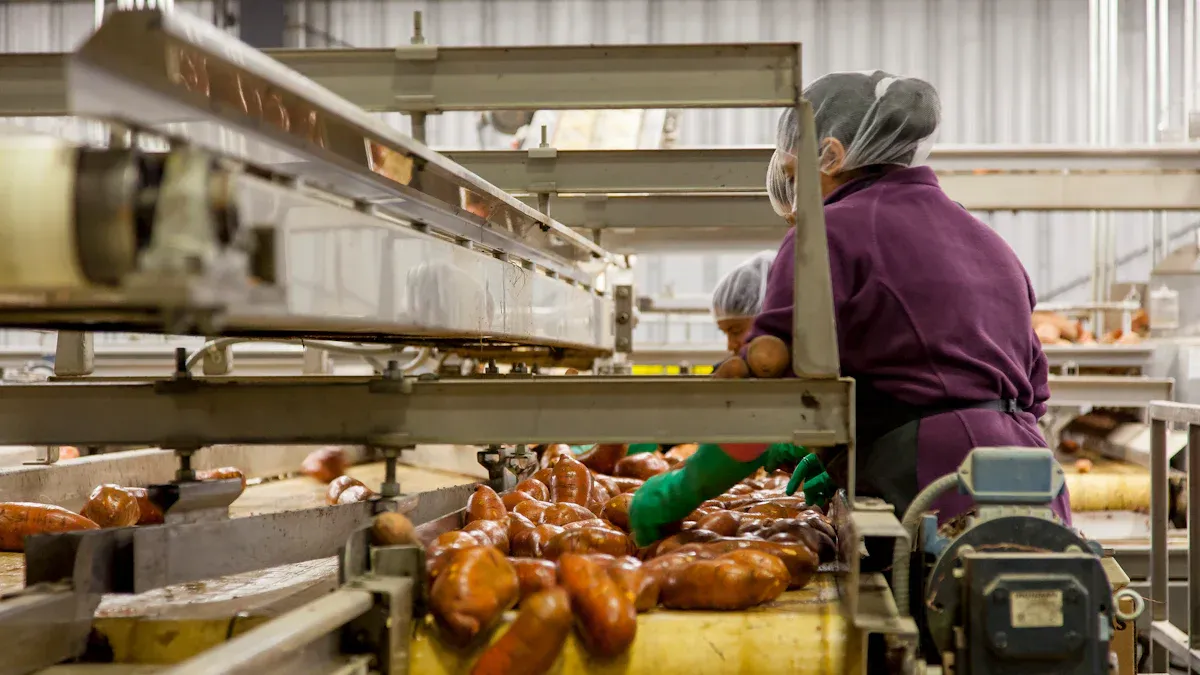
A dried apricot sorter transforms the pace of production lines. Traditional manual sorting often limits throughput, but automated systems can process up to 50% more fruit per hour. Operators observe that the speed of sorting directly impacts overall productivity. The machine's ability to handle large volumes reduces bottlenecks and keeps the supply chain moving efficiently.
Tip: Facilities that upgrade to automated sorters often report shorter lead times and improved order fulfillment rates.
The following table highlights key performance indicators used to measure the effectiveness of a dried apricot sorter:
| Key Performance Indicator | Description |
|---|---|
| Fresh Weight | Indicates the overall mass of the apricot, contributing to quality assessment. |
| Dry Matter | Reflects the concentration of solids in the fruit, important for determining ripeness. |
| Flesh Firmness | Measures the texture of the apricot, which is a critical quality attribute for consumers. |
| Sugar Content | Affects the sweetness and flavor profile of the apricot, influencing marketability. |
| Total Soluble Solids (TSS) | Indicates the sugar content and overall quality of the fruit. |
| Titratable Acidity (TA) | Provides insight into the acidity level, affecting taste and preservation. |
| Total Phenolic Content (TPC) | Relates to the nutritional value and health benefits of the apricot. |
| Total Carotenoid Content (TCC) | Important for color and nutritional quality, impacting consumer preference. |
These indicators help managers track throughput and ensure that the dried apricot sorter meets production goals.
Accuracy and Consistency Rates
Accuracy remains a critical factor in dried fruit processing. A dried apricot sorter uses advanced sensors to detect color, size, and defects with high precision. Industry benchmarks show that color detection accuracy reaches up to 95%. This high rate ensures that only premium-quality apricots reach the packaging stage.
The table below summarizes important sorting parameters and their efficiency gains:
| Sorting Parameter | Importance Level | Description | Efficiency Gain (%) |
|---|---|---|---|
| Color Detection | High | Accurate identification of desired colors to remove defective products. | 95% |
| Speed of Sorting | Medium | Faster sorting leads to increased throughput in production lines. | 50% |
| False Reject Rate | High | Minimizing the loss of good products due to incorrect sorting. | 30% |
A low false reject rate means fewer good apricots are discarded by mistake. Consistency in sorting helps maintain brand reputation and customer satisfaction.
Labor Cost Savings and ROI Estimates
Labor costs represent a significant portion of operational expenses in fruit processing. A dried apricot sorter reduces the need for manual labor, allowing facilities to reallocate staff to other critical tasks. Many operators report labor cost savings of up to 40% after adopting automated sorting.
Return on investment (ROI) calculations often show payback periods of one to three years, depending on production volume and local wage rates. The initial investment in a dried apricot sorter may seem high, but ongoing savings and increased output justify the expense for most medium to large operations.
Note: Facilities that track labor hours before and after installation can quantify the true impact on their bottom line.
Dried Apricot Sorter: Real Risks and Drawbacks
Common Technical Failures and Downtime Statistics
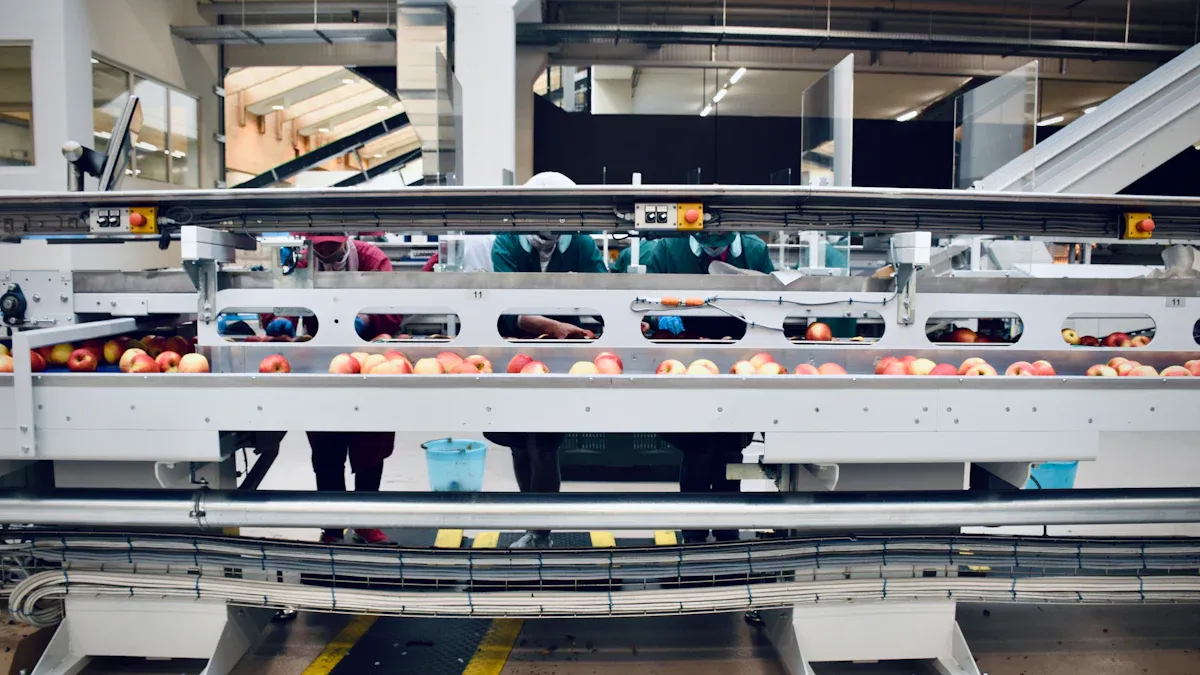
Technical failures can disrupt production and reduce the benefits of automation. Operators often report sensor malfunctions, conveyor jams, and software glitches as the most frequent issues. These failures can halt sorting lines and require immediate attention from maintenance teams. In some facilities, unplanned downtime can reach up to 8% of total operating hours each month. This downtime not only delays shipments but also increases operational costs.
A summary of common technical failures and their impact:
| Failure Type | Frequency | Typical Downtime (hours) | Impact on Production |
|---|---|---|---|
| Sensor Malfunction | High | 2-4 | Sorting accuracy drops |
| Conveyor Jam | Medium | 1-2 | Throughput slows |
| Software Glitch | Medium | 2-3 | System reset required |
| Motor Failure | Low | 4-8 | Complete line stoppage |
Operators must plan for these risks and ensure that skilled technicians are available to minimize downtime.
Maintenance Costs and Complexity
Routine maintenance for a dried apricot sorter requires more attention than some other food processing equipment. Maintenance teams must perform regular cleaning of the drying chamber, trays, and internal surfaces to prevent contamination. They also need to inspect and maintain the ventilation system to ensure proper airflow and drying efficiency. Environmental conditions, such as humidity and temperature, require close monitoring, which adds to the complexity of the process. Teams must check fans and motors regularly to avoid mechanical failures, a task that demands more effort than with simpler machines. Electrical safety checks are critical, especially in high-humidity environments, and add another layer of complexity.
- Regular cleaning of drying chamber, trays, and internal surfaces
- Frequent inspections and maintenance of the ventilation system
- Close monitoring of humidity and temperature
- Routine checks on fans and motors to prevent mechanical failures
- Electrical safety checks, especially in high-humidity settings
Maintenance costs can rise quickly if facilities do not follow a strict schedule. Skilled labor and specialized parts may increase expenses, especially for older machines or those operating in challenging environments.
Quality Control Issues and Missed Defects
Quality control remains a challenge for every dried apricot sorter. When sorters process apricots of mixed maturity, significant variations can occur in the physical and biochemical properties of the fruit. This heterogeneity affects the uniformity of SO2 content, which is essential for maintaining high product quality ratings. Mature apricots absorb more SO2 than immature ones. If the sorting process does not account for maturity, the final product may fail to meet industry standards. Missed defects, such as under-dried or blemished fruit, can reach customers and damage brand reputation.
Operators must monitor output closely and adjust sorting parameters to reduce the risk of missed defects. Regular calibration and manual spot checks help maintain consistent quality.
Dried Apricot Sorter vs. Manual Sorting
Pros and Cons Table
A direct comparison between automated and manual sorting highlights clear differences in efficiency, accuracy, and operational demands. The table below outlines the main advantages and disadvantages of each approach:
| Aspect | Dried Apricot Sorter | Manual Sorting |
|---|---|---|
| Efficiency | Processes large volumes quickly, reducing sorting time | Slower throughput, limited by human speed |
| Accuracy | Detects color defects and foreign materials with high precision | Prone to human error, may miss subtle defects |
| Flexibility | Adapts to various dried fruits and product types | Requires retraining for different products |
| Labor Requirements | Reduces need for manual labor, reallocates staff to other tasks | High labor demand, repetitive work |
| Maintenance | Needs regular technical upkeep and skilled technicians | Minimal technical maintenance |
| Initial Investment | High upfront cost, long-term savings | Low initial cost, higher ongoing labor expenses |
| Quality Control | Consistent sorting, enhanced detection of unwanted materials | Inconsistent results, risk of missed contaminants |
Note: Optical sorters can identify and remove stones, plastic, and mold more effectively than manual methods.
Case Studies and User Experiences
Several dried fruit processors have shared their experiences after switching to automated sorting. One medium-sized facility reported a 40% reduction in labor costs within the first year. The team noticed a significant drop in customer complaints related to foreign materials. Another operator observed that the dried apricot sorter maintained consistent quality, even during peak harvest periods. However, some users mentioned challenges with technical failures and the need for regular maintenance. They emphasized the importance of having trained staff available to address issues quickly. Overall, most facilities found that automated sorting improved efficiency and product quality, especially when handling large volumes.
Dried apricot sorters deliver measurable gains in speed, accuracy, and labor savings. Most medium to large operations see strong returns.
- Operators must plan for technical risks and ongoing maintenance.
Facilities that prepare for downtime often find the benefits outweigh the challenges.
FAQ
How often should operators perform maintenance on a dried apricot sorter?
Operators should perform basic cleaning daily. They should schedule comprehensive maintenance checks every month to ensure optimal performance and minimize unexpected downtime.
Can a dried apricot sorter handle other dried fruits?
Most modern sorters support multiple dried fruit types. Operators can adjust settings for different sizes, shapes, and colors, making the equipment versatile for various products.
What training do staff need to operate a dried apricot sorter?
Staff need training on machine operation, troubleshooting, and safety protocols. Many manufacturers provide on-site training sessions and detailed user manuals for new installations.
See Also
Key Capsule Checkweighers To Explore For 2025 Purchases
The Importance Of Capsule Sorters In Eliminating Defects
Essential Indicators Of High-Quality Bovine Gelatin Powder
Comprehensive Guide To Choosing Tablet Sampling Machines
Defining Pharmaceutical Checkweighers And Their Key Features