Domestic Sewage Treatment Plant Compliance Checklist for 2026
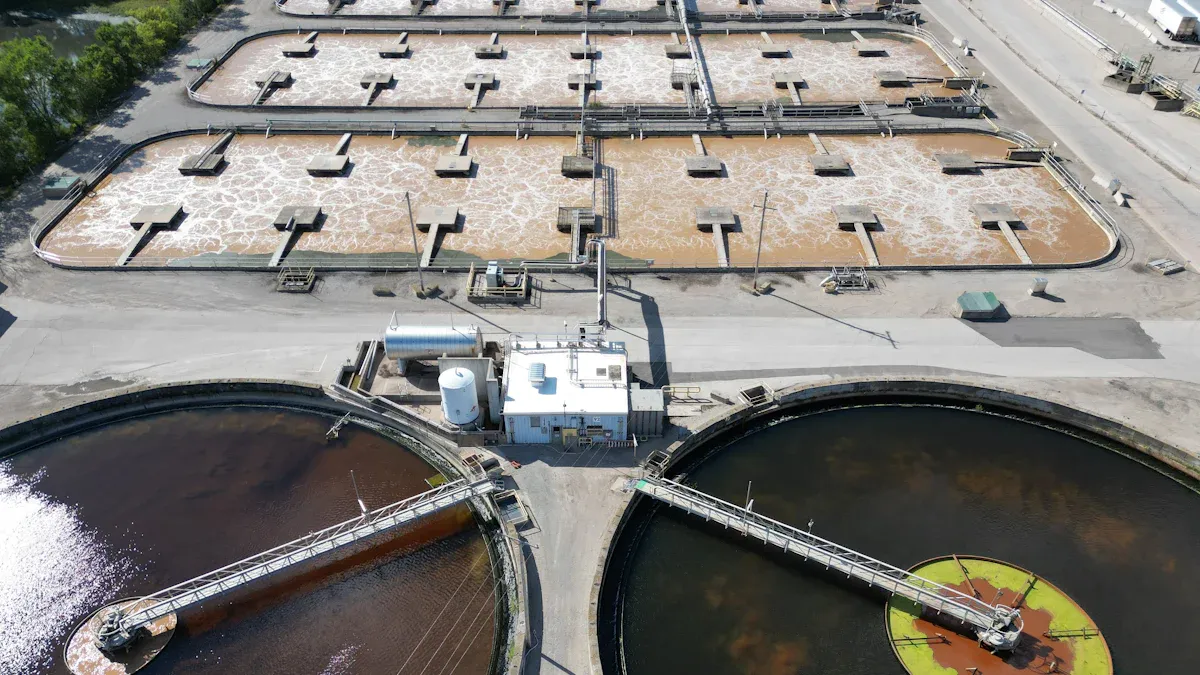
You must keep your domestic sewage treatment plant in compliance to avoid serious penalties. Non-compliance can lead to fines such as $10,000 for a first offense. Repeat violations cost even more. Corporations may face up to $100,000 in penalties. Responsible management protects your property and the environment.
Key Takeaways
- Stay compliant to avoid hefty fines. Non-compliance can lead to penalties up to $100,000 for corporations.
- Regular maintenance and inspections are crucial. Schedule checks every three to six months to catch issues early.
- Use only approved materials and licensed professionals for installation. This ensures safety and compliance with regulations.
2026 Regulatory Updates for Domestic Sewage Treatment Plant
Key Changes in Federal and State Regulations
You will see important updates in the 2026 rules for domestic sewage treatment plants. These changes focus on protecting water quality and public health. The new regulations set stricter limits for nitrogen and phosphorus in discharge water. You must also separate some persistent trace substances, like those from pharmaceuticals and cosmetics. The government now requires the pharmaceutical and cosmetics industries to help pay for advanced treatment stages. By 2045, all municipal wastewater treatment must reach energy neutrality. You also need to monitor microplastics and PFAS emissions, which was not required before.
Tip: Review the table below to compare 2026 regulations with previous years.
| Aspect | 2026 Regulations | Previous Years |
|---|---|---|
| Discharge Values | Stricter for nitrogen and phosphorus | Less stringent values |
| Trace Substances | Partial separation required | No specific requirements |
| Financial Responsibility | Industry pays for fourth treatment stage | No such obligations |
| Energy Neutrality Target | Sector must be energy neutral by 2045 | No target |
| Monitoring | Microplastics and PFAS monitored | No monitoring |
Impact on Existing and New Domestic Sewage Treatment Plant Installations
If you own an existing domestic sewage treatment plant, you must obtain an environmental permit from the Environment Agency. Some small systems that discharge less than two cubic meters a day may not need a permit, but you still need to register them. Make sure you register your system by the deadline. If you already have a valid consent, it will change to either an exemption or a new permit.
| Aspect | Details |
|---|---|
| Environmental Permit Requirement | Existing systems must obtain a permit |
| Exemptions | Small systems may be exempt but must register |
| Registration Deadline | Register by the set deadline |
| Existing Consents | Valid consents convert to exemption or permit |
You should check your paperwork and update your records to stay compliant.
Compliance Checklist for Domestic Sewage Treatment Plant
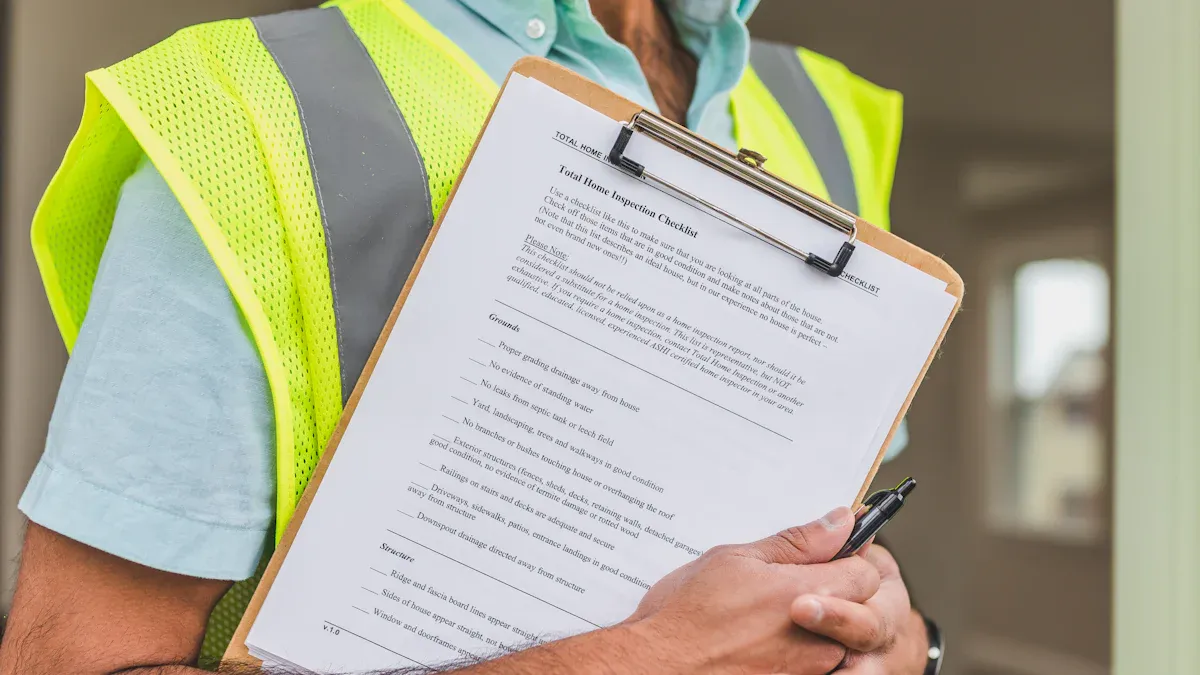
Site Evaluation and Local Siting Requirements
You must start with a proper site evaluation before installing a domestic sewage treatment plant. This step helps you avoid common violations and protects your property and the environment. Local siting rules often require you to check the distance from wells, water bodies, and property lines. You also need to consider soil type and flood risk.
Here are the most common siting violations and their consequences:
- Exceeding effluent limitations can release unsafe water, harming people and wildlife.
- Discharging unauthorized substances can lead to legal trouble and heavy fines.
- Failing to monitor discharge can cause environmental damage.
- Improper reporting can result in large penalties and loss of trust from regulators.
Tip: Always check with your local health department or environmental agency for specific siting rules in your area.
Obtaining NPDES and State Permits
You need to secure the right permits before operating your domestic sewage treatment plant. The National Pollutant Discharge Elimination System (NPDES) permit is required for most systems. State permits may also apply.
| Step | Description |
|---|---|
| 1 | Complete Form 2S if you are a new or existing TWTDS. |
| 2 | Review the TIPS for Completing Fillable PDF NPDES Permit Application Forms. |
| 3 | Enter facility information on the form, print it, sign it, and mail it to the specified address. |
| 4 | Ensure a valid signature is included as electronic signatures are not accepted. |
- Review the NPDES Permit Basics for the correct application forms.
- Use fillable PDF forms for easier completion.
- Print and sign the completed form before mailing.
Alert: Missing or incorrect paperwork can delay your project and lead to fines.
System Design and Engineering Standards
You must follow strict engineering standards when designing your domestic sewage treatment plant. These standards help your system run safely and efficiently.
| Parameter | Criteria/Formula | Details |
|---|---|---|
| Pump Capacity | Handle peak hourly flow with largest unit out | Multiple units required for redundancy. |
| Wet Well Fill Time | ≤30 minutes at average flow | Unless for equalization; slope floor 1:1 to hopper. |
| Design Average BOD5 (Domestic) | ≥0.17 lb./capita/day (0.08 kg/capita/day) | Increase to 0.22 lb. with garbage grinders; basis for loading. |
| Activated Sludge Loading | 0.2-0.5 lb. BOD5/lb. MLSS/day for conventional | Maintain DO >2 mg/L; includes nutrient removal provisions. |
| Chlorine Contact Time | ≥15 minutes at peak hourly flow | Dosage adjusted for effluent; dechlorination if needed. |
| Anaerobic Digester SRT | ≥15 days | Heat to 95°F (35°C) for mesophilic; gas safety required. |
| High pH Stabilization | Add lime to achieve pH >12 for ≥2 hours | Uses CaO or Ca(OH)2; stabilizes sludge via alkaline hydrolysis. |
Note: You should work with a licensed engineer to meet all design standards.
Approved Equipment and Materials for Domestic Sewage Treatment Plant
You must use only approved equipment and materials for your domestic sewage treatment plant. Check the list of certified products from your state or local agency. Approved equipment ensures your system meets performance and safety standards. Using unapproved materials can cause system failure and may void your permit.
- Pumps, tanks, and controls must meet current standards.
- Pipes and fittings should resist corrosion and leaks.
- Electrical parts must have proper ratings for wet environments.
Tip: Keep records of all equipment purchases and certifications.
Licensed Professional Installation
You need a licensed professional to install your domestic sewage treatment plant. This step is required by most states and ensures your system works as designed. Licensed installers know how to follow codes and avoid costly mistakes.
- Ask for proof of license and insurance.
- Check references before hiring.
- Make sure the installer follows the approved plans.
Alert: Using unlicensed contractors can lead to failed inspections and legal problems.
Initial Inspection and Performance Testing
After installation, you must schedule an initial inspection and performance test. Inspectors check that your domestic sewage treatment plant meets all rules and works properly. Performance testing measures how well your system treats wastewater.
- Inspectors look for leaks, proper connections, and safe operation.
- Tests check for removal of solids, nutrients, and harmful substances.
- You must fix any problems before you start regular use.
Note: Keep all inspection reports for your records.
Documentation and Recordkeeping Obligations
You must keep detailed records for your domestic sewage treatment plant. Good recordkeeping helps you prove compliance and avoid fines.
- Save copies of all permits, inspection reports, and maintenance logs.
- Record all repairs, upgrades, and changes to your system.
- Keep discharge monitoring reports and test results.
Tip: Store records in a safe place for at least five years, or longer if your permit requires.
Ongoing Maintenance and Monitoring for Domestic Sewage Treatment Plant

Routine Maintenance and Inspection Schedules
You need to follow a set schedule for maintenance and inspections. Regular checks help you spot problems early and keep your system running well. Most experts recommend inspecting your system every three to six months. You should clean filters, check pumps, and look for leaks. If you see any warning signs, like slow drains or odors, act quickly. Keeping a calendar for these tasks helps you stay on track.
Tip: Set reminders for inspections and maintenance to avoid missing important dates.
Monitoring, Reporting, and Compliance Documentation
You must monitor your domestic sewage treatment plant to meet all legal requirements. Good documentation shows that you follow the rules and helps you fix issues fast. Use these best practices:
- Set clear steps for recording each part of the treatment process.
- Train everyone who works with your system so they know the rules and their duties.
- Use modern monitoring tools to collect data in real time and catch problems early.
- Review your records often to find and fix any gaps.
You should keep all reports and logs in a safe place. This makes it easy to show proof of compliance if asked.
Managing System Malfunctions and Sludge Disposal
Sometimes, your system may have problems. If you notice alarms or changes in water quality, respond right away. Quick action can prevent bigger issues. When you remove sludge, you must follow strict rules. The law (40 CFR Part 503) covers how you handle and dispose of sludge. You need to:
- Follow limits for pollutants and reduce harmful germs.
- Take steps to keep pests away from sludge storage.
- Monitor and report all sludge handling activities.
Alert: These rules apply to everyone who prepares or disposes of sewage sludge, no matter your permit status.
Common Compliance Pitfalls for Domestic Sewage Treatment Plant
Even when you try your best, you might face some common problems with compliance. Knowing these pitfalls helps you avoid mistakes and keep your system running smoothly.
Incomplete or Incorrect Permit Applications
You must fill out every part of your permit application. Many people miss sections or make errors. This can delay your project or even stop it. Double-check your forms before you send them. Make sure you use the latest version. If you forget to sign or leave out details, your application will not move forward.
Tip: Ask your local agency for a checklist. This helps you catch missing items before you submit.
Use of Unapproved Materials or Contractors
You need to use only approved materials and licensed contractors. Some people try to save money by using cheaper parts or unlicensed workers. This often leads to system failures and failed inspections. If you use unapproved items, you risk losing your permit.
- Always check that your contractor has a valid license.
- Keep receipts and records for all equipment and materials.
Neglecting Required Maintenance and Inspections
You must keep up with regular maintenance and inspections. Skipping these steps can cause big problems. You might exceed effluent limits or discharge substances you should not. If you do not monitor your system or report issues, you could face fines.
Here are the most common compliance mistakes:
- Exceeding effluent limitations
- Discharging unauthorized substances
- Failing to monitor discharge
- Improper reporting
Alert: Regular checks and honest reporting protect you from legal trouble and keep your system safe.
Resources for Domestic Sewage Treatment Plant Compliance
Regulatory Agencies and Contact Information
You need to know which agencies oversee domestic sewage treatment plant compliance. These organizations set the rules and help you with permits and inspections. You can contact them for guidance or to report issues.
| Agency Name | Role | Contact Information |
|---|---|---|
| U.S. Environmental Protection Agency (EPA) | Sets federal standards and issues NPDES permits | www.epa.gov |
| State Environmental Agency | Handles state permits and local rules | Check your state’s official website |
| Local Health Department | Enforces siting and safety standards | Visit your county’s health office |
Tip: Save agency phone numbers and websites. You can reach out if you have questions or need help with paperwork.
Professional Service Providers and Consultants
You may need help from experts to keep your system compliant. Professional service providers offer installation, maintenance, and testing. Consultants can help you with paperwork and system upgrades.
Types of Service Providers:
- Licensed installers
- Certified maintenance technicians
- Environmental consultants
How to Choose a Provider:
- Ask for proof of license and certifications.
- Check reviews and references.
- Request a written estimate for services.
🛠️ Note: Working with qualified professionals helps you avoid mistakes and keeps your system running safely.
You can find providers by searching online or asking your local agency for recommendations. Always keep records of who you hire and the work they complete.
You protect yourself and the environment when you follow this compliance checklist. Stay alert for new rules each year. If you have questions, reach out to a licensed professional or your local agency.
Tip: Staying informed helps you avoid fines and keeps your system running safely.
FAQ
What is the most common reason for non-compliance?
You often miss regular maintenance or forget to file reports. These mistakes can lead to fines or system failures.
How often should you inspect your domestic sewage treatment plant?
You should inspect your system every three to six months. Regular checks help you catch problems early.
Who can help you if you have questions about compliance?
You can contact your local health department or a licensed environmental consultant. They will answer your questions and guide you.
See Also
Comparing EHEDG Guidelines With 3A SSI Standards For Hygiene
A 2025 Overview Of Semi-Welded Plate Heat Exchangers
Key Steps For Obtaining PED 2014/68/EU Certification
Best Precoating Materials For Filtration Systems In 2025
Ways To Reduce Environmental Impact Using Plate Heat Exchangers