Dog Crate Water Bowl vs Bottle Which Keeps Your Pup Hydrated Better?
You are not alone; over 72% of dog owners use crates for training and travel. Ensuring your dog has water inside is vital, as insufficient access can cause dehydration. A bowl allows your dog to drink naturally and quickly. A kennel water dispenser, or bottle, is the superior choice for preventing messes. Your best option balances the need for a dry crate with your dog's hydration habits.
Key Takeaways
- Water bowls let dogs drink naturally and quickly, which is best for hydration.
- Water bottles keep crates dry and clean, but dogs must learn to use them.
- Choose a water source that fits your dog's needs and keeps them safe and hydrated.
Which is Better for Hydration?
When it comes to pure hydration, the winner is clear. A bowl allows your dog to drink a large amount of water quickly and efficiently. A bottle, while cleaner, can limit how much and how fast your dog drinks.
Why Bowls Offer More Natural Drinking
Your dog drinks very differently than you do. Since dogs lack full cheeks, they cannot create suction to sip water. Instead, they use a fascinating and messy technique that relies on speed and physics. A bowl provides the perfect open surface for this natural motion.
Researchers found that dogs use their tongues like a ladle. They plunge their tongue into the water and curl the tip backward, pulling it up with incredible speed. This rapid movement creates a column of water that rises into the air. Your dog then cleverly "chomps down" to catch this column of water in its mouth before gravity pulls it back down.
You can think of the process in these simple steps:
- Your dog extends its tongue and curls the tip backward to form a scoop.
- It laps at an extremely fast speed, hitting the water's surface.
- The tongue's quick retraction pulls a column of water upward.
- Your dog bites down on the water column to drink, swallowing what it catches.
Note: This "acceleration-driven" drinking method is highly effective, but it requires a wide, open water source. A bowl is the only option that allows your dog to drink this way, ensuring they can quench their thirst efficiently.
The Limits of Drinking from a Bottle
A kennel water dispenser, or bottle, forces your dog to drink in a completely different way. Instead of lapping, your dog must lick a metal ball bearing to release water one drop at a time. This slow, controlled flow is the main reason a bottle is not ideal for primary hydration.
The flow rate from most bottles simply cannot keep up with a thirsty dog. A large or energetic dog, like a German Shepherd, may become frustrated trying to get enough water from a slow-drip nozzle. This can discourage them from drinking altogether.
To understand the problem, consider how much water your dog needs. A healthy dog should drink about one ounce of water for every pound of body weight each day.
| Dog Size | Approximate Weight | Daily Water Needed |
|---|---|---|
| Small | 15 lbs (7 kg) | 15 oz (444 ml) |
| Medium | 40 lbs (18 kg) | 40 oz (1.2 L) |
| Large | 75 lbs (34 kg) | 75 oz (2.2 L) |
A typical kennel water dispenser holds between 12 and 32 ounces. For a medium or large dog, you would need to refill the bottle multiple times a day to meet their needs. More importantly, your dog has to work much harder to get that water, which can lead to them drinking less than they should. This slow process makes it difficult for them to stay properly hydrated, especially in warm weather or after exercise. 💧
Which Keeps the Crate Drier?
When it comes to keeping your dog's bedding and crate floor dry, the choice between a bowl and a bottle becomes much clearer. One is designed for containment, while the other is an open invitation for splashes and spills.
Bottles: The Mess-Free Solution
A kennel water dispenser is the undisputed champion of mess prevention. Its design directly addresses the problem of spills. The water is fully enclosed, and your dog can only access it by licking the nozzle. This means no accidental tipping during a bumpy car ride or when your dog repositions itself in the crate. A well-made bottle with features like O-rings, gaskets, and secure locking mechanisms provides a tight seal to stop leaks.
However, "mess-free" does not always mean "leak-proof." A bottle can still fail and soak your dog's crate if you are not careful.
Pro Tip: You can prevent most bottle leaks by checking for common issues. A bottle may drip if:
- The nozzle is not seated correctly in the stopper.
- You fill it with very cold water, which can cause dripping as it warms to room temperature.
- The rubber stopper is cracked or has shrunk from hot water washing.
- Small debris, like a seed, gets stuck in the nozzle.
- The nozzle itself is bent, preventing the ball bearing from sealing properly.
Bowls: The Inevitable Spill Risk
A traditional water bowl in a crate is a recipe for a wet dog and soggy bedding. The open-top design makes it extremely easy to spill. A simple nudge from a playful paw or a clumsy turn can send water sloshing over the sides.
Your dog might even spill the bowl on purpose. Many dogs knock over their water for various reasons. These behaviors often include:
- Boredom or curiosity
- Playfulness and enjoyment of splashing
- An attempt to cool off on a warm day
- Anxiety or attention-seeking behavior
Fortunately, you can fight back against spills. Choosing the right bowl makes a significant difference. Heavy-duty, elevated bowl stands are an excellent solution. These stands provide stability and prevent your dog from easily tipping the bowl. They often come with deep, high-quality stainless steel bowls that further reduce the chance of splashes, helping you keep the crate area much cleaner.
Which is Easier to Keep Clean?
Keeping your dog's water source sanitary is crucial for their health. While both bowls and bottles require regular cleaning, their designs present different challenges. A bowl is easier to scrub, but a bottle's enclosed parts can hide bacteria if you are not thorough.
Cleaning a Crate Water Bottle
A water bottle may look clean, but its nozzle and inner surfaces can harbor germs. You should clean the bottle at least once or twice a week to prevent bacterial growth. In hot weather, you need to increase this frequency to every 3-5 days.
The nozzle requires special attention. To clean it properly:
- Soak the entire cap assembly in a solution of water and a little bleach for about 30 minutes.
- Use a cotton swab or pipe cleaner to scrub the inside of the drinking tube.
- Soak the cap again for another 10 minutes.
- Rinse the cap assembly completely with fresh water before refilling.
Cleaning a Crate Water Bowl
A bowl is simple to wash, but it gets dirty much faster. A slimy layer called biofilm can form within 24 hours. This slime traps food and allows harmful bacteria to grow.
Watch out for a pink ring around the waterline. This is a bacteria called Serratia marcescens and a clear sign the bowl needs a deep clean. Other dangerous bacteria like E. coli and Salmonella can also thrive in a dirty bowl. 🦠
Your choice of material makes a big difference. Stainless steel is the most hygienic option because its non-porous surface resists bacteria. High-quality, glazed ceramic bowls are also excellent choices. Both materials are easy to sanitize and are usually dishwasher-safe, making daily cleaning simple.
Is It Safe for Your Dog?
Your dog's safety is the top priority. Both water bottles and bowls have potential risks you should consider before making a choice for the crate. Understanding these dangers helps you protect your furry friend.
Potential Risks of Water Bottles
A water bottle can fail in two critical ways. The nozzle's ball bearing can get stuck, either flooding the crate or stopping the water flow completely. A blockage prevents your dog from drinking, which can lead to dehydration. Some dogs also chew on the metal nozzle out of boredom or frustration. This can damage their teeth.
Frustration from a slow-dripping bottle can also create behavioral problems. It does not teach your dog good habits and fails to address their thirst. This can lead to issues like:
- A growing distrust of you or the crate.
- Unwanted behaviors that only appear when you are gone.
- A fear of the bottle itself.
Potential Risks of Water Bowls
The biggest risk with a bowl is the spill. A spilled bowl creates a puddle of stagnant water in the crate. You should never let your dog drink stagnant water. It is a breeding ground for harmful bacteria and parasites.
Ingesting this contaminated water can cause serious health problems. These issues often require a visit to the vet. Dangers include:
- Gastrointestinal upset: This can cause vomiting, diarrhea, and pain.
- Bacterial infections: Leptospirosis is a dangerous bacteria found in stagnant water that can cause fever and kidney damage.
- Parasitic infections: Parasites like Giardia and Coccidia thrive in dirty water.
Lying in cold, wet bedding from a spill can also make your dog uncomfortably chilled, especially in cooler environments.
How to Choose the Right Product
Choosing between a bowl and a bottle depends on your dog's needs and your priorities. Once you decide on a type, selecting the right product involves looking for specific features that ensure safety, durability, and ease of use.
What to Look for in a Crate Bowl
If you decide a bowl is the best fit for your dog, you need one that minimizes spills and stays clean. Look for a bowl made from high-quality, non-porous materials like stainless steel or glazed ceramic. These are not only durable but also resist bacteria buildup and are often dishwasher-safe, making cleaning simple.
To prevent your dog from tipping it over, consider these features:
- Secure Attachment: Many crate bowls come with a mounting bracket that attaches directly to the crate wires. This keeps the bowl elevated and prevents it from being pushed around.
- Heavy-Duty Construction: A heavy bowl made from materials like thick stainless steel or aluminum is harder for a dog to move or flip.
- Spill-Proof Design: Look for bowls with high sides or a square shape, which are designed to contain water even if bumped. Some even have a non-slip base for added stability.
- Appropriate Size: Ensure the bowl is large enough to hold an adequate amount of water for your dog's size without needing constant refills.
What to Look for in a Kennel Water Dispenser
If a mess-free crate is your top priority, a kennel water dispenser is an excellent choice. However, not all bottles are created equal. A quality bottle will prevent leaks while still providing easy access to water for your dog.
When shopping for a kennel water dispenser, pay attention to these details:
- Leak-Proof Nozzle: The most important feature is a reliable, drip-free nozzle. Look for designs with a secure ball bearing and rubber gaskets or O-rings that create a tight seal.
- Durable Materials: The bottle should be made from BPA-free plastic to ensure the water remains safe and free from harmful chemicals. The spout itself should be a sturdy metal, like stainless steel, to resist chewing.
- Easy-to-Use Mount: A good kennel water dispenser will have a simple but secure mounting system that allows you to attach and remove it from the crate effortlessly for refilling and cleaning.
- Appropriate Capacity: Choose a size that matches your dog's needs. A small dog may only need a 12-ounce bottle, while larger breeds will require a 32-ounce or larger option to stay hydrated.
How to Train Your Dog to Use a Bottle
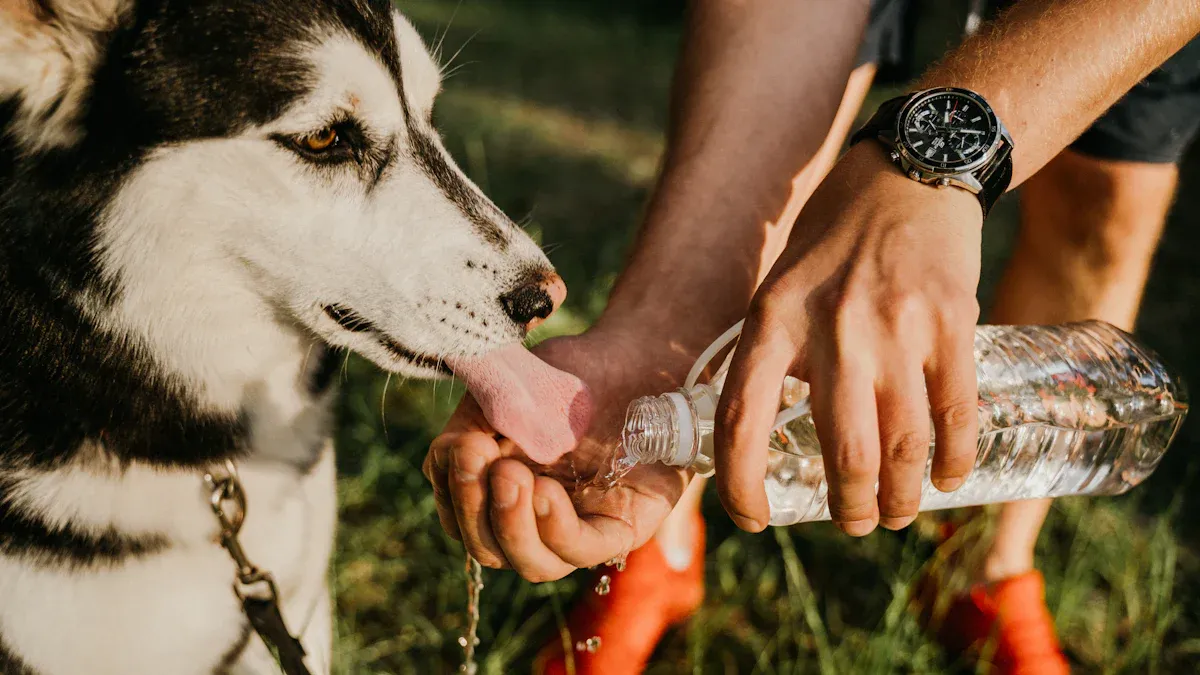
Switching your dog to a water bottle requires a little training. Some dogs learn in just a few days, while others may need up to a month of practice. Your patience is the key to helping your dog learn this new skill.
Step-by-Step Introduction
You can introduce the bottle to your dog with a few simple steps. This gradual process helps your dog feel comfortable and reduces stress.
- Let Your Dog Investigate: First, allow your dog to sniff and inspect the bottle. Let them get used to it without any pressure.
- Show Them How It Works: Tap the ball bearing at the end of the nozzle with your finger. Let your dog see and lick the water that comes out.
- Make It Tasty: Smear a small amount of peanut butter or Cheez Whiz on the nozzle's tip. This encourages your dog to lick the bottle and discover how to get water.
- Entice with Flavor: If your dog still hesitates, you can fill the bottle with a mix of water and low-sodium chicken broth to make it more appealing.
Using Positive Reinforcement
Positive reinforcement is the best way to teach your dog. You reward your dog for trying, which makes them want to do it again. When your dog sniffs, licks, or drinks from the bottle, give them praise or a small treat. This creates a positive connection with the bottle. 🥳
Remember: Every dog learns at a different pace. Stay positive and supportive throughout the training process. Avoid showing frustration. Your consistent and encouraging attitude will help your dog succeed.
Keep training sessions short and fun. Your goal is to build your dog's confidence. With a little time and plenty of praise, your dog will learn to use their new kennel water dispenser.
A water bottle guarantees a dry crate, but you must train your dog and check the nozzle. For maximum hydration, a heavy, spill-resistant bowl is a better choice. Ultimately, you must weigh the need for a clean crate against your dog's comfort and drinking habits. ⚖️
FAQ
Can I leave water in a crate overnight?
You can leave water for adult dogs. Puppies may need water removed a few hours before bedtime. This helps with potty training and prevents overnight accidents. 🌙
How often should I clean the water source?
You should wash a water bowl daily to prevent slime. Clean a water bottle thoroughly at least once a week to keep it sanitary and safe for your dog.
What if my dog will not use a water bottle?
Continue positive training with tasty rewards. If your dog still refuses after a few weeks, a secure, spill-resistant bowl is a better option for their hydration.