Digital Dentistry Simulation Delivers Better Care Every Time
Digital Dentistry Simulation sets a new standard in dental care. Dentists use advanced tools to plan every step, which increases accuracy and comfort for patients. A Dental Procedure Simulator helps practitioners visualize treatments before they begin. Patients experience shorter recovery times and fewer complications. This technology gives both patients and providers greater confidence in each procedure.
Digital Dentistry Simulation for Enhanced Diagnostic Accuracy
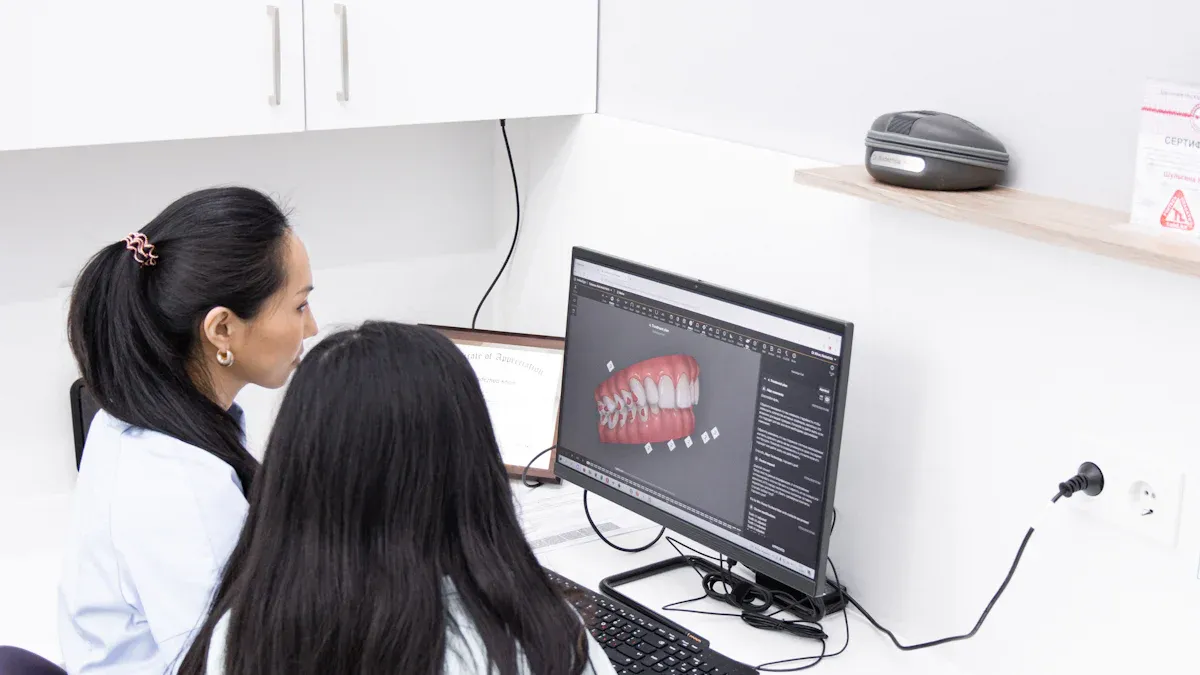
Precise 3D Imaging and Analysis
Digital Dentistry Simulation uses advanced 3D imaging tools to capture detailed views of a patient’s teeth, gums, and jaw. These images allow dentists to see every angle and surface with remarkable clarity. High-resolution scans reveal even the smallest cracks or cavities that traditional X-rays might miss. Dentists can rotate and zoom in on the digital models, which helps them identify issues early.
With this technology, dental professionals can compare current scans with previous ones. They track changes over time and spot problems before they become serious. This approach leads to more accurate diagnoses and better treatment outcomes. Patients benefit from fewer surprises during their visits.
Tip: 3D imaging reduces the need for physical impressions, making the process more comfortable for patients.
Personalized Treatment Planning
Digital Dentistry Simulation enables dentists to create custom treatment plans for each patient. Using the digital models, they map out every step of the procedure in advance. This planning ensures that the treatment fits the patient’s unique anatomy and needs.
Dentists can simulate different approaches and choose the best one. They predict how teeth will move or how implants will fit. This level of precision helps avoid unnecessary procedures and reduces the risk of complications.
- Patients receive care tailored to their specific situation.
- Dentists achieve higher success rates with fewer adjustments.
- The entire dental team works from the same detailed plan, improving communication and efficiency.
Digital Dentistry Simulation transforms diagnosis and planning into a science, not a guessing game.
Digital Dentistry Simulation Improves Treatment Predictability
Anticipating Outcomes Before Treatment
Dentists use Digital Dentistry Simulation to predict how treatments will progress. They create virtual models of a patient’s mouth and simulate each step of the procedure. This process helps them see the final results before starting any work. Dentists can adjust their plans based on these simulations, which leads to more accurate outcomes.
Patients benefit from this technology because they know what to expect. They can view digital previews of their new smile or see how an implant will look. This transparency builds trust and reduces anxiety. Dentists also use these simulations to explain the process, making it easier for patients to understand their treatment.
Note: Patients who see their treatment plan in advance often feel more confident and prepared.
Reducing Complications and Surprises
Digital Dentistry Simulation helps dentists identify potential problems before they occur. By simulating the entire procedure, they can spot issues such as misaligned teeth or bone density concerns. This proactive approach allows them to make changes early, which reduces the risk of complications during the actual treatment.
Dentists also use this technology to test different approaches. They choose the safest and most effective method for each patient. This careful planning leads to fewer unexpected events and smoother procedures.
- Fewer complications mean faster recovery times.
- Patients experience less discomfort and fewer follow-up visits.
- Dentists achieve better results with less guesswork.
Digital Dentistry Simulation transforms dental care into a predictable and reliable process.
Digital Dentistry Simulation Increases Patient Safety and Comfort
Minimizing Invasive Procedures
Dentists rely on Digital Dentistry Simulation to plan treatments with precision. They analyze digital models to identify the least invasive approach for each patient. This technology allows them to avoid unnecessary cutting or drilling. Patients experience less pain and faster healing.
Many dental procedures once required large incisions or extensive reshaping. Now, dentists use simulation to target only the affected areas. They preserve healthy tissue and reduce trauma. Patients often leave the office with minimal swelling and discomfort.
Patients who undergo digitally simulated procedures report higher satisfaction and lower anxiety.
A comparison of traditional and simulated procedures shows clear benefits:
| Procedure Type | Average Recovery Time | Pain Level | Tissue Preservation |
|---|---|---|---|
| Traditional | 7 days | High | Low |
| Simulated | 3 days | Low | High |
Lowering Risk of Errors
Digital Dentistry Simulation helps dentists avoid mistakes during treatment. They review every step in advance and adjust their plans as needed. This preparation reduces the chance of errors such as misaligned implants or incorrect tooth movement.
Dentists use simulation to check measurements and visualize outcomes. They confirm that each tool and material fits the patient’s anatomy. This careful planning leads to safer procedures and better results.
- Fewer errors mean less need for corrective treatments.
- Patients enjoy greater confidence in their dental care.
- Dental teams communicate more effectively using shared digital plans.
Tip: Simulation technology supports continuous learning and improvement for dental professionals.
Digital Dentistry Simulation Streamlines Workflow and Efficiency
Faster Treatment Timelines
Dental practices that use Digital Dentistry Simulation often complete treatments more quickly. Dentists can plan every step in advance, which reduces time spent on decision-making during procedures. They use digital models to prepare guides and templates before the patient arrives. This preparation allows the dental team to work with greater speed and confidence.
Many dental labs now accept digital files directly from clinics. Dentists send scans instead of physical impressions, which speeds up the creation of crowns, bridges, and aligners. Patients spend less time waiting for their dental appliances. The entire process, from diagnosis to final placement, moves faster.
Note: Digital workflows help dental teams avoid delays caused by lost or damaged physical models.
A streamlined timeline benefits everyone:
- Patients return to normal activities sooner.
- Dentists see more patients each day.
- Dental assistants spend less time on manual tasks.
Fewer Appointments and Adjustments
Digital Dentistry Simulation reduces the number of visits patients need. Dentists use precise digital plans to get treatments right the first time. They fit crowns, veneers, and implants with fewer adjustments. Patients avoid the inconvenience of multiple fittings or corrections.
A typical workflow might look like this:
| Step | Traditional Approach | Digital Simulation Approach |
|---|---|---|
| Initial Consultation | 1 visit | 1 visit |
| Impressions | 1 visit | Digital scan (same visit) |
| Fitting/Adjustment | 2-3 visits | 1 visit |
| Final Placement | 1 visit | 1 visit |
Patients appreciate fewer trips to the dentist. Dentists save time and resources. The entire dental team works more efficiently, which leads to higher satisfaction for everyone involved.
Digital Dentistry Simulation Enhances Patient Communication and Education

Visualizing Treatment Plans Together
Dentists use Digital Dentistry Simulation to show patients exactly what will happen during their treatment. They display 3D models and step-by-step visuals on a screen. Patients see their current dental condition and the expected results. This approach helps patients understand each stage of the process.
Dentists often invite patients to ask questions while reviewing the simulation. They address concerns and explain the reasons for each step. Patients feel more involved in their care. They gain a clear picture of what to expect.
Patients who see their treatment plans often feel less anxious and more confident about their procedures.
A typical consultation might include:
- Reviewing digital scans of the patient’s mouth
- Demonstrating how teeth will move or change
- Showing before-and-after images using simulation software
This visual approach builds trust between dentists and patients.
Empowering Informed Decisions
Digital Dentistry Simulation gives patients the information they need to make smart choices. Dentists present different treatment options using digital models. Patients compare outcomes and select the plan that fits their needs and goals.
Dentists explain the benefits and risks of each option. They use clear visuals and simple language. Patients understand the impact of each decision. They feel empowered to take an active role in their dental health.
Note: Informed patients are more likely to follow through with treatment and maintain good oral health.
Patients who participate in the decision-making process often report higher satisfaction. They appreciate the transparency and personalized care. Digital Dentistry Simulation transforms dental visits into collaborative experiences.
Digital Dentistry Simulation transforms dental care by improving accuracy, safety, and comfort. Patients see better results and feel more confident about their treatment. Dentists deliver care that meets high standards every time.
Embracing this technology means everyone benefits from a modern, reliable approach to oral health.
- More precise treatments
- Higher patient satisfaction
- Consistent, predictable outcomes
FAQ
What is digital dentistry simulation?
Digital dentistry simulation uses computer technology to create virtual models of a patient’s mouth. Dentists use these models to plan treatments, predict outcomes, and improve accuracy. This technology helps both patients and dental professionals achieve better results.
Is digital dentistry simulation safe for patients?
Dentists use digital simulation to increase safety. The technology helps them avoid errors and choose the least invasive procedures. Patients experience fewer complications and faster recovery times.
How does digital simulation affect the cost of dental care?
- Digital simulation may reduce overall costs.
- Fewer appointments and adjustments save time and money.
- Patients often need less follow-up care.
Can patients see their treatment plans before starting?
Dentists show patients 3D models and digital previews of their treatment. Patients can review these visuals, ask questions, and understand each step. This process builds trust and confidence in the care they receive.
See Also
A Comprehensive Guide to Choosing Tablet Sampling Machines
Proven Strategies for Enhancing 2 5-Furandicarboxylic Acid Sustainability
Key Actions Required for Obtaining PED 2014/68/EU Certification
Comparative Analysis of Leading Hospital Bed Elevator Models