CTBN, ATBN, HTBN, ETBN A Simple Story of Tough Epoxy
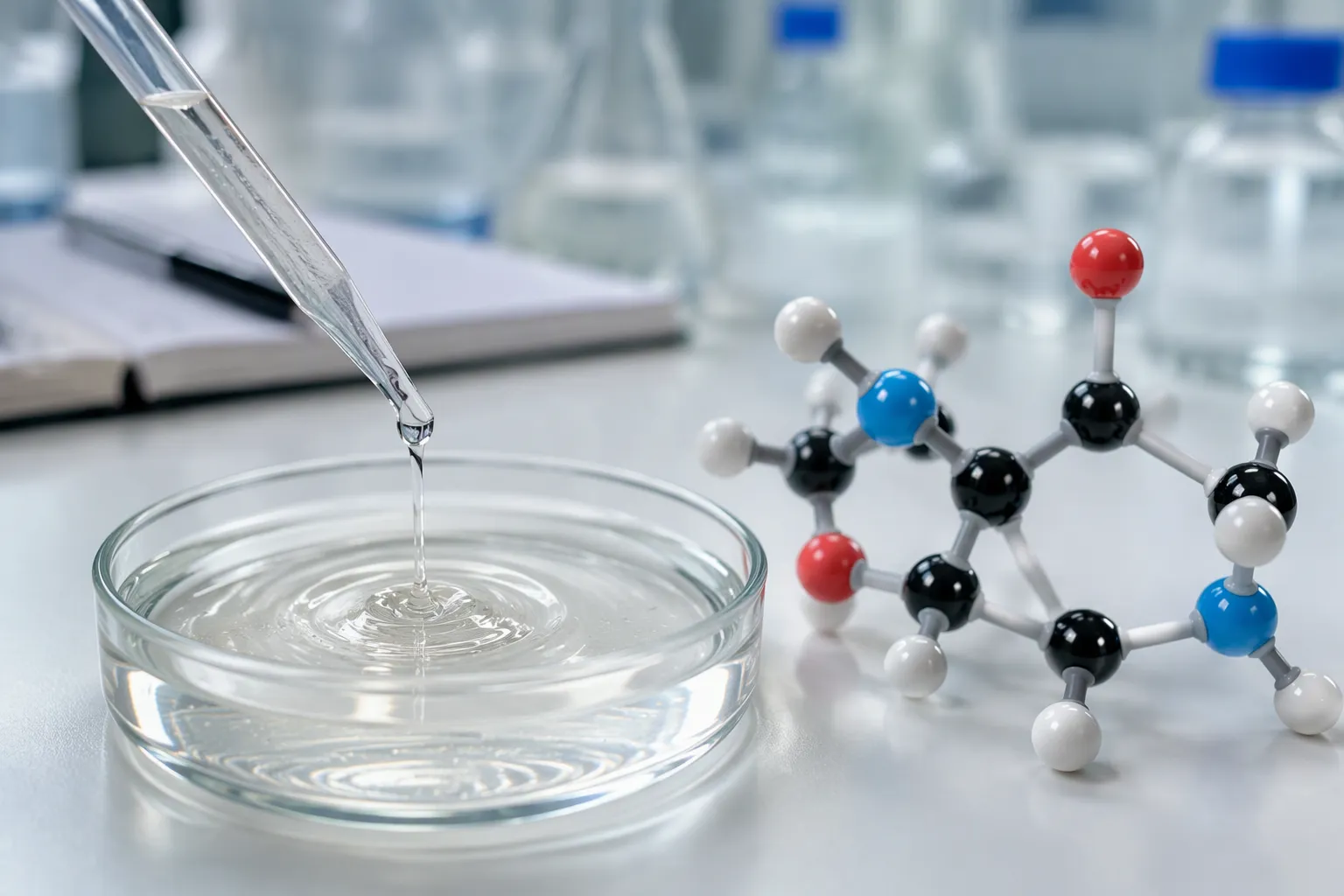
All four are reactive liquid nitrile rubbers. Their terminal groups—carboxyl (CTBN), amine (ATBN), hydroxyl (HTBN), and epoxy (ETBN)—drive reactivity, cure behavior, and end-use fit. CTBN suits general-purpose toughening, ATBN handles room-temperature or fast cure, HTBN delivers thermal and aging stability, and ETBN fits epoxy-rich formulations. The Differences and Selection of Reactive Liquid Rubbers (CTBN, ATBN, HTBN, ETBN) come down to matching terminal chemistry to cure system, processing temperature, and performance target.
Key Takeaways
- Each rubber type has a different terminal group that determines how it reacts and what it is best used for.
- Choose the rubber based on your cure chemistry and processing temperature first, then consider performance and cost.
- Always run a small trial to confirm the rubber works well in your specific epoxy system before scaling up.
Meet the Four Toughners
CTBN: The Carboxyl Standard
CTBN carries carboxyl groups at both ends of its chain. These groups react with epoxy resins during cure and build strong chemical bonds into the network. CTBN works well in many epoxy systems, so formulators treat it as the default choice for general-purpose toughening. It dissolves easily in epoxy before cure and then separates into rubber-rich domains as the resin hardens. Those domains absorb stress and stop cracks from spreading.
ATBN: The Amine Fast Track
ATBN ends its chain with amine groups. Amines react quickly with epoxy at room temperature, so ATBN suits fast-cure and low-temperature processes. A formulator can add ATBN to a two-part adhesive and cure it without an oven. The tradeoff is a shorter working life, because the amine groups start reacting as soon as the components meet.
HTBN: The Hydroxyl Workhorse
HTBN terminates in hydroxyl groups. These groups react more slowly than amines, and they need heat or a catalyst to finish the cure. HTBN rewards that patience with strong resistance to heat and aging. Parts made with HTBN keep their toughness after long exposure to elevated temperatures.
ETBN: The Epoxy-Compatible Option
ETBN carries epoxy groups at its chain ends. These groups share the chemistry of the surrounding epoxy resin, so ETBN blends into epoxy-rich formulations with excellent compatibility. ETBN reacts through the same curing agents as the base resin and becomes part of the crosslinked network.
Differences and Selection of Reactive Liquid Rubbers (CTBN, ATBN, HTBN, ETBN)
The four toughners share a nitrile rubber backbone. That shared backbone gives all of them rubbery character and low glass transition temperatures. The terminal groups make them different. A formulator who studies the Differences and Selection of Reactive Liquid Rubbers (CTBN, ATBN, HTBN, ETBN) will see that each terminal group sets a distinct reaction path. That path controls cure speed, network placement, domain size, and long-term durability. The four subsections below examine these differences one at a time.
Reactivity and Cure Behavior
Reactivity starts at the chain ends. CTBN carries carboxyl groups. These groups react with epoxy resins through the epoxy ring. The reaction needs heat, typically 120 °C or higher, and it often benefits from an accelerator. Carboxyl groups react slowly at room temperature. A CTBN-modified epoxy therefore needs a thermal cure schedule. The slow reaction gives the formulator a long working life. It also allows the rubber to stay dissolved until the resin gels.
ATBN carries amine groups. Primary and secondary amines open the epoxy ring fast, even at room temperature. A two-part adhesive with ATBN can cure in minutes at ambient conditions. This speed suits field repairs and fast assembly lines. The same speed shortens pot life. A formulator must plan the mix ratio and the application window with care.
HTBN carries hydroxyl groups. Hydroxyls react with epoxy only in the presence of a curing agent such as an anhydride or an isocyanate. The reaction is sluggish without heat or a catalyst. HTBN therefore fits systems that already run hot, such as anhydride-cured electrical laminates. The slow reactivity gives excellent latency and storage stability.
ETBN carries epoxy groups. These groups react with the same hardeners that cure the base resin, including amines and anhydrides. ETBN joins the network through the standard cure chemistry. No special curative is needed. The formulator treats ETBN as a reactive diluent that also toughens. This co-curing behavior makes ETBN easy to drop into existing epoxy formulations.
The Differences and Selection of Reactive Liquid Rubbers (CTBN, ATBN, HTBN, ETBN) become clear at this stage. Cure temperature and cure speed narrow the field quickly. A room-temperature process points to ATBN. A high-temperature anhydride system points to HTBN or CTBN. An epoxy-rich formulation with a standard hardener points to ETBN.
Compatibility and Phase Separation
Toughness comes from phase separation. The rubber must first dissolve in the epoxy before cure. Then it must separate into discrete domains as the resin hardens. Domain size matters. Domains in the sub-micron to few-micron range deflect cracks best. If the rubber stays dissolved, it plasticizes the resin and lowers the glass transition temperature. If the rubber separates too early, domains grow coarse and toughness drops.
CTBN dissolves readily in epoxy and separates cleanly during cure. The carboxyl groups bond to the matrix, so the domains anchor well. This balance explains the long record of CTBN in structural adhesives.
ATBN also dissolves well. Its fast amine reaction can lock the phase structure early. Fast cure sometimes traps smaller domains, which is good for toughness. Very fast cure can freeze the morphology before separation finishes. The formulator must balance cure speed against domain formation.
HTBN shows good solubility in epoxy. Its slow reaction gives the rubber time to separate into uniform domains. The resulting morphology is often very regular. This regularity supports consistent mechanical properties.
ETBN matches the epoxy matrix in chemistry. It blends almost perfectly before cure. The epoxy terminal groups react at the same rate as the base resin. ETBN therefore separates in step with the network build. The result is a fine, well-anchored domain structure. The high compatibility of ETBN makes it the natural choice for epoxy-rich systems.
Toughening Efficiency
Toughening efficiency measures how much fracture toughness a given rubber loading delivers. All four products raise toughness, and each one does so in its own window. The table below compares the general behavior of the four types.
| Property | CTBN | ATBN | HTBN | ETBN |
|---|---|---|---|---|
| Typical loading for strong toughening | 10–20 phr | 10–20 phr | 10–20 phr | 10–20 phr |
| Fracture toughness gain | High | High | Moderate to high | High |
| Best matrix match | General epoxy | Fast-cure epoxy | Heat-cured epoxy | Epoxy-rich systems |
| Domain anchoring | Chemical (carboxyl) | Chemical (amine) | Chemical (hydroxyl) | Chemical (epoxy) |
CTBN delivers a large toughness gain across many epoxy systems. Its carboxyl anchoring holds domains in place under stress. ATBN delivers similar gains and adds fast cure. HTBN gives solid toughening with extra thermal stability. ETBN gives strong toughening with seamless network integration. No single type wins everywhere. The best choice depends on the matrix and the cure schedule.
A formulator who compares the Differences and Selection of Reactive Liquid Rubbers (CTBN, ATBN, HTBN, ETBN) by toughness alone will miss the point. Each type reaches its peak in the system it was designed for. CTBN peaks in general-purpose systems. ATBN peaks in fast-cure systems. HTBN peaks in hot-cure systems. ETBN peaks in epoxy-rich systems.
Thermal and Aging Stability
Long-term performance separates the four types further. CTBN holds up well in moderate service. Its carboxyl bonds resist hydrolysis better than ester linkages. Prolonged heat exposure slowly degrades the rubber phase, so CTBN suits service temperatures up to about 120 °C.
ATBN offers good stability at room temperature. Residual amine groups can react further over time. This secondary reaction can shift properties slightly during aging. ATBN works best in applications that see moderate temperatures and short service life.
HTBN leads the group in thermal and aging stability. The hydroxyl-terminated backbone resists oxidation and heat aging. HTBN-modified epoxies keep their toughness after long oven exposure. This makes HTBN a strong fit for under-hood parts, electrical laminates, and other hot-service applications.
ETBN matches the thermal stability of the base epoxy network. Its epoxy terminal groups become part of the crosslinked matrix. The rubber phase ages at a rate similar to the surrounding resin. ETBN therefore performs well in demanding structural applications.
The Differences and Selection of Reactive Liquid Rubbers (CTBN, ATBN, HTBN, ETBN) in thermal terms follow a simple pattern. HTBN wins for heat and aging. CTBN and ETBN cover moderate to demanding service. ATBN covers moderate service with fast processing.
Matching Rubber to Application
Adhesives and Sealants
Adhesives and sealants need toughness that survives real-world stress. CTBN fits general-purpose structural adhesives. It dissolves well, separates into fine domains, and bonds firmly to the matrix. ATBN suits two-part adhesives that cure at room temperature. Field repairs and fast assembly lines benefit from its quick amine reaction. Formulators choose ATBN when the application window is short and the cure cannot wait for heat. HTBN works in sealants that face hot service. Its hydroxyl groups give good latency and strong aging resistance. ETBN fits adhesives built on epoxy-rich chemistry. It co-cures with the base resin and needs no special hardener.
Composites and Structural Parts
Composites and structural parts demand high fracture toughness and consistent morphology. CTBN remains a common choice for general structural laminates. HTBN shines in hot-cure composite systems, such as anhydride-cured electrical laminates. Its slow reactivity gives uniform domain formation and excellent thermal stability. ETBN integrates seamlessly into epoxy-rich structural formulations. The rubber phase ages at the same rate as the surrounding resin. ATBN sees less use here, because fast cure can freeze morphology before separation finishes.
Coatings and Encapsulants
Coatings and encapsulants need toughness without a drop in glass transition temperature. ETBN offers strong compatibility with epoxy-rich encapsulant systems. It becomes part of the crosslinked network and delivers fine, well-anchored domains. HTBN fits encapsulants that face heat and long service life. CTBN works in general-purpose coatings where balanced performance matters most. ATBN suits fast-cure encapsulants and low-temperature coating processes. Each type reaches its best result in the system it was designed for.
Compliance and Cost Factors
Regulatory and Inventory Considerations
Each of the four toughners arrives with standard documentation. Suppliers provide a safety data sheet and a technical data sheet for every grade. Formulators should confirm that the current documents match the lot in hand. Most grades also carry a shelf-life rating, often twelve to twenty-four months in sealed containers. Storage conditions matter. Cool, dry storage protects the nitrile backbone and keeps terminal groups active. Inventory planners should rotate stock on a first-in, first-out basis. ATBN deserves extra attention, because its amine groups can react slowly during long storage. A formulator who tracks lot dates and storage temperature avoids surprises at the mix bench.
Cost-Performance Tradeoffs
Price per kilogram tells only part of the story. Each type carries a different cost profile, and each one delivers value in its own window.
| Factor | CTBN | ATBN | HTBN | ETBN |
|---|---|---|---|---|
| Relative raw material cost | Moderate | Moderate to high | Moderate | High |
| Cure cost | Thermal cure needed | Low (room temperature) | Thermal cure needed | Follows base resin |
| Value driver | Broad versatility | Fast processing | Long service life | Easy integration |
CTBN offers a balanced cost profile across many systems. ATBN can offset a higher raw material price with lower cure energy. HTBN earns its cost back through extended service life in hot applications. ETBN commands a premium, and it repays that premium with simple formulation and no extra curative. A formulator should weigh total system cost, not just the rubber price.
Your Selection Decision Matrix
The earlier sections laid out how each terminal group behaves. This section turns that knowledge into a working tool. A formulator can use the matrix below to narrow four candidates down to one. The matrix does not replace testing. It does remove most of the guesswork before the first trial batch.
Quick-Reference Comparison Table
The table collects the key decision points in one place. A reader can scan across a row and compare the four types on a single property. A reader can also scan down a column and build a full profile of one type.
| Decision Factor | CTBN | ATBN | HTBN | ETBN |
|---|---|---|---|---|
| Terminal group | Carboxyl | Amine | Hydroxyl | Epoxy |
| Reaction partner | Epoxy ring | Epoxy ring | Anhydride, isocyanate, or epoxy with catalyst | Standard epoxy hardeners |
| Cure temperature | Elevated (typically 120 °C or higher) | Room temperature | Elevated | Follows base resin |
| Cure speed | Slow | Fast | Slow | Matches base resin |
| Pot life | Long | Short | Long | Moderate |
| Compatibility with epoxy | Good | Good | Good | Excellent |
| Phase separation | Clean, well anchored | Fast, can freeze early | Uniform, regular | Fine, in step with network |
| Toughening strength | High | High | Moderate to high | High |
| Thermal and aging stability | Moderate (to about 120 °C) | Moderate | Highest | Matches base resin |
| Best-fit applications | General structural adhesives, laminates, coatings | Room-temperature adhesives, field repairs, fast-cure encapsulants | Hot-service laminates, under-hood parts, heat-aged sealants | Epoxy-rich structural parts, encapsulants, adhesives |
| Relative raw material cost | Moderate | Moderate to high | Moderate | High |
| Cure energy cost | Higher | Lowest | Higher | Follows base resin |
The table rewards a careful reader. Notice that no column wins every row. CTBN and ATBN both reach high toughening, yet they sit at opposite ends of the cure-speed scale. HTBN leads on thermal stability, yet it gives up some toughening strength. ETBN offers the best compatibility, yet it carries the highest raw material price. The right choice depends on which rows matter most for a given application.
Step-by-Step Selection Flow
A formulator can follow a short sequence to reach a defensible choice. The steps below move from the hardest constraint to the softest one. Each step eliminates candidates and leaves a smaller field.
-
Define the cure chemistry first. Identify the hardener in the base system. An amine-cured system at room temperature points toward ATBN. An anhydride-cured system points toward HTBN or CTBN. A standard epoxy hardener in an epoxy-rich formulation points toward ETBN. This single step usually removes one or two candidates.
-
Set the processing temperature. A process that cannot exceed ambient temperature rules out CTBN and HTBN, because both need heat to react fully. A process with a hot cure opens the door to all four types. A formulator should confirm the peak temperature the part will actually see, not the oven set point.
-
Check the working-life budget. A short pot life favors ATBN only when the application can use it. A long open time favors CTBN or HTBN. A formulator who needs both fast cure and long pot life should reconsider the hardener choice before blaming the rubber.
-
Name the performance target. Rank the top requirement: fracture toughness, heat resistance, aging stability, or formulation simplicity. A toughness-first target favors CTBN or ATBN. A heat-and-aging target favors HTBN. A simplicity target favors ETBN, because it needs no extra curative.
-
Confirm compatibility with the matrix. Return to the comparison table and check the remaining candidates against the compatibility and phase-separation rows. A candidate that separates poorly will plasticize the resin and lower the glass transition temperature. A candidate that separates too early will form coarse domains and lose toughness.
-
Weigh total cost, not unit price. Add the rubber price, the cure energy, and the expected service life into one picture. ATBN can offset a higher unit price with room-temperature cure. HTBN can offset a thermal cure with a longer service life. ETBN can offset a premium price with a simpler formulation.
-
Run a confirmation trial. Mix a small batch at the chosen loading, typically 10–20 phr, and cure it on the production schedule. Measure fracture toughness, glass transition temperature, and domain size. A short trial confirms the matrix and catches surprises before scale-up.
The flow works because it follows the order of constraint. Cure chemistry and processing temperature are hard limits. Working life and performance targets are softer. Cost and confirmation come last. A formulator who follows this order avoids the common mistake of picking a favorite rubber first and forcing the process to fit it.
A final check: if two candidates survive every step, the tie usually breaks on thermal stability. HTBN wins hot service, and ETBN wins epoxy-rich service. CTBN remains the safe default when the application has no extreme demand.
The terminal group decides the choice, not the rubber backbone. CTBN fits balanced general use. ATBN suits low-temperature or rapid cure. HTBN delivers durability under heat and aging. ETBN serves epoxy-rich formulations. The Differences and Selection of Reactive Liquid Rubbers (CTBN, ATBN, HTBN, ETBN) follow one order: define cure chemistry first, then processing temperature, then performance target.
FAQ
Which reactive liquid rubber should a formulator try first?
CTBN is the safest starting point. It dissolves well, toughens broadly, and fits most general epoxy systems. A formulator can then adjust toward ATBN, HTBN, or ETBN as cure needs demand.
Can a formulator blend two of these toughners in one system?
Yes. Blends can balance cure speed against thermal stability. A formulator might pair ATBN with HTBN, for example. Each blend needs its own trial, because the terminal groups compete for the same hardener.
What loading level should a first trial use?
Start at 10–20 phr. This range delivers strong toughening for all four types. A formulator should check fracture toughness and glass transition temperature, then adjust up or down from there.
See Also
Key Facts About WT20 Thoriated Tungsten Electrodes For Better TIG Welding
A Guide To Ensuring Correct Tie Bolt Installation In Concrete Structures
Essential Beginner Guide To Frame Plate Kits For Auto Reinforcement
Construction And Decoration Silicone Sealant Is Modern Homes Secret Glue
Nozzle Solutions Explained For Gardeners Bioprinters And Lubrication Experts