Diesel Engine Long Shaft Vertical Turbine Fire Pump Benefits in 2025
You rely on powerful fire protection systems to keep your facility safe. A Diesel Engine Long Shaft Vertical Turbine Fire Pump uses a diesel engine to drive water up from deep sources, even during power outages. In 2025, you can expect strong growth in this technology:
- Projected market size: USD 603.33 million
- Expected growth rate: 4.1% CAGR from 2025 to 2035
This pump brings you reliable performance and helps protect modern buildings from fire hazards.
Diesel Engine Long Shaft Vertical Turbine Fire Pump Overview
What Is a Diesel Engine Long Shaft Vertical Turbine Fire Pump?
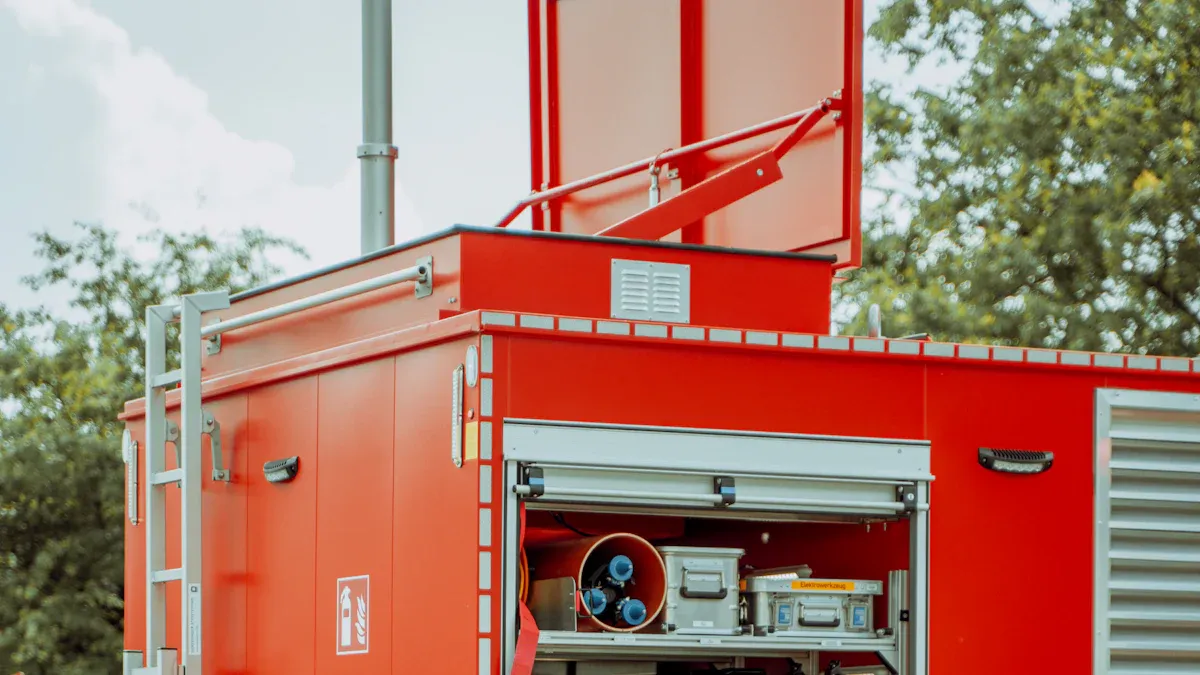
You use a Diesel Engine Long Shaft Vertical Turbine Fire Pump when you need to move water from deep underground sources to your fire protection system. This pump uses a diesel engine as its power source. It stands vertically and has a long shaft that reaches down to the water. The design helps you get water even if your facility loses electricity during an emergency.
The main parts of this pump work together to deliver strong and reliable water flow. Here is a table that shows the key components and their functions:
| Component | Function |
|---|---|
| Discharge Head | Houses the engine and provides the outlet for pressurized water |
| Driver (Motor/Engine) | Powers the pump |
| Column Pipe | Connects the discharge head to the pump bowl |
| Line Shaft | Transfers torque from the engine to the impellers |
| Pump Bowl Assembly | Contains impellers and diffusers in the water source |
| Bearings | Guide the shaft and reduce vibration |
How Does It Work?
You can count on this pump to start automatically when a fire detection system senses danger. The process follows these steps:
- The fire detection system activates the diesel engine.
- The engine sends torque down the line shaft through the column pipe.
- The impellers in the pump bowl assembly spin and draw water from the underground source.
- Pressurized water travels up the column and exits through the discharge head, ready to fight fires.
This system gives you a steady supply of water, even if the power goes out.
Typical Applications in Fire Protection
You will find Diesel Engine Long Shaft Vertical Turbine Fire Pumps in many places that need strong and reliable fire protection. Common applications include:
- Municipal and industrial water supplies that use deep wells or reservoirs
- Power plants and petrochemical facilities where high-pressure water is critical
- Large commercial complexes and airports that need high flow and pressure
- Agricultural and irrigation systems that use existing wells for fire safety
These pumps help you protect important assets and keep people safe in many different environments.
Key Features of Diesel Engine Long Shaft Vertical Turbine Fire Pump
Design and Construction
You will notice that the Diesel Engine Long Shaft Vertical Turbine Fire Pump uses strong materials and follows strict standards. The pump body often uses ductile iron or cast iron, which helps it last longer and resist corrosion. The shaft is usually made from stainless steel, while the impeller can be cast iron, bronze, or stainless steel. These choices make the pump tough and reliable in harsh environments.
| Component | Material Options |
|---|---|
| Pump Body | Ductile Iron, Cast Iron |
| Shaft | Stainless Steel |
| Impeller | Cast Iron, Bronze, Stainless Steel |
| Bowl | Cast Iron, Stainless Steel |
| Discharge Head | Cast Iron, Carbon Steel |
You can trust these pumps because they meet important standards. Here are some of the main standards:
| ASME Standard | Description |
|---|---|
| ASME B73.1 | Specification for horizontal and vertical pumps for chemical process use |
| ASME B106.1M/B106.1 | Design of transmission shafting |
| ASME B89.3.1 | Shaft alignment and tolerances |
| API 610 | Standards for centrifugal pumps in petroleum applications |
Tip: Stainless steel options like ASTM304, 316, and 416 help the pump work well in different conditions.
Diesel Engine Power and Advantages
You get several benefits when you use a diesel engine as the power source. Diesel engines are known for their reliability and can work in tough conditions. They do not need electricity, so your fire protection system stays ready even during power outages. Diesel engines also use fuel efficiently, which means you can run the pump for a long time without stopping for refueling.
- Diesel engines provide high performance and can move large amounts of water at high pressure.
- You can use these pumps in remote places or where power supply is not stable.
- Over time, you save money on maintenance because diesel engines are durable.
| Advantage | Description |
|---|---|
| Reliability | Diesel engines are known for their durability and can operate in harsh conditions. |
| High Performance | These pumps can deliver large volumes of water at high pressures for effective firefighting. |
| Independence from Electrical Supply | Ideal for remote locations or during power outages, ensuring firefighting resources are available. |
| Cost-Effective | Long-term savings on maintenance and reliability make them a wise investment despite higher initial costs. |
Long Shaft and Vertical Turbine Mechanism
The long shaft and vertical turbine design help you get water from deep wells or underground sources. This feature is important for buildings that need a steady and strong water supply for fire protection. The vertical turbine mechanism works well in tight spaces, making it a good choice for cities and high-rise buildings.
| Feature | Benefit |
|---|---|
| High-pressure capabilities | Ensures rapid and efficient water delivery during emergencies |
| Efficient operation in deep wells | Provides reliable water source for fire-fighting systems |
| Space-saving design | Allows installation in confined areas, ideal for urban settings |
You can count on the Diesel Engine Long Shaft Vertical Turbine Fire Pump to deliver high-pressure water quickly, which is vital during a fire emergency.
Reliability and Performance
You want a fire pump that works every time you need it. The Diesel Engine Long Shaft Vertical Turbine Fire Pump gives you that peace of mind. This pump starts quickly and runs even if the power goes out. You can trust it to deliver water at high pressure during emergencies.
Many facilities choose this pump because it has a strong track record. You will see it used in places where safety cannot be compromised. The diesel engine starts up fast and keeps running for long periods. You do not have to worry about electrical failures stopping your fire protection.
Note: Regular testing and maintenance help you keep the pump ready for action. Most systems include weekly or monthly test runs to check performance.
You get consistent water flow, even from deep wells or reservoirs. The vertical turbine design helps you avoid problems like air locks or loss of suction. You can count on steady water pressure, which is important for fighting fires in tall buildings or large complexes.
Here are some reasons why you can rely on this pump:
- It operates in harsh weather, including floods and storms.
- It resists corrosion and wear, so you get a long service life.
- It meets strict fire safety standards, giving you confidence in its performance.
- It handles high demand during emergencies without losing pressure.
| Reliability Factor | Benefit to You |
|---|---|
| Fast Startup | Immediate fire response |
| Long Run Time | Protection during long events |
| Durable Materials | Fewer breakdowns |
| Consistent Pressure | Effective firefighting |
You can depend on this pump to protect your facility when it matters most.
Diesel Engine Long Shaft Vertical Turbine Fire Pump Benefits in 2025
Compliance with Fire Safety Codes
You want your facility to meet the latest fire safety codes. In 2025, you must follow strict rules to keep people and property safe. The Diesel Engine Long Shaft Vertical Turbine Fire Pump helps you meet these requirements. Fire pump rooms that use diesel engines must have an automatic sprinkler system. This system protects the pump and the building. You need to install the sprinkler system according to NFPA 13. This code places your pump room in the Extra Hazard Group 2 category, which means you must use extra care and stronger systems.
| Requirement | Description |
|---|---|
| Automatic Sprinkler System | Fire pump facilities housing diesel engine pumps must be equipped with an automatic sprinkler system. |
| NFPA 13 Compliance | The sprinkler system should be installed following the guidelines of NFPA 13, categorizing the area as an Extra Hazard Group 2 occupancy. |
You should also know about changes to NFPA 20. Fire protection engineers keep up with these updates to make sure your system stays compliant. The Diesel Engine Long Shaft Vertical Turbine Fire Pump is UL Listed under UL1247. This means it meets international fire safety standards, including NFPA 20. You get a pump that works even if the power goes out. The pump uses dual battery systems for instant activation, so it is always ready when you need it.
- UL Listed under UL1247 for international compliance
- Meets NFPA 20 standards for fire pumps
- Works without electrical power
- Dual battery systems for quick startup
Tip: Always check for updates to fire codes before installing or upgrading your fire pump system.
Efficiency and Water Delivery
You need a fire pump that delivers water fast and with strong pressure. The Diesel Engine Long Shaft Vertical Turbine Fire Pump gives you both. It can move 500 gallons per minute (GPM), which is enough to fight large fires. The pump uses a vertical turbine design. This design works well with many water sources, such as deep wells or reservoirs. The impellers stay underwater, so you do not need to prime the pump. This feature saves you time during emergencies.
| Feature | Description |
|---|---|
| Variable Column Length | Adapts to different water levels, so you always get water when you need it. |
| Vertical Turbine Design | Works with many water sources, giving you flexibility. |
| Permanently Submerged Impellers | No need for priming, so you get fast and reliable water delivery. |
You get a strong and steady water supply. The diesel engine gives you power, even in remote places. The pump needs little maintenance because of its simple vertical shaft design. You can trust it to work every time.
- Consistent high-pressure water supply
- Reliable operation in remote locations
- Low maintenance needs
Note: A reliable water supply is key for fire safety. Make sure your pump can deliver the flow and pressure your building needs.
Adaptability to Challenging Environments
You may face tough conditions at your site. The Diesel Engine Long Shaft Vertical Turbine Fire Pump helps you handle many challenges. You can use this pump for fire protection, flood control, mining, and wastewater treatment. It gives you high-pressure water to fight fires. You can also use it to move water during floods or to remove water from mines. In wastewater plants, the pump lifts sewage for treatment or discharge.
| Application | Description |
|---|---|
| Fire protection | Essential for fire protection systems, providing high-pressure water to combat fire crises. |
| Control of floods | Used to remove excess water during flooding and reroute it to drainage channels. |
| Mining | De-waters mines to manage water buildup during underground operations. |
| Municipal Wastewater Treatment | Elevates sewage for further treatment or discharge in wastewater management processes. |
You do not need to worry about losing power. The diesel engine works without the electrical grid. This independence helps you stay ready for emergencies, even in remote areas or during blackouts.
- Works in remote or off-grid locations
- Handles harsh weather and site conditions
- Keeps running during power outages
Callout: Fuel independence means your fire pump will work when you need it most, no matter the situation.
Sustainability and Fuel Independence
You want a fire pump that not only protects your facility but also supports a cleaner future. In 2025, you can see how fire protection technology moves toward sustainability. The Diesel Engine Long Shaft Vertical Turbine Fire Pump helps you meet these new goals.
You use less energy with this pump because it runs only when needed. The diesel engine does not waste fuel during standby. You get efficient water delivery, which means you do not pump more water than you need. This saves both energy and water.
Many diesel engines now support cleaner fuels. You can use biodiesel or low-sulfur diesel to reduce harmful emissions. Cleaner fuel choices help you lower your carbon footprint. Some pumps even allow you to switch between fuel types, so you can choose the best option for your site.
Tip: Ask your supplier about engines that accept renewable fuels. This helps you plan for future regulations and environmental goals.
You gain fuel independence with this pump. You do not rely on the power grid. If a storm or blackout hits, your pump keeps working. You store diesel fuel safely on-site, so you always have a backup. This gives you peace of mind during emergencies.
Here is a table that shows how this pump supports sustainability and fuel independence:
| Feature | Benefit to You |
|---|---|
| Runs on cleaner fuels | Reduces air pollution and supports green goals |
| On-demand operation | Saves energy and water |
| Off-grid capability | Works during power outages or in remote areas |
| Fuel storage flexibility | Lets you prepare for long emergencies |
You help the environment and keep your facility safe at the same time. You also meet new rules about emissions and energy use. The Diesel Engine Long Shaft Vertical Turbine Fire Pump gives you a smart way to protect people and the planet.
Comparison with Other Fire Pump Types
Diesel Engine Vertical Turbine vs. Electric Fire Pumps
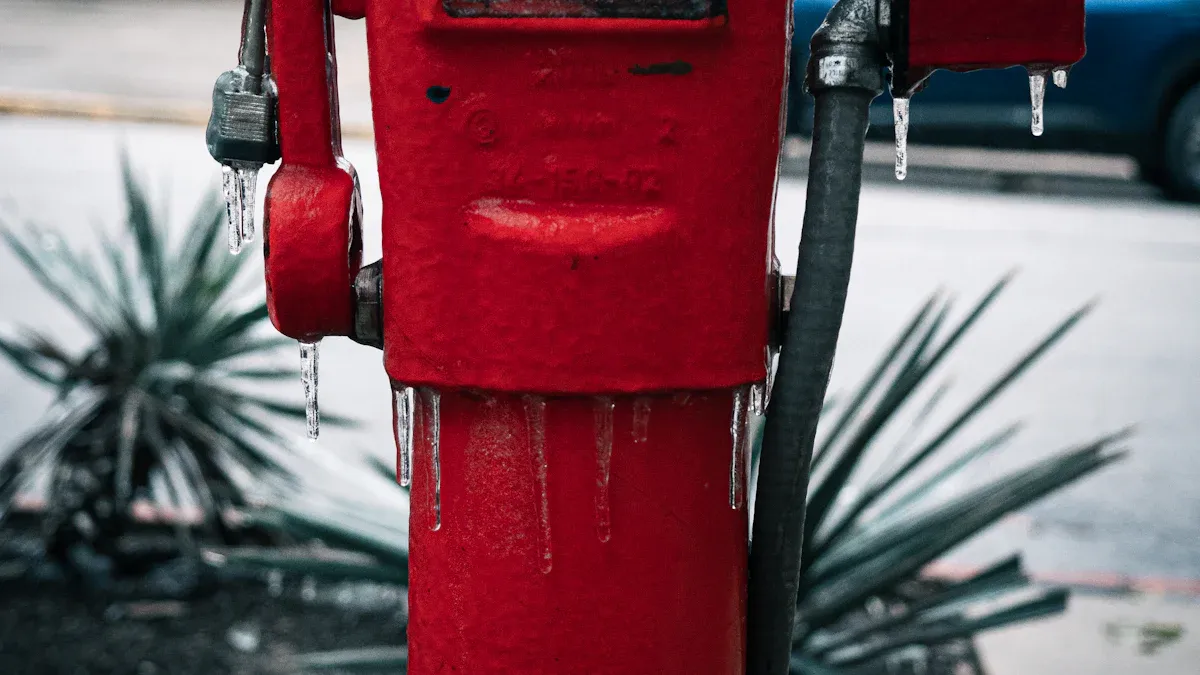
You may wonder how diesel engine vertical turbine fire pumps compare to electric fire pumps. Each type has unique installation and maintenance needs. Here are some key differences:
- Diesel engine pumps need a reliable backup power supply if your main power is not steady. Electric pumps require a dedicated main power source to keep running.
- Diesel pumps must have good ventilation. This prevents overheating and removes exhaust gases. Electric pumps do not need this extra ventilation.
- You will find that electric fire pumps usually need less maintenance. Diesel pumps have more moving parts and require regular checks.
Tip: If your facility often loses power, a diesel engine pump gives you more security. If you have a stable power supply, an electric pump may be easier to maintain.
Vertical Turbine vs. Horizontal Split Case Pumps
You can choose between vertical turbine and horizontal split case pumps based on your site needs. The table below shows how these two types compare:
| Feature | Vertical Turbine Pump | Horizontal Split Case Pump |
|---|---|---|
| Application | Deep water sources | Above-ground water sources |
| Orientation | Vertical | Horizontal |
| Installation | Needs precise alignment | Easier to install |
| Maintenance | More complex (submerged parts) | Easier (split casing) |
| Space Requirements | Minimal floor space | More floor space |
| Efficiency | High-head applications | High-flow applications |
You will see that vertical turbine pumps work well in tight spaces or deep wells. Horizontal split case pumps need more room but are easier to service.
Cost and Maintenance Considerations
You should think about both the price and the upkeep when choosing a fire pump. Diesel engine long shaft vertical turbine fire pumps have a higher initial cost. For example:
| Specification | Estimated Price (USD) |
|---|---|
| 2000 GPM, 250 ft head + Diesel | $25,000 – $38,000 |
You may pay more at first for a diesel engine pump. Over time, you will also spend more on maintenance because diesel engines have more parts that need care. Electric pumps usually cost less to maintain. Vertical turbine pumps save space but can be harder to service, especially the impellers. Horizontal split case pumps take up more room but make maintenance easier.
Note: Always balance your budget, space, and maintenance needs before you decide which fire pump is best for your facility.
You gain strong protection with a diesel engine long shaft vertical turbine fire pump. This pump works even during long power outages, which keeps your fire system ready in remote areas. You meet strict safety codes and enjoy dependable performance.
- NFPA 20 and IBC standards boost system resilience.
- Diesel engines work well when electricity is unstable.
- Regular checks keep your pump reliable.
| Trend | Description |
|---|---|
| Energy-efficient designs | Save fuel and support green goals |
| Smart monitoring | Use sensors for easy maintenance |
| Stricter regulations | Push for better fire safety |
Choose this pump to keep your facility safe and future-ready.
FAQ
What maintenance does a diesel engine long shaft vertical turbine fire pump need?
You should check oil levels, inspect the shaft, and test the engine weekly. Clean filters and replace worn parts as needed. Run the pump during regular fire system tests. This keeps your pump ready for emergencies.
Can you use this pump in areas without electricity?
Yes, you can. The diesel engine lets you run the pump even if the power goes out. You only need stored diesel fuel and regular maintenance. This makes it a good choice for remote or off-grid locations.
How long can the pump run during an emergency?
You can expect the pump to run as long as you have enough diesel fuel. Most systems store fuel for at least two hours of operation. You can add more fuel for longer emergencies.
What water sources work best with this pump?
You can use deep wells, reservoirs, or tanks. The long shaft design lets you reach water far below ground. This gives you flexibility in choosing a water source for your fire protection system.
Does this pump meet fire safety codes?
Yes. You get a pump that meets NFPA 20 and UL1247 standards. These codes help you keep your facility safe and compliant. Always check for the latest updates before installing your system.
Tip: Regularly review fire codes to keep your fire protection system up to date.
See Also
Understanding the Advantages of Commercial Heat Exchangers in 2025
Uncovering 5 Effective Methods for Single Stage Rotary Vane Vacuum Pumps
Innovations in Heat Exchanger Manufacturing Boost Industrial Efficiency
Benefits and Cost Evaluation of Plate Packs for 2025
Selecting the Ideal 10KW Diesel Generator for Your Requirements