DDI vs MDI vs TDI vs IPDI: Performance and Safety Compared
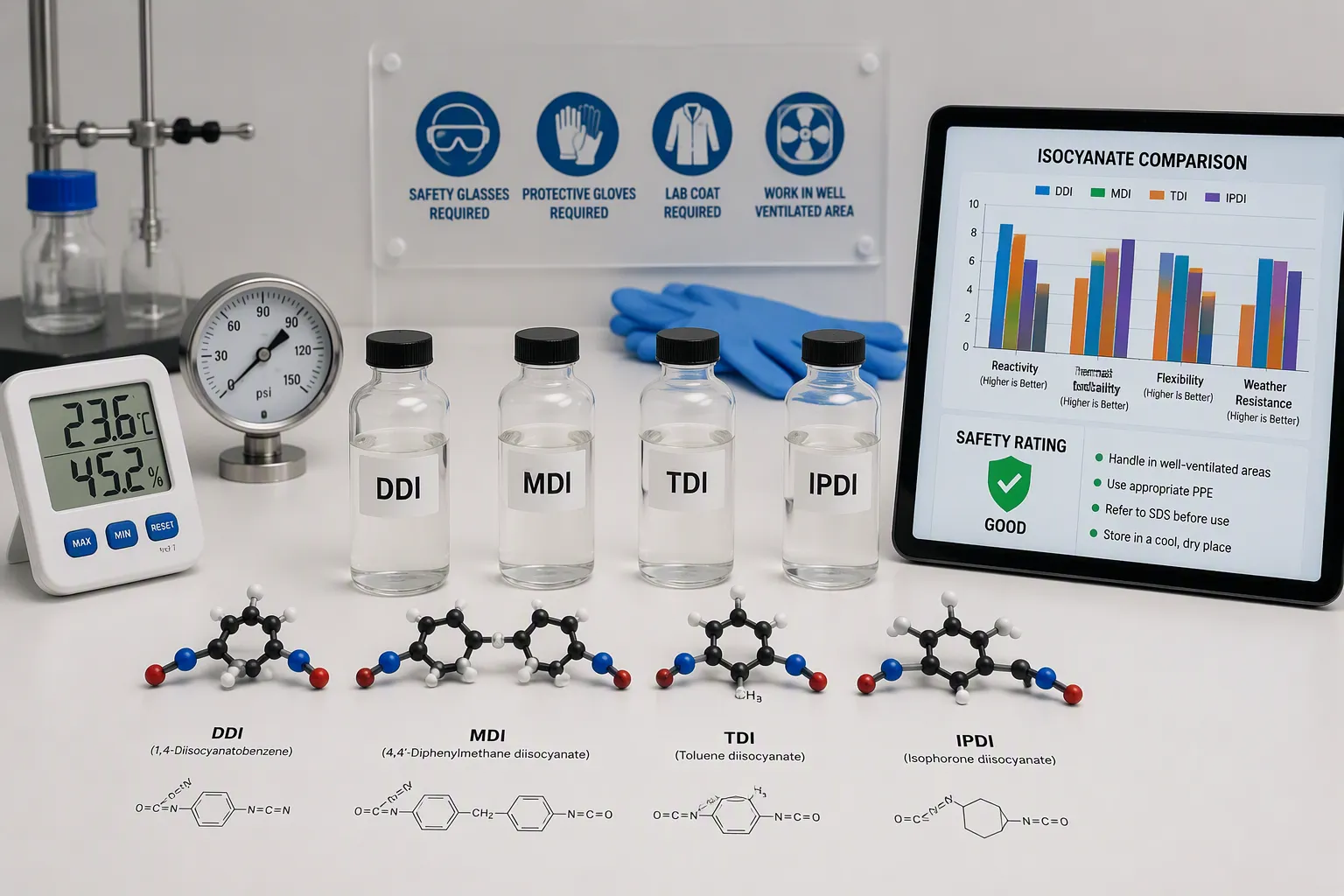
DDI (Dimeryl Diisocyanate) offers a unique balance of flexibility and low toxicity. MDI provides high strength for rigid foams. TDI reacts quickly but needs strict safety controls. IPDI excels in UV stability. Each isocyanate serves different needs. The right choice depends on performance, safety, and cost.
Key Takeaways
- Choose DDI for flexibility and low toxicity in medical, marine, and food-contact applications.
- MDI and TDI offer high strength and low cost but require strict safety controls due to health risks.
- IPDI provides superior UV stability for outdoor coatings, while DDI excels in hydrolytic resistance and durability.
Overview of Isocyanates
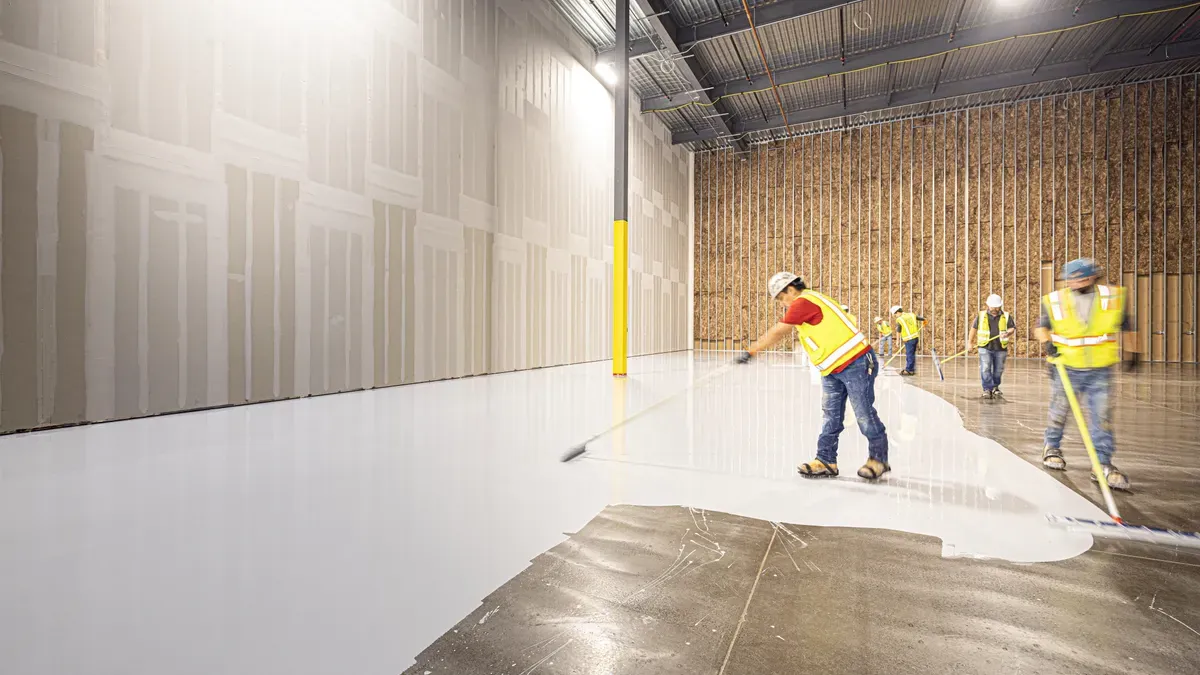
Isocyanates form a family of reactive chemicals used across many industries. Each type carries unique traits that determine its best use. Understanding these differences helps manufacturers choose wisely.
DDI – Dimeryl Diisocyanate
DDI (Dimeryl Diisocyanate) stands apart from other isocyanates. Its molecular structure features a long aliphatic backbone with two reactive isocyanate groups at each end. This design creates a high molecular weight and low vapor pressure. Low volatility means less material escapes into the air. Workers face reduced exposure risk during handling. DDI delivers flexibility and hydrolytic resistance that aromatic types cannot match. These properties make it valuable for medical devices, food-contact materials, and durable elastomers.
MDI – Methylene Diphenyl Diisocyanate
MDI ranks among the most widely used isocyanates worldwide. Manufacturers produce it in several grades with different properties. Standard grades show viscosity between 150–300 cP at 25°C and NCO content of 20–35 wt%. Low-viscosity grades range from 50–150 cP, while high-viscosity versions reach 500–2000 cP. This range allows formulators to select the right grade for rigid foams, structural adhesives, and high-strength coatings. MDI offers excellent mechanical strength and cost efficiency.
TDI – Toluene Diisocyanate
TDI provides fast reactivity that suits flexible foam production. However, its safety profile demands attention. The 80:20 mixture of 2,4- and 2,6-TDI shows a vapor pressure of 0.5 mmHg at 25°C. This volatility increases inhalation risk. The odor threshold sits at 2.1 ppm, which is 100 times higher than the OSHA permissible exposure limit of 0.02 ppm. Workers cannot rely on smell to warn them of danger. Proper ventilation and protective equipment remain essential.
IPDI – Isophorone Diisocyanate
IPDI belongs to the aliphatic isocyanate family. Its cyclic structure provides excellent UV stability and weather resistance. Outdoor coatings and automotive finishes benefit greatly from these properties.
| Feature | Aromatic (TDI, MDI) | Aliphatic (IPDI, DDI) |
|---|---|---|
| Curing Speed | Fast | Slower |
| UV Stability | Poor | Excellent |
| Mechanical Strength | High hardness | Superior chemical resistance |
| Cost | Lower | Higher |
The table above summarizes key differences. Aromatic types cure quickly and cost less. Aliphatic types resist weathering and maintain appearance longer. Each choice involves trade-offs between performance, safety, and budget.
Performance Comparison
Performance differences among these four isocyanates determine their best uses. Reactivity, mechanical strength, chemical resistance, and application fit all matter. Each isocyanate offers a distinct profile.
Reactivity and Curing Speed
Reactivity controls how fast a formulation cures. Faster curing speeds up production but leaves less working time. Slower curing allows more control but extends cycle times.
TDI leads the group in reactivity. Its aromatic structure reacts quickly with polyols. Flexible foam producers value this speed. They can pour, rise, and demold in minutes. The fast reaction suits high-volume production lines.
MDI follows closely behind. Its reactivity varies by grade. Polymeric MDI reacts slower than pure MDI. Formulators can adjust the cure rate by choosing different grades. This flexibility makes MDI useful across many processes.
IPDI reacts slower than aromatic types. Its aliphatic structure needs catalysts or higher temperatures to cure efficiently. This slower pace works well for coatings. Painters need time to apply and level the material before it sets.
DDI (Dimeryl Diisocyanate) also cures slowly. Its long aliphatic backbone reduces reactivity. This slower cure benefits adhesive and sealant applications. Workers can position parts before the bond forms. The extended working time reduces waste and improves accuracy.
Mechanical Properties
Mechanical properties determine how a finished product performs under stress. Hardness, flexibility, tensile strength, and elongation all matter. Each isocyanate creates different polymer structures.
MDI produces rigid, high-strength materials. Its compact aromatic rings pack tightly. This structure delivers excellent compressive strength. Rigid foams and structural adhesives rely on this property. MDI-based products resist deformation under heavy loads.
TDI creates softer, more flexible foams. Its asymmetric structure prevents tight packing. The resulting polymer chains move freely. Flexible foam cushions, mattresses, and seating benefit from this softness. TDI foams recover their shape after compression.
IPDI offers a balanced profile. Its cyclic structure provides moderate hardness. The material resists impact and abrasion well. Automotive clearcoats need this toughness. They face stone chips, scratches, and daily wear.
DDI (Dimeryl Diisocyanate) excels in flexibility. Its long hydrocarbon chains create elastomers with high elongation. These materials stretch and return without tearing. Polyurethane elastomers made from DDI maintain their shape over time. They also resist cracking at low temperatures. This combination suits demanding applications like conveyor belts and flexible seals.
| Property | DDI | MDI | TDI | IPDI |
|---|---|---|---|---|
| Hardness | Low to medium | High | Low to medium | Medium |
| Flexibility | Excellent | Poor | Good | Moderate |
| Tensile Strength | Good | Excellent | Good | Good |
| Elongation | High | Low | Medium | Medium |
Hydrolytic and Chemical Resistance
Hydrolytic resistance measures how well a material survives water exposure. Water can break down polyurethane chains over time. This breakdown weakens the material and shortens its lifespan.
Aromatic isocyanates struggle with hydrolysis. MDI and TDI form bonds that water attacks easily. Moisture, humidity, and liquid water degrade these materials gradually. Products made from aromatic types need protective additives or coatings.
Aliphatic isocyanates resist hydrolysis much better. IPDI forms stable bonds that withstand water exposure. Outdoor coatings benefit from this property. Rain, dew, and humidity do not break them down quickly.
DDI offers the best hydrolytic resistance of the group. Its long hydrophobic hydrocarbon backbone repels water. The polymer structure resists attack from moisture and many chemicals. This property makes DDI ideal for underwater applications, marine sealants, and medical implants. These products stay stable in wet environments for years.
Chemical resistance follows a similar pattern. DDI and IPDI resist acids, bases, and solvents better than aromatic types. MDI and TDI need careful formulation to achieve adequate chemical resistance.
Application Suitability
Each isocyanate fits specific applications based on its performance profile. Matching the right isocyanate to the job prevents failures and reduces costs.
MDI dominates rigid foam insulation. Its high strength and thermal performance make it the standard choice. Structural adhesives and binders also rely on MDI. Construction and refrigeration industries depend on these products.
TDI serves the flexible foam market. Mattresses, furniture cushions, and automotive seating use TDI-based foams. The fast reaction and soft final product match these needs perfectly.
IPDI shines in coatings that face sunlight and weather. Automotive clearcoats use IPDI to protect paint from UV damage. The material maintains gloss and color over years of exposure. IPDI also appears in automotive refinish coatings, where high UV resistance and durability are essential. These coatings keep vehicles looking new despite constant sun exposure. Industrial maintenance paints and marine coatings also benefit from IPDI's weather resistance.
DDI fits specialty applications that demand flexibility and durability. Medical devices, food-contact materials, and high-performance sealants use DDI. Its low toxicity and hydrolytic stability make it safe for sensitive environments. Adhesives that bond flexible materials also perform well with DDI.
Safety Comparison
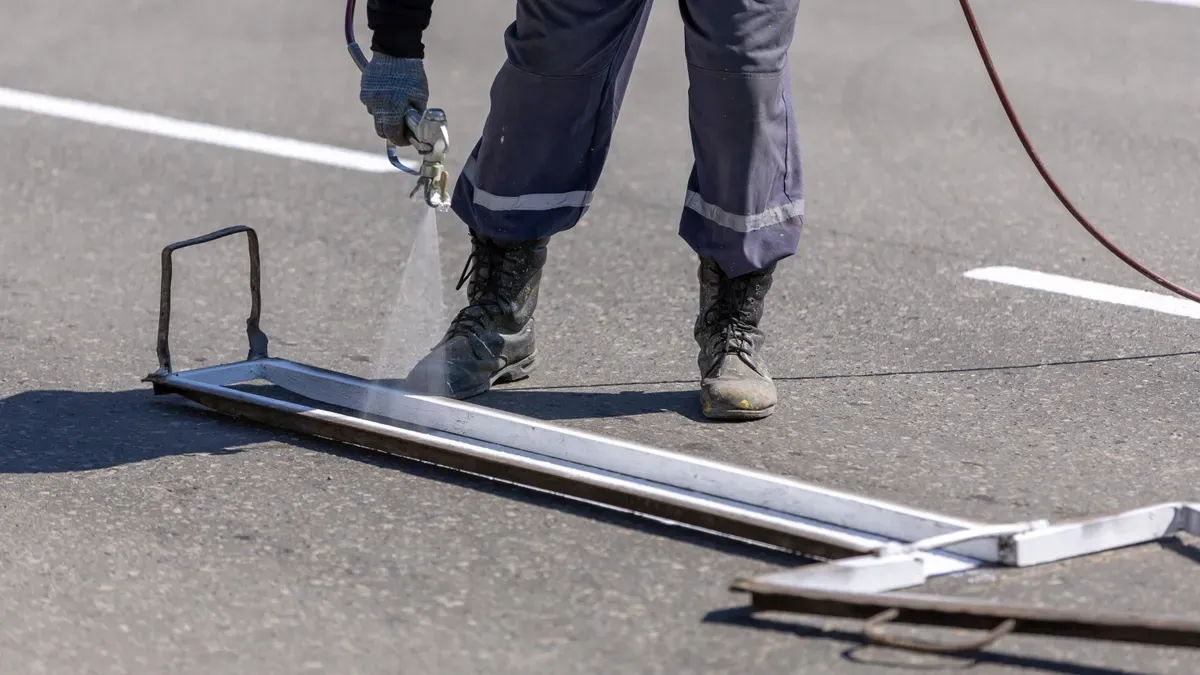
Safety considerations often determine which isocyanate a manufacturer can use. Each type presents unique hazards. Understanding these risks helps workers stay protected and companies remain compliant.
Toxicity Profiles
Toxicity varies significantly across these four isocyanates. Aromatic types pose the greatest health concerns. MDI and TDI can cause respiratory sensitization. This condition makes a person allergic to the chemical. Once sensitized, even tiny exposures trigger asthma-like symptoms. These reactions can become severe and permanent.
TDI presents the highest acute toxicity of the group. Its high vapor pressure means more molecules enter the air. Workers inhale these molecules easily. The OSHA permissible exposure limit for TDI sits at 0.02 ppm. The odor threshold is 2.1 ppm. Workers cannot smell danger before it reaches harmful levels. This silent threat makes TDI especially hazardous.
MDI has lower volatility than TDI. Its vapor pressure remains low at room temperature. However, heating or spraying MDI creates dangerous aerosols. These fine particles reach deep into the lungs. MDI also causes skin sensitization upon contact. Repeated exposure increases risk.
IPDI belongs to the aliphatic family. It shows lower toxicity than aromatic types. Still, IPDI can cause sensitization. Workers who handle it daily need proper protection. The cyclic structure does not eliminate risk entirely.
DDI (Dimeryl Diisocyanate) offers the most favorable toxicity profile. Its high molecular weight and low vapor pressure reduce inhalation hazards. The long hydrocarbon backbone limits skin penetration. Studies show lower sensitization potential compared to aromatic types. This safety advantage makes DDI suitable for medical and food-contact applications. Workers face fewer acute risks when handling this material.
Handling Precautions
Proper handling procedures protect workers from harmful exposure. Each isocyanate demands specific controls. The level of protection depends on the chemical's volatility and the task performed.
Ventilation stands as the first line of defense. NIOSH provides clear guidance for MDI spray applications. These recommendations apply to any isocyanate aerosol generation:
- Design a dedicated spray enclosure for isocyanate application
- Equip the enclosure with exhaust ventilation to capture contaminated air
- Maintain negative pressure inside the enclosure to prevent contaminant escape
- Provide clean make-up air to replenish exhausted air
- Position supply and exhaust vents to create a directed push-pull airflow
- Discharge exhaust high above the roof, away from air intakes and openings
- Use physical barriers and warning signs to control access to exhaust discharge areas
- Allow the ventilation system to run for at least three complete air exchanges after spraying
- Inspect and maintain ventilation equipment at least monthly
- Use supplemental local exhaust ventilation when spraying inside vans or trailers
- Conduct site-specific exposure assessments using the NIOSH REL of 0.2 mg/m³
Personal protective equipment provides the second layer of defense. Many workers underestimate skin exposure risks. NIOSH reports that most spray painters use thin latex gloves. These 4-5 mil gloves offer little protection against isocyanate coatings. Medium to thick nitrile gloves (6-8 mil) provide better defense. Proper glove selection prevents dermal sensitization that can lead to occupational asthma.
| PPE Type | Recommendation |
|---|---|
| Respiratory Protection | Use supplied-air respirator or air-purifying respirator with isocyanate cartridges; for VOCs, use organic vapor cartridges |
| Eye Protection | Safety goggles meeting ANSI Z87.1 and face shield |
| Skin Protection | Chemical-resistant nitrile gloves, protective coveralls, boots or shoe covers |
| Hearing Protection | Earplugs or earmuffs with appropriate NRR when noise exceeds 85 dB |
Workers must also follow hygiene practices. Wash hands before eating or smoking. Change contaminated clothing immediately. Store work clothes separately from personal items. These simple steps reduce secondary exposure.
Regulatory Compliance
Government agencies set strict rules for isocyanate handling. OSHA establishes enforceable exposure limits. NIOSH provides recommended exposure limits based on current research. EPA regulates environmental releases. Companies must follow all applicable standards.
OSHA sets permissible exposure limits for TDI and MDI. The TDI limit is 0.02 ppm as a ceiling value. MDI has a limit of 0.02 ppm as well. These limits protect workers from acute effects. OSHA also requires hazard communication training. Employers must label containers and provide safety data sheets.
NIOSH recommends even stricter limits in some cases. The NIOSH REL for MDI is 0.2 mg/m³ as a 10-minute ceiling. This recommendation reflects newer research on sensitization risks. Companies should aim for these lower levels when possible.
EPA regulations address isocyanate releases into the environment. The Clean Air Act lists certain isocyanates as hazardous air pollutants. Facilities must report large releases. Spill prevention plans help avoid environmental damage.
State regulations may add further requirements. California's Proposition 65 lists some isocyanates as reproductive toxins. Other states have similar programs. Companies must check local rules before starting operations.
Recordkeeping forms another compliance duty. Employers must document exposure monitoring results. Medical surveillance records track worker health over time. These records help identify early signs of sensitization. Regular review allows intervention before serious illness develops.
Training programs complete the compliance picture. Workers need annual refresher courses. New employees require comprehensive orientation. Training must cover hazard recognition, safe handling, emergency response, and proper PPE use. Written programs demonstrate commitment to safety.
Key Safety Takeaway: No isocyanate is completely safe. Each requires respect and proper controls. DDI (Dimeryl Diisocyanate) offers lower toxicity, but workers must still follow safety protocols. The safest approach combines engineering controls, personal protection, and thorough training.
Cost and Availability Considerations
Budget constraints often decide which isocyanate a manufacturer selects. Raw material prices vary widely across the four types. Supply chain factors also influence final costs. Companies must examine both elements before committing to a formulation.
Raw Material Costs
MDI and TDI remain the most economical choices. Large-scale production keeps their prices low. Global demand for foams and insulation drives steady manufacturing volumes. Economies of scale benefit buyers who need high quantities.
IPDI costs significantly more than aromatic types. Its complex synthesis requires multiple chemical steps. Smaller production volumes also raise the unit price. Manufacturers pay a premium for UV stability and weather resistance.
DDI (Dimeryl Diisocyanate) carries the highest price tag. The starting material, dimer acid, comes from natural fatty acids. This renewable source adds cost. Specialized production processes further increase expenses. Low production volumes mean fewer economies of scale.
| Isocyanate | Relative Cost | Primary Cost Driver |
|---|---|---|
| MDI | Low | High production volume |
| TDI | Low | High production volume |
| IPDI | Medium | Complex synthesis |
| DDI | High | Specialty raw materials |
Supply Chain Factors
Raw material availability affects pricing stability. MDI and TDI benefit from mature supply chains. Multiple producers operate worldwide. Competition keeps prices competitive. Buyers can source from several regions.
IPDI relies on fewer manufacturers. Specialty chemical companies dominate production. Supply disruptions create immediate price spikes. Buyers often sign long-term contracts to secure supply.
DDI faces the most constrained supply chain. Only a handful of producers make this material. The dimer acid feedstock comes from specific agricultural sources. Crop yields and processing capacity limit total output. Lead times run longer than other isocyanates. Buyers must plan carefully to avoid production delays.
Geopolitical factors also matter. Trade policies and shipping costs affect all isocyanates. Regional shortages can occur without warning. Smart buyers maintain buffer stock. They also qualify multiple suppliers when possible.
Cost Consideration: The cheapest isocyanate may not deliver the lowest total cost. Application failures, safety controls, and downtime add hidden expenses. DDI's higher price often pays off in demanding applications where durability matters.
Application-Specific Recommendations
Selecting the right isocyanate requires matching its properties to the specific demands of each application. Performance, safety, and cost all play a role in this decision.
Coatings and Adhesives
IPDI leads the market for exterior coatings. Its UV stability prevents yellowing and maintains gloss over years of sunlight exposure. Automotive clearcoats and industrial maintenance paints rely on this durability. MDI-based adhesives bond structural components with high strength. These adhesives cure quickly and resist heavy loads. For flexible bonding applications, DDI (Dimeryl Diisocyanate) offers a slower cure with excellent peel strength.
Elastomers and Sealants
Construction sealants must withstand movement, weather, and time. DDI-based polyurethanes excel in this environment. The table below shows key performance data.
| Property | DDI-Based Sealant Performance |
|---|---|
| Elongation | Higher elongation at break; superior fatigue resistance |
| Weathering Resistance | Reduced UV yellowing; slower outdoor degradation |
DDI (Dimeryl Diisocyanate) introduces flexible soft segments into the polymer backbone. These segments allow materials to deform under stress without cracking. This property makes DDI ideal for weather-resistant elastomeric materials and construction sealants.
Foams (Rigid and Flexible)
MDI dominates rigid foam insulation. Technical specifications show that MDI-based rigid polyurethane foam achieves compressive strength exceeding 200 kPa at 10% deformation. This performance occurs at foam densities of 30–50 kg/m³. Builders rely on this strength for structural insulation panels. TDI serves the flexible foam market instead. Mattresses and furniture cushions need the soft, recoverable structure that TDI provides.
Specialty and High-Performance Uses
Medical devices and food-contact materials demand low toxicity. DDI's favorable safety profile makes it the preferred choice. Its hydrolytic resistance also suits underwater applications and marine sealants. These products maintain stability in wet environments for years.
Selection Rule: Match the isocyanate to the application's primary requirement. Choose IPDI for UV resistance, MDI for strength, TDI for softness, and DDI for flexibility with safety.
DDI serves best for flexible, hydrolytically stable products needing low toxicity. MDI and TDI dominate cost-sensitive foam markets but require strict safety measures. IPDI excels in UV-resistant coatings. No single isocyanate wins universally. Balance reactivity, mechanical needs, safety, and cost. Always review safety data sheets and local regulations.
FAQ
Which isocyanate is the safest to use?
DDI offers the lowest toxicity profile among the four. Its low vapor pressure reduces inhalation risks. However, all isocyanates require proper protective equipment and ventilation during handling.
Can I substitute one isocyanate for another in my formulation?
No. Each isocyanate produces different mechanical properties, reactivity rates, and durability characteristics. Substituting without reformulation leads to product failure. Always consult technical data sheets before making changes.
Why does DDI cost more than MDI or TDI?
DDI uses specialty raw materials derived from natural fatty acids. Production volumes remain low compared to commodity isocyanates. Limited supply and complex manufacturing processes drive the higher price.
See Also
Benefits And Pricing Of Plate Packs In 2025
Comparing Leading Hospital Bed Lifts For Safety And Efficiency
Three Methods PHE Plates Boost System Efficiency In 2025