Act now with DDI (Dimeryl Diisocyanate) CAS NO. 68239-06-5 for water-tight polyurethanes
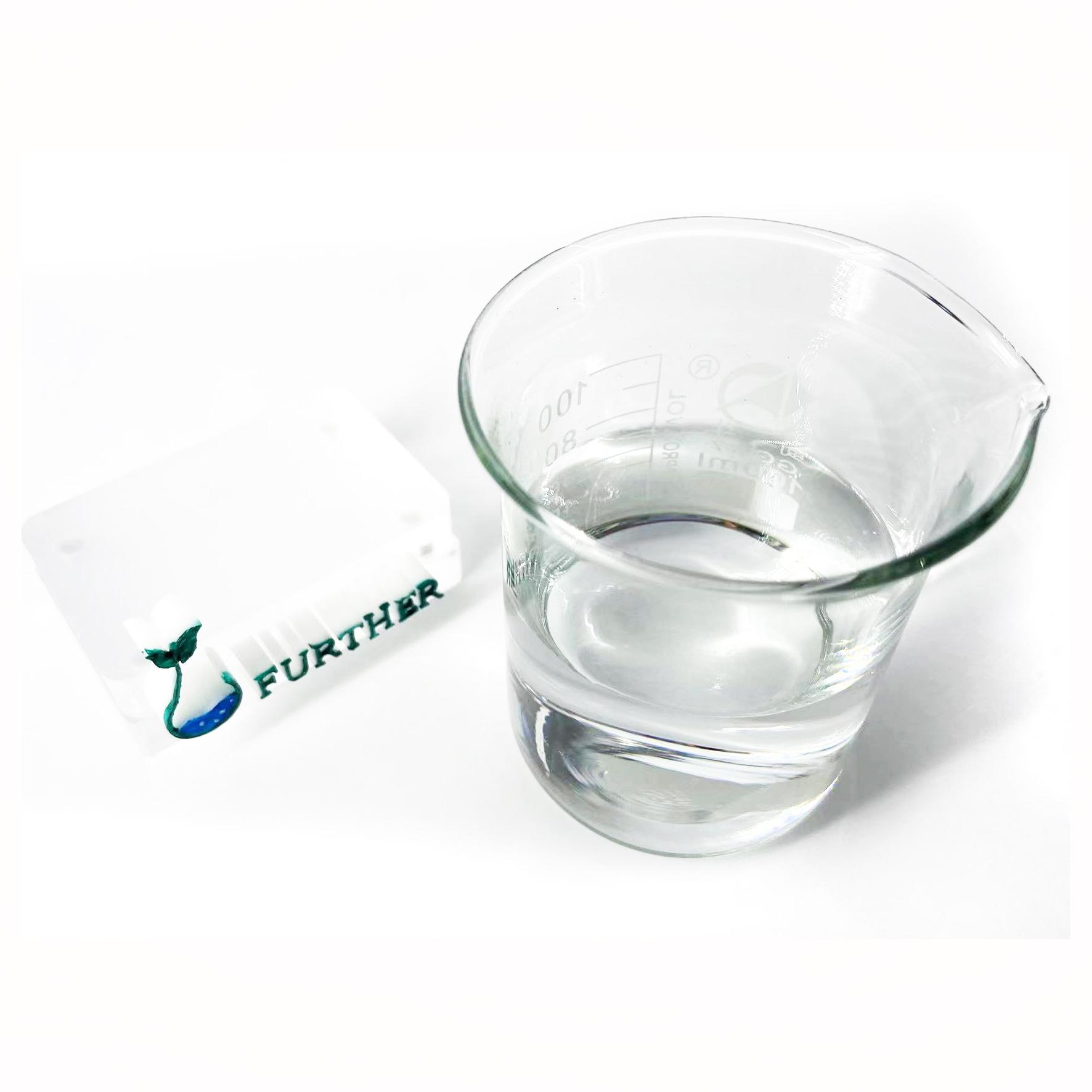
You often see water sensitivity cause problems in polyurethane coatings. Many products show low water contact angles, such as stainless steel at 76.3°, control polyurethane at 95.2°, and some antibacterial polyurethane coatings under 83°. DDI (Dimeryl Diisocyanate) CAS NO. 68239-06-5 removes these issues. Its unique structure lets you create water-tight and durable polyurethane products.
Key Takeaways
- DDI (Dimeryl Diisocyanate) creates water-tight polyurethanes that resist moisture, ensuring durability and longevity in various applications.
- Using DDI improves the performance of polyurethane products by reducing issues like blistering and waterproofing failures, leading to reliable results.
- Integrating DDI into your formulations is simple: choose the right polyol, mix under controlled conditions, and test for water resistance to achieve optimal performance.
Water Sensitivity in Polyurethanes
Definition and Impact
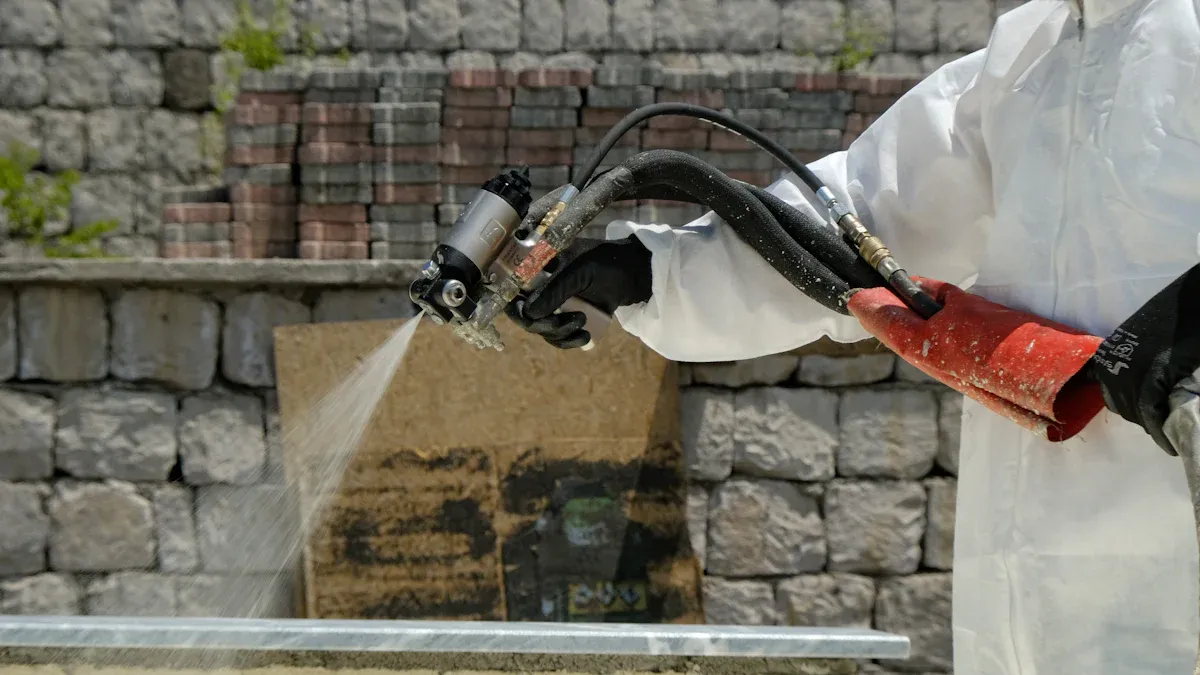
Water sensitivity affects how polyurethane products perform and last. When you use polyurethane in coatings or sealants, moisture can cause many problems. You may see blistering, waterproofing failures, or even material deterioration. Mold can grow if water leaks into the material. The table below shows the main impacts of water sensitivity on polyurethane products:
| Impact Type | Description |
|---|---|
| Moisture Sensitivity | Polyurethane products are highly sensitive to moisture, affecting their performance and lifespan. |
| Blistering | The PU layer can blister if not properly adhered to the substrate. |
| Waterproofing Failures | Improper application can lead to failures in the waterproofing system, causing water leakage. |
| Material Deterioration | Water leakage can lead to mold growth and material deterioration. |
You need to address these issues to make your polyurethane products reliable and long-lasting.
Challenges in Traditional Isocyanate Systems
Traditional isocyanate systems face several challenges when exposed to moisture. You often deal with unwanted reactions that reduce the quality of your polyurethane. Here are some common problems:
- Isocyanates react quickly with moisture, which can cause foaming and pressure build-up.
- The reaction forms ureas and carbon dioxide, depleting the available isocyanate.
- These issues make it hard to control the final properties of your product.
You can overcome these challenges by choosing advanced solutions like DDI (Dimeryl Diisocyanate) CAS NO. 68239-06-5. This option helps you create water-tight polyurethanes that resist moisture and last longer.
DDI (Dimeryl Diisocyanate) CAS NO. 68239-06-5: The Solution for Water-Tight Polyurethanes
Unique Chemical Properties of DDI
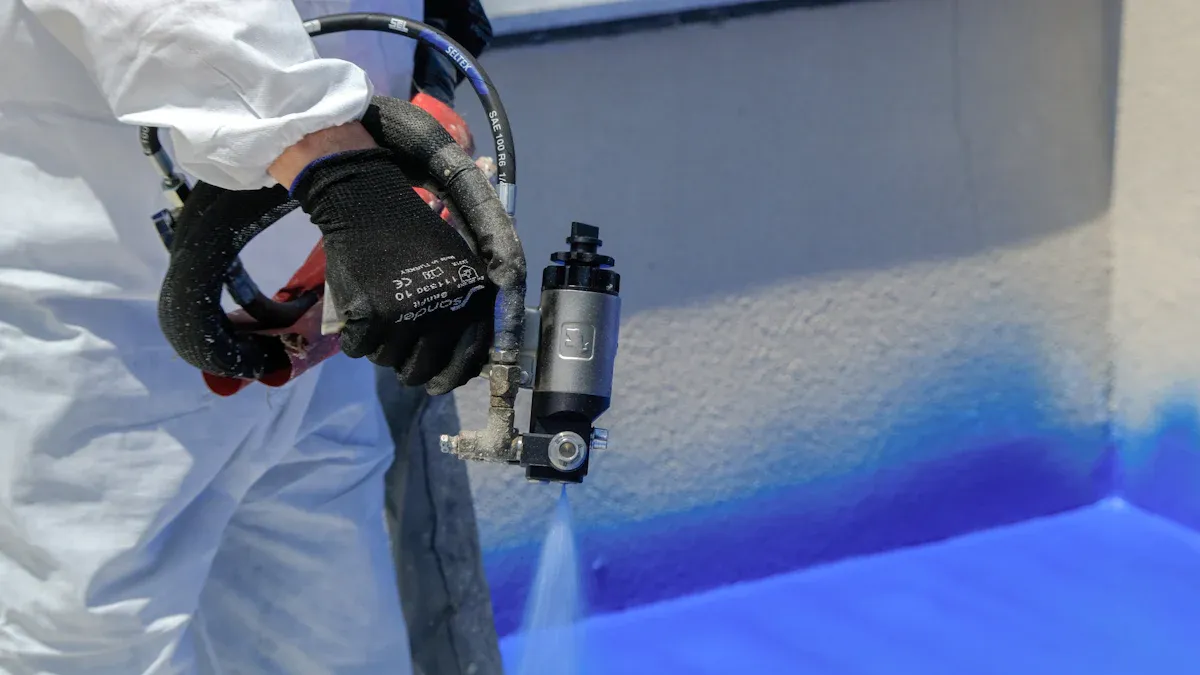
You want your polyurethane products to last and stay strong, even in wet conditions. DDI (Dimeryl Diisocyanate) CAS NO. 68239-06-5 stands out because of its special chemical structure. This compound has a long 36-carbon backbone, which gives it flexibility and strength. The low viscosity makes it easy for you to mix and handle. DDI also shows low toxicity, so you can use it safely in many applications.
Let’s compare DDI with other common isocyanates used in polyurethane production. The table below shows how DDI’s molecular weight, NCO content, and toxicity differ from other options:
| Specification | Relative molecular weight | NCO content, % | Hydrolysable chlorine, % | Steam pressure, mmHg | Melting point, ℃ | Toxicity |
|---|---|---|---|---|---|---|
| DDI | 600 | 13.6 ~ 15.2 | <0.05 | <0.001 (25℃) | -34.4 | low toxicity |
| IPDI | 222.2 | 37.8 | 0.02 | 0.003 (20℃) | -60 | middle toxicity |
| TDI | 174 | 48.3 | 0.01 | 0.042 (20℃) | 5 ~ 6.5 | highly toxicity |
| MDI | 250.26 | 33.6 | 0.05 | - | 38 | middle toxicity |
You can see that DDI (Dimeryl Diisocyanate) CAS NO. 68239-06-5 has a much higher molecular weight and lower toxicity than other isocyanates. This means you get a safer and more stable product.
Reaction Mechanism Compared to Other Isocyanates
When you use DDI, you get a different reaction pathway compared to traditional isocyanates. DDI reacts with polyols to form strong urethane bonds. The long carbon chain in DDI helps create a flexible network. This network resists breaking when exposed to water or stress.
Other isocyanates, like TDI or MDI, react quickly with water. This can cause foaming and weak spots in your polyurethane. DDI’s structure slows down unwanted reactions with moisture. You get better control over the curing process. Your final product stays smooth and strong, even if some moisture is present during application.
Tip: Using DDI helps you avoid common problems like bubbles or cracks in your polyurethane coatings.
Performance Results Under Water Exposure
You want your polyurethane products to perform well, even in wet or humid environments. DDI-based polyurethanes show excellent results when exposed to water for long periods. They resist hydrolysis, which means water does not break down the material easily. This leads to a longer service life for your products.
Here is a summary of how DDI-based polyurethanes perform under water exposure:
| Characteristic | Description |
|---|---|
| Hydrolytic stability | DDI-based polyurethanes resist water and humidity |
| Service life extension | They extend service life in wet or exposed environments |
You can trust DDI (Dimeryl Diisocyanate) CAS NO. 68239-06-5 to keep your polyurethane products water-tight and reliable. This makes it a smart choice for coatings, sealants, and other applications where moisture is a concern.
Benefits and Implementation of DDI (Dimeryl Diisocyanate) CAS NO. 68239-06-5
Enhanced Durability and Longevity
You want polyurethane products that last. When you use DDI (Dimeryl Diisocyanate) CAS NO. 68239-06-5, you get coatings and sealants that resist water and stay strong. Polyurethanes with DDI show less viscosity reduction and lower acid value generation after exposure to high humidity and heat. This means your products keep their shape and performance longer. You also see less yellowing, so your coatings look fresh even after UV exposure.
Application Versatility Across Industries
You can use DDI in many industries. It works well in fabric finishing, adhesives, elastomers, sealants, coatings, and inks. You find DDI in both military and civil applications. It helps you create waterproof fabrics, tough coatings for wood and metal, and flexible elastomers. You get reliable results whether you work in construction, textiles, or automotive.
Cost and Performance Advantages
You notice that DDI is eco-friendly and becoming more popular. Costs for DDI have decreased, but bio-based diisocyanates like DDI can still be pricier than traditional options. You pay more upfront, but you gain performance advantages. Polyurethanes with DDI resist decomposition and yellowing, so you spend less on repairs and replacements.
- DDI offers improved water resistance.
- You get better durability and color stability.
- You support green chemistry in your products.
Steps to Integrate DDI in Polyurethane Formulations
You can add DDI to your polyurethane formulations in a few simple steps:
- Select the right polyol for your application.
- Mix DDI with your polyol under controlled conditions.
- Adjust the ratio to achieve the desired flexibility and strength.
- Cure the mixture at recommended temperatures.
- Test the final product for water resistance and durability.
Tip: Always follow safety guidelines when handling isocyanates.
You can trust DDI (Dimeryl Diisocyanate) CAS NO. 68239-06-5 for water-tight, long-lasting polyurethane products. Many industries now choose this solution because of its safety, stable production, and growing market value.
- Market value rose from $120 million to $450 million in two years.
- Global regulations ensure safe and responsible use.
| Advantage | Description |
|---|---|
| Reduced Volatility | Less vapor, safer workplace |
| Stable Production | Reliable results for manufacturers |
FAQ
What makes DDI (Dimeryl Diisocyanate) special for water-tight polyurethanes?
You get a 36-carbon backbone. This gives your polyurethane strong water resistance, flexibility, and low toxicity.
Can you use DDI in different industries?
- You can use DDI in fabrics, coatings, adhesives, sealants, and inks.
- DDI works for both military and civil products.
How do you handle DDI safely?
| Safety Tip | Description |
|---|---|
| Wear gloves | Protect your hands |
| Use ventilation | Keep air fresh |
| Follow guidelines | Read safety instructions |