What Makes DDI Dimeryl Diisocyanate CAS 68239-06-5 the Preferred Choice for Manufacturers
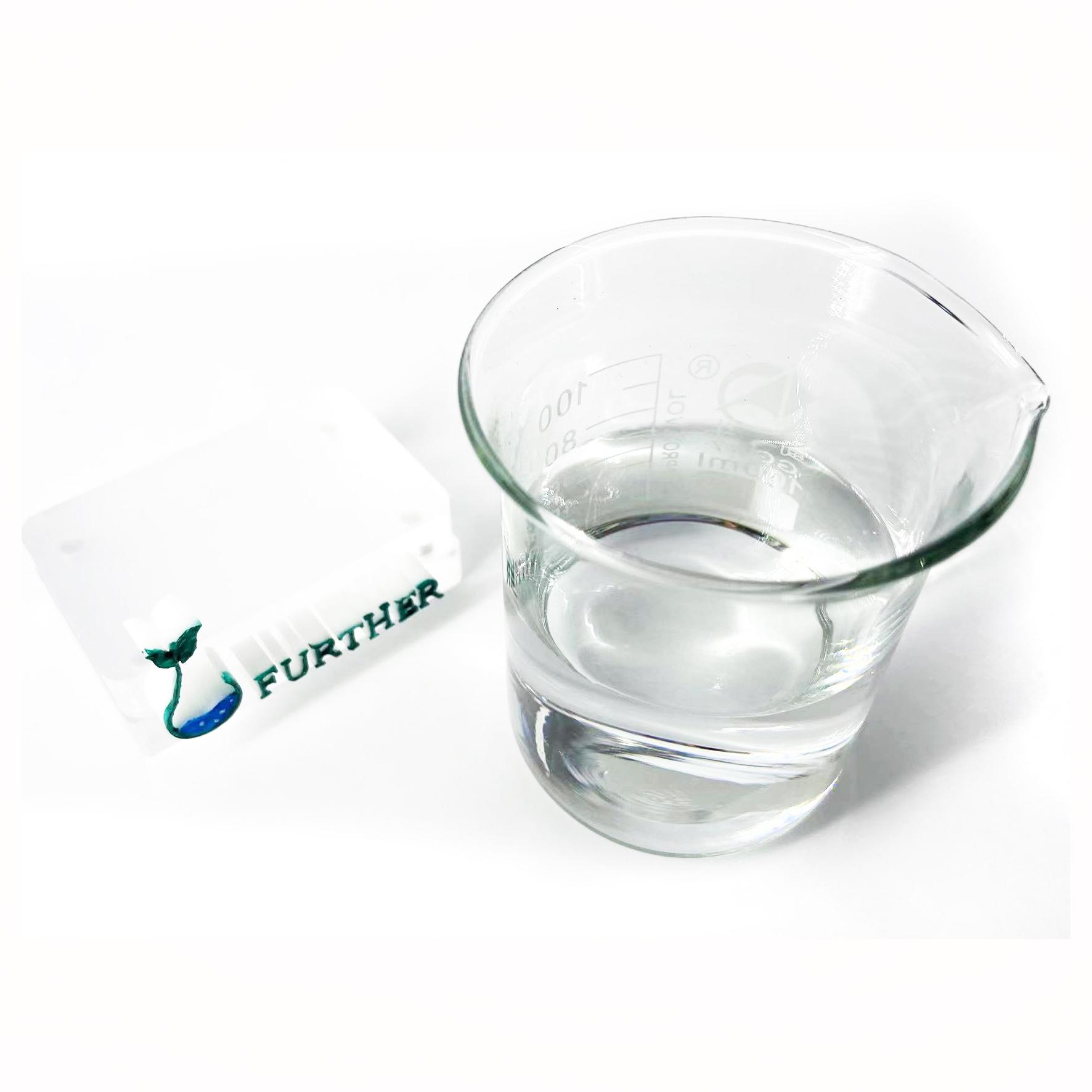
DDI (DIMERYL-DI-ISOCYANATE) CAS 68239-06-5 gives manufacturers a unique blend of flexibility and low toxicity. Its long-chain structure improves water resistance and compatibility with polymers. Explore the application and market prospect of DDI (DIMERYL-DI-ISOCYANATE), CAS No. 68239-06-5. Key performance metrics include:
| Property | DDI Value |
|---|---|
| Toxicity | Lower |
| Vapor Pressure | Lower |
| Moisture Insensibility | Increased |
Key Takeaways
- DDI Dimeryl Diisocyanate offers excellent flexibility and water resistance, making it ideal for products that need to stretch or stay dry.
- Its low toxicity profile ensures safer handling for workers, promoting a healthier work environment.
- DDI's non-yellowing property helps products maintain their original appearance, enhancing durability and aesthetic appeal.
Unique Properties and Performance of DDI (DIMERYL-DI-ISOCYANATE) CAS 68239-06-5
Distinct Chemical Structure and Physical Characteristics
DDI (DIMERYL-DI-ISOCYANATE) CAS 68239-06-5 stands out because of its long-chain aliphatic structure. This structure gives it unique physical and chemical properties. The 36-carbon backbone makes it different from other diisocyanates like HDI and IPDI. The table below shows how DDI compares to these common alternatives:
| Property | DDI | HDI | IPDI |
|---|---|---|---|
| Reactivity | Lower reactivity | Higher reactivity | Moderate reactivity |
| Flexibility | Highly flexible | Less flexible | Moderate flexibility |
| Hydrolytic Stability | Outstanding | Moderate | Moderate |
| Vapor Pressure | Extremely low | Higher | Higher |
| Working Time | Longer | Shorter | Moderate |
| Elongation at Break | Higher | Lower | Moderate |
| Application Suitability | Humidity and water exposure | General applications | General applications |
The physical properties of DDI (DIMERYL-DI-ISOCYANATE) CAS 68239-06-5 also make it easy to handle and process. It remains a colorless, transparent oily liquid at room temperature. The melting point is -34.4 ℃, and the viscosity is low, at or below 170 mPa.s at 20℃. These features help manufacturers achieve smooth mixing and application.
Superior Flexibility, Water Resistance, and Non-Yellowing
The long-chain structure of DDI (DIMERYL-DI-ISOCYANATE) CAS 68239-06-5 gives it high flexibility. This makes it ideal for products that need to bend or stretch without breaking. The table below highlights the flexibility and hydrolytic stability compared to other diisocyanates:
| Diisocyanate | Structure Type | Flexibility | Hydrolytic Stability | Applications |
|---|---|---|---|---|
| DDI | Long-chain aliphatic | High flexibility | Enhanced | Ideal for high-flexibility elastomers |
| HDI | Short-chain aliphatic | Lower flexibility | Moderate | Suitable for rigid coatings |
DDI (DIMERYL-DI-ISOCYANATE) CAS 68239-06-5 also offers excellent water resistance. Polyurethane and polyurea resins made from DDI show low water sensitivity. This means they do not absorb water easily and keep their strength even in wet conditions. Fabrics treated with DDI gain strong water- and oil-repellent properties.
DDI does not yellow over time. This non-yellowing property helps products keep their original appearance, even after long use or exposure to sunlight.
Manufacturers use DDI in coatings, sealants, and inks where color stability is important. The non-yellowing feature ensures that finished products look new for longer.
Low Toxicity and Safe Handling
DDI (DIMERYL-DI-ISOCYANATE) CAS 68239-06-5 has a lower toxicity profile than many other isocyanates. This makes it safer for workers and end-users. However, safe handling practices remain important in industrial settings. Workers should follow these safety protocols:
- Do not breathe dust, fumes, gas, mist, vapors, or spray.
- Use only outdoors or in a well-ventilated area.
- Wear protective gloves, clothing, eye protection, and face protection.
- Wear respiratory protection.
- Prevent contact with skin and eyes.
- Wash hands and exposed body parts thoroughly after handling.
- Use personal protective equipment as required.
- Observe all legal regulations on safety and health protection.
Dispose of DDI (DIMERYL-DI-ISOCYANATE) CAS 68239-06-5 in compliance with local and national regulations. Do not pour unused product into drainage systems, surface water, or groundwater. Entrust waste disposal to an authorized waste removal company. Empty containers may be recycled after proper cleaning.
Manufacturers appreciate the balance of safety and performance that DDI provides. The product also offers a shelf life of 12 months, which supports efficient inventory management.
Manufacturing Advantages and Application Versatility of DDI (DIMERYL-DI-ISOCYANATE) CAS 68239-06-5
Enhanced Product Durability and Processability
Manufacturers choose DDI (DIMERYL-DI-ISOCYANATE) CAS 68239-06-5 for its ability to improve product durability and simplify processing. The long-chain structure gives materials greater impact resistance and flexibility. Products made with DDI withstand harsh environments and repeated use. The low volatility of DDI allows safer handling during manufacturing. Workers experience fewer risks, and the process remains stable.
The following table shows key benefits and common applications:
| Key Benefits | Applications |
|---|---|
| Flexibility & Impact Resistance | Elastomers: Industrial rollers & damping |
| Hydrolytic & Weather Stability | Coatings: Anticorrosion & weather-resistant |
| Low Volatility & Safe Processing | Adhesives & Sealants |
| Electronic Encapsulation |
Manufacturers notice that DDI helps create products with longer lifespans. The process becomes easier, and the results are consistent.
Compatibility with Polymers and Solvents
DDI blends well with many polymers and solvents. This compatibility allows manufacturers to use DDI in a wide range of formulations. DDI dissolves in both polar and non-polar solvents. It mixes smoothly with Hydroxyl-Terminated Polybutadiene (HTPB), which helps create polyurethane products with low rigidity and high flexibility.
DDI enables the production of resins that resist abrasion and chemicals. These resins remain strong and flexible without the need for extra plasticizers.
Manufacturers can adjust their recipes to meet specific needs. DDI’s compatibility makes it easy to create custom solutions for different industries.
Versatile Applications Across Industries
DDI serves many industries because of its unique properties. Manufacturers use DDI in fabric finishing, elastomers, adhesives, sealants, coatings, and inks. The flexibility and water resistance of DDI make it suitable for products that must stretch, bend, or stay dry.
- Fabric finishing
- Elastomers
- Adhesives
- Sealants
- Coatings
- Inks
DDI helps create polymers that show excellent elasticity and ductility. These polymers resist environmental factors such as moisture and sunlight. Products made with DDI stay strong and look good for a long time.
Cost-Effectiveness and Supply Reliability
Manufacturers value DDI for its cost-effectiveness and reliable supply. The molecular formula is C36H66N2O2, and the isocyanate content ranges from 13.5% to 15.0%. DDI’s viscosity stays low, which makes it easy to handle and process. Manufacturers use DDI in solid rocket propellant, fabric finishing, wood preservative treatment, and special polyurethane elastomers.
Reliable suppliers ensure that DDI arrives on time and meets quality standards. For example:
- Ningbo Dongbo New Energy Co., Ltd.: On-time delivery 97.4%, 4.9/5.0 rating.
- Shandong Rhine River International Trade Co., Ltd.: On-time delivery 92.9%, 5.0/5.0 rating.
- Shandong S-Sailing Chemical Co., Ltd.: On-time delivery 100%, 4.9/5.0 rating.
Manufacturers trust DDI because it delivers consistent results and supports efficient production schedules.
DDI (DIMERYL-DI-ISOCYANATE) CAS 68239-06-5 stands out for manufacturers.
- The long-chain structure gives excellent flexibility.
- Low viscosity makes processing simple.
- Non-yellowing keeps products looking new.
- Superior water resistance and lower toxicity improve safety and quality.
Manufacturers achieve reliable and high-performing results.
FAQ
What industries use DDI Dimeryl Diisocyanate CAS 68239-06-5?
Manufacturers in textiles, adhesives, coatings, elastomers, and inks use DDI. They value its flexibility, water resistance, and non-yellowing properties.
Is DDI Dimeryl Diisocyanate safe to handle?
DDI has lower toxicity than many other diisocyanates. Workers should wear protective gear and follow safety instructions for handling.
How should DDI Dimeryl Diisocyanate be stored?
- Store DDI in a cool, dry place.
- Keep containers tightly closed.
- Avoid direct sunlight and moisture.
See Also
Exploring Industrial Uses And Solubility Of 2 5-Furandicarboxylic Acid
Creative Uses Of N,N-Dimethyl-N,N-Diphenylurea Across Industries
Research-Driven Strategies To Enhance 2 5-Furandicarboxylic Acid Sustainability
Comparing EHEDG Guidelines With 3A SSI Standards For Hygiene
Key Facts About WT20 Thoriated Tungsten Electrodes For TIG Welding