DDI Dimeryl Diisocyanate CAS 68239-06-5 in Eco-friendly Textiles
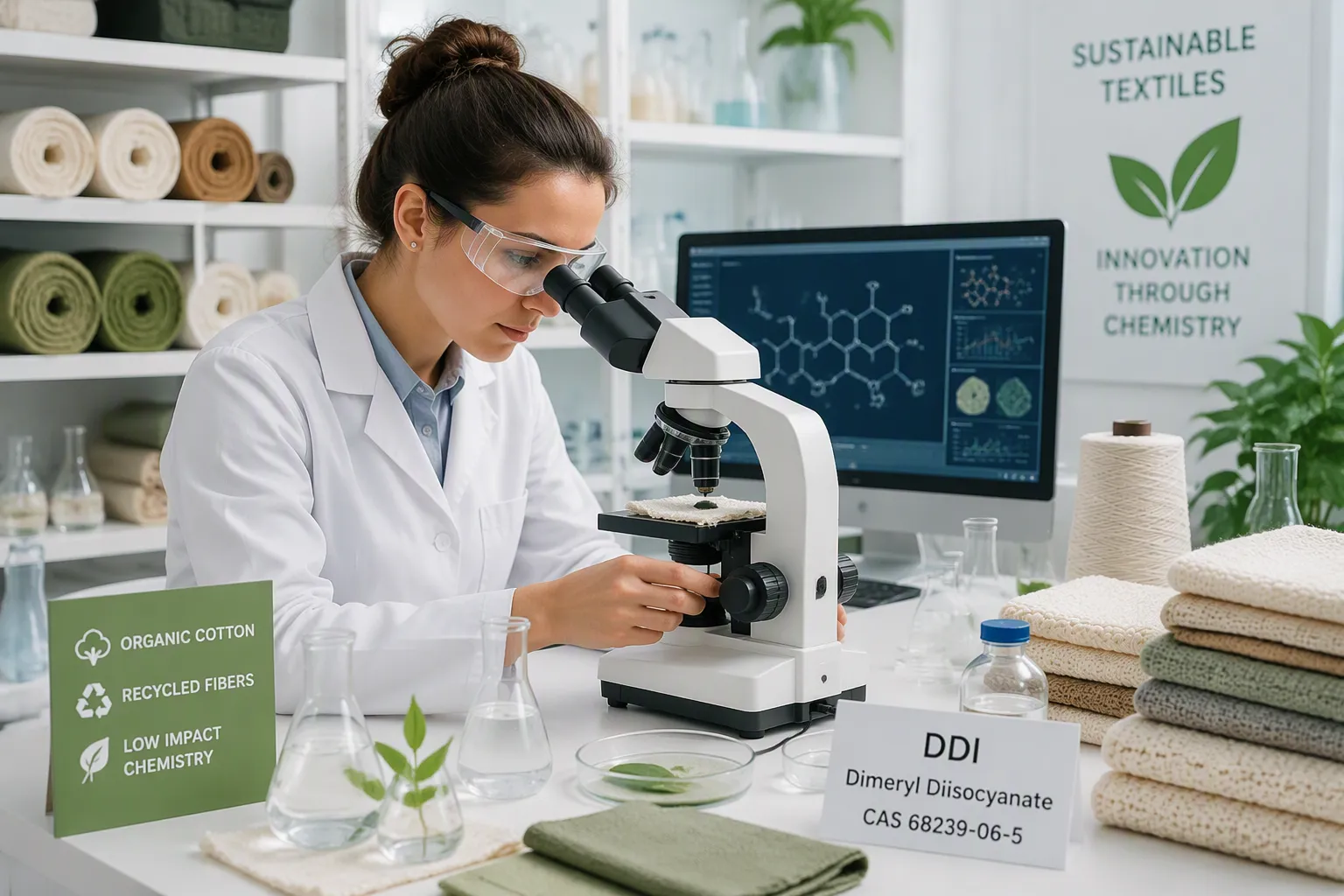
Replace petroleum-derived isocyanates with DDI (Dimeryl Diisocyanate) CAS No. 68239-06-5 in Eco-friendly Textiles. This bio-based compound from renewable dimer fatty acids offers low toxicity. DDI (Dimeryl Diisocyanate) CAS No. 68239-06-5 in Eco-friendly Textiles forms durable polyurethane systems. It helps you lower environmental impact without losing performance.
Key Takeaways
- DDI comes from renewable plant oils. It cuts petroleum use and shrinks your carbon footprint.
- DDI has low vapor pressure. This reduces inhalation risks and improves worker safety.
- DDI coatings and adhesives stay strong and flexible. They resist wear and yellowing after many washes.
What Makes DDI Dimeryl Diisocyanate CAS 68239-06-5 Eco-Friendly
Bio-Based Origin from Dimer Fatty Acids
You can trace DDI (Dimeryl Diisocyanate) CAS No. 68239-06-5 in Eco-friendly Textiles back to renewable plant oils. Manufacturers start with dimer fatty acids. These acids come from natural sources like castor oil or soybean oil. The process does not rely on petroleum. This reduces your dependence on fossil fuels. You also lower the carbon footprint of your textile production. The bio-based origin makes DDI a more sustainable choice. It aligns with green chemistry principles. You can use it in coatings and adhesives without compromising on performance.
Low Toxicity and Reduced Hazard Profile
DDI offers you a much safer alternative to conventional isocyanates like TDI and MDI. The key difference lies in its low vapor pressure. This property directly impacts inhalation risk. You can see the comparison in the table below.
| Property | DDI (Dimeryl Diisocyanate) | TDI (Toluene Diisocyanate) |
|---|---|---|
| Vapor pressure | Low (due to high molecular weight) | 0.5 mmHg at 25°C |
| Volatility | Low | High |
| Inhalation hazard | Reduced — less material escapes into air | Increased — more molecules enter the air and are easily inhaled |
| Worker exposure risk | Lower | Higher |
| Odor warning | Not specified | Odor threshold 2.1 ppm, far above OSHA PEL of 0.02 ppm — cannot rely on smell |
You can see that DDI releases far fewer harmful molecules into the air. This reduces your inhalation hazard during production. You do not need to rely on odor warnings. The low volatility means less evaporation. Your workers face lower exposure risk. You also meet stricter safety regulations more easily. This makes DDI (Dimeryl Diisocyanate) CAS No. 68239-06-5 in Eco-friendly Textiles a smart choice for safer manufacturing.
Biodegradability and Environmental Fate
The environmental fate of DDI-based polyurethanes is another advantage. These materials break down more readily than those made from petroleum-derived isocyanates. The dimer fatty acid backbone is susceptible to microbial attack. This means DDI-based coatings and adhesives can biodegrade in soil or water under the right conditions. You minimize long-term pollution. You also support circular economy goals. The end-of-life impact is lower. You can design textile products that leave a smaller environmental footprint.
Key Applications in Eco-friendly Textiles
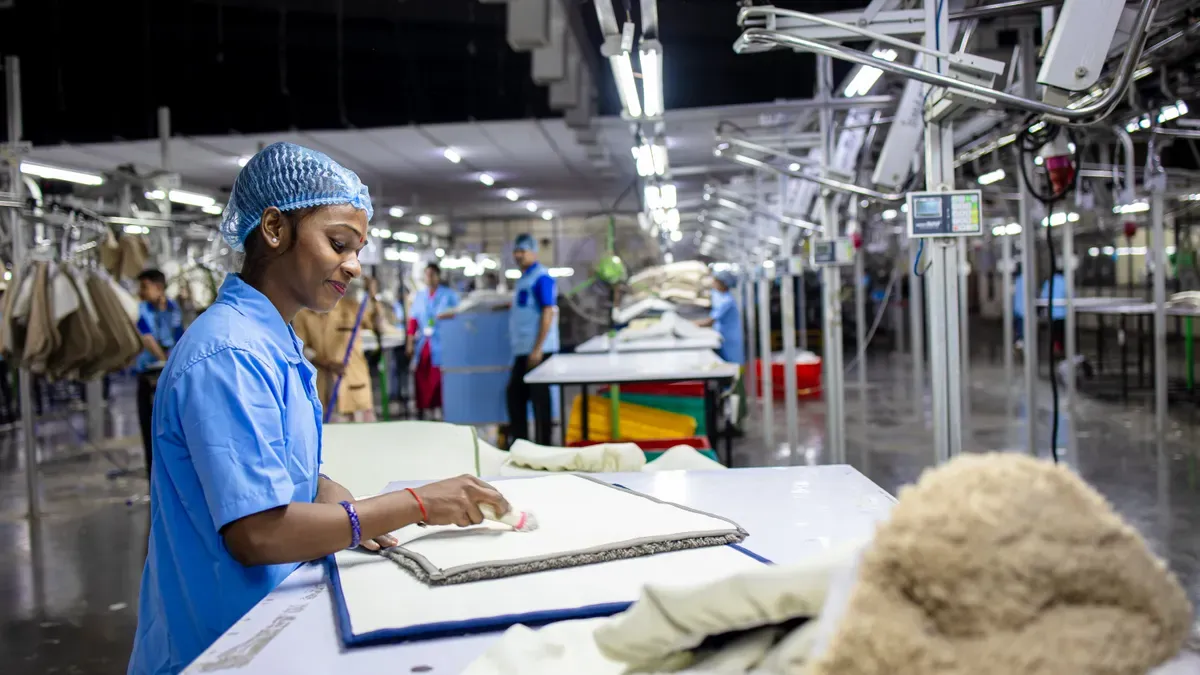
Waterborne Polyurethane Coatings for Fabrics
You can use DDI (Dimeryl Diisocyanate) CAS No. 68239-06-5 in Eco-friendly Textiles to create waterborne polyurethane coatings. These coatings replace solvent-based systems. They use water as the primary carrier. This change cuts volatile organic compound emissions dramatically. You get a durable film on the fabric surface. The coating protects the textile from wear and tear. It also adds a soft hand feel.
Different textile markets report specific performance gains from DDI-based coatings. You can see these results in the table below.
| Textile Application | Reported Performance Metrics |
|---|---|
| Sportswear | Improved polyurethane strength; enhanced abrasion resistance; increased chemical resistance (sweat, detergents); customizable comfort and durability via polyol compatibility |
| Medical Textiles | Soft and gentle on skin; flexible and strong; water and stain resistance; retains shape after repeated washing |
| Fashion | Non-yellowing and fade-resistant color; smooth finish; retains softness and shape after many wears; greater style and texture options |
| Smart Textiles | Flexibility and strength; stretch, bend, and long-lasting performance; used in automotive coatings/adhesives, electronics needing UV resistance and chemical stability, and industrial elastomers/foams |
| General DDI-treated fabrics | Waterproofness retained after many washes; maintained softness and flexibility; non-yellowing and crack resistance over time; durability and customization |
You can tailor the coating to your specific needs. The polyol component gives you control over flexibility and hardness. This lets you match the coating to the end use. A sportswear brand might want high abrasion resistance. A medical textile producer might prioritize skin softness. DDI gives you that versatility.
The application process works with standard textile coating equipment. You do not need to invest in new machinery. You can run waterborne DDI coatings on knife-over-roll coaters, padder systems, or spray units. The water evaporates during drying. The isocyanate groups react with chain extenders or water to form a crosslinked network. This network bonds tightly to the fabric fibers. The result is a coating that stays put wash after wash.
Eco-Friendly Adhesives for Laminate Textiles
Laminate textiles need strong adhesives. You bond two or more layers together to create a composite material. These materials appear in car interiors, outdoor gear, and protective clothing. Traditional laminating adhesives often contain solvents. They release harmful fumes during processing. DDI changes this picture.
You can formulate solvent-free or waterborne adhesives with DDI. These adhesives cure to form flexible bonds. The bonds resist heat, moisture, and mechanical stress. You get a laminate that holds together in tough conditions. The adhesive also stays clear. It does not yellow over time. This matters for visible textile surfaces.
The flexibility of DDI-based adhesives stands out. The long aliphatic chains in the DDI molecule give the cured adhesive a soft, rubbery character. This flexibility prevents cracking when the laminate bends or stretches. You can use these adhesives on flexible substrates like knits and nonwovens. The bond survives repeated flexing without failure.
You also gain processing advantages. Waterborne DDI adhesives dry at lower temperatures. You save energy. You reduce oven dwell time. The adhesive wets out the fabric surface well. This creates a uniform bond line. You avoid the streaks and gaps that plague some solvent-based systems.
Water-Repellent and Softening Finishes
Water repellency is a key performance feature for many textiles. You want rain jackets to shed water. You want upholstery to resist spills. Traditional repellent finishes often rely on long-chain fluorochemicals. These chemicals raise environmental concerns. They persist in the environment. They accumulate in living organisms. DDI offers a different path.
You can build water-repellent finishes around DDI chemistry. The isocyanate groups react with hydroxyl-functional silicones or fatty acid derivatives. This creates a hydrophobic surface on the fabric. Water beads up and rolls off. The finish also adds a soft, silky hand. You get repellency without the environmental baggage of fluorochemicals.
The softening effect comes from the molecular structure. DDI has long aliphatic chains. These chains act like internal plasticizers. They reduce fiber-to-fiber friction. The fabric feels smoother and more pliable. You can combine repellency and softening in a single finish. This saves processing steps. It also reduces water and energy use.
Durability is another strength. DDI-based finishes bond covalently to the fiber surface. They do not wash off easily. You retain water repellency after many laundering cycles. The softness also persists. The fabric does not stiffen over time. You deliver a product that performs well for the life of the garment.
You can apply these finishes using pad-dry-cure methods. The finish formulation goes into a pad bath. The fabric passes through the bath. Squeeze rollers remove excess liquid. The fabric then dries and cures. The DDI reacts with the fiber and with co-reactants in the formulation. The result is a durable, multifunctional finish.
Benefits of DDI in Sustainable Textile Production
Dramatic Reduction in VOC Emissions
You cut volatile organic compound emissions when you switch to DDI-based formulations. Traditional solvent-based coatings release harmful vapors into the air. These vapors contribute to smog and respiratory problems. Waterborne DDI systems use water as the carrier. You eliminate most organic solvents from your process. This change reduces VOC emissions by up to 90 percent. You meet strict air quality regulations with ease. Your facility also needs less ventilation equipment. You save on energy costs for air handling. The air around your production line stays cleaner. Your community benefits from improved air quality.
Enhanced Fabric Performance and Durability
DDI gives your textiles better performance in demanding conditions. The long aliphatic chains create flexible polyurethane networks. These networks resist cracking and yellowing over time. Your fabrics keep their softness after many washes. Water repellency stays strong through repeated laundering. The coating bonds tightly to fabric fibers. This bond prevents premature wear. Your products last longer. Customers get more value from every garment. You also reduce returns and complaints. The durability translates into less waste. This supports your sustainability goals.
Improved Worker Safety and Regulatory Compliance
You protect your workers when you use DDI instead of conventional isocyanates. DDI has low vapor pressure. Fewer molecules escape into the air. Your employees face lower inhalation risks. You do not need expensive respiratory protection equipment. Training becomes simpler. You also comply with stricter regulations more easily. Agencies like OSHA and EPA set limits on isocyanate exposure. DDI helps you stay well below those limits. You avoid fines and penalties. Your insurance costs may drop. Workers feel safer on the job. This improves morale and productivity.
DDI vs. Conventional Isocyanates in Textiles
Lower Toxicity Compared to MDI and TDI
You face real health risks with traditional isocyanates. MDI and TDI are volatile. They evaporate into the air. Workers inhale these vapors. This causes asthma and skin problems. DDI behaves differently. Its molecules are large and heavy. They stay in the liquid phase. You get far less airborne exposure. The table below shows the key differences.
| Property | DDI | MDI / TDI |
|---|---|---|
| Molecular weight | High | Low |
| Volatility | Very low | High |
| Inhalation risk | Minimal | Significant |
| Skin sensitization | Low | Moderate to high |
You breathe easier with DDI. Your workers stay healthier. You also spend less on protective gear.
Renewable Feedstock vs. Fossil-Fuel-Derived Chemicals
DDI starts with dimer fatty acids. These acids come from plant oils. You use castor oil, soybean oil, or other crops. Farmers grow these plants every year. The supply renews itself. MDI and TDI come from petroleum. You drill oil from the ground. This resource takes millions of years to form. It will run out one day. DDI breaks this chain. You support agriculture instead of drilling. Your carbon footprint shrinks. You also reduce your reliance on imported oil.
Comparable or Superior Bond Strength and Flexibility
You might wonder about performance. Does DDI match MDI and TDI? Yes. The long aliphatic chains in DDI create strong bonds. These chains also add flexibility. MDI and TDI form rigid networks. They can crack under stress. DDI-based polyurethanes bend without breaking. They resist yellowing from UV light. They hold up in washing and wear. You get equal or better durability. Your textiles last longer. Customers notice the difference.
Real-World Examples and Future Prospects
Case Studies in Automotive and Outdoor Apparel
Automakers now use DDI-based adhesives for interior laminates. These adhesives bond fabric to foam and plastic panels. The bonds resist heat and humidity inside a car. They also avoid the fogging problems that plague solvent-based systems. You get a cleaner interior with fewer odors.
Outdoor apparel brands have adopted DDI coatings for rain jackets and hiking pants. These coatings deliver water repellency without fluorochemicals. The fabric stays soft and breathable. You can wash the garment many times. The repellency remains strong. Field tests show these jackets keep wearers dry in heavy rain.
Integration with Circular Economy and Recycling
DDI supports recycling in two ways. First, the bio-based backbone breaks down more easily in industrial composting. Second, DDI-based polyurethanes can be chemically recycled. You can depolymerize the coating and recover the polyol. This polyol goes back into new formulations. You close the loop. You reduce raw material waste. You also cut the energy needed for virgin production.
Scalability and Cost Reduction Roadmap
DDI production is scaling up. New plants will increase supply. Higher volumes will lower the price per kilogram. You can expect costs to drop as demand grows. Formulators are also improving waterborne DDI systems. These systems need less DDI per batch. You get the same performance with less material. This roadmap makes DDI more affordable every year. You can plan your switch to sustainable textiles with confidence.
You now see why DDI (Dimeryl Diisocyanate) CAS No. 68239-06-5 in Eco-friendly Textiles leads the shift to greener production. Its bio-based origin, low toxicity, and VOC reduction meet your sustainability goals. Waterborne coatings and adhesives help you follow strict rules without losing quality. Continued innovation and scale-up will strengthen DDI's role in green textiles.
FAQ
Is DDI Dimeryl Diisocyanate safe for textile workers?
Yes. DDI has low vapor pressure. Few molecules escape into the air. Your workers face lower inhalation risks. You meet safety rules more easily.
Does DDI cost more than traditional isocyanates?
DDI costs more today. But production is scaling up. Higher volumes will lower prices. You also save on ventilation and protective equipment.
Can DDI match MDI and TDI performance?
Absolutely. DDI forms strong, flexible bonds. It resists yellowing and cracking. Your textiles last longer. You get equal or better durability.
See Also
Unconventional Applications Of N,N-Dimethyl-N,N-Diphenylurea In Various Industry Sectors
Proven Strategies For Improving 2,5-Furandicarboxylic Acid Environmental Impact
Exploring Usage And Dissolution Of 2,5-Furandicarboxylic Acid In Industry