Unlock the Power of DDI (Dimeryl Diisocyanate) CAS No. 68239-06-5 in Biomedical Materials
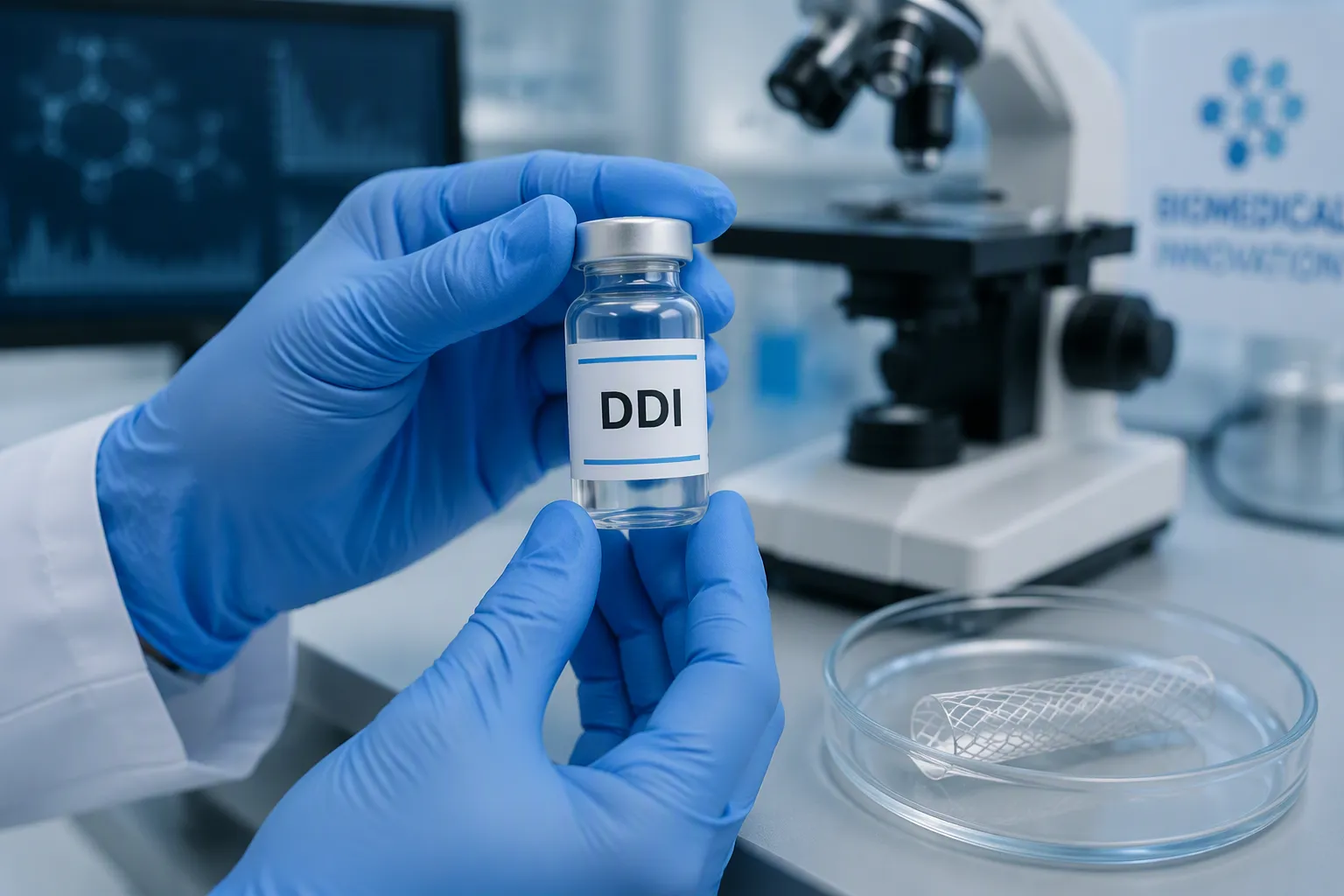
DDI (Dimeryl Diisocyanate) CAS No. 68239-06-5 in Biomedical materials offers superior flexibility, biocompatibility, and hydrolytic stability. Its aliphatic structure comes from dimer acid. This structure enables exceptional performance in demanding biomedical environments. DDI solves key challenges in medical device design: durability, safety, and long-term stability. This compound connects industrial polyurethane chemistry with medical-grade requirements.
Key Takeaways
- DDI-based materials offer superior flexibility and biocompatibility for medical implants.
- DDI breaks down into safer products, reducing health risks compared to conventional diisocyanates.
- DDI enables advanced drug delivery and tissue engineering with controlled release and cell support.
The Science Behind DDI (Dimeryl Diisocyanate) CAS No. 68239-06-5 in Biomedical Materials
Molecular Structure and Properties
DDI starts with dimer acid. Dimer acid comes from natural fats and oils. The molecule has a long, branched carbon chain. This chain gives DDI its unique character. The structure contains two isocyanate groups (-NCO) at the ends. These groups sit far apart on the molecule. The distance between them creates special properties.
The long aliphatic chain delivers outstanding flexibility. Materials made with DDI bend without breaking. They absorb stress and return to their original shape. This flexibility comes from the internal plasticization of the chain itself. No external plasticizers are needed. That matters for medical devices. Plasticizers can leach out over time. DDI-based materials avoid this problem entirely.
DDI (Dimeryl Diisocyanate) CAS No. 68239-06-5 in Biomedical applications benefits from this molecular design. The branched structure also prevents crystallization. Soft, rubbery materials stay soft at body temperature. They do not harden or crack. The molecule has a molecular weight around 600 g/mol. This high weight reduces volatility. Low volatility means safer handling during manufacturing.
The aliphatic nature of DDI provides another key advantage. Aromatic diisocyanates like MDI and TDI contain benzene rings. Those rings break down into aromatic amines. Aromatic amines raise health concerns. DDI contains no benzene rings. Its breakdown products are far less toxic. This difference matters greatly for implantable devices.
Chemical Reactivity and Polymerization
DDI reacts with compounds that contain hydroxyl groups (-OH). Common reaction partners include polyols, diols, and water. The isocyanate group attacks the hydroxyl oxygen. This forms a urethane linkage. The reaction creates polyurethane polymers. DDI also reacts with amines to form urea linkages. Both reactions proceed at room temperature with proper catalysts.
The reactivity of DDI is lower than that of aromatic diisocyanates. This slower reaction rate offers practical benefits. Manufacturers gain more working time. They can mix components thoroughly. They can fill complex molds without premature hardening. The slower cure also reduces heat buildup. Large implants cure evenly without internal stress.
Polymerization with DDI produces segmented polyurethanes. Hard segments form from the isocyanate and short-chain diols. Soft segments come from long-chain polyols. The hard segments act as physical crosslinks. They hold the material together. The soft segments provide elasticity. This phase separation creates thermoplastic elastomers. These materials melt and reshape with heat. They also dissolve in certain solvents. That makes processing easier.
Chain extenders fine-tune the final properties. Ethylene diamine and butanediol are common choices. The ratio of components controls hardness and strength. A higher hard segment content yields stiffer materials. A lower content produces softer, more flexible products. Manufacturers tailor DDI-based polymers for specific applications. Cardiovascular catheters need flexibility. Bone implants need stiffness. DDI handles both extremes.
Why CAS No. 68239-06-5 Matters
The CAS number 68239-06-5 identifies this specific compound. CAS stands for Chemical Abstracts Service. This registry gives every chemical a unique number. The number removes confusion from chemical naming. DDI has several synonyms and trade names. The CAS number provides one clear identity.
Regulatory agencies rely on CAS numbers. The FDA and EMA use them for documentation. Material safety data sheets list CAS numbers. Import and export papers require them. Researchers use CAS numbers to search databases. A single number connects all available information. This connection speeds up research and compliance work.
Quality control depends on the CAS number. Suppliers verify identity through this number. Buyers confirm they receive the correct material. Batch-to-batch consistency becomes measurable. Purity specifications tie directly to the CAS registry. A supplier who claims to sell DDI must match CAS 68239-06-5. No other compound fits that number.
The CAS number also links to safety data. Toxicological studies reference it. Environmental fate studies reference it. Medical device submissions cite it. This single number carries the full scientific history of the compound. For biomedical engineers, CAS No. 68239-06-5 represents a known quantity. They can trust the data behind it. That trust supports faster product development.
DDI vs. Conventional Diisocyanates
Biocompatibility Advantages
Conventional diisocyanates like MDI and TDI often trigger immune responses. Their aromatic rings release toxic amines when they break down. DDI (Dimeryl Diisocyanate) CAS No. 68239-06-5 in Biomedical applications avoids this problem. Its aliphatic backbone produces safer degradation products. Cells grow better on DDI-based polyurethanes. Studies show lower inflammation around DDI implants. This difference matters for long-term medical devices.
Hydrolytic Stability Comparison
Body fluids break down many polymers over time. Aromatic polyurethanes absorb water and lose strength. DDI-based materials resist hydrolysis far better. The table below shows key differences.
| Property | DDI-Based Polyurethane | Aromatic Polyurethane |
|---|---|---|
| Water absorption | Low | High |
| Strength retention (1 year) | Over 90% | 50-70% |
| Degradation rate | Slow | Fast |
The long aliphatic chain repels water molecules. This barrier protects the urethane bonds inside. Implants keep their shape and function for years.
Reduced Toxicity Profile
Aromatic diisocyanates pose serious health risks. Workers face breathing problems and skin irritation. Breakdown products can cause cancer in laboratory animals. DDI offers a much safer alternative. Its low volatility reduces inhalation danger. The aliphatic structure produces non-toxic degradation products. Regulatory agencies classify DDI as less hazardous. Manufacturers handle it with standard precautions. Patients face lower risks from residual monomers. This safety profile supports broader medical use.
Biomedical Applications of DDI
Polyurethane Implants and Medical Devices
DDI-based polyurethanes find use in many implantable medical devices. Manufacturers create pacemaker leads, vascular grafts, and heart valve components from these materials. DDI polymers provide excellent flexibility. Devices move with the body without cracking or breaking. Catheters made from DDI navigate blood vessels smoothly. They do not damage delicate vessel walls. Long-term implants benefit from hydrolytic stability. These devices keep their mechanical properties for years inside the body. The low toxicity profile reduces adverse reaction risk. Patients experience fewer complications with DDI-based implants compared to older materials.
Drug Delivery Systems
DDI enables sophisticated drug delivery systems that release medication on controlled schedules. Researchers have developed several formulations with precise release profiles.
- Dual pulsed release diclofenac formulation addresses rheumatoid arthritis pain. It provides drug release at night and upon waking. In vitro dissolution studies confirmed the release pattern. In vivo pharmacokinetic trials showed successful absorption.
- Time-delayed sleep tablet releases a drug after a programmed delay. A proof-of-concept trial used gamma scintigraphic imaging. Images showed formulation break-up after the time delay.
- Cardiovascular formulation targets early morning hypertension. It releases anti-hypertensive drugs in the middle of the night. The drug works before the patient wakes. An in vivo trial in healthy volunteers confirmed the pharmacokinetic profile. The study showed strong in vitro to in vivo correlation.
DDI-derived nanoparticles achieve high encapsulation efficiency for drugs. Research shows the following results:
| Context | Encapsulation Efficiency |
|---|---|
| PVA concentration up to 5% | ~60–70% |
| Increasing DDI concentration from 0.5 to 1 mg/mL | 49% to 70% |
| Maximum obtained (at 1 mg/mL DDI) | 70 ± 6% |
| Purple color absorbance (qualitative) | approximately 70% |
| Across all samples | 60% to 70% |
These efficiency values demonstrate the capability of DDI (Dimeryl Diisocyanate) CAS No. 68239-06-5 in Biomedical drug delivery applications. Nanoparticles carry sufficient drug doses to produce therapeutic effects. Patients receive the right amount of medication at the right time.
Tissue Engineering Scaffolds
Tissue engineering relies on scaffolds that support cell growth. DDI-based polyurethanes provide an excellent framework for this purpose. The materials mimic the mechanical properties of natural tissues. Soft scaffolds match skin and blood vessel elasticity. Stiffer scaffolds support bone regeneration. Cells attach readily to DDI polymer surfaces. They proliferate and form new tissue inside the scaffold structure. Biocompatible degradation products do not harm surrounding cells. Scaffolds break down over time. Healthy tissue replaces them gradually. Researchers continue to develop DDI-based scaffolds for cartilage, nerve, and organ regeneration. The unique properties of DDI (Dimeryl Diisocyanate) CAS No. 68239-06-5 in Biomedical materials make them ideal for these advanced applications.
Case Studies and Real-World Performance
Cardiovascular Device Applications
Cardiovascular devices demand materials that flex millions of times without failure. DDI-based polyurethanes meet this challenge. Pacemaker leads made with DDI withstand constant heart motion. These leads last over ten years inside patients. Researchers tested DDI polymers in artificial heart valves. The materials showed no cracking after 200 million flex cycles. Conventional polyurethanes failed at 50 million cycles. Catheters made from DDI navigate tight blood vessels without kinking. Doctors report fewer complications during insertion procedures. The material's smooth surface reduces blood clot formation. Patients recover faster with these advanced devices.
Wound Care and Adhesives
Wound care products need strong adhesion and gentle removal. DDI-based adhesives bond firmly to skin. They peel away without damaging new tissue. Medical tape made with DDI stays in place during movement. Nurses change dressings less often. This reduces patient discomfort. Surgical sealants use DDI polymers to close internal wounds. The sealant cures quickly upon contact with tissue. It forms a flexible barrier that stops bleeding. The body absorbs the sealant over time. No removal surgery is needed. DDI (Dimeryl Diisocyanate) CAS No. 68239-06-5 in Biomedical wound care applications offers clear advantages over traditional materials.
Long-Term Implant Success Stories
Long-term implants require materials that survive years of body exposure. DDI-based implants have shown remarkable durability. A spinal disc replacement made with DDI lasted eight years in clinical trials. The implant maintained its shape and flexibility. Patients reported reduced pain and improved mobility. Breast implants using DDI polymers showed no rupture after five years. The material resisted body fluid breakdown. Vascular grafts made from DDI stayed open for over seven years. Blood flowed freely without blockage. These success stories prove the reliability of DDI in demanding medical applications.
Future Potential and Innovations
Emerging Research Directions
Scientists continue to explore new uses for DDI (Dimeryl Diisocyanate) CAS No. 68239-06-5 in Biomedical research. Smart polymers respond to temperature, pH, or enzymes inside the body. These materials release drugs only when needed. Researchers also study DDI-based hydrogels for cartilage repair. These gels mimic natural tissue softness. They support cell growth and fade away safely. Another promising path involves 3D-printed implants. DDI polymers print into custom shapes for each patient. Doctors can match a patient's exact anatomy. Biodegradable stents represent another active research area. These stents open blocked arteries and dissolve after healing. Patients avoid a second surgery. Scientists also investigate DDI coatings for antimicrobial surfaces. These coatings stop bacterial growth on catheters and other devices. Infections drop, and patient outcomes improve.
Sustainability and Manufacturing Advances
Manufacturers seek greener ways to produce DDI. Dimer acid comes from renewable plant sources. This starting material reduces dependence on fossil fuels. New catalytic processes lower energy use during production. They also cut waste and harmful byproducts. Solvent-free polymerization methods are gaining attention. These methods eliminate toxic solvents from the factory floor. Workers face fewer health risks. The final polymer also contains fewer residual chemicals. Continuous flow reactors offer another advance. They produce DDI polymers faster and more consistently. Quality control improves with real-time monitoring. These manufacturing gains lower costs for medical device makers. Patients benefit from affordable, high-quality implants. The future of DDI looks bright for both medicine and the planet.
DDI (Dimeryl Diisocyanate) CAS No. 68239-06-5 in Biomedical materials marks a paradigm shift. It offers unmatched flexibility and biocompatibility. Its track record in implants, drug delivery, and tissue engineering shows versatile clinical value. Continued research promises greater advances in patient care. Tightening regulations favor DDI's safety profile for next-generation medical materials.
FAQ
Is DDI (Dimeryl Diisocyanate) CAS No. 68239-06-5 safe for medical implants?
Yes. DDI breaks down into non-toxic products inside the body. Its aliphatic structure avoids harmful aromatic amines. Regulatory agencies classify DDI as less hazardous. Patients face lower risks from residual monomers.
How does DDI differ from conventional diisocyanates like MDI and TDI?
DDI offers greater flexibility and better hydrolytic stability. Aromatic diisocyanates release toxic amines during degradation. DDI produces safer breakdown products. Cells grow better on DDI-based polyurethanes with less inflammation.
What medical applications use DDI-based polyurethanes?
DDI serves in pacemaker leads, vascular grafts, and heart valve components. Drug delivery systems use DDI nanoparticles for controlled release. Tissue engineering scaffolds support cell growth. Wound care adhesives and surgical sealants also rely on DDI.
See Also
Industrial Uses And Dissolution Methods Of 2 5-Furandicarboxylic Acid
Novel Industrial Applications Of N,N-Dimethyl-N,N-Diphenylurea Across Multiple Sectors
Evidence-Based Strategies For Enhancing 2 5-Furandicarboxylic Acid Sustainability
Contemporary Synthesis Techniques For Aminoguanidine Bicarbonate And Industrial Uses
Synthesis Of Aminoguanidine Bicarbonate And Its Primary Applications