Experience Superior Flexibility Using DDI Dimeryl Diisocyanate CAS No. 68239-06-5
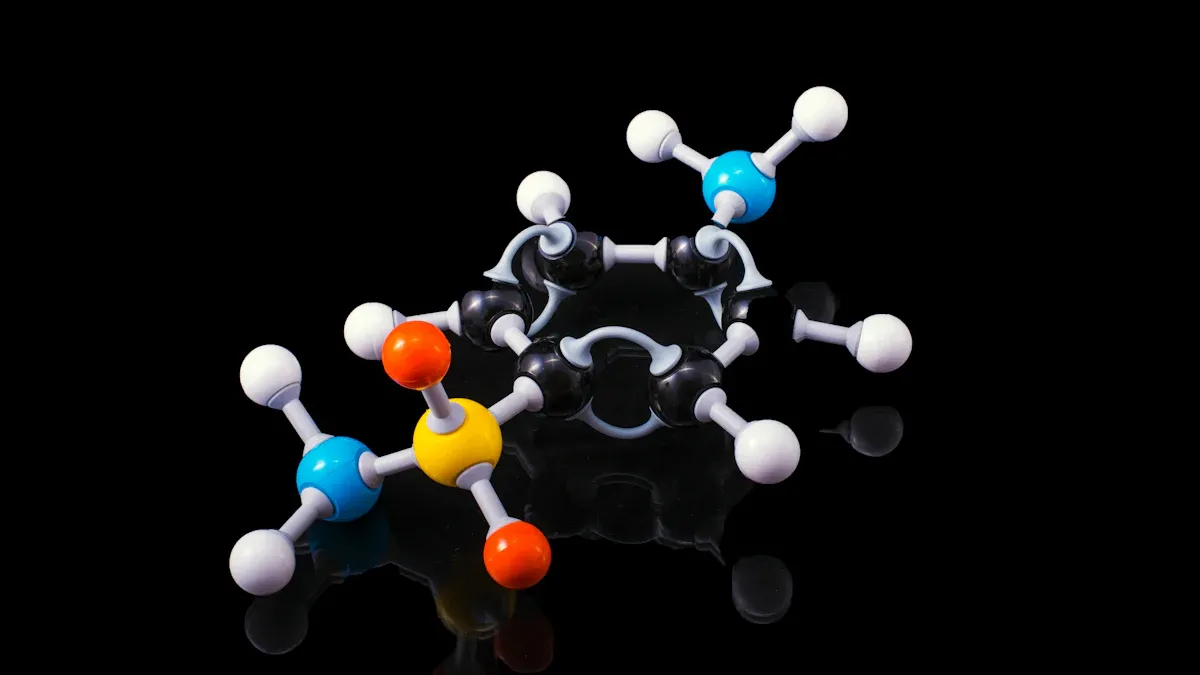
You can rely on DDI (Dimeryl Diisocyanate) CAS No. 68239-06-5 for adhesives and sealants that stay strong and flexible.
- DDI works better than HDI in flexible and color-stable uses, like vibration-damping materials.
- DDI-based products keep their shape and last longer, even after UV or water exposure.
| Characteristic | Description |
|---|---|
| Hydrolytic stability | DDI-based polyurethanes resist water and humidity |
| Service life | They last longer in wet or exposed environments |
Key Takeaways
- DDI (Dimeryl Diisocyanate) offers superior flexibility and durability for adhesives and sealants, making them ideal for harsh environments.
- Using DDI enhances water resistance and hydrolytic stability, ensuring products last longer even in wet conditions.
- DDI's low toxicity and low vapor pressure make it safer to handle, reducing risks for workers and the environment.
Unique Chemical Properties and Performance of DDI (Dimeryl Diisocyanate) CAS No. 68239-06-5
Molecular Structure and Flexibility
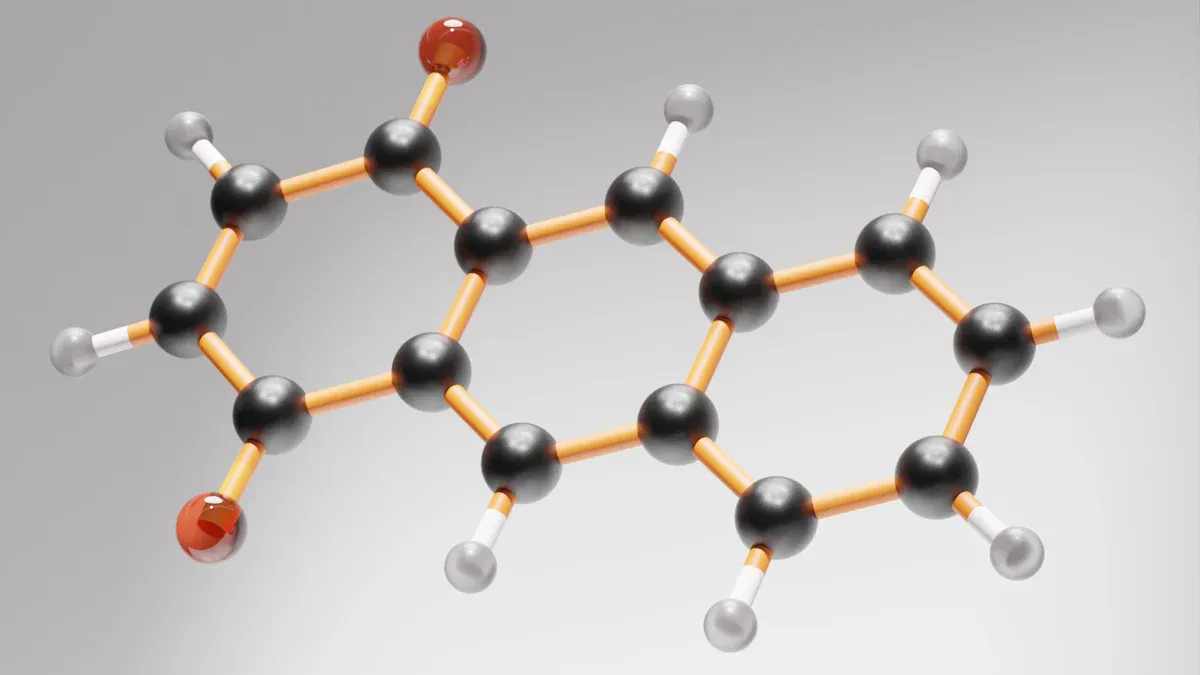
You can see how the molecular structure of DDI (Dimeryl Diisocyanate) CAS No. 68239-06-5 gives you flexibility in many applications. The aliphatic backbone lets the material bend and stretch without breaking. This structure helps you create products that resist impact and stay strong under stress. You can use DDI in elastomers for industrial rollers and vibration damping. It also works well in coatings that need to fight corrosion and weather damage.
| Key Benefits | Applications |
|---|---|
| Flexibility & Impact Resistance | Elastomers: Industrial rollers & vibration damping |
| Hydrolytic & Weather Stability | Coatings: Anticorrosion & weather-resistant |
| Low Volatility & Safe Processing | Adhesives & Sealants |
| Electronic Encapsulation |
Low Viscosity and Processing Advantages
You benefit from the low viscosity of DDI (Dimeryl Diisocyanate) CAS No. 68239-06-5. This property makes it easy to mix and handle during production. You can pour and spread it smoothly, which helps you make adhesives and sealants with fewer bubbles and defects. The low volatility means you work in safer conditions, with less risk from fumes. You get a material that stays liquid at room temperature, so you do not need special heating equipment.
Tip: Low viscosity lets you process DDI quickly and efficiently, saving time and reducing waste.
Compatibility with Various Polymers
You can combine DDI (Dimeryl Diisocyanate) CAS No. 68239-06-5 with many types of polymers. It works well with polyether, polyester, and other resins. This compatibility lets you design adhesives and sealants for different surfaces and environments. You can use DDI in electronic encapsulation, where you need strong bonds and protection from moisture. The material resists hydrolysis, so your products last longer even in wet conditions.
- DDI features an aliphatic structure with low volatility, reducing environmental impact.
- It has superior resistance to yellowing, enhancing its stability in various applications.
- DDI-based polyurethanes show excellent water resistance, outperforming traditional isocyanates in durability.
- The material's resistance to breakdown in water contributes to its environmental sustainability.
- DDI is developed using bio-renewable raw materials, addressing the high toxicity of traditional isocyanates.
- It has low toxicity and is liquid at room temperature, making it safer for handling.
- DDI-based products resist hydrolysis, leading to a longer service life compared to traditional isocyanates.
Comparison to Traditional Isocyanates
You can compare DDI (Dimeryl Diisocyanate) CAS No. 68239-06-5 to other isocyanates and see clear advantages. DDI has a higher molecular weight and lower NCO content, which means it is less reactive and safer to use. The steam pressure is much lower, so you face fewer risks from harmful vapors. DDI shows low toxicity, while other isocyanates like TDI and IPDI have higher toxicity levels.
| Specification | Molecular Weight | NCO Content (%) | Steam Pressure (mmHg) | Toxicity |
|---|---|---|---|---|
| DDI | 600 | 13.6 ~ 15.2 | <0.001 (25℃) | low toxicity |
| IPDI | 222.2 | 37.8 | 0.003 (20℃) | middle toxicity |
| TDI | 174 | 48.3 | 0.042 (20℃) | highly toxicity |
| MDI | 250.26 | 33.6 | - | middle toxicity |
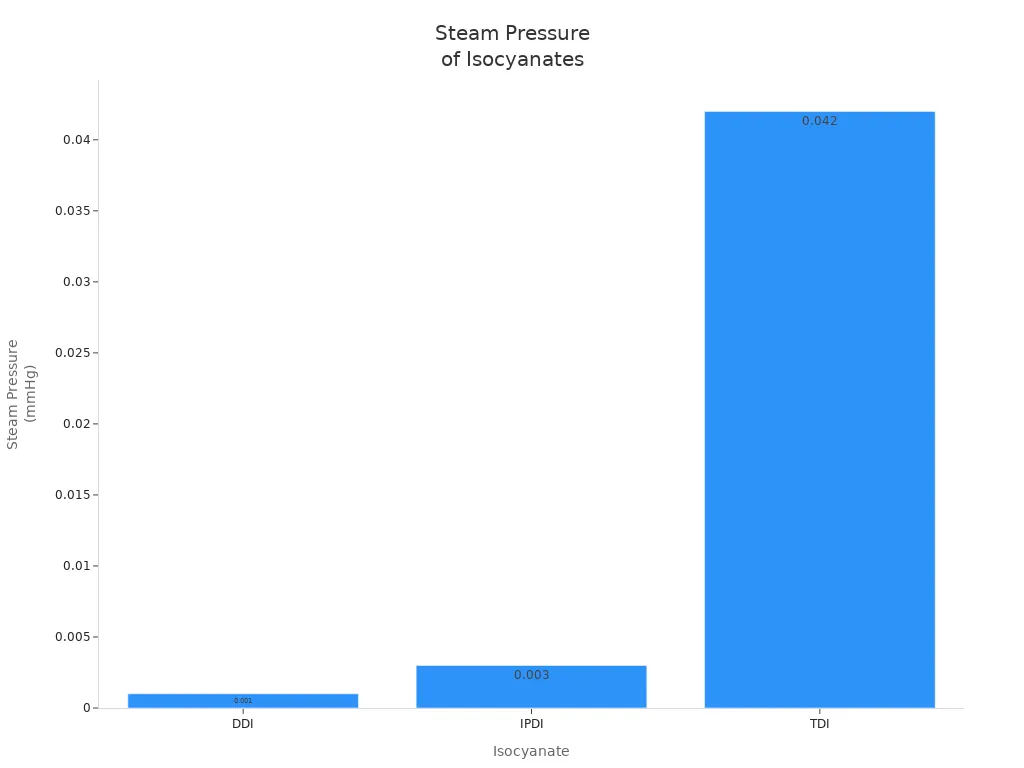
You can see that DDI (Dimeryl Diisocyanate) CAS No. 68239-06-5 offers safer handling and lower environmental impact. You get a material that lasts longer, resists water, and stays stable in harsh conditions.
Practical Benefits and Application Guidance for DDI (Dimeryl Diisocyanate) CAS No. 68239-06-5

Enhanced Durability and Water Repellency
You can trust DDI (Dimeryl Diisocyanate) CAS No. 68239-06-5 to improve the durability and water resistance of your adhesives and sealants. This material helps your products stay strong when exposed to water and humidity. You see these benefits in many industries, including textiles and construction.
- DDI enhances hydrolytic stability in polyurethane products, so they resist water and humidity.
- You use DDI in waterproof fabrics that stay soft and flexible.
- DDI-based polyurea coatings protect metal and wood from weather and wear. These coatings prevent yellowing and cracking over time.
Note: When you choose DDI, your products last longer and perform better in wet or harsh environments.
Cost-Effectiveness and Safety Advantages
You save money and work safely when you use DDI (Dimeryl Diisocyanate) CAS No. 68239-06-5. The material offers a long shelf life and easy storage. You do not need special equipment or strict storage conditions. You also reduce risks because DDI has low toxicity and low vapor pressure.
| Shelf Life | Storage Requirements |
|---|---|
| 12 months | Store in a dry and ventilated warehouse |
You can handle DDI safely in your facility. The material stays liquid at room temperature, so you avoid extra heating costs. You protect your workers and the environment by choosing a product with lower toxicity.
Steps for Integrating DDI into Adhesive and Sealant Formulations
You can use DDI (Dimeryl Diisocyanate) CAS No. 68239-06-5 in many ways. The material works well in adhesives, sealants, coatings, and waterproofing agents. You follow simple steps to add DDI to your formulations.
| Application Method | Description |
|---|---|
| Polyurethane (urea) elastomers | You create special properties for industrial uses. |
| Curing agents for solid rocket propellants | You enhance performance in aerospace applications. |
| Adhesives | You achieve strong bonding capabilities. |
| Sealants | You provide sealing properties for many materials. |
| Fabric surface finishing | You improve durability and appearance of fabrics. |
| Waterproofing agents for paper, leather, etc. | You protect materials from water damage. |
| Electronic materials | You produce electronic components with reliable protection. |
| Wood waterproofing treatment agent | You extend the life of wood products. |
| Polyurea coatings | You adhere well to metal and wood, gaining excellent tensile and weather resistance. |
Tip: Start by mixing DDI with your chosen polymer. Adjust the ratio to match your performance needs. Test the final product for flexibility, water resistance, and durability.
You can rely on DDI to help you create adhesives and sealants that meet high standards. You improve product quality and safety while keeping costs low.
You gain unmatched flexibility and durability with DDI (Dimeryl Diisocyanate) CAS No. 68239-06-5.
- DDI-based elastomers stay flexible at low temperatures and resist embrittlement.
- You benefit from enhanced water repellency and improved fabric softness.
- Ongoing innovations focus on safety, performance, and bio-based solutions for the future.
FAQ
What makes DDI (Dimeryl Diisocyanate) safer than other isocyanates?
You handle DDI with less risk. It has low toxicity and low vapor pressure. You protect your health and the environment when you use DDI.
Can you use DDI in outdoor applications?
Yes, you can. DDI resists water, UV light, and weather. Your adhesives and sealants stay strong and flexible outside.
How do you store DDI safely?
You store DDI in a dry, ventilated place. Keep the container tightly closed. You do not need special storage equipment.
See Also
Exploring Diverse Industrial Uses of Dimethyl Diphenylurea
Industrial Applications and Solubility of 2 5-Furandicarboxylic Acid
Research-Driven Strategies to Enhance 2 5-Furandicarboxylic Acid Sustainability
Comparing EHEDG Guidelines and 3A SSI Standards for Hygiene
Current Techniques for Aminoguanidine Bicarbonate Production and Uses