DDI Applications: The Surprising Answer to Yellowing and Toxicity
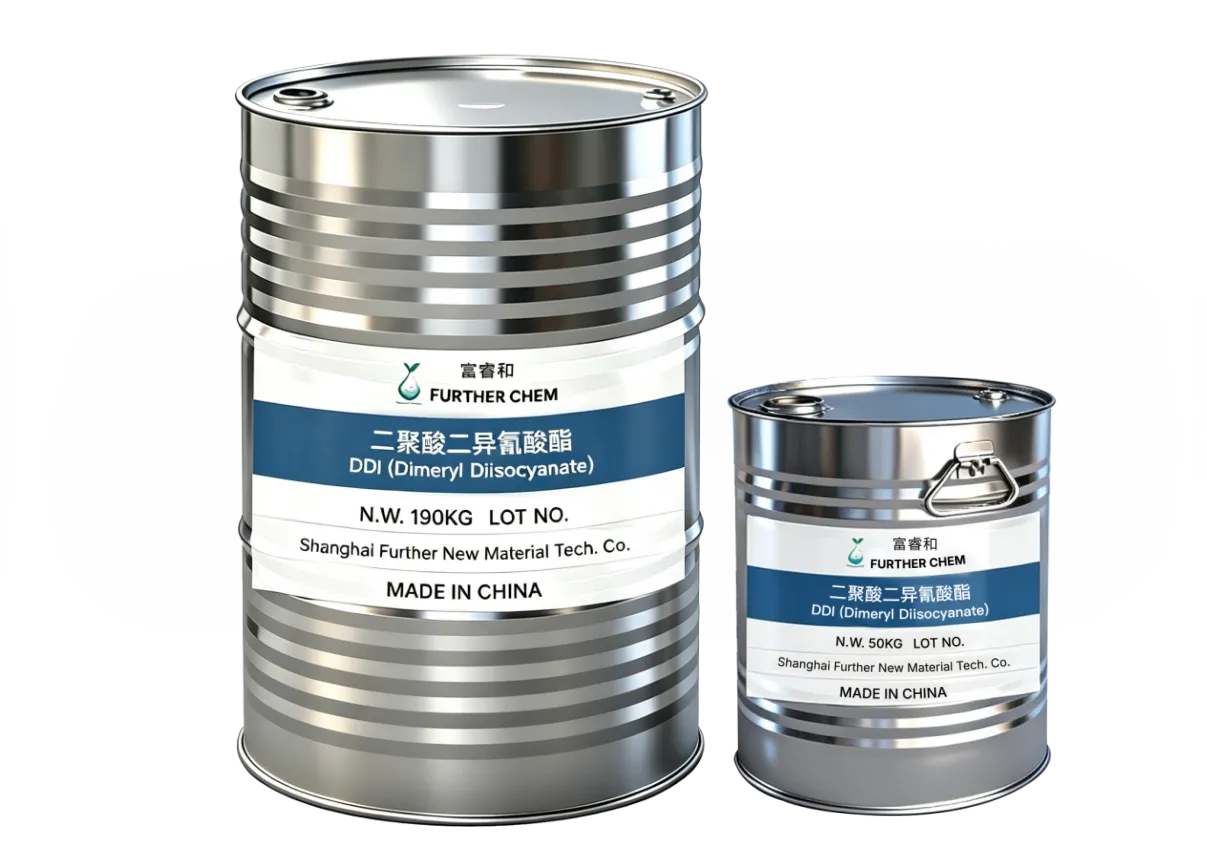
Solve yellowing directly with DDI's unique C36 dimer fatty acid backbone, providing non-yellowing properties and UV stability without extra stabilizers. DDI reduces toxicity as a low-toxicity alternative to TDI and IPDI, eliminating hazardous isocyanates and heavy metal catalysts. This dual-action makes DDI the surprising answer for performance and compliance. Applications of DDI (Dimeryl Diisocyanate span elastomers, coatings, and adhesives.
Key Takeaways
- DDI stops yellowing at the molecular level with its C36 backbone, so you skip UV stabilizers and enjoy 10+ years of clarity.
- DDI offers a safer workplace by replacing toxic TDI/IPDI and heavy metal catalysts, which simplifies compliance and protects health.
- DDI delivers high performance across elastomers, coatings, and adhesives, with up to 1000% elongation and low-VOC, eco-friendly formulations.
The Yellowing Problem and DDI's Non-Yellowing Chemistry
Why Traditional Materials Yellow and Degrade
You might wonder why some polyurethane products turn yellow over time. The answer lies in the chemical structure of conventional isocyanates. Traditional materials like TDI (toluene diisocyanate) and MDI (methylene diphenyl diisocyanate) contain aromatic rings in their molecular backbone. These rings absorb UV light readily, and that absorption triggers a destructive chain of events.
When UV light strikes an aromatic isocyanate, the energy breaks the bonds within the benzene ring structure. This process, called photooxidation, transforms the stable aromatic rings into quinone compounds. Quinones have a distinct yellow color because they absorb blue light and reflect yellow wavelengths back to your eyes. Once these quinone structures form, they become permanently embedded in the polymer network. You cannot reverse this yellowing without stripping away the entire coating or material.
The degradation does not stop at discoloration. As photooxidation continues, the polymer chains break down further. This breakdown leads to surface chalking, loss of gloss, and reduced mechanical strength. For manufacturers, this creates a serious problem. Products that look pristine at installation can become unsightly and brittle within months of outdoor exposure. The conventional solution involves adding UV stabilizers and antioxidants to slow the process. However, these additives only delay the inevitable. They also add cost and complexity to your formulation.
The C36 Dimer Fatty Acid Advantage
DDI (Dimeryl Diisocyanate) takes a fundamentally different approach to the yellowing problem. Instead of relying on aromatic rings, DDI builds its molecular structure around a C36 dimer fatty acid backbone. This backbone comes from renewable plant-based sources, making it both sustainable and inherently stable.
The C36 structure contains no aromatic rings at all. Without those UV-absorbing benzene rings, the photooxidation pathway simply cannot begin. You get a polyurethane system that resists yellowing at the molecular level, not through additives but through its fundamental chemistry. This means you do not need to add UV stabilizers or light absorbers to protect your finished product. The protection comes built-in.
This aliphatic structure offers another advantage beyond color stability. The long, flexible fatty acid chains impart exceptional hydrophobicity to the polymer network. Water molecules struggle to penetrate the structure, which reduces hydrolysis and improves long-term durability. The C36 backbone also provides natural flexibility, allowing the material to bend and stretch without cracking. When you combine these properties, you get a diisocyanate that delivers both aesthetic longevity and mechanical resilience.
Performance Validation in Polyurethane Systems
You might ask whether this theoretical advantage translates into real-world performance. The data confirms that it does. In polyurethane elastomer systems, DDI delivers remarkable elongation values reaching up to 1000%. Tensile strength measures at 9.02 MPa, providing robust mechanical integrity for demanding applications. The glass transition temperature sits near -25°C, which means the material maintains flexibility even in cold environments.
Accelerated weathering tests demonstrate the non-yellowing advantage clearly. Polyurethane coatings formulated with DDI maintain their clarity and color for over 10 years of simulated outdoor exposure. Compare this to aromatic systems that show visible yellowing within weeks. The difference becomes even more pronounced in high-UV environments like coastal regions or high-altitude installations.
The performance validation extends beyond coatings. In polyurethane and polyurea elastomers, DDI-based systems show superior hydrolysis resistance compared to conventional alternatives. This makes them ideal for applications where moisture exposure is constant. The combination of high elongation, low-temperature flexibility, and UV stability opens up numerous applications of DDI (Dimeryl Diisocyanate across industries. From flexible foams to durable sealants, the material performs reliably where traditional isocyanates fail.
For manufacturers, this validation means confidence. You can specify DDI knowing that your finished product will maintain its appearance and performance over an extended service life. The elimination of UV stabilizers simplifies your formulation and reduces raw material costs. The renewable sourcing of the C36 backbone also supports your sustainability goals without compromising on quality.
Reducing Toxicity Without Sacrificing Performance
Replacing TDI and IPDI with a Safer Alternative
You face a difficult choice when selecting isocyanates for your formulations. Traditional options like TDI and IPDI deliver reliable performance, but they carry significant health risks. These compounds contain reactive isocyanate groups that can sensitize your skin and respiratory system. Even brief exposure may trigger asthma-like symptoms or contact dermatitis. Prolonged contact with these materials demands strict safety protocols, specialized ventilation, and protective equipment.
DDI (Dimeryl Diisocyanate) offers you a fundamentally safer molecular structure. Its C36 dimer fatty acid backbone comes from renewable plant sources. This structure reduces the compound's volatility dramatically compared to TDI and IPDI. Lower volatility means fewer airborne isocyanate molecules for you to inhale during processing. The reduced vapor pressure also minimizes the risk of skin exposure during handling and application.
The safety advantage does not compromise your final product's quality. DDI-based polyurethane systems achieve tensile strength of 9.02 MPa and elongation up to 1000%. These mechanical properties match or exceed those of conventional TDI-based systems. In HTPB-based applications, DDI outperforms TDI with 2.5 times greater elongation. You gain a safer working environment without sacrificing the performance your customers expect.
Your workers will appreciate the difference immediately. Switching to DDI eliminates the harsh, pungent odor associated with traditional isocyanates. The improved working conditions boost morale and reduce the need for extensive safety training. You also lower your liability risk by reducing worker exposure to hazardous chemicals.
Eliminating Heavy Metal Catalysts in Formulations
Conventional polyurethane systems often rely on heavy metal catalysts to achieve acceptable cure rates. Organotin compounds like dibutyltin dilaurate accelerate the reaction between isocyanates and polyols. These catalysts work effectively, but they introduce serious environmental and health concerns. Tin compounds accumulate in waterways and soil, posing risks to aquatic life and potentially entering the food chain.
You can eliminate these problematic catalysts entirely when you switch to DDI. The unique C36 dimer fatty acid structure exhibits natural catalytic activity that promotes efficient curing. This inherent reactivity means you do not need to add external metal-based accelerators. Your formulation becomes cleaner and safer from start to finish.
The absence of heavy metals also improves your product's end-of-life profile. When your polyurethane product reaches disposal, it will not leach toxic metals into the environment. This characteristic becomes increasingly important as regulations tighten around hazardous substance disposal. Landfill restrictions and recycling requirements favor materials that do not contain persistent toxins.
Your customers benefit from this cleaner chemistry as well. Products made without heavy metal catalysts are safer for end users who may come into direct contact with them. This advantage matters particularly in consumer goods, medical devices, and food-contact applications. You can market your products with confidence, knowing they contain no toxic metallic residues.
Meeting Regulatory Standards with Low-VOC Solutions
Environmental regulations continue to tighten around volatile organic compounds (VOCs) in industrial products. The EPA and international bodies have established strict limits on VOC emissions from coatings, adhesives, and sealants. Traditional isocyanate systems often struggle to meet these standards without extensive reformulation or expensive capture equipment.
DDI helps you achieve compliance naturally. Its low volatility contributes to minimal VOC emissions during application and curing. The renewable C36 backbone also supports your sustainability reporting and green chemistry initiatives. You can document reduced environmental impact without sacrificing product performance.
The regulatory landscape extends beyond VOC limits. Recent legislation in Europe and North America has targeted specific isocyanates for restriction. TDI faces increasing scrutiny due to its classification as a respiratory sensitizer. Some jurisdictions have proposed concentration limits that would make TDI-based products commercially unviable. DDI provides you with a forward-looking alternative that anticipates these regulatory trends.
Low-VOC formulations also improve indoor air quality for your customers. Adhesives and sealants made with DDI release fewer harmful emissions after application. This benefit proves valuable in building construction, automotive interiors, and furniture manufacturing. You can certify your products for green building standards like LEED or BREEAM, opening doors to environmentally conscious markets.
The economic case for DDI grows stronger as regulations tighten. Compliance costs for traditional isocyanate systems continue rising through monitoring requirements, ventilation upgrades, and waste disposal fees. DDI's safer profile reduces these overhead expenses. You also avoid the risk of regulatory penalties or product recalls associated with non-compliant formulations.
These advantages extend across many applications of DDI (Dimeryl Diisocyanate). From elastomers to coatings, the material delivers consistent safety benefits. Each application benefits from reduced toxicity, cleaner chemistry, and regulatory compliance. You position your company as an environmental leader while maintaining the high performance your customers demand.
Applications of DDI (Dimeryl Diisocyanate) Across Industries
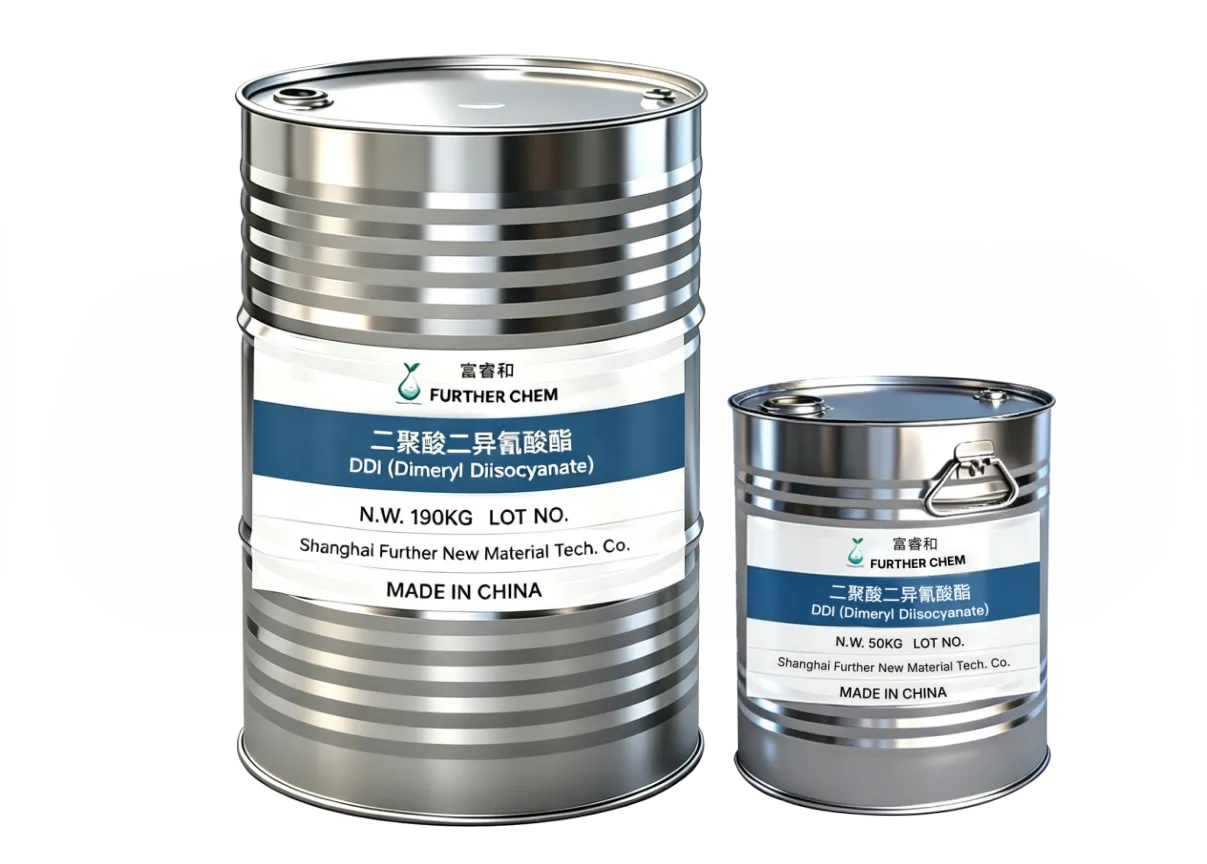
High-Elongation Elastomers and Foams
You will find DDI transforming elastomer production with its remarkable stretch capacity. Polyurethane elastomers formulated with DDI achieve elongation up to 1000%, allowing components to flex without cracking. This property proves essential for automotive bushings, conveyor belts, and flexible foam seating. The material maintains its integrity even at temperatures near -25°C, making it reliable for cold-climate applications. Manufacturers in the automotive sector lead adoption, using DDI for lightweight interior components that resist yellowing from prolonged sun exposure.
Eco-Friendly Adhesives and Sealants
DDI enables you to formulate adhesives without toxic heavy metal catalysts or hazardous isocyanates. These low-VOC formulations bond strongly to diverse substrates while maintaining flexibility over time. Construction professionals use DDI-based sealants for window glazing, roofing membranes, and fire-resistant insulation panels. The renewable C36 backbone provides superior water resistance, ensuring durable bonds in bathrooms, kitchens, and exterior building envelopes. New energy battery manufacturers also rely on these adhesives for PACK sealing, where long-term stability prevents costly failures.
Non-Yellowing Coatings and Functional Finishes
Coatings represent one of the fastest-growing applications of DDI (Dimeryl Diisocyanate). You can apply these finishes to outdoor structures, wind turbine blades, and automotive topcoats with confidence. The coatings maintain optical clarity for over 10 years, eliminating the need for frequent repainting. Textile and leather finishers use DDI at just 0.125% dosage to impart durable water and oil repellency that survives 26 washes. The table below summarizes key adoption trends across industries.
| Industry | Primary Use | Market Outlook |
|---|---|---|
| Automotive & Transportation | Interior trims, lightweight components, adhesives | 3.7% CAGR (2024–2032) |
| Construction & Infrastructure | Sealants, insulation, fire-resistant foams | 4.1% CAGR (2026–2034) |
| Industrial Manufacturing | Elastomers, protective coatings | Steady growth expected |
These applications of DDI (Dimeryl Diisocyanate demonstrate its versatility. Each sector benefits from the material's dual action against yellowing and toxicity. As regulations tighten, more manufacturers will discover these applications of DDI (Dimeryl Diisocyanate for their formulations.
You get two powerful benefits from DDI. Its dimer fatty acid structure resists yellowing naturally. Its low-toxicity profile replaces hazardous isocyanates. With 1000% elongation and 10+ years of coating clarity, DDI proves safety and performance coexist. Theorem Chem's DDI becomes the standard choice for manufacturers seeking a green solution.
FAQ
How does DDI compare to traditional isocyanates in cost?
DDI eliminates UV stabilizers and heavy metal catalysts from your formulation. These savings offset the material cost. You also reduce safety equipment expenses and regulatory compliance overhead.
Can you use DDI in existing manufacturing equipment?
Yes. DDI processes similarly to conventional diisocyanates. You can use your current mixing, dispensing, and curing systems without major modifications. Your team needs minimal retraining for handling procedures.
What makes DDI different from other non-yellowing isocyanates?
DDI uses a renewable C36 dimer fatty acid backbone. Other aliphatic isocyanates rely on petroleum-derived chemistry. DDI also provides natural flexibility and hydrophobicity that synthetic alternatives cannot match.
See Also
Novel Uses Of N,N-Dimethyl-N,N-Diphenylurea Across Diverse Industries
Comparing EHEDG Guidelines And 3A SSI Standards For Sanitary Design
Ways To Reduce Environmental Impact Using Plate Heat Exchangers
Contemporary Techniques For Aminoguanidine Bicarbonate Synthesis And Uses
Unexpected Strategies For Fixing Sulfur Recovery Catalyst Issues