Cumin Sorting Machine Buyer's Guide Key Features to Consider
The global cumin market is expanding rapidly. Projections show it will grow from US$2.299 billion in 2024 to US$2.900 billion by 2029, with a 4.75% CAGR. This growth demands efficient processing. An investment in a cumin sorting machine requires careful consideration of several key factors. Processors must evaluate sorting technology, including full-color RGB and Infrared (IR) sensors. These systems detect subtle color defects and foreign materials like stones or plastic. Matching the machine's throughput to production volume is also critical. Analyzing the ejector system's precision helps minimize good product loss.
Evaluating Core Sorting Technology
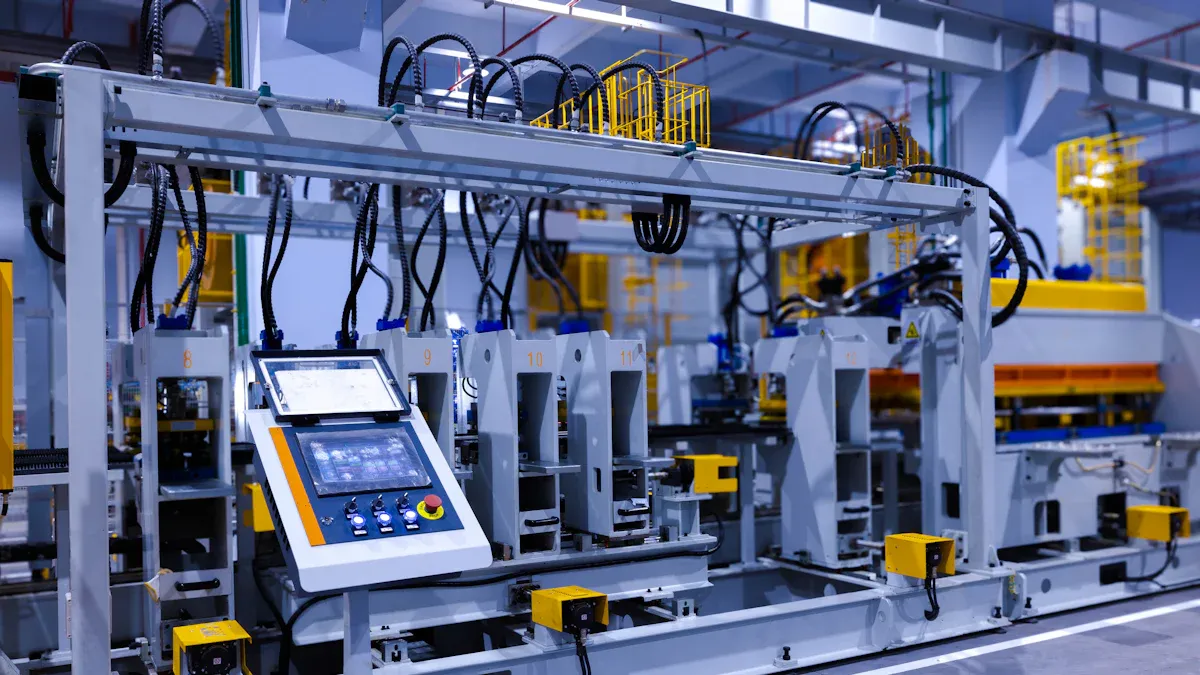
The core technology of a cumin sorting machine determines its effectiveness. Processors must look beyond the spec sheet and understand how its components work together to deliver a pure, high-quality final product.
Sensor and Camera Capabilities
High-resolution sensors are the eyes of the sorting system. Advanced machines utilize a combination of technologies to achieve superior sorting.
- Full-Color RGB Cameras: These identify subtle color variations, spotting discolored, immature, or diseased cumin seeds.
- Infrared (IR) Sensors: These excel at detecting foreign materials that may look similar to cumin but have a different chemical composition. This includes items like sticks, stones, plastic, and glass.
Top-tier optical sorters can effectively detect and flag a wide range of contaminants for removal.
Ejector System Precision
Once a defect is identified, the ejector system removes it from the product stream. The precision and speed of this system are critical for minimizing the loss of good product, known as carryover.
Pro Tip: 💡 A faster ejector response time means a smaller, more targeted burst of air. This precision prevents good seeds from being blasted away with the rejects.
Modern ejectors operate at incredible speeds. For example, Maglev technology ejectors can respond in just 0.8 milliseconds. Some systems using adaptive spraying technology achieve response times as low as 0.05 milliseconds, ensuring maximum purity with minimal waste.
Shape and Size Differentiation
Cumin batches often contain broken seeds, stems, and small stones of a similar size. A sophisticated cumin sorting machine uses advanced algorithms to differentiate objects based on their shape and size. It can distinguish whole seeds from broken fragments. Furthermore, some systems employ vibration and air pressure to separate materials based on density. This allows the machine to effectively remove heavier items like stones or lighter debris like sticks, even if they are the same size as a cumin seed.
Matching Performance to Your Production Needs
Selecting the right machine involves more than just technology; it requires aligning the sorter's performance with your specific operational scale and quality standards. A processor must carefully evaluate throughput, accuracy, and recovery features to maximize return on investment.
Throughput and Capacity
Throughput, measured in tons per hour, dictates how much cumin a machine can process. This metric must match a facility's current and projected production volume. For example, a large-scale processor might require a cumin sorting machine with an output capacity of 5 tons per hour. The machine's design, particularly its chute configuration, directly impacts this rate. Wider chutes and a greater number of channels increase the recognition area and allow for higher throughput.
| Sorter Type | Typical Throughput Rate |
|---|---|
| Chute Sorters | 30 kg – 3.5 tons/hour per chute |
| Belt Sorters | 30 kg – 7 tons/hour per belt width |
Generally, chute sorters offer higher throughput due to gravity-assisted product flow across multiple parallel streams.
Sorting Accuracy and Carryover Ratio
Sorting accuracy measures the machine's ability to correctly identify and remove defects. Top-tier models consistently achieve an accuracy rate greater than 99.99%, ensuring a premium final product. High accuracy directly reduces the carryover ratio—the amount of good product mistakenly discarded with the rejects. A low carryover ratio is essential for profitability, as it minimizes waste and maximizes the yield of sellable cumin seeds.
Re-Sorting and Recovery Functions
Advanced sorters often include a re-sorting or recovery function. This feature allows the rejected material to pass through a secondary sorting process. This pass recovers any good seeds that were accidentally ejected during the initial sort. This function significantly boosts overall efficiency. Processors can see substantial gains:
- Some facilities find that over 28% of their rejected material is actually valuable target product.
- Data-driven optimization of the recovery process can boost commodity recovery by an additional 10%.
This capability turns potential waste back into revenue, making it a critical feature for cost-conscious operators.
Key Features of a High-Quality Cumin Sorting Machine

An investment in a cumin sorting machine is a long-term commitment. Beyond the core sorting technology, processors must evaluate the machine's physical construction, software usability, and maintenance requirements. These features directly impact the machine's lifespan, operational efficiency, and overall return on investment. A well-built, user-friendly sorter ensures consistent performance and minimizes downtime.
Food-Grade Construction and Durability
The materials used in a sorting machine are critical for food safety and longevity. All components that come into contact with cumin must be made from food-grade materials to prevent contamination.
- 304 Stainless Steel: This is a common choice for its excellent sanitation properties, often used in general food processing.
- 316 Stainless Steel: This grade offers superior corrosion resistance, making it ideal for more demanding commercial food production environments.
Durability is also paramount, especially in dusty processing facilities. Buyers should look for machines with a high Ingress Protection (IP) rating. An IP rating of at least IP55 is recommended, indicating the machine is protected against dust ingress and low-pressure water jets. For environments with harsh cleaning procedures, a higher rating like IP69K provides protection against high-pressure, high-temperature steam cleaning.
Intuitive Software and User Interface
Modern sorting machines rely on sophisticated software to manage complex sorting algorithms. However, this power must be accessible to operators through a simple and intuitive user interface (UI). A high-quality system allows operators to easily create, save, and load sorting programs for different cumin batches.
Modern Convenience: 🌐 Many advanced sorters, like the Skysorter and Mmctech SORTURK models, offer remote access. This feature enables remote diagnostics, troubleshooting, and software updates over an internet connection, significantly reducing downtime.
This remote capability allows technicians to diagnose issues without being physically present, ensuring the machine runs at peak performance with minimal interruption.
Ease of Maintenance and Cleaning
Regular cleaning and maintenance are essential for optimal performance and hygiene. A well-designed cumin sorting machine provides easy access to key components like chutes, cameras, and ejector blocks. This simplifies the cleaning process, preventing the buildup of dust and residue that can impair sorting accuracy. Features like quick-release components and open-frame designs can drastically reduce the time required for daily sanitation. A machine that is easy to clean is more likely to be cleaned properly, ensuring food safety and consistent operational results.
Analyzing Cost and Supplier Reliability
An investment in a cumin sorting machine extends beyond the initial purchase price. A thorough analysis of the total cost of ownership, coupled with an evaluation of supplier reliability, is essential for a successful long-term partnership. Processors must look at ongoing expenses, support structures, and verifiable performance claims to ensure they are choosing a partner, not just a piece of equipment.
Calculating Total Cost of Ownership
The initial price tag is only one part of the financial equation. The Total Cost of Ownership (TCO) provides a more comprehensive view of the investment over the machine's lifespan. Buyers should factor in several key ongoing costs:
- Energy Consumption: High-efficiency models consume less power, leading to significant savings over time.
- Spare Parts: Inquire about the cost and availability of critical components like ejectors and lamps.
- Maintenance: Consider the labor and time required for routine upkeep and cleaning.
A lower initial price might be attractive, but a machine with high energy use or expensive parts can quickly become more costly than a premium, efficient alternative.
Manufacturer Support and Warranty
Reliable manufacturer support is non-negotiable. Downtime directly impacts revenue, so a supplier's ability to provide quick assistance is critical. Look for suppliers offering a rapid-response technical support team and a 24/7 support hotline. Warranty terms also reveal a manufacturer's confidence in their product.
- Some suppliers, like MBest Technology, offer a standard 12-month warranty with options to extend it to 36 months.
- Others, such as COLOR SORTER GROUP (CSG), provide a comprehensive five-year warranty on their machines.
A strong warranty and responsive support structure protect the investment and ensure operational continuity.
Verifying Supplier Claims and Performance
Processors should independently verify a supplier's claims and credentials. Reputable manufacturers adhere to international standards, which serve as a benchmark for quality and safety. Key certifications to look for include:
- ISO 9001: Confirms a commitment to quality management systems.
- CE Marking: Indicates compliance with European safety and environmental standards.
- UL Certification: Ensures the safety and reliability of electrical components.
Actionable Tip: 📝 Always request a live or recorded demonstration using your own cumin samples. This is the most effective way to validate a machine's sorting accuracy, carryover ratio, and overall performance before making a final decision.
A successful purchase hinges on a detailed evaluation of technology, performance, and total cost. Processors should prioritize machines with advanced sensors and high-frequency ejectors that match production volume. This guide serves as a checklist for manufacturer discussions.
Final Check: 📝 Always request a product demonstration with your own cumin to validate performance before investing.
FAQ
What is the main difference between a chute and a belt sorter?
Chute sorters use gravity for higher throughput. Belt sorters offer a stable platform, ideal for fragile or irregularly shaped items, ensuring gentle handling and precise inspection.
Why is an IP rating important for a cumin sorter?
An IP rating indicates the machine's protection against dust and water. A higher rating, like IP69K, ensures durability in dusty facilities and withstands high-pressure cleaning procedures.
Can a single machine sort different spices besides cumin?
Yes, modern sorters are highly versatile. Operators create and save unique sorting programs for various spices. This feature allows for quick and efficient product changeovers.
See Also
Essential Capsule Checkweighers: A Buyer's Guide for 2025 Considerations
Capsule Sorters Demystified: Crucial for Effective Defect Removal Processes
Tablet Sampling Machines: The Definitive Lab Selection Guide Explained
Three Must-Have Industrial Checkweighers for Every Food Processing Plant
Cutting-Edge Folder Gluer Features Revolutionizing 2025 Carton Production Lines