Countertop Hot Water Dispenser vs Kettle Which Is Best?
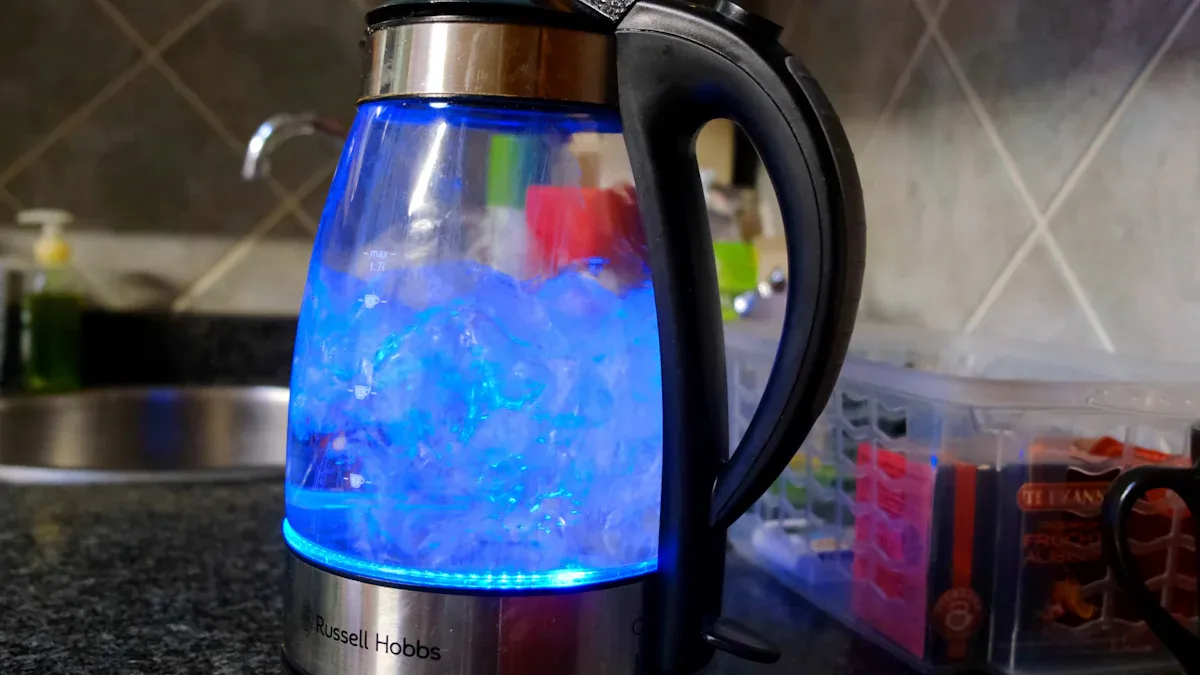
You need hot water frequently for drinks or cooking. A countertop hot water dispenser delivers instant convenience, perfect for a busy office or a large family. An electric kettle better suits individuals or small households. You use hot water less often and prefer a lower upfront cost and simple design.
Key Takeaways
- Choose a hot water dispenser for instant hot water. It is good for busy families or offices.
- Pick an electric kettle for occasional use. It is good for individuals or small households.
- Consider your budget and how often you need hot water. This helps you choose the best appliance.
Quick Comparison: Dispenser vs. Kettle at a Glance
Making the right choice is easier when you see the key differences side-by-side. This quick comparison breaks down what you need to know.
Best For
- Dispenser: You need hot water instantly and often. It is ideal for busy families, offices, or anyone who values ultimate convenience.
- Kettle: You use hot water a few times a day. It works well for individuals, small households, or if you are on a tight budget.
Speed
A countertop hot water dispenser provides hot water almost instantly. You can get a steaming cup in as little as 3 to 15 seconds. A kettle requires you to wait for the water to heat up.
Wait Time for Hot Water ⏱️
- Dispenser: 3-15 seconds for one cup
- Kettle: 2-5 minutes to boil a full liter
Energy Use
Dispensers use energy in two ways. Some use a little power continuously to keep a tank of water hot. Others heat water on demand, using energy only when you press the button. An electric kettle uses a large amount of power for a short time. A single boil in a typical kettle consumes about 0.1 to 0.2 kilowatt-hours (kWh) of electricity.
Cost
Your initial investment is the biggest cost difference.
- Upfront Price: Kettles are very affordable, often costing much less than dispensers.
- Running Cost: The long-term expense depends on your habits. A dispenser might be more efficient if you use it constantly, while a kettle is cheaper for occasional use.
Speed and Convenience: Instant vs. On-Demand
Your daily routine often determines which appliance is more convenient. The main difference comes down to instant access versus waiting a few minutes. Your need for speed is a major factor in this choice.
The Dispenser: Always Ready
A countertop hot water dispenser gives you hot water the moment you want it. You do not need to fill it or wait for it to boil. You simply press a button or lever for an immediate stream of hot water. This instant access is perfect for busy mornings or when you need hot water for cooking quickly. Many models also offer multiple temperature settings to suit any need.
Typical Dispenser Temperatures 🌡️
- Hot: 160°F to 200°F (71°C to 93°C), ideal for tea or coffee.
- Room Temperature: For cool, refreshing water.
- Cold: Around 40°F (4°C), perfect for a chilled drink.
This versatility makes the dispenser a true multi-purpose appliance, always ready for your next cup.
The Kettle: Fast but Requires a Wait
An electric kettle is fast, but it is not instant. You must first fill the kettle with water. Then, you switch it on and wait for it to reach a boil. This process usually takes between two and five minutes. The wait might not seem long, but it can feel like an interruption when you are in a hurry. If you need a second cup right after your first, you will have to boil more water and wait again. This makes a kettle better suited for times when you are not rushed.
Cost Breakdown: Upfront Price vs. Running Costs
Your budget plays a big role in choosing the right appliance. You must consider both the initial price you pay at the store and the long-term cost of electricity. Let's break down how these costs compare.
Initial Purchase Price
The upfront cost is the most noticeable difference between a kettle and a dispenser. You will almost always pay less for an electric kettle. Basic models are very affordable, often available for under $30. They perform the simple task of boiling water effectively.
However, you can also find advanced kettles with more features. These models offer variable temperature controls, which are great for brewing specific types of tea or coffee. These high-end kettles can cost as much as some dispensers.
Examples of Premium Kettles 💰
- Cuisinart PerfecTemp Cordless Electric Kettle: $149.99
- OXO Adjustable Temperature Kettle: $119.99
- ZWILLING Enfinigy 1.5 L Cool Touch Kettle Pro: $119.99
- Great Jones x Fellow EKG Kettle: $195
A countertop hot water dispenser generally requires a larger initial investment. Entry-level models typically start around $80 to $100. More advanced units with multiple temperature settings, larger capacities, and water filtration can cost over $200. You are paying more for the convenience of instant hot water and added features.
Long-Term Energy Expense
The long-term running cost depends entirely on how often you need hot water. Your daily habits will determine which appliance is more energy-efficient for your home.
An electric kettle uses a lot of power for a short burst of time. Each time you boil water, it draws a high amount of electricity. If you use your kettle about five times per day, your annual electricity cost would be around $60.23. This makes the kettle a very cost-effective choice for moderate use.
A dispenser, on the other hand, uses energy differently. Many models keep an internal tank of water constantly hot, which uses a steady, low amount of power all day. A dispenser that provides both hot and cold water uses about 2.8 kWh per day. This can translate to an approximate annual electricity cost of $118.00. Even models that only heat on demand use some power in standby mode. For frequent users, this trade-off might be worth the convenience. For infrequent users, it means paying for hot water you are not using.
Energy Efficiency: Which Uses Less Power?
Understanding how each appliance uses electricity helps you choose the more efficient option for your lifestyle. One uses small sips of power all day, while the other takes big gulps for a few minutes.
How a Dispenser Uses Energy
A hot water dispenser uses energy in a steady, controlled way. Many models have an insulated tank that keeps water hot 24/7. This means the heater turns on periodically to maintain the temperature, using a small amount of standby power. Advanced insulation, like vacuum-sealed chambers, greatly reduces this energy use. This superior insulation can cut standby power consumption by up to 70% compared to older methods.
Other dispensers heat water on demand, using power only when you press a button. While the heating element is powerful, the appliance uses very little energy when idle.
Dispenser Power at a Glance ⚡
Mode Power Consumption Heating Element 2200W 24H Standby Heating ≤0.5 kWh per day 24H Electronics Standby ≤5 Wh per day
This design makes a dispenser efficient if you need hot water frequently throughout the day.
How a Kettle Uses Energy
An electric kettle uses a large amount of power for a very short time. When you turn it on, it draws a high wattage to boil water quickly. This powerful burst of energy is very effective for a single use.
High-efficiency kettles use a lot of power to get the job done fast.
- Conventional Models: Most household kettles operate between 1500W and 1800W.
- Flagship Models: Some high-end kettles can draw up to 2200W for even faster boiling.
This method is very energy-efficient if you only boil water a few times a day. You use power only for the moments you need it. However, if you boil the kettle many times, the total energy consumed can add up quickly.
Capacity and Use Case: One Cup or a Crowd?
The amount of hot water you need at one time is a key factor in your decision. You should think about whether you are making a single cup for yourself or serving a group.
Dispenser for High Demand
A countertop hot water dispenser is built for situations that require a lot of hot water. These appliances have large internal tanks, often holding between 2 to 5 liters. This large capacity means you can serve multiple people without needing to refill the unit. It is the perfect solution for a busy office kitchen where employees make tea or coffee all day. It also works great for large families during hectic mornings.
Serving a Crowd with Ease 👨👩👧👦
A dispenser's large reservoir ensures there is always enough hot water ready for guests, parties, or any high-traffic environment. You avoid the constant refilling and re-boiling that a kettle would require.
This continuous supply makes the dispenser ideal when convenience for many people is your top priority.
Kettle for Personal Use
An electric kettle is designed for smaller, more personal needs. Most kettles have a capacity of 1 to 1.7 liters. This is plenty of water for one or two people at a time. The kettle is an excellent choice if your hot water needs are simple and infrequent. You can quickly boil just enough water for your immediate task.
- Making your morning cup of tea or coffee.
- Preparing a single serving of instant oatmeal or noodles.
- Filling a hot water bottle on a cold night.
The kettle’s smaller capacity is perfect for individual use, students in dorms, or couples. It efficiently handles small-batch needs without wasting energy or water.
Why Choose a Countertop Hot Water Dispenser?
Certain lifestyles and environments get the most benefit from instant hot water. A countertop hot water dispenser is the perfect upgrade if you find yourself in one of these situations.
The Busy Family
Your morning routine can be chaotic. A dispenser streamlines breakfast by providing instant hot water for oatmeal, coffee, or tea. This eliminates the wait time for a kettle to boil. Safety is also a major benefit for your family. Many models include essential safety features.
Family-Friendly Safety Features 🛡️
- Child Safety Locks: Prevent young children from accidentally dispensing hot water.
- Drip Trays: Catch spills to keep your counter clean and dry.
- BPA-Free Parts: Ensure the water your family drinks is free from harmful chemicals.
The Office Environment
In an office, time is valuable. A dispenser boosts productivity by reducing the time employees spend waiting for water to heat up. Quick access to hot water encourages short, refreshing brain breaks. These brief pauses help your team stay hydrated and focused throughout the day. Less waiting means employees can return to their work feeling refreshed and ready to be more efficient.
The Avid Tea Drinker
If you are serious about tea, you know that water temperature is key to unlocking the best flavor. A countertop hot water dispenser with precise temperature controls allows you to brew every cup perfectly. You no longer have to guess if the water is right for your delicate green tea or robust black tea.
| Tea Type | Optimal Water Temperature |
|---|---|
| Green Tea | 80°C / 176°F |
| Black Tea | 95°C / 203°F |
| Herbal Tea | 85°C / 185°F |
Advanced models even offer multi-stage filtration, ensuring your water is pure for the perfect brew.
When is an Electric Kettle the Right Choice?
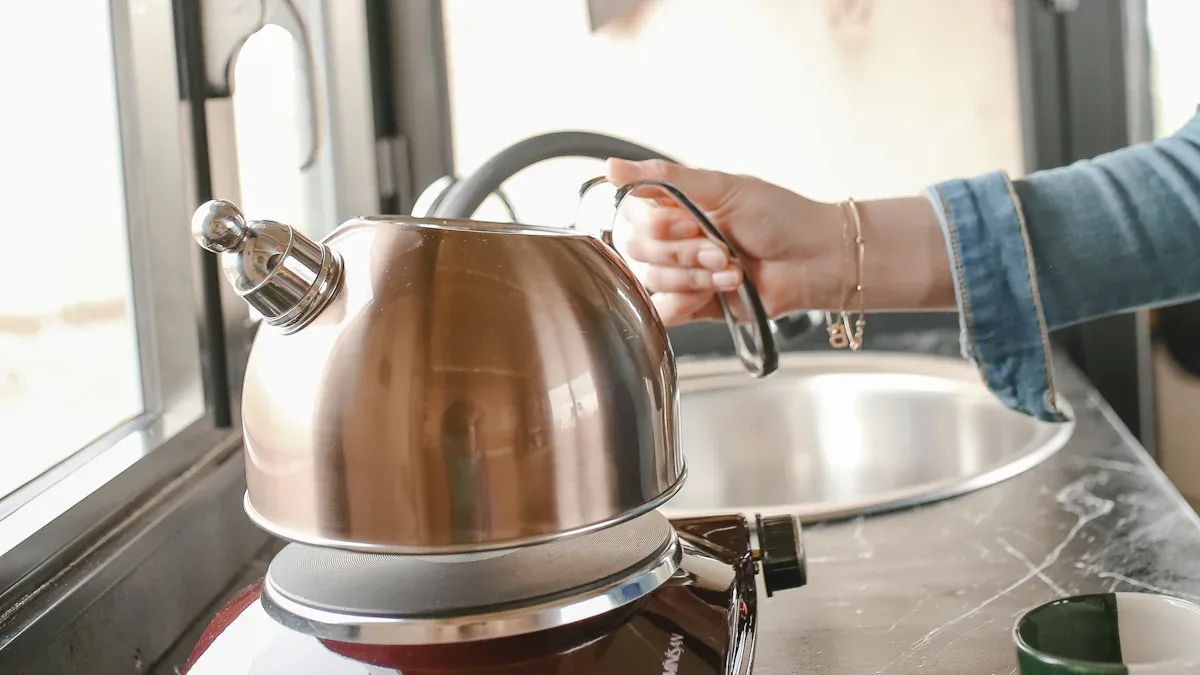
An electric kettle is a fantastic choice when simplicity and cost are your main concerns. It excels in situations where you do not need a constant supply of hot water. Let's explore who benefits most from this classic appliance.
The Student or Individual
If you live alone or in a small space like a dorm room, a kettle is your perfect companion. It takes up very little counter space. Its main advantage is its straightforward operation. You do not need to worry about complex settings or features.
Simple by Design ✅
- You just press one button to start boiling.
- The automatic shut-off feature provides peace of mind.
- Its simplicity makes it incredibly user-friendly.
This no-fuss approach is ideal when you just want a quick cup of tea or instant noodles without any hassle.
The Small Household
For couples or small families, a kettle efficiently handles daily hot water needs. You can boil exactly the amount of water you need, which prevents energy waste. It is perfect for making a pot of French press coffee in the morning or a few cups of tea in the afternoon. You get hot water quickly without the continuous power consumption of a dispenser that keeps water hot all day.
The Budget-Conscious Buyer
Your budget is a major factor, and this is where the kettle truly shines. You can find excellent, reliable kettles for a fraction of the price of a dispenser. Many highly-rated models are available for under $50, making them an accessible option for everyone. You get fast-boiling performance without a large upfront investment.
| Model Name | Price | Key Features |
|---|---|---|
| Amazon Basics Electric Kettle | $24 | 1-liter capacity, 1,500 watts, fast heating |
This shows you can get a great appliance that boils water in under four minutes for a very low price.
Your choice depends on your daily habits and budget. A countertop hot water dispenser is best for constant, instant access where convenience is key. An electric kettle is the ideal solution for occasional use with a low upfront cost. You should also consider the long-term maintenance requirements for each appliance.
| Feature | Electric Kettles | Hot Water Dispensers |
|---|---|---|
| Cleaning Ease | Simple to clean | Require more frequent cleaning |
| Longevity | Can last years with basic upkeep | Depends on consistent maintenance |
| Overall Maintenance | Low-fuss and easy | A reliable workhorse with care |
FAQ
Which appliance is safer to use?
A hot water dispenser is often safer. Many models include child safety locks to prevent accidental burns. Kettles lack this feature, posing a risk if you have small children.
Do hot water dispensers filter water?
Yes, many dispensers improve your water quality. They often come with built-in filtration systems. These systems remove impurities, giving you cleaner and better-tasting water for your drinks.
Can you put milk or soup in an electric kettle?
You should only boil water in your kettle. Heating other liquids like milk or soup can damage the heating element. It also makes the kettle very difficult to clean properly.