Hot Water on Tap Countertop or Under-Sink?
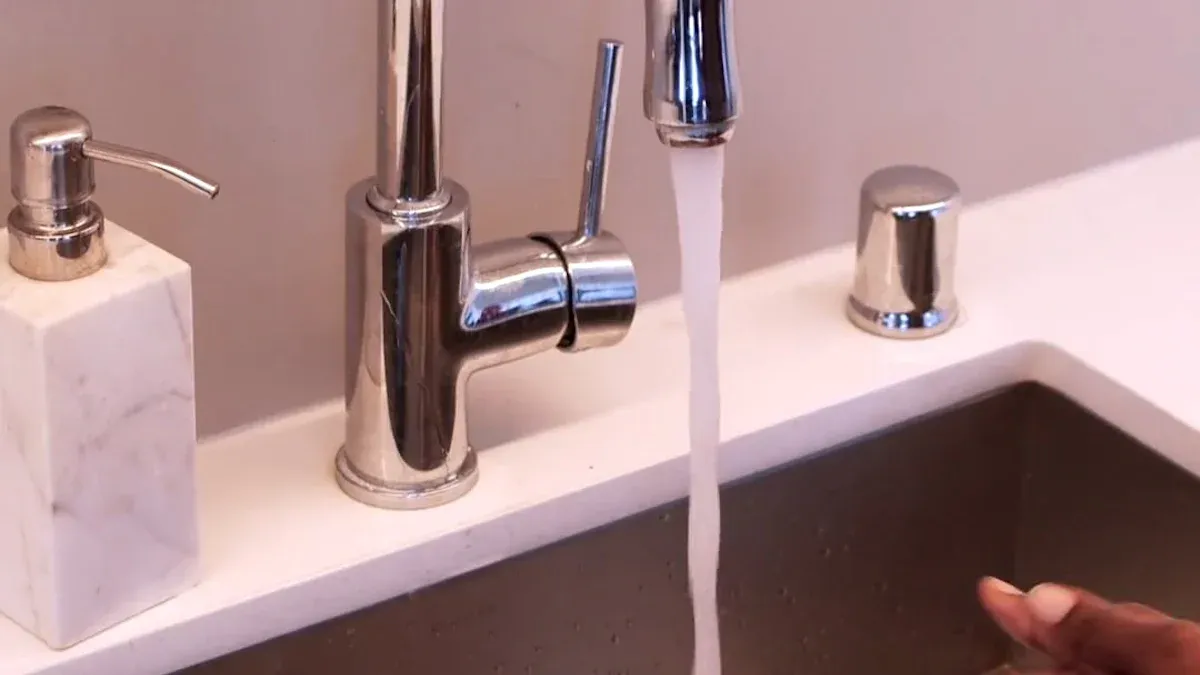
An instant hot water dispenser offers incredible convenience. The North American market for these devices reached USD 820 million in 2024. This market is growing by about 6% annually. Consumers want smart, efficient kitchen appliances. You must choose between two main types. A counter hot water dispenser offers ultimate portability and zero plumbing. An under-sink model provides a seamless look with a continuous hot water supply.
Key Takeaways
- Countertop hot water dispensers are easy to move and cost less. They are good for renters or people who want a simple setup.
- Under-sink hot water dispensers offer a constant supply of hot water. They hide under the counter and are good for homeowners who want a clean kitchen look.
- Consider how much hot water you need and if you want a permanent fixture. This helps you choose the best dispenser for your home.
Countertop vs. Under-Sink: Direct Comparison
You need to weigh several key factors to find the right dispenser. Let's compare these two types directly across the most important categories.
Installation and Space
Your choice here greatly impacts your kitchen's look and your setup effort.
A countertop model offers the simplest installation. You just unbox the unit, fill its tank with water, and plug it into an electrical outlet. It sits directly on your counter, so you must have enough space for it. These units are relatively light. For example, some models weigh only 2.3 kg (about 5 pounds) when empty.
An under-sink model requires a more involved, permanent installation. It frees up your counter space completely. The heating tank hides in the cabinet below your sink. You will need to follow several steps for a successful setup.
- You turn off the water supply and power to the area.
- You install the dedicated faucet, which may require drilling a hole in your countertop.
- You connect the unit to your cold water line using a special valve.
- You mount the heater tank under the sink, usually near an outlet.
- You plug the unit into a proper GFCI outlet.
- You turn the water back on, check for leaks, and flush the system.
Cost: Upfront and Long-Term
Your budget is a major consideration for both the initial purchase and future energy use.
Countertop dispensers typically have a lower upfront cost. They are self-contained appliances that do not require professional installation. You can find many excellent models for under $200.
| Model | Price (Amazon) |
|---|---|
| Zojirushi VE Hybrid Water Boiler | $186 |
| Zojirushi Panorama Window Micom Water Boiler | $142 |
| Panasonic Electric Thermo Pot Water Boiler | $120 |
Under-sink dispensers represent a larger initial investment. You must purchase the heating tank and a compatible faucet. Professional installation can add to the total cost. Over the long term, the energy costs for both types are similar, as they both work to keep a reservoir of water hot.
Water Capacity and Performance
How much hot water you need on demand is a critical performance difference.
A counter hot water dispenser operates with a limited tank that you must fill manually. A typical model might hold around 101 ounces, which is about 0.79 gallons. This is plenty for making several cups of tea, oatmeal, or instant noodles. Once the tank is empty, you need to refill it and wait for the water to heat up again.
An under-sink dispenser provides a continuous supply of hot water. It connects directly to your home's plumbing. The small, insulated tank under the sink keeps a specific amount of water (usually 0.5 to 0.75 gallons) at a near-boiling temperature. When you use the hot water, the tank automatically refills and reheats, so you never truly run out.
Portability vs. Permanence
You should consider if you need a flexible solution or a permanent kitchen upgrade.
The greatest advantage of a countertop dispenser is its portability. You can move it anywhere you have an electrical outlet. This makes it incredibly versatile.
Pro Tip: A portable dispenser is perfect for renters or for those who like to rearrange their kitchen appliances.
This flexibility is useful in many situations:
- Events and Parties: Easily set up a hot beverage station for guests.
- Temporary Locations: Use it at trade shows, pop-up shops, or construction sites.
- Outdoor Activities: Take it on camping trips or to picnics for easy food prep.
An under-sink dispenser is a permanent fixture. Once installed, it becomes an integrated part of your kitchen sink and cabinetry. It adds value to your home and provides a seamless, built-in experience. You cannot move it without a full plumbing and electrical disconnection. This makes it an excellent choice for homeowners seeking a long-term, clutter-free solution.
Why Choose a Countertop Hot Water Dispenser
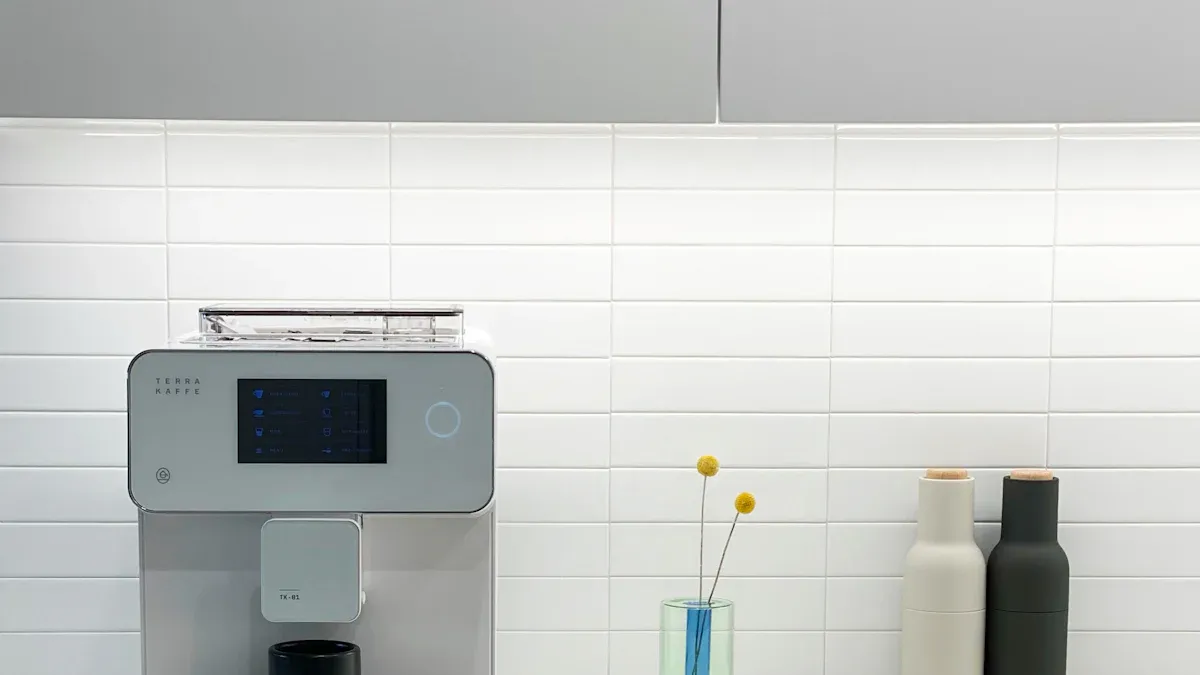
A countertop model is an excellent choice for many kitchens. You might prefer this type if you value flexibility, simplicity, and affordability. Let's explore the top reasons to select a counter hot water dispenser.
You're Renting
You can easily take a countertop dispenser with you when you move. It requires no permanent changes to the plumbing or countertops. This makes it the perfect solution for apartments or any rental property. You get the convenience of instant hot water without risking your security deposit.
You Need a Simple Setup
You can set up a counter hot water dispenser in minutes. Just find a spot near an outlet, fill the tank, and plug it in. You avoid the complex plumbing and electrical work that under-sink models require. This simple, plug-and-play approach is ideal if you dislike complicated installation projects.
Your Budget is a Priority
You will find that countertop models are generally more affordable. The initial purchase price is lower than most under-sink systems. You also save money because you do not need to hire a professional for installation. This makes it a budget-friendly way to add a convenient appliance to your kitchen.
You Have Counter Space to Spare
Design Tip: When choosing a look, try to find a style that complements your main kitchen faucet for a more cohesive design.
If you have an open spot on your counter, this appliance can be a great fit. Many modern units have a sleek and compact design. A counter hot water dispenser becomes another useful tool right at your fingertips, ready for your next cup of tea or instant meal.
Why Choose an Under-Sink Dispenser
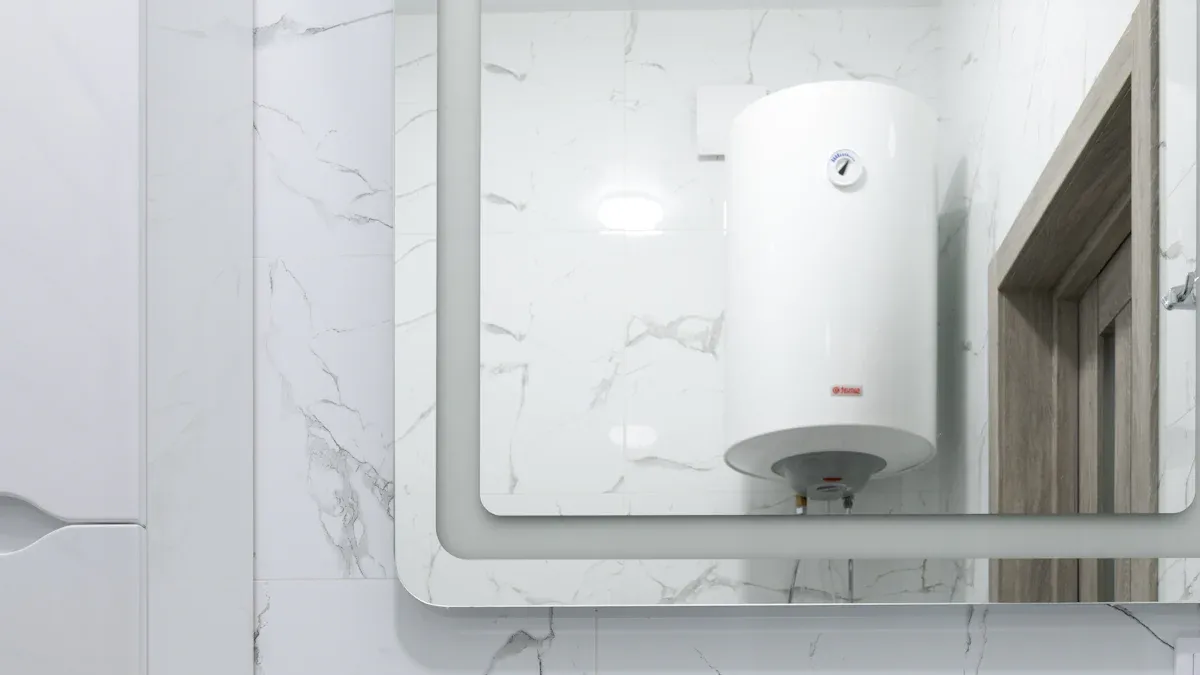
An under-sink dispenser is a premium upgrade for your kitchen. You might choose this permanent solution if you prioritize a clean aesthetic and high performance. It offers a seamless experience for homeowners who want the best.
You Want a Clutter-Free Counter
You can achieve a minimalist kitchen with an under-sink model. The main heating unit stays hidden inside your cabinet. This keeps your countertops open and free of clutter. Interior design experts agree that clear surfaces are essential for a modern, organized look. An under-sink dispenser supports this principle by removing an appliance from your view, creating a more spacious and calming environment.
You're a Homeowner
This type of dispenser is a smart investment for your property. As a homeowner, you can make permanent upgrades that add value and convenience. The installation becomes an integrated part of your kitchen's plumbing and design. It is a long-term improvement that you will enjoy for years. This fixture shows a commitment to a high-functioning, well-equipped home.
You Need a Large, Ready Supply
You get an endless stream of hot water with an under-sink unit. It connects directly to your cold water line. The tank automatically refills and reheats after you use it. This system is perfect for families or anyone who uses a lot of hot water. You never have to wait for a tank to heat up, so your hot water is always ready. ☕
You Want an Integrated Look
An under-sink dispenser offers a true built-in look. The small, dedicated faucet is the only part you see.
You can choose a faucet style and finish that matches your main kitchen faucet and other fixtures. This creates a cohesive and professional design. The appliance blends seamlessly with your cabinetry and countertops. This approach aligns with modern kitchen trends that favor integrated appliances for a clean, uninterrupted appearance.
Key Features and Considerations
You should look at a few key features before making your final choice. These details affect your daily use, long-term costs, and the appliance's lifespan.
Temperature Control Options
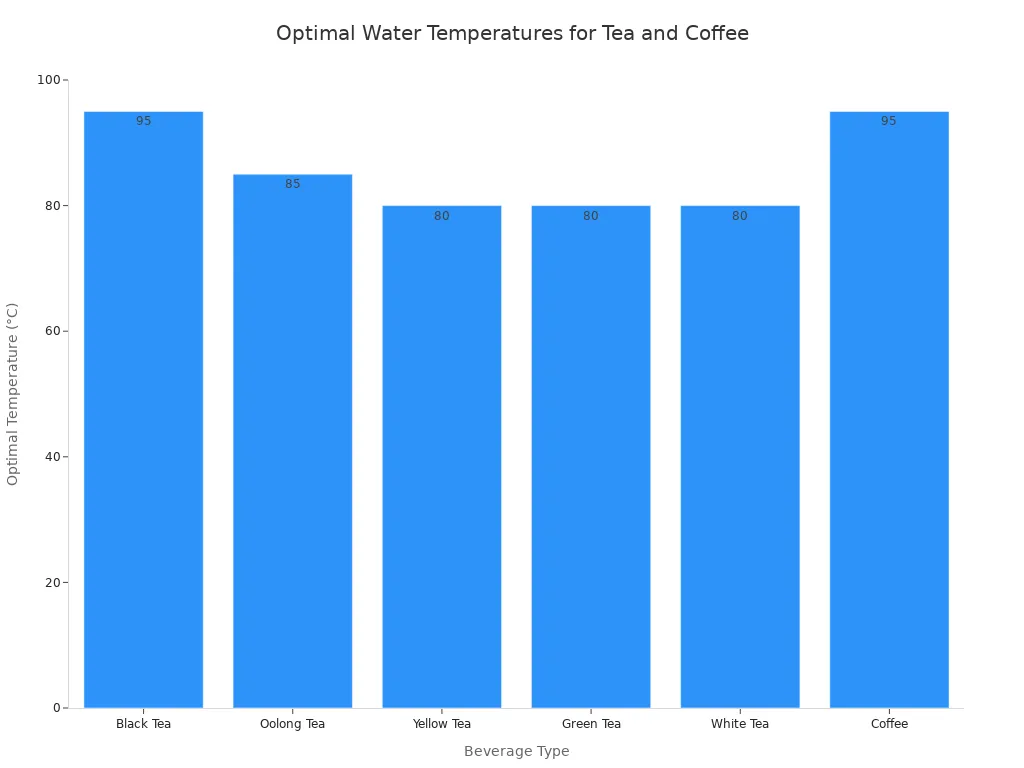
You will find that different models offer various temperature settings. Some dispensers provide a single, fixed temperature, usually near boiling. Others give you adjustable controls. This flexibility is important for beverage enthusiasts. The right water temperature is crucial for the best flavor. Water that is too hot can make tea bitter, while water that is too cool will not extract coffee flavors well.
Energy Consumption
Both dispenser types use energy to keep water constantly hot. Under-sink models are often well-insulated to minimize heat loss. Many modern units also include energy-saving modes or timers. You can check the product's specifications for its power rating, usually measured in watts. A lower wattage generally means less energy use over time.
Maintenance and Cleaning
You must maintain your dispenser to ensure it works well and provides clean water. A counter hot water dispenser requires you to clean its internal tank periodically. Under-sink models need regular filter changes. These filters typically last about six months or can process 500 to 800 gallons of water. You can expect replacement filter sets to cost between $60 and $300.
Maintenance Tip: You should descale your dispenser every few months to remove mineral buildup, especially if you have hard water. This keeps the unit efficient. 🧼
You must weigh your priorities to make the right choice. Your decision balances your kitchen space, budget, and desire for either portability or a permanent upgrade.
- Countertop dispensers offer flexibility and affordability, perfect for renters.
- Under-sink dispensers provide a premium, integrated solution for homeowners.
Future models will bring even more convenience with smart features and greater energy efficiency.
FAQ
Are instant hot water dispensers safe?
Yes, they are very safe. You will find that most models include safety features, like child-resistant locks on the faucet, to prevent accidental burns from the near-boiling water.
Can these dispensers also provide cold water?
Some models can. You can find advanced under-sink systems that deliver hot, cold, and even sparkling water from one faucet. Most countertop units only dispense hot water.
How long do hot water dispensers last?
You can expect a quality dispenser to last between 5 and 10 years. Proper maintenance is key to its longevity.
Remember: You should descale your unit regularly to prevent mineral buildup and keep it running efficiently. ⚙️