Why Choose Zinc Pyrrolidone Carboxylate for Clearer Oily Skin
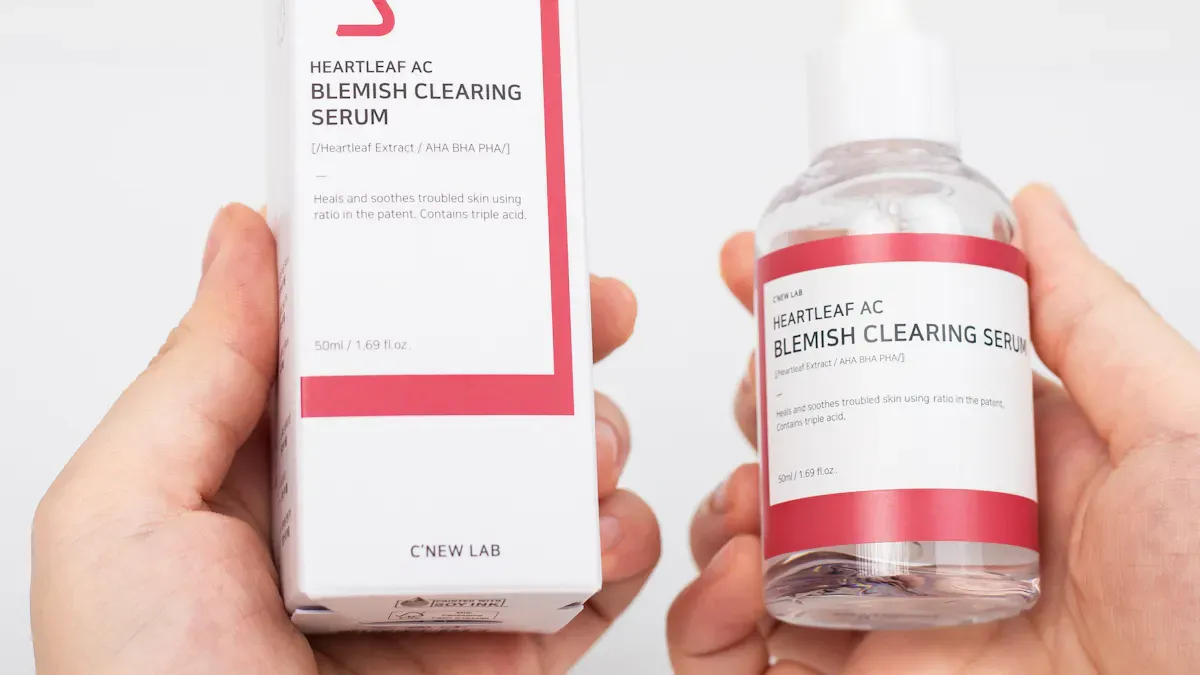
You want clearer skin and less oil. Cosmetic Raw Material Zinc Pyrrolidone Carboxylate / Zinc PCA CAS 15454-75-8 helps you manage oily skin. Many studies show Zinc PCA controls sebum, boosts hydration, heals scars, and calms redness.
| Benefit | Description |
|---|---|
| Reduces Sebum Production | Zinc PCA decreases oil, so you see fewer breakouts. |
| Improves Skin Hydration | It keeps your skin moist and healthy. |
| Heals Acne Scars | Zinc PCA helps scars fade faster. |
| Controls Inflammation | It soothes irritated skin and fights bacteria. |
Key Takeaways
- Zinc PCA effectively controls excess oil production, leading to fewer breakouts and a balanced complexion.
- This ingredient hydrates the skin while preventing dryness, ensuring a healthy glow without greasiness.
- Zinc PCA soothes redness and inflammation, making it suitable for sensitive skin types.
What Is Cosmetic Raw Material Zinc Pyrrolidone Carboxylate / Zinc PCA CAS 15454-75-8?
Understanding Zinc PCA
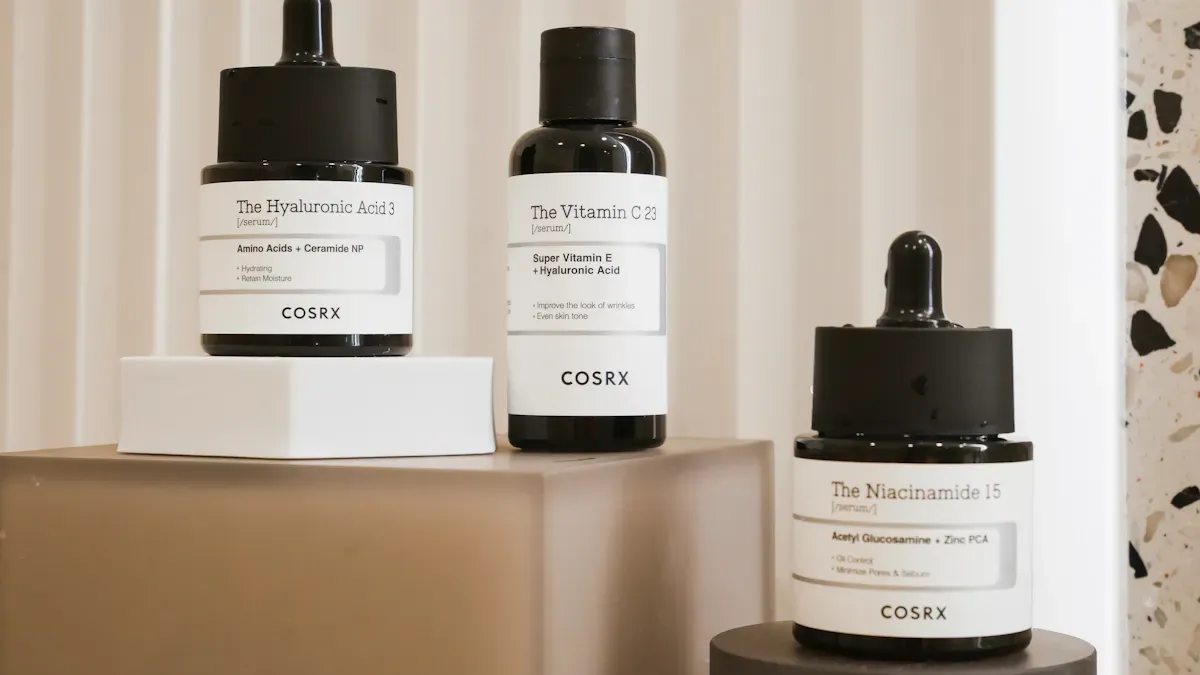
You may wonder what makes Cosmetic Raw Material Zinc Pyrrolidone Carboxylate / Zinc PCA CAS 15454-75-8 so special for your skin. This ingredient is a white to milk white powder with a molecular formula of C10H12N2O6Zn. It combines zinc, known for its antibacterial power, with pyrrolidone carboxylic acid, a natural moisturizer found in your skin. You get a dual-action ingredient that helps control oil and keeps your skin hydrated.
Did you know? Pyrrolidone carboxylic acid comes from glutamic acid, which is made by fermenting plant sugars. This process creates a gentle compound that acts as a humectant, drawing moisture into your skin.
Here’s a quick look at its main features:
| Property | Details |
|---|---|
| Product Name | Zinc Pyrrolidone Carboxylate |
| CAS Number | 15454-75-8 |
| Appearance | White to pale yellow powder |
| Application | Balances oil, prevents pore block, hydrates, soothes skin |
How Zinc PCA Works on Oily Skin
When you use Cosmetic Raw Material Zinc Pyrrolidone Carboxylate / Zinc PCA CAS 15454-75-8, you target the root causes of oily skin. This ingredient acts on your sebaceous glands, which make oil. Zinc PCA slows down the enzyme that triggers extra oil production. As a result, your skin feels less greasy and looks clearer.
- Regulates how much oil your skin makes
- Reduces shine on your face
- Prevents clogged pores and breakouts
- Keeps your skin hydrated while controlling oil
You get a balanced complexion because Cosmetic Raw Material Zinc Pyrrolidone Carboxylate / Zinc PCA CAS 15454-75-8 does not dry out your skin. Instead, it helps you maintain moisture and reduces the risk of acne. This makes it a smart choice for anyone with oily or acne-prone skin.
Key Benefits for Oily Skin
Controls Excess Sebum Production
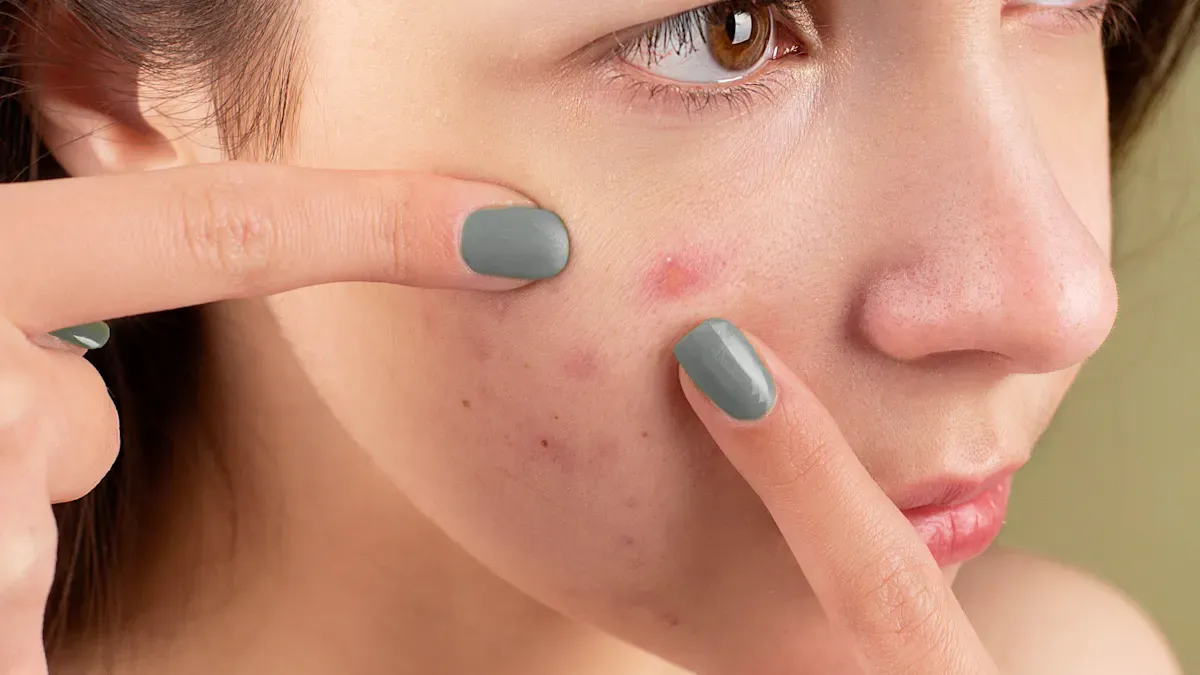
You may notice your skin feels greasy by midday. Cosmetic Raw Material Zinc Pyrrolidone Carboxylate / Zinc PCA CAS 15454-75-8 helps you control this shine. It works by slowing down the enzyme that makes your skin produce too much oil. When you use products with this ingredient, you help your skin stay balanced and less oily.
- A clinical trial showed that people using Zinc PCA saw a big drop in acne spots after 8 weeks.
- The group using Zinc PCA had better results than those who did not, even after just 2 weeks.
You get less shine and fewer clogged pores. This means you can feel more confident about your skin every day.
Reduces Acne and Breakouts
Breakouts can make you feel frustrated. Cosmetic Raw Material Zinc Pyrrolidone Carboxylate / Zinc PCA CAS 15454-75-8 helps you fight acne in several ways. It stops too much oil, fights bacteria, and keeps your pores clear.
| Study Group | Noninflammatory Lesions Reduction | Time Frame |
|---|---|---|
| Treatment | Significant decrease noted | 2 weeks |
| Placebo | No significant change | 2 weeks |
You see fewer pimples and blackheads. Zinc PCA also works well with other ingredients like nicotinamide, giving you even better results without extra side effects.
Soothes Redness and Inflammation
Red, irritated skin can feel uncomfortable. Zinc PCA calms your skin and helps reduce redness. It has strong anti-inflammatory powers, which means it can soothe your skin when it feels sore or looks red.
Zinc helps reduce the inflammatory response associated with acne, soothing redness and irritation.
- Zinc PCA is gentle enough for sensitive skin.
- It helps control yeast that can cause irritation.
- You get long-term comfort and less redness.
Maintains Skin Hydration and Balance
You want your skin to feel soft, not dry or greasy. Zinc PCA acts as a humectant, which means it pulls water into your skin. It keeps your skin hydrated while stopping too much oil from building up.
Research shows that Zinc PCA boosts your skin’s moisture levels. It helps your skin hold onto water, so you get a healthy glow without feeling oily. This balance is important for clear, smooth skin.
| Finding | Description |
|---|---|
| Moisturizing Properties | Zinc pyrrolidone carboxylate exhibits significant moisturizing effects, enhancing skin hydration. |
| Skin Barrier Function | It improves skin barrier function, reducing water loss and sustaining skin integrity. |
| Water Absorption | The PC1Z2 sponge showed a high water absorption rate of 39 ± 1.4 %, indicating effective moisture retention. |
| Porosity | The inclusion of zinc pyrrolidone carboxylate increased sponge porosity to 91.4 ± 1.3 % at 2 % concentration. |
Improves Skin Clarity and Texture
You want your skin to look clear and feel smooth. Many people who use Zinc PCA notice their skin looks brighter and feels softer. It helps fade marks left by old breakouts and makes your skin tone more even.
- Users report better skin texture and clarity, especially if they have acne or redness.
- You get a smoother surface and fewer bumps.
Cosmetic Raw Material Zinc Pyrrolidone Carboxylate / Zinc PCA CAS 15454-75-8 gives you a complete solution for oily skin. You can enjoy less oil, fewer breakouts, and a healthy, glowing look.
Safety and Suitability of Zinc PCA

Who Should Use Zinc PCA?
You should consider Zinc PCA if you have oily, acne-prone, or sensitive skin. Many people with these skin types see improvements in oil control and fewer breakouts. Cosmetic Raw Material Zinc Pyrrolidone Carboxylate / Zinc PCA CAS 15454-75-8 works well for teens and adults. You can use it even if your skin feels sensitive, as studies show it is gentle and non-irritating. Products with Zinc PCA help you manage shine and redness without drying your skin.
Possible Side Effects and Precautions
Most people tolerate Zinc PCA very well. Clinical studies show a low risk of irritation, even for those with sensitive skin. You may want to do a patch test before using a new product, especially if your skin reacts easily. Experts recommend using Zinc PCA in concentrations from 0.1% to 1% for daily care. Higher amounts, up to 5%, are safe for spot treatments. The European Union and other health groups recognize Zinc PCA as safe for use in cosmetics.
Tip: If you use Vitamin C or Niacinamide, apply them at different times than Zinc PCA. This helps each ingredient work best.
How to Add Zinc PCA to Your Skincare Routine
You can find Zinc PCA in many skincare products. Here is a simple way to add it to your routine:
- Use a cleanser with Zinc PCA to wash away oil and dirt.
- Apply an alcohol-free toner with Zinc PCA to calm your skin.
- Dab on a serum with Zinc PCA for extra care on problem areas.
- Choose a lightweight moisturizer with Zinc PCA to keep your skin soft.
- Finish with sunscreen that contains Zinc PCA for added protection.
These steps help you get the most from Zinc PCA and keep your skin clear and healthy.
Zinc PCA Compared to Other Ingredients
Zinc PCA vs. Niacinamide
You may wonder how Zinc Pyrrolidone Carboxylate compares to niacinamide for oily skin. Both ingredients help control oil and improve your skin’s health, but they work in different ways. Zinc PCA controls excess oil by blocking the enzyme that turns testosterone into DHT, a hormone linked to oily skin. This action helps you see less shine and fewer clogged pores. Niacinamide, on the other hand, strengthens your skin barrier and reduces oil by slowing down how your skin makes lipids.
Here is a quick comparison:
| Ingredient | Advantages | Disadvantages |
|---|---|---|
| Niacinamide | - Improves skin barrier function - Reduces sebum production - Hydrates the skin | - May not be strong enough for severe acne alone |
| Zinc Pyrrolidone Carboxylate | - Regulates sebum production - Antibacterial properties - Anti-inflammatory effects | - Less potent compared to stronger acne treatments |
You get the best results when you use both together. Niacinamide repairs your skin barrier and fades post-acne marks. Zinc PCA fights bacteria and calms inflammation. This combination gives you stronger oil control and faster healing.
| Mechanism | Niacinamide | Zinc | Combined Effect |
|---|---|---|---|
| Sebum reduction | ✓ | ✓ | Dual pathway — stronger than either alone |
| Antimicrobial | — | ✓ | Zinc covers the gap niacinamide leaves |
| Skin barrier repair | ✓ | — | Niacinamide protects the barrier zinc doesn’t reach |
| Anti-inflammatory | ✓ | ✓ | Complementary pathways, broader coverage |
| Hormonal trigger | — | ✓ | Zinc addresses the upstream hormonal driver |
| Post-acne marks | ✓ | ✓ | Faster fade + tissue repair |
Zinc PCA vs. Salicylic Acid
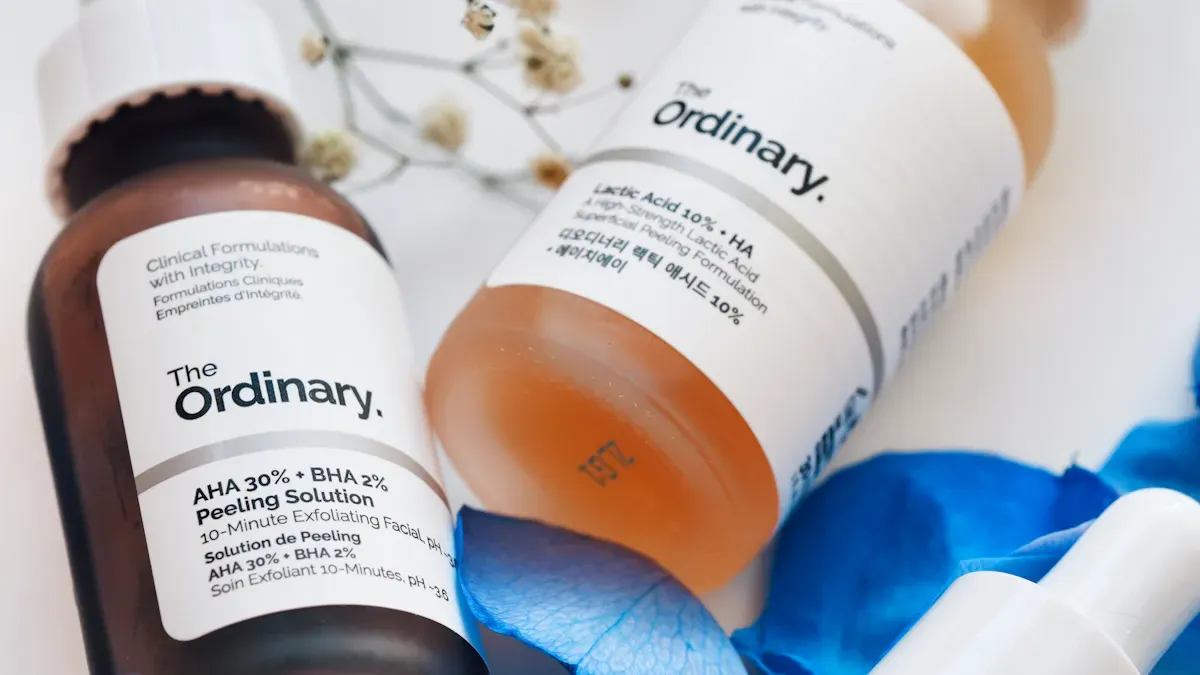
You may also see salicylic acid in products for oily skin. Salicylic acid acts as a chemical exfoliant. It cleans out pores and removes dead skin cells. Zinc PCA, in contrast, regulates oil and calms inflammation. When you use both, you get a powerful team for clear skin.
- Zinc PCA helps control oil and soothes redness.
- Salicylic acid unclogs pores and prevents breakouts.
- Using both together can give you smoother, less oily skin.
- Zinc PCA also limits acne-causing bacteria and supports hydration.
Tip: You can use products with both Zinc PCA and salicylic acid for even better results. This combination works well for oily and acne-prone skin.
You can achieve clearer, healthier skin with Zinc Pyrrolidone Carboxylate. This ingredient manages oil, reduces breakouts, and keeps your skin hydrated. Many users see less shine and fewer blemishes over time.
| Benefit | Description |
|---|---|
| Sebum Production Control | Helps prevent clogged pores and breakouts |
| Reduced Shine | Gives your skin a more balanced look |
| Fewer Blemishes | Leads to clearer skin with regular use |
| Skin Hydration | Supports overall skin health |
FAQ
How often should you use Zinc PCA in your skincare routine?
You can use Zinc PCA daily. Most products with Zinc PCA work best when you apply them once or twice each day.
Can you combine Zinc PCA with other active ingredients?
Yes, you can use Zinc PCA with niacinamide or salicylic acid. This combination helps you control oil, soothe skin, and clear breakouts.
Does Zinc PCA help with sensitive skin?
Zinc PCA is gentle. You can use it if you have sensitive skin. It calms redness and does not cause irritation for most people.
See Also
Discover The Benefits Of Eco-Friendly Bamboo Packaging Solutions
Understanding The Industrial Applications Of 2 5-Furandicarboxylic Acid
Research-Driven Strategies To Enhance 2 5-Furandicarboxylic Acid Sustainability
Best Precoating Options For Filtration Systems In 2025
Key Indicators Of High-Quality Bovine Gelatin Powder To Recognize