Containerized Wastewater Treatment Plants for Modern Water Solutions
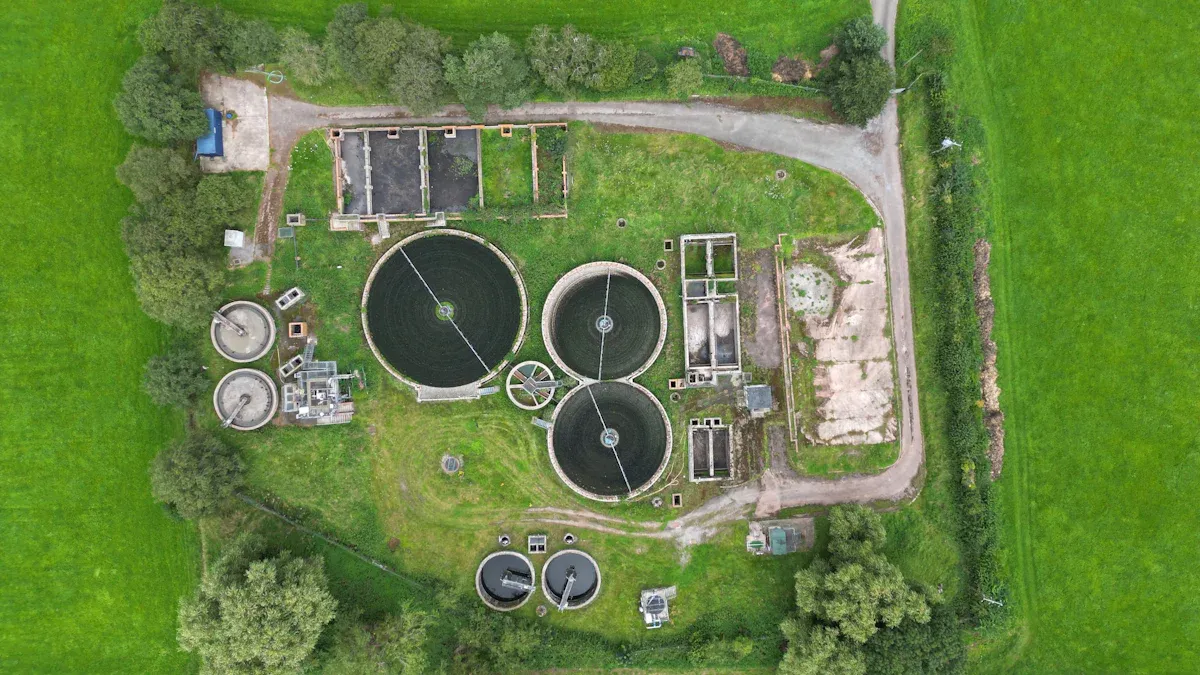
A containerized wastewater treatment plant gives you a compact way to clean water. You can use it almost anywhere. Many communities face big problems with water.
- Most wastewater gets released without proper cleaning, which causes pollution.
- Old pipes and systems make upgrades expensive.
- Modular plants help you treat water locally and prevent overflow.
Key Takeaways
- Containerized wastewater treatment plants offer a flexible and scalable solution for water treatment, allowing you to adjust capacity as needs change.
- These systems can be deployed quickly, often within days, making them ideal for emergency situations or remote locations.
- Automation and remote monitoring features simplify operation, reduce labor costs, and help prevent issues before they arise.
Containerized Wastewater Treatment Plant Design and Operation
Modularity and Scalability
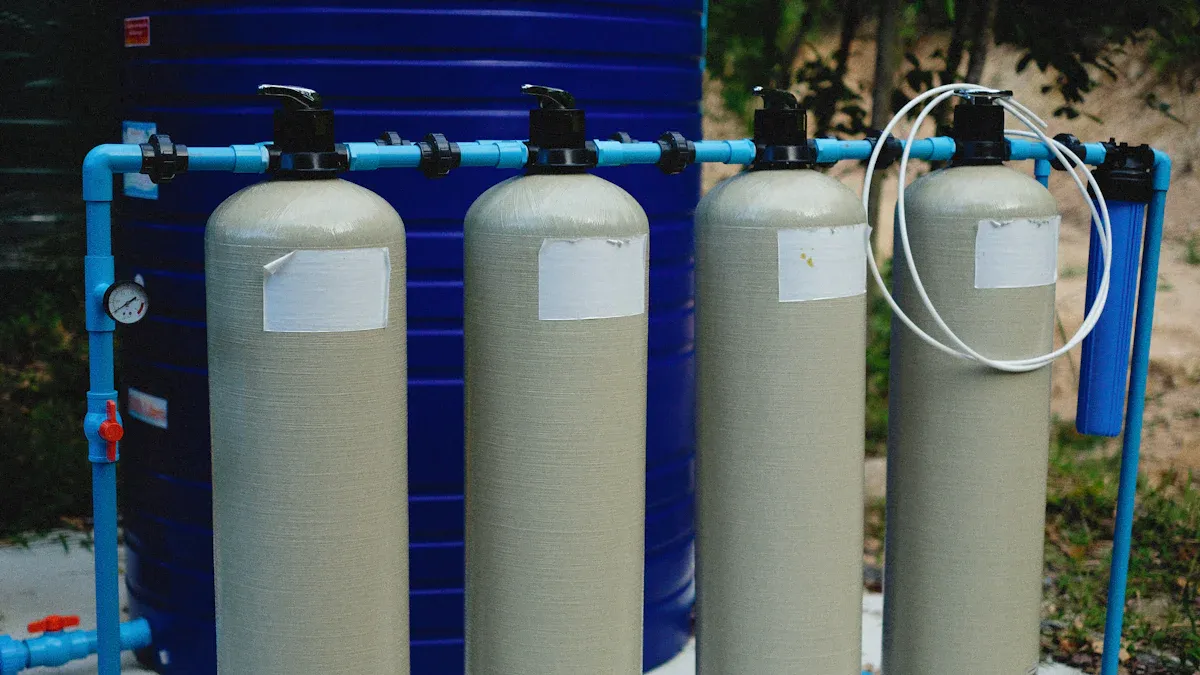
When you use a containerized wastewater treatment plant, you get a system that grows with your needs. You can add or remove modules based on how much water you need to treat. This flexibility helps you handle small or large projects without wasting resources.
- You can combine different treatment units, such as reverse osmosis, nanofiltration, or ultrafiltration, to match your water quality goals.
- You can set up modules in parallel or in a series, which lets you adjust the system for different flows.
- You can change the look and materials of the containers to fit your site or environment.
This modular approach means you do not need to build a whole new plant when your needs change. You simply add more containers or swap out parts. The modular design also makes it easier to maintain and upgrade the system over time. Many plants last 15-20 years, and you can extend their life by replacing parts as needed.
Mobility and Rapid Deployment
A containerized wastewater treatment plant gives you the power to bring clean water solutions almost anywhere. You can move these systems to remote areas, construction sites, or places hit by disasters. You do not need a lot of space or special foundations—just a level spot.
Tip: If you need to respond quickly to an emergency, you can deploy a containerized system in just a few days. Traditional plants can take months or even years to build.
Here is a comparison of deployment times:
| System Type | Average Deployment Time |
|---|---|
| Containerized Systems | A few days |
| Conventional Systems | Months to years |
Real-world examples show how fast these systems work:
- After Hurricane Helene in 2024, the U.S. Army Corps of Engineers used a mobile water unit to restore safe water in Asheville, North Carolina.
- In Colorado, a modular system helped a community meet strict water rules in just a few months.
- Emergency units can even be airlifted to disaster zones, turning dirty water into clean water fast.
You can also move these plants to new locations as your needs change. This makes them a smart choice for growing towns, temporary camps, or industries that move from place to place.
Automation and Remote Monitoring
Modern containerized wastewater treatment plants use advanced technology to make your job easier. You can control and monitor the system from anywhere, using real-time data. This means you do not have to be on-site all the time.
| Technology Type | Description |
|---|---|
| Remote Monitoring and Control Systems | Lets you check and control the plant from a distance using live data. |
| Automated Controls | Runs treatment steps with little human help, saving time and reducing mistakes. |
| Touchscreen Control Systems | Gives you an easy way to manage the plant with simple screens and buttons. |
Remote monitoring brings many benefits:
- You can see equipment status and water quality at any time.
- The system alerts you if something goes wrong, so you can fix it before it becomes a big problem.
- You can adjust settings or run checks without being there in person.
- This reduces the need for on-site staff and lowers labor costs.
Note: With automation, you move from fixing problems after they happen to stopping them before they start. This keeps your plant running smoothly and saves money on repairs.
Step-by-Step Treatment Process
A containerized wastewater treatment plant uses several steps to clean water. Each step happens inside a separate module, making the process easy to follow and manage.
- Screening: The system removes large solids and debris from the incoming water.
- Primary Treatment: It settles out heavy particles and reduces organic matter.
- Biological Treatment: Microbes break down harmful substances in the water.
- Membrane Filtration: Reinforced hollow fiber membranes filter out tiny particles and germs. This step saves about 40% more energy than older systems.
- Disinfection: The plant uses chemicals or UV light to kill any remaining bacteria.
- Resource Recovery: The system can recover valuable materials from the water, helping you reuse water and reduce waste.
These steps help you meet strict water quality rules and protect the environment. The plant uses less energy and creates less waste than traditional systems. You can even reuse the treated water for other purposes, which saves fresh water and supports sustainability.
Did you know? Some advanced systems use microbial fuel cells to recover energy and work in many different settings.
Advantages of Containerized Wastewater Treatment Plants
Cost-Effectiveness and Efficiency
You can save a lot of money by choosing a containerized wastewater treatment plant. These systems cost much less to build than traditional plants. For example:
- The Bio Station’s containerized plant cost about $2.1 million.
- A traditional plant would have cost over $10 million.
- You can add more capacity as your community grows, without spending a lot.
You also get high efficiency with modern treatment methods. Look at the table below to see how well these systems work:
| Treatment Method | Efficiency Metrics |
|---|---|
| Reverse Osmosis (RO) | Up to 85% removal of total dissolved solids |
| Carbon Adsorption | Over 70% biochemical demand reduction |
| Over 50% chemical demand reduction |
These results show that you can treat water effectively while using less energy and fewer resources.
Adaptability for Different Applications
You can use a containerized wastewater treatment plant in many places. These systems work well in areas with water shortages, like some parts of the United States and other countries. Companies use them to treat seawater, brackish water, or even industrial wastewater. You can adjust the system to handle different water qualities. For example:
- Microbial populations change to match the type of sewage.
- You can control air flow to improve treatment.
- You can change how long water stays in the system for better results.
- Special materials help microbes clean the water faster.
- Pretreatment steps keep the system running smoothly.
This flexibility means you can use these plants in cities, factories, or remote areas.
Regulatory Compliance and Safety
You must meet strict rules when treating wastewater. Containerized systems help you follow these laws in many regions. Here is a table showing some important standards:
| Region | Regulatory Standard | Consequence of Noncompliance |
|---|---|---|
| European Union | Wastewater effluent regulations | Fines for noncompliance |
| United Kingdom | Wastewater regulations | Fines up to 500,000 pounds |
| United States | Clean Water Act | Possible imprisonment |
| California | Title 22 | Strict treatment standards |
| China | Class 1A | High treatment requirements |
You can trust these plants to help you avoid fines and protect public health.
You can solve many water challenges with a containerized wastewater treatment plant.
- Modular design lets you scale and customize for any site.
- Rapid deployment means you get clean water fast.
- Automation helps you monitor and control the system easily.
Choosing this solution supports sustainability and cost savings for your community.
| Metric | Benefit |
|---|---|
| Energy Consumption | 20% less operational demand |
| Waste Generation | Improved resource recovery |
FAQ
How fast can you set up a containerized wastewater treatment plant?
You can set up most containerized plants in just a few days. You do not need special foundations or large construction crews.
Can you move the plant to a new location?
Yes, you can relocate the plant easily. You only need a level spot and basic utilities. This makes it ideal for changing needs.
What types of water can you treat with these systems?
| Water Type | Treated? |
|---|---|
| Sewage | ✅ |
| Industrial | ✅ |
| Brackish | ✅ |
| Seawater | ✅ |
You can adjust modules for different water sources.
See Also
A Comprehensive Overview of Semi-Welded Heat Exchangers 2025
Innovative Materials Transforming Heat Exchanger Industry Supply
Ways to Reduce Environmental Impact Using Plate Heat Exchangers
Essential Checkweighers for Every Food Processing Facility
Enhancing Pharmaceutical Efficiency with Advanced Capsule Decapsulation Machines