How to Maximize Efficiency in Container Wastewater Treatment Plant Maintenance
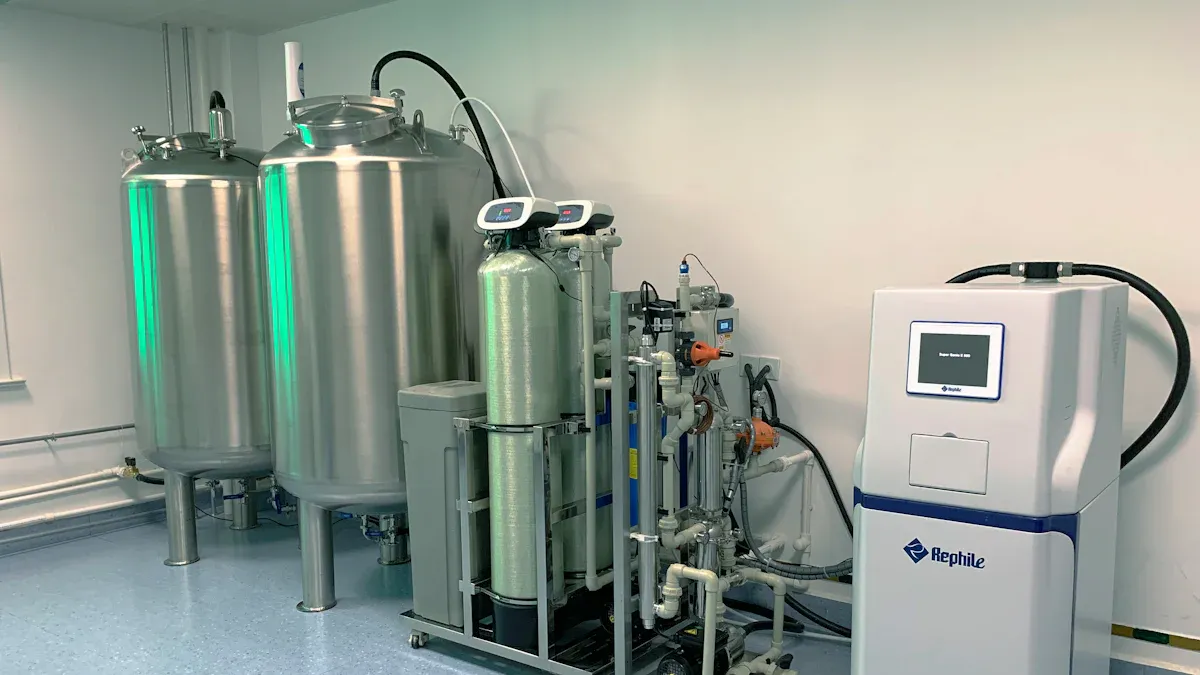
You can keep your container wastewater treatment plant running at its best when you focus on smart maintenance. Regular upkeep brings many benefits:
- Lower operational costs, since routine maintenance is only 2-3% of equipment replacement value.
- Longer equipment life and fewer emergencies.
- Better safety and higher efficiency every day.
Key Takeaways
- Regular maintenance is crucial. Daily, weekly, and monthly tasks help prevent costly repairs and keep your plant running smoothly.
- Upgrading to high-efficiency equipment can significantly lower energy costs. Consider using variable speed drives and LED lighting to save power.
- Implementing smart controls and automation allows for real-time monitoring. This helps you catch problems early and reduces labor costs.
Essential Maintenance Routines for Container Wastewater Treatment Plants
Daily Maintenance Tasks
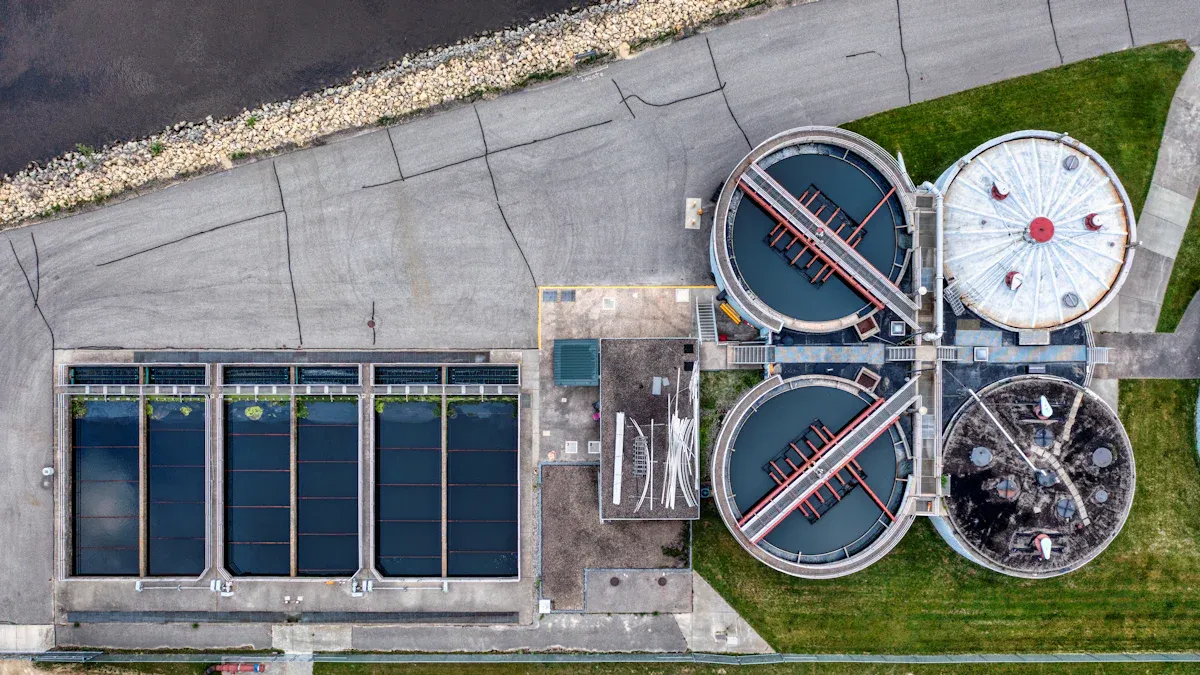
You can keep your container wastewater treatment plant running smoothly by following a set of daily tasks. These routines help you spot problems early and prevent bigger issues later.
- Check the general performance of your system. Look at pressure and flow rate readings to make sure everything works as expected.
- Inspect pumps, blowers, and tanks for any obvious signs of trouble. Watch for leaks, strange noises, or anything that looks out of place.
- Record your findings in a logbook. This habit helps you track changes and notice patterns over time.
- Make sure all safety equipment is in place and ready to use.
Tip: A quick walk-through every morning can help you catch small issues before they become big problems.
Weekly Maintenance Tasks
Weekly routines give you a deeper look at your container wastewater treatment plant. These tasks help you reduce unplanned downtime and keep your system reliable.
- Perform visual inspections to find wear, leaks, or corrosion on important parts.
- Clean equipment and remove any debris that may have built up.
- Lubricate moving parts and change filters as needed.
- Review your maintenance calendar to make sure you complete all scheduled tasks on time.
You can use a simple table to organize your weekly checks:
| Task | Day of the Week | Completed (Y/N) |
|---|---|---|
| Visual inspection | Monday | |
| Clean debris from screens | Wednesday | |
| Lubricate pumps/blowers | Friday | |
| Change filters | Friday |
Monthly Maintenance Tasks
Monthly maintenance routines help you keep your container wastewater treatment plant in top shape for the long term.
- Test water quality to make sure your system meets all standards.
- Inspect electrical panels and wiring for any signs of damage.
- Calibrate sensors and meters to ensure accurate readings.
- Review your maintenance records and look for trends that might show developing problems.
Note: Monthly reviews give you a chance to plan for repairs or upgrades before equipment fails.
By following these daily, weekly, and monthly routines, you can keep your container wastewater treatment plant efficient and reliable. Regular maintenance helps you avoid costly repairs and keeps your system running at its best.
Energy-Saving Strategies for Container Wastewater Treatment Plants
Upgrade to High-Efficiency Equipment
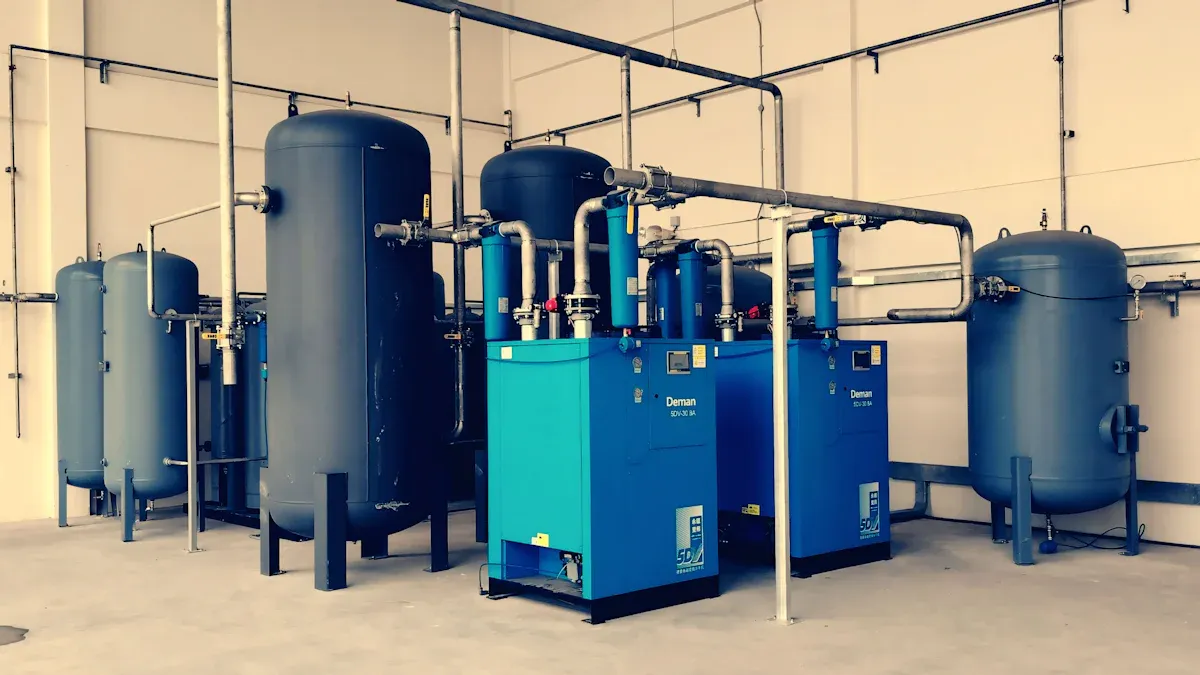
You can lower your energy bills by upgrading to high-efficiency equipment. Newer machines use less power and work better. For example, variable speed drives let pumps run only as much as needed, saving energy during slow times. Open screw pumps can work up to 75% more efficiently and need less fixing. Submersible mixers use less energy but still move water well. If you switch to LED lighting, you can save up to 90% on lighting costs. Upgrading sludge pipes and pumps means pumps run less often, which cuts costs even more. Aeration uses a lot of energy, so high-efficiency blowers and fine bubble diffusers help you save the most.
| Equipment Type | Description |
|---|---|
| Intelligent Containerised Waste Water Treatment | Modular, easy to move, uses advanced filtration and membrane technology for better efficiency. |
| Containerized Water Treatment Plant | Runs with little help, uses less power, and fits many uses from homes to city systems. |
Tip: Upgrading clarifiers and other main parts can also lower your energy use.
Optimize Aeration and Pumping Systems
Aeration and pumping use a lot of electricity in your plant. Pumps can use up to 70% of your total energy. You can save power by using advanced controls. For example, adjusting blowers based on dissolved oxygen or ammonia levels helps you use only what you need. Studies show that smart controls can cut operational costs by almost 20%. AI can help you lower airflow rates by over 30% while still keeping water clean. If you use feedback controls that watch water quality, you get even better results.
- Aeration can take up 50-80% of your energy costs.
- AI and smart controls can reduce energy use by 30-50%.
- Adjusting blower speed and timing saves power and keeps water safe.
Implement Smart Controls and Automation
Smart controls and automation help you run your plant more efficiently. These systems let you monitor everything in real time and fix problems before they get big. You can manage your plant from anywhere, which saves on labor costs. Automation gives you alerts if something goes wrong, so you can act fast and avoid downtime.
| Technology Type | Key Benefits | Example Implementation |
|---|---|---|
| IoT-Enabled Systems | Real-time monitoring, energy savings | Used in large city sewer systems |
| SCADA Systems | Better control, remote access, data tracking | Centralized plant management |
| AI-Powered Maintenance | Predicts problems, reduces downtime | Finds failures before they happen |
| Cloud-Based Control | Manage from anywhere, easy data storage | Flexible operations |
| Green Technology | Eco-friendly, improves efficiency | Uses wetlands or special filters for cleaner water |
Note: Smart automation keeps your container wastewater treatment plant running smoothly and saves money over time.
Predictive Maintenance Practices in Container Wastewater Treatment Plants
Vibration Analysis and Equipment Monitoring
You can use vibration analysis to spot problems in your equipment before they get worse. This method helps you keep your machines healthy and avoid costly repairs.
- Monitoring vibrations lets you find faults or malfunctions early. You can fix them before they cause big damage.
- You can check the health of pumps and motors by watching for unusual vibrations. These can mean wear, misalignment, or unbalance.
- Vibration checks help you find process problems, so you can make changes and keep your system working well.
Common failures you can catch with vibration monitoring include:
- Cavitation, which can damage valves, bearings, and impellers.
- Misalignment in vertical shaft systems.
- Major failures that may cause overflow or harm to other equipment.
Oil Sampling and Lubrication Checks
You should set up a lubrication program and review it every 12 months. This helps you choose the right schedule for your plant’s needs.
- Gear drives in clarifiers can fail if you use the wrong lubricant or if oil gets dirty from flooding.
- If you forget to change contaminated oil, equipment can break down.
- Upgrading the lubricant for mixer bearings can make them last much longer.
Using Data Analytics for Early Problem Detection
Data analytics gives you powerful tools to spot issues early.
- AI-supported warning systems help you and your team act fast.
- Real-time data from SCADA networks lets you watch for small changes.
- Machine learning predicts when small problems might become big failures.
| Aspect | Description |
|---|---|
| Real-time Data Analysis | Lets you find and fix problems quickly. |
| Predictive Maintenance | Helps you plan repairs and avoid downtime. |
| Advanced Controls | Makes your plant run better and saves resources. |
| Data Validation | Makes sure your data is correct and useful. |
| Online Monitoring | Lets you track hard-to-measure things all the time. |
| Tailored Water Reuse | Helps you manage water for different uses. |
You can use software like MAPCON CMMS, Accruent, or FTMaintenance to support your predictive maintenance program in your container wastewater treatment plant.
Compliance and Troubleshooting in Container Wastewater Treatment Plants
Meeting Regulatory and Safety Standards
You must follow important rules to keep your plant safe and legal. These standards protect workers, the community, and the environment. Here is a table that shows some key rules you need to know:
| Standard | Description |
|---|---|
| OSHA Requirements | Employers must protect workers using chemicals through labeling, training, and a written hazard communication program. |
| Process Safety Management (PSM) | A program for treatment plants handling highly hazardous chemicals, focusing on worker safety and community risk management. |
| Risk Management Program (RMP) | Covers control of chemicals affecting the community and environment, with specific program levels based on hazard assessments. |
You should train your team on these standards. Make sure everyone knows how to handle chemicals and what to do in an emergency. Regular safety drills help your staff stay ready.
Identifying and Fixing Common Issues
You may face problems in your plant because of changes in water flow, heavy rain, or wrong sewer connections. These changes can make your system work less well. Clogged pumps and corrosion often cause downtime and slow down your plant. A good maintenance plan helps you stop these problems before they get worse.
To fix common failures, follow these steps:
- Train your team well and check that they follow the right steps.
- Set up a regular maintenance schedule and watch your system closely.
- Check and clean filters often to stop blockages. Use chemical cleaners if needed.
- Look for signs of corrosion and use the right materials for repairs.
- Improve your filters and use chemicals to control germs when needed.
If you follow these steps, your container wastewater treatment plant will run better and have fewer problems.
Operational Optimization Tips for Container Wastewater Treatment Plants
Staff Training and Standard Operating Procedures
You can boost efficiency in your container wastewater treatment plant by investing in staff training and clear procedures. Well-trained staff fill important roles and keep your plant running smoothly. Training programs help you address labor shortages, especially as older workers retire. You can work with local colleges to give your team practical skills and knowledge. Graduates from these programs are ready to start work right away.
- Training prepares staff for immediate employment.
- Collaboration with colleges improves staff capabilities.
- Training helps fill operational gaps caused by retirements.
Standard operating procedures (SOPs) help you minimize errors and keep your plant safe. You should follow these steps:
- Use multimedia filters for proper pretreatment.
- Monitor feed water quality, including pH and turbidity.
- Dose chemicals correctly and calibrate pumps.
- Operate at recommended pressure.
- Record daily system readings.
- Clean membranes when needed.
- Start up and shut down systems gradually.
- Prevent bacterial growth with good pretreatment.
- Fix leaks and keep the area organized.
- Maintain logs and train operators regularly.
Tip: Regular training and SOP reviews help you avoid mistakes and keep your plant efficient.
Recordkeeping and Performance Tracking
You need good recordkeeping to show compliance during inspections. Accurate records help you report on sustainability and track waste management practices. Systematic documentation supports regulatory standards and helps you improve operations.
You should track key performance indicators (KPIs) to measure efficiency. Here are some important KPIs:
| KPI | Description | Formula |
|---|---|---|
| Energy consumption per treated wastewater volume | Measures energy used for each cubic meter of water treated | KPI1=E.E./Vin (kWh/m3) |
| Energy consumption per served population equivalent | Shows energy use per person served each year | KPI2=E.E./P.E. (kWh/P.E.*y) |
| Energy consumption per COD removed | Tracks energy used for removing organic matter | KPI3=E.E./CODremoved (kWh/kgCODrem) |
Note: Tracking KPIs helps you find ways to save energy and improve plant performance.
You can maximize efficiency in your container wastewater treatment plant by focusing on routine checks, energy-saving upgrades, and predictive maintenance. Proactive steps help you lower costs and prevent downtime. See the long-term benefits below:
| Benefit | Description |
|---|---|
| Lower Operating Costs | Save money with ongoing improvements. |
| Increased Treatment Capacity | Handle more water with better efficiency. |
| Improved Environmental Impact | Protect water sources and reduce leakage. |
FAQ
How often should you check water quality in your container wastewater treatment plant?
You should test water quality every month. This helps you catch problems early and keep your plant running safely.
What is the best way to prevent equipment breakdowns?
You should follow a regular maintenance schedule. Check pumps, clean filters, and inspect parts often to avoid sudden failures.
Can automation help you save money in plant operations?
Yes! Automation lets you monitor systems in real time. You can fix issues faster and reduce labor costs.
See Also
Innovations in Heat Exchanger Manufacturing Boost Industrial Efficiency
Modern Capsule Decapsulation Technology Enhances Pharmaceutical Productivity
Ways Plate Heat Exchangers Can Reduce Environmental Impact
Plate Air Preheaters: A Key to Enhanced Industrial Efficiency
Condensate Coolers: Boosting Energy Efficiency Across Industries