Your Complete Guide to Blood Exams in 2025
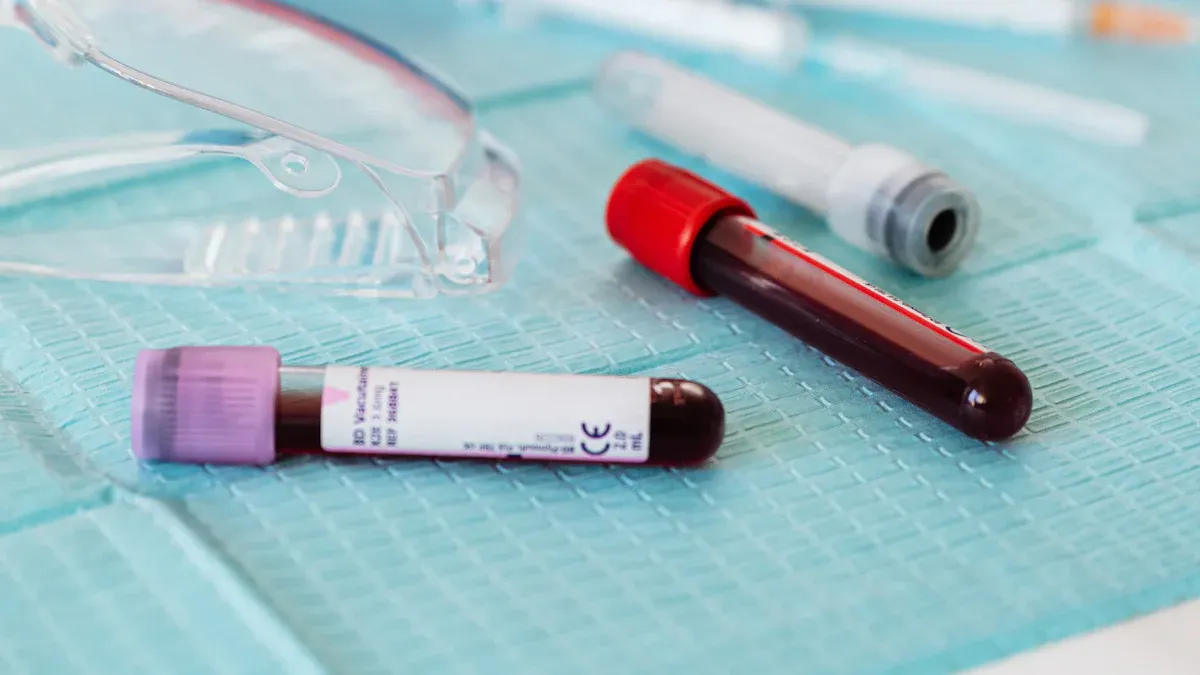
Blood exams are simple medical tests. A lab analyzes a small blood sample to check your overall health. Understanding your results empowers you. You can have more informed conversations with your doctor.
Note: Some tests, like an Infectious Diease Test Kit for HIV Test Kit, Dengue Test Kit, Tuberculosis Test Kit, use a specific Infectious Diease Test Kit to screen for certain conditions. 🧪
Key Takeaways
- Prepare for your blood exam by following fasting rules and telling your doctor about your medications.
- Understand common blood tests like CBC, CMP, and lipid panels to know what they measure.
- Always discuss your blood test results with your doctor to understand what they mean for your health.
Preparing for Your Blood Exam
Why Preparation Matters
Proper preparation helps you get accurate results from your blood exams. When you eat or drink, your bloodstream absorbs sugars, fats, and other nutrients. These substances can temporarily change the levels of what a test measures. Inaccurate results might give your doctor an incorrect view of your health. This could lead to a wrong diagnosis or unnecessary treatments. Following instructions ensures your results reflect your true health baseline.
Fasting and Hydration Rules
Your doctor may ask you to fast before your test. Fasting means you do not eat or drink anything except plain water for a set time.
- Glucose Tests: You usually need to fast for 8 to 12 hours for a blood sugar test.
- Lipid Panels: Fasting helps get an accurate triglyceride level. High triglycerides can affect your calculated LDL ("bad") cholesterol number.
- Iron Tests: Your doctor may recommend fasting to ensure food does not influence your iron levels.
Tip: Always drink plenty of plain water, even when fasting. Staying hydrated makes it easier for the phlebotomist to find a vein. 💧
Handling Your Medications
Some medicines and supplements can interfere with test results. Biotin (vitamin B7) is a common supplement that can affect tests for your thyroid, heart, and vitamin D levels. Always tell your doctor about all medications, vitamins, and supplements you take. They will tell you if you need to stop taking any before your test. Do not stop any prescribed medication unless your doctor instructs you to do so.
What to Bring to Your Appointment
Being prepared can make your appointment go smoothly. Remember to bring these items:
- Your lab order form from your doctor
- A government-issued photo ID
- Your health insurance card
- A list of your current medications
What to Expect During the Blood Draw
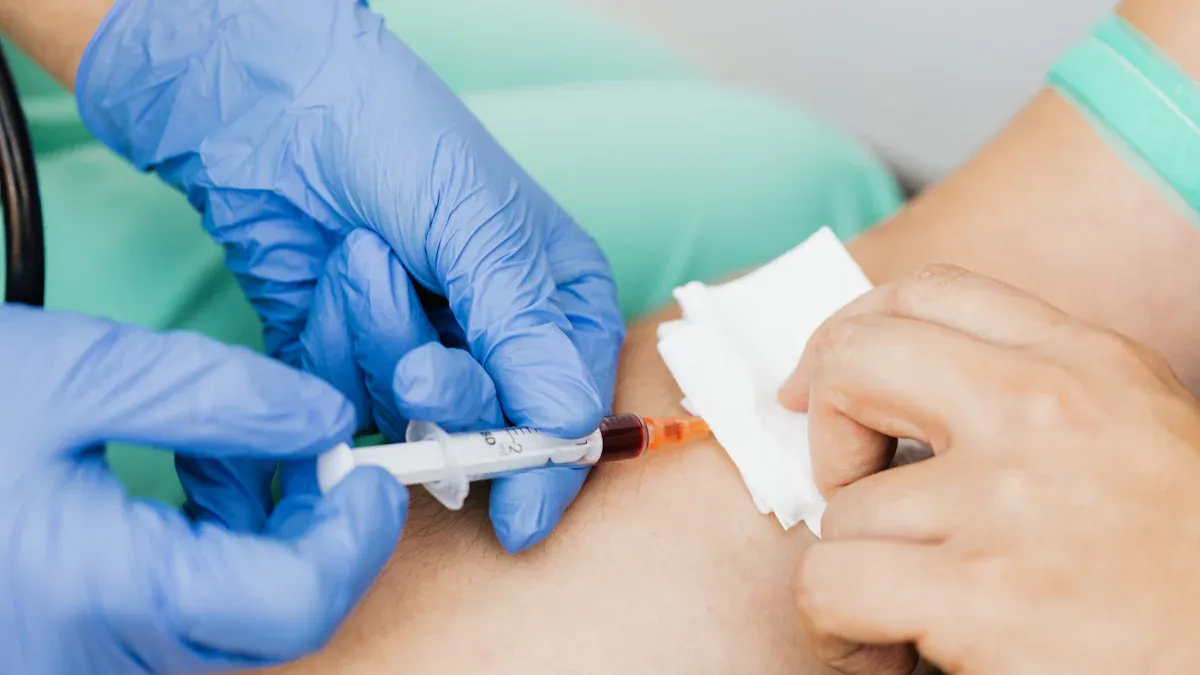
Knowing the process for your blood exams can help you feel more relaxed. The entire procedure is usually very quick, often lasting just a few minutes.
The Check-In Process
You will first check in at the front desk of the lab or clinic. A staff member will ask for your lab order form, photo ID, and insurance card. They will confirm your identity and the tests your doctor ordered. You may need to wait a short time before a phlebotomist calls you back.
The Blood Draw Procedure Explained
A phlebotomist is a professional trained to draw blood. They will guide you through each step of the process.
- The phlebotomist will introduce themselves and confirm your name.
- They will select a good vein, usually on the inside of your elbow.
- A tight band, called a tourniquet, goes around your upper arm. This makes the vein easier to see.
- They will clean the area with an alcohol wipe and let it air dry.
- The phlebotomist will then gently insert a small needle into your vein. You might feel a quick pinch.
- Blood will flow into one or more collection tubes.
- Once the tubes are full, the phlebotomist removes the tourniquet and then the needle.
- They will place a cotton ball or gauze on the site and ask you to apply pressure.
After the Draw: Immediate Next Steps
Proper care after the draw helps prevent bruising and discomfort.
- Keep firm pressure on the site for 3 to 5 minutes with your arm straight.
- Leave the bandage on for at least 30 minutes.
- Avoid heavy lifting or strenuous use of that arm for the rest of the day.
Feeling Dizzy? 😵💫 If you often feel faint during medical procedures, tell the phlebotomist beforehand. They can have you lie down for the test. Drinking water before your appointment also helps.
The phlebotomist will label your blood samples with your information and send them to the lab for analysis.
Decoding Your Complete Blood Count (CBC)
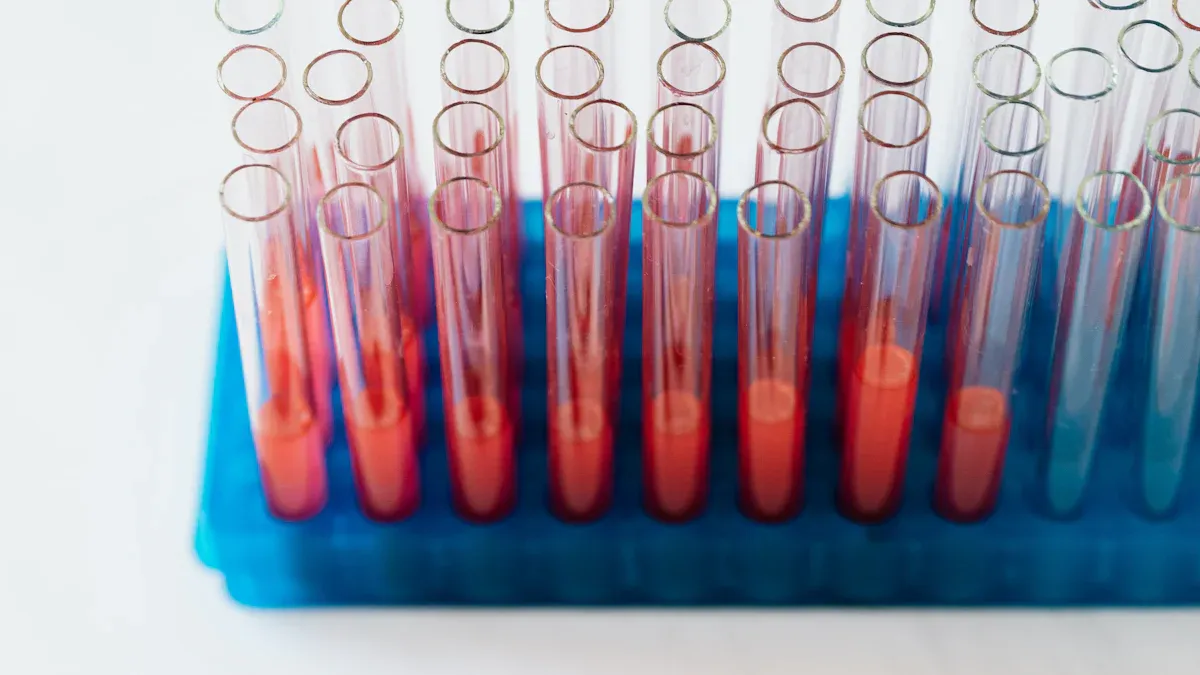
Your doctor often orders a Complete Blood Count, or CBC. This test is a broad screening tool. It measures the three main types of cells in your blood. The results give a snapshot of your overall health. A CBC helps your doctor detect a wide range of conditions, from anemia to infection.
Red Blood Cells (RBC)
Your red blood cells (RBCs) have a very important job. They carry oxygen from your lungs to the rest of your body. 🩸 Your CBC report will show a few key measurements related to your RBCs:
- Red Blood Cell Count (RBC): This is the total number of red blood cells you have.
- Hemoglobin (Hb): This is the protein inside your RBCs that carries oxygen.
- Hematocrit (Hct): This measures the percentage of your blood made up of red blood cells.
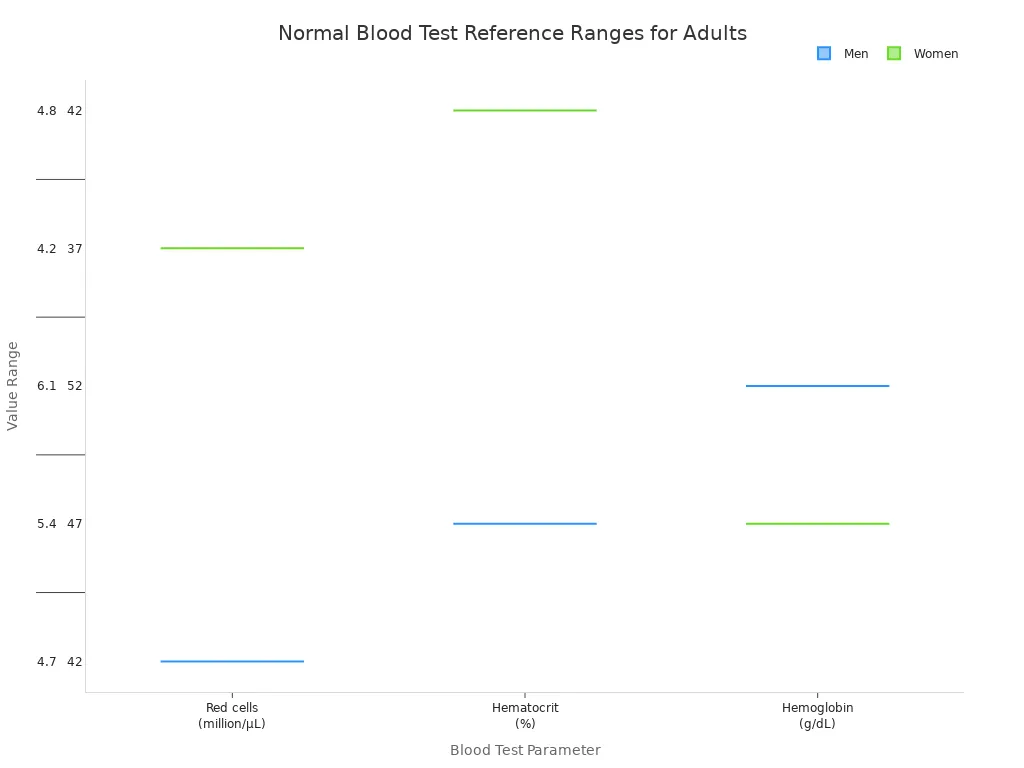
Normal ranges for these values can differ between men and women.
| Parameter | Men | Women |
|---|---|---|
| Red Blood Cell Count (million cells/µL) | 4.7 to 6.1 | 4.2 to 5.4 |
| Hematocrit (%) | 42% to 52% | 37% to 47% |
| Hemoglobin (g/dL) | 14 to 18 | 12 to 16 |
A low RBC count may suggest you have anemia. This means your body might not be getting enough oxygen. Other causes for low levels include:
- Blood loss
- Malnutrition
- Kidney failure
- Leukemia
A high RBC count is less common. It could mean your body is making too many red blood cells. This condition is sometimes caused by:
- Dehydration
- Heart or lung disease
- Sleep apnea
- Polycythemia vera, a rare blood cancer
White Blood Cells (WBC)
Your white blood cells (WBCs) are the soldiers of your immune system. They fight off infections from bacteria, viruses, and other germs. 🛡️ A healthy adult usually has a WBC count between 4,000 and 11,000 cells per microliter.
Your body has five major types of white blood cells. Each type has a unique role.
| White Blood Cell Type | Main Function |
|---|---|
| Neutrophils | Act as first responders to kill bacteria and fungi. |
| Lymphocytes | Fight viral infections and produce antibodies. |
| Monocytes | Clean up damaged cells and help fight infection. |
| Eosinophils | Destroy parasites and cancer cells; involved in allergic responses. |
| Basophils | Help with allergic responses like sneezing or a runny nose. |
A high WBC count, called leukocytosis, often means your body is fighting an infection. It can also point to inflammation, severe stress, or an allergic reaction.
What does a low WBC count mean? A low count, or leukopenia, suggests your immune system may be weak. This makes you more vulnerable to infections. Common causes include viral infections, autoimmune disorders like lupus, or issues with your bone marrow.
Platelets
Platelets are tiny cell fragments in your blood. Their main job is to help your blood clot. 🩹 When you get a cut, platelets rush to the site. They stick together to form a plug and stop the bleeding. A normal platelet count for an adult is between 150,000 and 400,000 platelets per microliter.
An abnormal platelet count can signal a medical problem.
- High Platelet Count (Thrombocytosis): Too many platelets can make your blood sticky. This increases your risk of forming unnecessary blood clots. These clots can lead to a heart attack or stroke.
- Low Platelet Count (Thrombocytopenia): Too few platelets can cause you to bleed or bruise easily. In severe cases, it can lead to dangerous internal or external bleeding.
Caution: ⚠️ Both high and low platelet counts can be serious. Always discuss these results with your doctor to understand the cause and your treatment options.
Understanding Your Comprehensive Metabolic Panel (CMP)
A Comprehensive Metabolic Panel (CMP) gives your doctor important information about your body's chemical balance and metabolism. This test measures 14 different substances in your blood. It helps check your kidney health, liver function, blood sugar, and electrolyte levels.
Glucose (Blood Sugar)
Glucose is a type of sugar that your body uses for energy. Your CMP measures the amount of glucose in your blood at the time of the test. This is a key indicator of how your body processes sugar. High glucose levels may suggest a risk for diabetes. Low levels can also point to certain health issues.
Many factors beyond your diet can make your blood sugar levels go up or down.
- Exercise: Physical activity helps your muscles use glucose for energy. This can lower your blood sugar. Aiming for 30 minutes of exercise most days of the week is a great goal.
- Stress: When you feel stressed, your body releases hormones that can cause your blood sugar to spike. Finding ways to manage stress helps keep your levels stable.
- Alcohol: Drinking alcohol can sometimes cause your blood sugar to drop. You should eat before drinking and choose drinks with less sugar.
- Medications: Certain drugs, like steroids (prednisone), can make your liver produce more glucose, raising your levels. Niacin (Vitamin B3) can also cause a small increase.
- Dehydration: Not drinking enough water can concentrate your blood sugar, making the levels appear higher.
Did you know? 🔬 Even your unique gut bacteria, or microbiome, can influence how your body responds to sugar. Research shows that these tiny organisms play a role in your insulin sensitivity.
Electrolytes and Calcium
Electrolytes are minerals in your body that have an electric charge. They are vital for many body functions. Your CMP measures key electrolytes to ensure they are in balance. These minerals help:
- Control the movement of fluids in your body
- Support nerve function
- Regulate your heart rhythm
- Maintain your body's pH balance
The main electrolytes measured are:
- Sodium: This mineral helps control the amount of fluid in your body. It is also essential for proper nerve and muscle function.
- Potassium: Your cells, heart, and muscles all need potassium to work correctly. An imbalance can lead to serious heart problems.
- Chloride: This electrolyte works with sodium to manage body fluids and maintain healthy blood pressure.
Your CMP also measures calcium. This mineral is famous for building strong bones, but it also helps your heart, muscles, and nerves function. An imbalance in calcium can cause noticeable symptoms.
| High Calcium (Hypercalcemia) | Low Calcium (Hypocalcemia) |
|---|---|
| Fatigue and weakness | Muscle cramps or spasms |
| Bone and muscle pain | Numbness or tingling in lips, hands, or feet |
| Constipation and nausea | Mood changes, anxiety, or irritability |
| Frequent urination and thirst | Slow heartbeat or lightheadedness |
| Forgetfulness or depression | Dry skin and brittle nails |
A Handy Tip: 🧠 Doctors sometimes use the phrase "stones, bones, abdominal moans, and psychic groans" to remember the main symptoms of high calcium. This refers to kidney stones, bone pain, stomach issues, and mood changes.
Kidney Function Markers
Your kidneys act as your body's filtration system. They remove waste products from your blood to keep you healthy. The CMP checks two key waste products to see how well your kidneys are working.
- Blood Urea Nitrogen (BUN): Urea is a waste product created when your body breaks down protein. High BUN levels can mean your kidneys are not removing waste effectively.
- Creatinine: This is a waste product from normal muscle wear and tear. Healthy kidneys filter it out. A high creatinine level, especially with a high BUN, strongly suggests a kidney problem.
High BUN and creatinine can be caused by dehydration, a high-protein diet, certain medications, or kidney disease.
Your report may also show an estimated Glomerular Filtration Rate (eGFR). This is a calculation based on your creatinine level, age, and sex. It estimates how well your kidneys are cleaning your blood each minute. A low eGFR means your kidneys are not filtering as well as they should. Doctors use the eGFR to stage chronic kidney disease (CKD).
| Stage | eGFR (mL/min) | Kidney Function |
|---|---|---|
| Stage 1 | 90 or higher | Mild kidney damage but good function |
| Stage 2 | 60 to 89 | Mild loss of kidney function |
| Stage 3 | 30 to 59 | Moderate loss of kidney function |
| Stage 4 | 15 to 29 | Severe loss of kidney function |
| Stage 5 | Below 15 | Kidney failure |
Liver Function Markers
Your liver performs over 500 vital functions, including cleaning your blood, producing bile for digestion, and making important proteins. The CMP measures several substances to check your liver's health.
First, it looks at a few key liver enzymes. These proteins are normally inside liver cells. When liver cells are damaged, the enzymes leak into your bloodstream.
| Marker | What It Is | What High Levels May Mean |
|---|---|---|
| ALT (Alanine Transaminase) | An enzyme found mostly in the liver. | A strong indicator of liver damage. |
| AST (Aspartate Transaminase) | An enzyme found in the liver, heart, and muscles. | Can indicate liver damage, but also other issues. |
| ALP (Alkaline Phosphatase) | An enzyme found in the liver, bile ducts, and bone. | May suggest a liver or bile duct issue. |
The CMP also measures two other important substances related to liver function: bilirubin and albumin.
- Bilirubin is a yellow substance made when your body breaks down old red blood cells. The liver processes bilirubin so it can be removed from the body. High levels can cause jaundice (yellow skin and eyes) and may signal that your liver is not clearing it properly.
- Albumin is the main protein made by your liver. It transports hormones, vitamins, and other substances through your blood. Low albumin levels can mean your liver is not making enough protein, which can point to liver disease or malnutrition.
The balance between your bilirubin and albumin levels gives your doctor a snapshot of your liver's health. It shows how well your liver is both clearing waste and producing essential proteins.
Making Sense of Your Lipid Panel (Cholesterol)
A lipid panel is a blood test that measures the amount of cholesterol and other fats in your blood. These numbers help your doctor understand your risk for heart disease. The panel looks at four main types of fats.
Total Cholesterol
Your total cholesterol is a single number. It represents the overall amount of cholesterol in your blood. This value combines your LDL, HDL, and other lipid components. It gives a general overview of your cholesterol status.
LDL ("Bad") Cholesterol
Low-density lipoprotein (LDL) is often called "bad" cholesterol. High levels of LDL can cause plaque to build up in your arteries. This condition is called atherosclerosis. Plaque makes your arteries narrow and hard. This increases your risk for heart attack and stroke. An LDL level above 100 mg/dL raises your risk for heart and blood vessel disease.
HDL ("Good") Cholesterol
High-density lipoprotein (HDL) is known as "good" cholesterol. 🛡️ HDL particles act like garbage collectors. They remove excess cholesterol from your arteries and transport it back to your liver. Your liver then gets rid of it. Healthy HDL levels help protect you from heart disease.
Triglycerides
Triglycerides are a type of fat your body uses for energy. Your body makes triglycerides from extra calories, especially from sugar and alcohol. High levels can increase your risk for heart disease.
What causes high triglycerides? 🤔 Several factors can raise your triglyceride levels.
- Being overweight
- Excessive alcohol use
- A diet high in sugar
- Certain medical conditions like thyroid or kidney disease
Very high levels can also lead to a painful condition called pancreatitis.
How to Read Your Report for All Blood Exams
Your lab report might look confusing at first. Learning how to read it helps you understand your health. This guide breaks down the key parts of your report.
Finding Your Values
Your blood test report will have a column labeled "Your Result" or "Value." This column shows the specific measurement for each test you had. For example, next to "Glucose," you will see a number like 95 mg/dL. This is your personal result from the lab analysis.
Understanding Reference Ranges
Next to your result, you will see a "Reference Range" or "Normal Range." This range shows the typical values for a healthy person. However, "normal" can be different for everyone.
- Age and Sex: These factors change reference values. For example, creatinine levels are often different for men and women because of muscle mass. Growing children have higher alkaline phosphatase (ALP) levels due to bone development.
- Laboratory Standards: Each lab sets its own reference ranges. Labs use different equipment and chemicals. A normal result at one lab might be slightly different from another.
Remember: A result outside the range does not always mean you have a problem. Your doctor will interpret it based on your personal health.
When to Follow Up with Your Doctor
You should always discuss your blood exams with your doctor. They can explain what your results mean for you. Some results need immediate attention. For example, a patient with severe pain and very low hemoglobin needed urgent surgery. The test result was a critical clue.
You should also contact your doctor for results like:
- A very high HbA1c level (≥15%)
- A positive Hepatitis C antibody (HCV) test
- A high Prostate Specific Antigen (PSA) level (≥15 ng/mL)
- A very high Thyroid Stimulating Hormone (TSH) level (≥15 mIU/L)
These results may point to serious conditions that need a clear plan.
Proper preparation makes your blood exams a smooth process. The blood draw is a quick procedure. You now understand key tests like the CBC, CMP, and lipid panel. Always discuss your results with your doctor. They will help you decide on the next steps for your health. 🧑⚕️
FAQ
How often should I get a blood test?
Your doctor recommends how often you need tests. Healthy adults may get them yearly. People with chronic conditions might need them more often to monitor their health.
How long does it take to get results?
Most routine test results are ready in a few days. Specialized tests can take longer. Your doctor's office will contact you when your results are available.
Tip: Many patient portals now let you see your results online as soon as they are ready. Ask your clinic if they offer this service. 💻
Does a blood draw hurt?
You may feel a quick pinch when the needle goes in. The feeling usually lasts only a moment. Most people find the procedure is not very painful.
See Also
Selecting The Best Tablet Sampling Machines For Your Laboratory Needs
Navigating The Critical Steps For PED 2014/68/EU Certification Success
Discovering The Leading Precoating Materials For Filtration Systems In 2025
Key Capsule Checkweighers For Buyers To Evaluate In The Year 2025
CHIP's Impactful Milestones: Revolutionizing Children's Health Coverage Over Time