The Complete Guide to Desk Water Dispensers
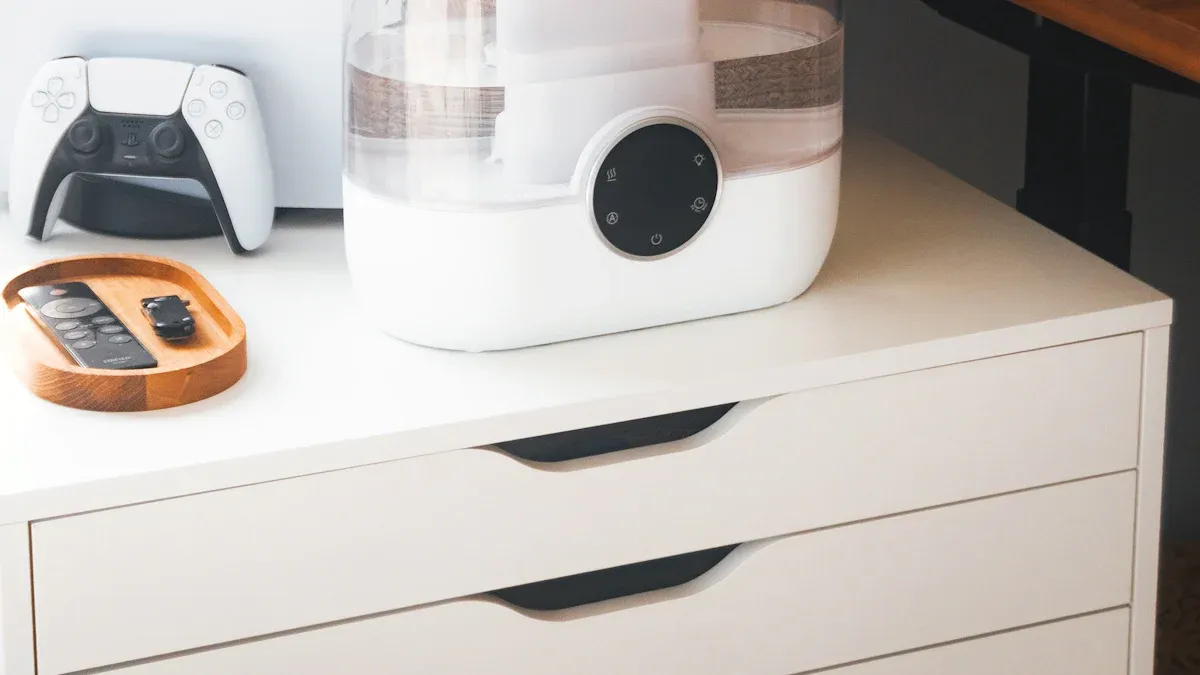
Staying hydrated at work is crucial. Even minor dehydration can reduce your focus. Many people feel too busy to get water. A water dispenser desk offers an instant solution. It provides great-tasting, clean water right where you need it. This simple upgrade helps you maintain energy and improve productivity effortlessly.
Key Takeaways
- Desk water dispensers help you stay hydrated. They offer clean water at your desk. This improves your focus and energy.
- Choose between bottled or bottleless dispensers. Bottled ones are easy to set up. Bottleless ones connect to your water line and save money over time.
- Consider features like filtration, temperature, and safety. Carbon filters improve taste. RO filters remove more impurities. Hot and cold options add convenience.
Understanding the Types of Desk Water Dispensers
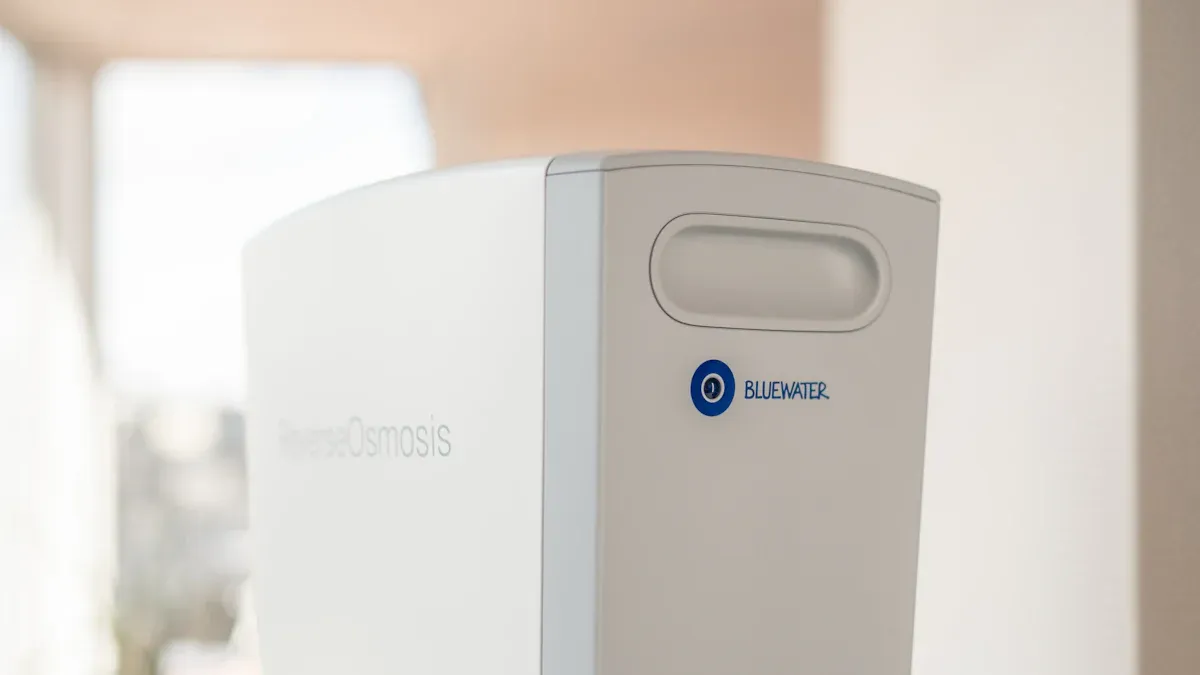
Choosing the right water dispenser desk starts with knowing your options. You will find two main types on the market. Each type offers unique benefits for your hydration needs. Let's explore them.
Bottled Dispensers
Bottled dispensers are a common and straightforward choice. You simply place a large water jug on top of or inside the unit. These dispensers are very easy to set up. You just plug them in, and they are ready to go. This makes them great for places without easy access to a water line. However, you must store and lift heavy water bottles. This can be inconvenient and creates plastic waste.
Bottleless (Point-of-Use) Dispensers
Bottleless dispensers offer a modern, continuous solution. These systems connect directly to your building's water supply. They use advanced filters to purify your tap water on demand. You get an endless stream of clean water without ever needing to replace a bottle. While the initial setup may require professional help, the long-term benefits are significant. You save money over time because you no longer buy bottled water. You also reduce your environmental impact.
Quick Comparison: Bottled vs. Bottleless This table helps you see the main differences at a glance.
Feature Bottled Dispenser Bottleless Dispenser Water Source Pre-filled water jugs Direct water line Installation Plug-and-play Requires plumbing Convenience Portable Continuous supply Long-Term Cost Higher (bottle purchases) Lower (no bottles) Eco-Impact Creates plastic waste Reduces plastic waste
Essential Features to Compare
You have decided on the type of dispenser. Now you need to look at the specific features. The right features ensure your dispenser meets your daily hydration needs. Let's examine the most important ones to help you make a smart choice.
Filtration Systems: RO vs. Carbon
The quality of your water depends heavily on the filtration system. Most dispensers use either activated carbon or reverse osmosis (RO) filters. Each system targets different contaminants.
Activated Carbon Filters are great for improving taste and odor. They work like a sponge, absorbing certain impurities from your water.
- They effectively remove chlorine.
- They reduce many volatile organic compounds (VOCs).
- They leave healthy minerals like calcium and magnesium in the water.
However, carbon filters have limits. They do not remove most dissolved solids, bacteria, viruses, or heavy metals like lead and fluoride.
Reverse Osmosis (RO) Filters provide a much higher level of purification. An RO system pushes water through a special membrane with tiny pores. This process removes up to 99% of all contaminants.
- RO systems excel at removing bacteria, viruses, and protozoa.
- They eliminate harmful chemicals, heavy metals, salts, and microplastics.
- They remove nearly all total dissolved solids (TDS).
Because RO filtration is so thorough, it also removes beneficial minerals. This can sometimes make the water taste "flat." Many people prefer this ultra-pure taste. Your choice depends on your water quality concerns.
Filter Face-Off: What Do They Really Remove? Use this table to compare the purification power of RO and Carbon filters.
Contaminant Reverse Osmosis (RO) Activated Carbon Bacteria & Viruses Removes Will Not Remove Heavy Metals (Lead, Arsenic) Removes/Reduces Does not reliably remove Fluoride & Nitrates Removes/Reduces Will Not Remove Chlorine (Taste & Odor) Removes Reduces/Improves Dissolved Solids Removes Will Not Remove
Temperature Options: Hot, Cold, and Room Temp
Think about how you will use your dispenser. Do you enjoy a hot cup of tea in the afternoon? Do you prefer ice-cold water after a workout? Many dispensers offer three temperature settings:
- Hot: Perfect for instant tea, coffee, or oatmeal.
- Cold: Provides crisp, chilled water on demand.
- Room Temperature: Ideal for those who prefer water that is not too cold.
You might think a multi-temperature unit uses more power. However, modern purifiers with multiple temperatures are often very energy-efficient. They consume less electricity over time compared to older models, making them a cost-effective long-term solution.
Capacity and Dispensing Speed
Capacity is a key feature for any water dispenser desk. For bottled dispensers, this refers to the size of the jug (usually 3 or 5 gallons). For bottleless models, it refers to the size of the internal hot and cold water reservoirs. A compact desk dispenser might have a reservoir capacity of around 0.6 liters for cold water. If you and your team drink a lot of water, a larger capacity means less waiting for the unit to chill or heat more water.
Dispensing speed is also important. This measures how quickly the dispenser fills your cup. A faster flow rate adds convenience to your busy day.
Safety Features and Child Locks
Safety is critical, especially if you choose a model with a hot water function. Accidental burns are a serious risk. Look for dispensers with robust safety features.
High-quality dispensers often include a child lock on the hot water tap. These mechanisms prevent accidental dispensing. Common types require a two-stage action, like sliding a button while pressing a lever. Some use spring-loaded locks that are difficult for small children to operate. These features give you peace of mind in a home or office with kids.
You should also check for safety certifications. In the U.S., look for a UL or ETL mark on the product. These certifications are not required by law, but reputable manufacturers voluntarily get them. They show the product has been tested for electrical safety and meets North American standards.
Design, Size, and Footprint
Your water dispenser will become a part of your workspace. You want it to fit well and look good. Before you buy, measure the area where you plan to place it. Pay attention to width, depth, and height. Remember to leave enough clearance above the spout to fit your favorite water bottle or mug. For reference, a popular countertop model like the Clover D1 measures about 10.7 inches wide, 16.8 inches deep, and 17.2 inches high.
Also, consider the materials. High-quality dispensers often use durable materials that are safe for contact with drinking water.
- Stainless steel tanks and exteriors are durable and easy to clean.
- BPA-free plastic ensures that no harmful chemicals leach into your water.
Choosing a dispenser with a sleek design and premium materials will elevate your desk setup.
Choosing the Right Water Dispenser Desk for You
Now you know the types and features. The next step is to match a dispenser to your specific environment. Your ideal water dispenser desk will depend on where you use it and how many people it will serve. Let's find the perfect fit for your needs.
For Your Home Office
Your home office is your personal productivity space. You need a dispenser that is convenient, compact, and maybe even a little fun. Modern countertop dispensers offer amazing features that go far beyond simple hydration.
Look for a model that enhances your daily routine. Many new units provide exciting options to personalize your drinks.
- Customize your drink with flavor options like lemon, peach, or cucumber.
- Choose your water style by selecting still or sparkling water.
- Add a boost with enhancements like caffeine, electrolytes, or vitamins.
- Enjoy hygienic, touchless dispensing using your smartphone to operate the machine.
Space is often limited in a home office. A compact, countertop design will give you all these benefits without cluttering your workspace. A user-friendly interface makes creating your perfect beverage quick and easy.
For a Small Business or Team
Choosing a dispenser for a small team requires a different focus. You need a durable and reliable machine that can handle more frequent use. Capacity and consistent performance are your top priorities.
Your small office of up to 10 employees will likely need a system that provides 5 to 10 gallons of water daily. This amount covers drinking water and use for making coffee or tea. For a business, you should also think about long-term reliability. Look for solutions that offer peace of mind. Many providers offer plans that include regular maintenance and service in a flat monthly rate. This ensures your dispenser always performs well and your team stays hydrated.
Pro Tip for Businesses 🏢 Focus on two key factors: capacity and reliability. A dispenser with a large enough reservoir and a solid service plan will keep your team happy and productive with minimal hassle.
Assessing Your Daily Water Needs
Before you make a final decision, you need to estimate how much water you actually use. A simple calculation can help you determine the right capacity for your dispenser.
Health experts often recommend about eight 8-ounce glasses of water per person each day. You can use this as a baseline. To find your total daily need, multiply the number of people by their expected daily water intake.
Example Calculation for a 5-Person Team:
5 People x 8 Glasses/Person x 8 Ounces/Glass = 320 Ounces per day
(320 ounces is equal to 2.5 gallons)
This table gives you a quick estimate for different settings.
| Group Size | Estimated Daily Need (Ounces) | Estimated Daily Need (Gallons) |
|---|---|---|
| 1 Person (Home Office) | 64 oz | 0.5 gal |
| 5 People (Small Team) | 320 oz | 2.5 gal |
| 10 People (Small Business) | 640 oz | 5.0 gal |
Remember to account for other uses. If your team makes a lot of coffee, tea, or oatmeal, you may want to choose a dispenser with a slightly larger capacity.
Cost vs. Benefit Analysis
You should consider both the initial price and the ongoing expenses of a water dispenser. A smart investment balances upfront cost with long-term value. This analysis will help you understand the full financial picture.
Upfront Purchase Price
The initial purchase price for a desk water dispenser varies greatly. Simple models may cost less, while advanced systems with powerful filters cost more. Features like reverse osmosis filtration or high-end designs increase the price. You can find a dispenser to fit almost any budget.
This table shows some example prices for different countertop models.
| Product Name | Price |
|---|---|
| Global Water G5CTF 3 Stage Ultra Filtration Counter Top | $599.00 |
| Global Water G5CTRO 4 Stage Reverse Osmosis Counter Top | $695.00 |
| Elkay DSBSH130UVPC Water Dispenser | $3,593.45 |
| Oasis POU1ACTHSK 506336C Aquarius Counter Top Water Cooler | Call for Quote |
Long-Term Ownership Costs
The purchase price is only the beginning. You must also plan for long-term ownership costs to see the true value. These ongoing expenses are an important part of your decision.
Consider these recurring costs:
- Replacement Filters: You will need to replace filters every 6 to 12 months.
- Electricity: The dispenser uses energy to heat and cool water.
- Water Source: Bottleless models will slightly increase your water bill. Bottled dispensers require you to buy water jugs regularly.
- Maintenance: Some units may need professional service over time.
Smart Savings Tip 💡 A bottleless dispenser often has a higher upfront cost. However, you save money over time by not buying plastic water jugs. This makes it a more cost-effective choice in the long run.
Maintenance and Upkeep
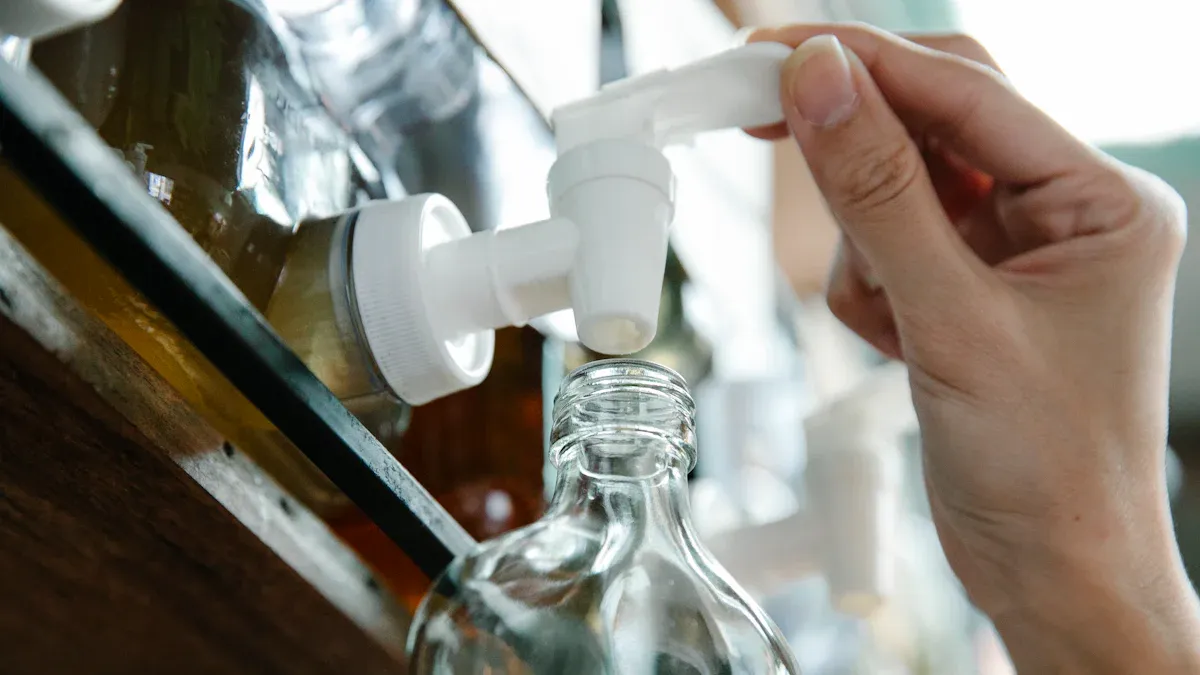
Your water dispenser needs regular care to perform its best. Proper maintenance ensures your water stays fresh, pure, and safe to drink. You can easily keep your unit in top condition with a simple cleaning and filter replacement schedule.
How to Clean Your Dispenser
You should clean your water dispenser every 3 to 6 months to prevent bacteria growth. For daily upkeep, use a food-safe wipe on the taps and drip tray. A full sanitization is simple and only takes a few steps.
- Unplug the unit and remove parts like the drip tray and nozzles.
- Create a cleaning solution. You can mix one part white vinegar with three parts water.
- Pour the solution into the water reservoir and scrub the inside with a soft brush.
- Let the solution sit for about 15 minutes, then drain it through the spouts.
- Rinse the reservoir with fresh water at least twice to remove any cleaning solution taste.
- Wash the removable parts with warm, soapy water and reassemble your dispenser.
When to Replace Filters
Filters are essential for clean water, but they do not last forever. You must replace them on a regular schedule.
Filter Lifespan Guide 🗓️
- Carbon Filters: Replace every 6 to 12 months.
- Reverse Osmosis (RO) Membranes: Replace every 2 to 5 years.
Your dispenser will also give you signs when a filter is failing. Look out for these clues:
- Strange Taste or Smell: If your water tastes metallic or musty, the filter is likely expired.
- Slow Water Flow: A weak stream often means the filter is clogged with contaminants.
- Visible Dirt: A new filter looks white. If your filter appears dark or slimy, it is time for a change.
A water dispenser desk provides amazing convenience, long-term savings, and eco-friendly benefits. This guide gives you the knowledge to choose the perfect model for your needs. You can now select your ideal unit with confidence and enjoy instant, pure water right at your workspace. Cheers to better hydration! 💧
FAQ
How often should I clean my water dispenser?
You should clean your dispenser every 3 to 6 months. This simple step prevents bacteria growth. It also keeps your water tasting fresh and pure.
Do bottleless dispensers really save money?
Yes, they do. You eliminate the recurring cost of buying water jugs. Your initial investment pays off over time, leading to significant long-term savings.
Can I install a bottleless dispenser myself?
Some models offer simple DIY installation. However, many systems require a professional plumber. This ensures a secure connection to your water line without any leaks.
Note: Always check the manufacturer's installation guide before you begin. 🛠️