A Complete Guide to 12-Panel Drug Screening
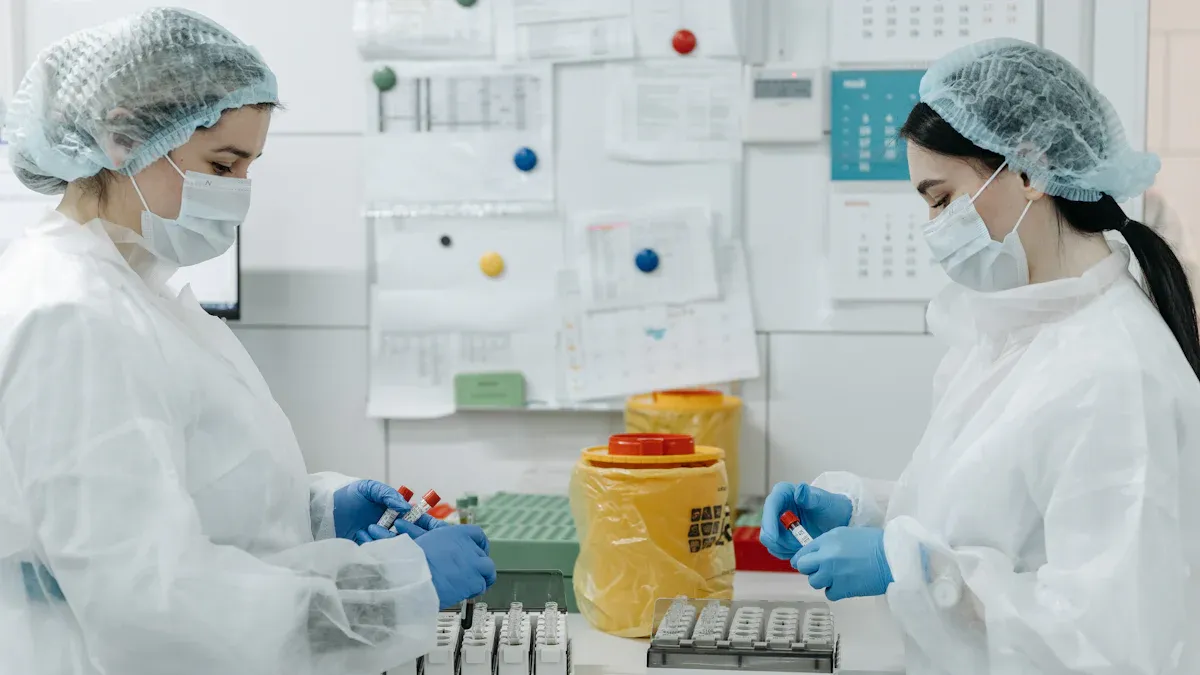
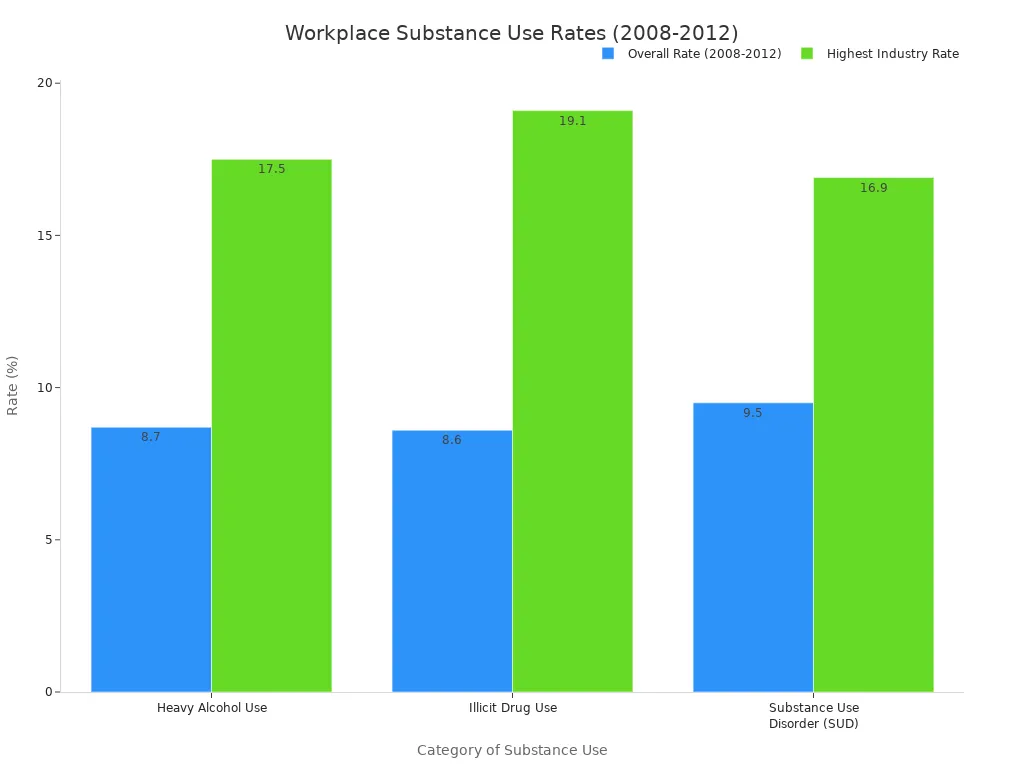
A Test for 12panel Urine Test is a method for detecting 12 different drugs and their metabolites in urine. This comprehensive Drug of Abuse Test for 12panel Urine Test and 12 Urine Cup Test identifies a wide range of substances. Over 50% of American employers use an advanced Drug Test Kit to ensure workplace safety, as substance use remains a concern in many industries.
Key Takeaways
- A 12-panel drug test checks for 12 different drugs. It helps keep workplaces safe and supports medical and legal needs.
- The testing process has three steps: sample collection, an initial screen, and a final confirmation. This makes sure results are correct.
- Many things can change test results, like medicines or how your body works. A doctor called an MRO checks positive results to make sure they are fair.
What a 12-Panel Screen Detects
A 12-panel drug screen provides a comprehensive look at a person's recent substance use. Each panel targets a specific drug or a class of related substances. Understanding what each panel detects is key to interpreting the results accurately.
Marijuana (THC)
This panel detects Tetrahydrocannabinol (THC), the main psychoactive compound in cannabis. The test identifies THC's primary metabolite, THCCOOH, which the body produces after use. THC is highly lipophilic, meaning it binds to fat cells in the body. This quality causes it to be released slowly over time, extending its detection window.
The length of time THC remains detectable varies greatly with usage frequency:
- Infrequent Users: A person using cannabis for the first time may test positive for about 3 days.
- Moderate Users: Someone who uses it 3-4 times per week can be detected for 5 to 7 days.
- Chronic Users: Daily users can test positive for 30 days or even longer. In some cases, detection has been reported for up to 93 days for very heavy users.
Cocaine
Cocaine is a powerful central nervous system stimulant. A drug screen looks for cocaine and its main metabolite, benzoylecgonine. The body eliminates this substance relatively quickly in casual users. However, heavy or repeated use extends the detection period significantly.
- A single use of cocaine is typically detectable in urine for up to 4 days.
- Heavy or binge users may test positive for up to two weeks.
- The National Highway Traffic Safety Administration (NHTSA) notes that benzoylecgonine can be found up to 10 days after a binge, and in some chronic users, for as long as 21 days.
PCP (Phencyclidine)
Phencyclidine, commonly known as PCP, is a powerful hallucinogenic drug. It was originally developed as an anesthetic but was discontinued due to its severe side effects. Urine tests can detect PCP for a considerable time after its last use. Most urinalysis tests may find PCP in a sample for up to 14 days following the last dose.
Amphetamines
This panel screens for a class of stimulant drugs. It can detect illicit substances like "speed" as well as prescription medications used to treat ADHD, such as Adderall® and Vyvanse®. A positive result does not automatically mean illegal drug use. Many common over-the-counter and prescription drugs can trigger a positive result for amphetamines.
Note: Potential for Cross-Reactivity 📝 A positive amphetamine result requires careful review. Many medications can cause a false positive, including:
- Antidepressants (e.g., Bupropion, Trazodone)
- Antihistamines (e.g., Brompheniramine)
- Nasal Decongestants (e.g., Ephedrine)
- Certain blood pressure medications (e.g., Labetalol)
Methamphetamines
Methamphetamine is a potent and highly addictive stimulant chemically related to amphetamine. This panel specifically targets methamphetamine and its metabolites. While their detection windows are similar for recreational use, they are distinct substances.
| Substance | Urine Detection Window (Recreational Use) |
|---|---|
| Amphetamines | Up to 3 days |
| Methamphetamine | Up to 3 days |
Opiates
This panel detects natural opiates derived from the opium poppy plant. It is designed to identify substances like heroin, morphine, and codeine. These drugs are powerful pain relievers with a high potential for abuse and addiction. A positive result on this panel often indicates the use of one of these specific substances.
Benzodiazepines
Benzodiazepines, or "benzos," are a class of prescription sedative medications. Doctors prescribe them to treat anxiety, insomnia, and seizures. Common examples include Valium® and Xanax®. The detection window depends on the specific type of benzodiazepine used.
| Benzodiazepine Type | Detection Time (up to) |
|---|---|
| Short-Acting (e.g., Xanax) | 2 days |
| Long-Acting (e.g., Valium) | 10 days |
Long-acting benzodiazepines like Valium remain in the system longer, leading to extended detection periods of 7-10 days. Short-acting types like Xanax are cleared more quickly.
Barbiturates
Barbiturates are a class of drugs that act as central nervous system depressants. They were once widely used as sedatives and sleep aids but have been largely replaced by safer medications like benzodiazepines. Similar to benzos, their detection time varies based on the specific formulation.
- Short-acting barbiturates may only be detectable for about 1 day.
- Long-acting barbiturates, such as phenobarbital, can remain in the system and be detected in urine for up to 3 weeks.
Methadone
Methadone is a long-acting synthetic opioid. It is most commonly used in medication-assisted treatment (MAT) programs to help people manage opioid addiction. However, it is also a powerful pain reliever with a potential for misuse. A Test for 12panel Urine Test includes methadone to monitor compliance in treatment programs or to detect illicit use.
Propoxyphene
Propoxyphene was a prescription opioid pain reliever sold under brand names like Darvon® and Darvocet®. The FDA removed it from the U.S. market in 2010 due to serious safety concerns.
Why is it still on the test? The drug was linked to thousands of deaths and had a high risk of abuse and life-threatening heart problems. Although its use has declined dramatically, some drug testing panels still include it to detect any lingering illicit use or to screen individuals who may have obtained it from old prescriptions or foreign sources.
MDMA (Ecstasy)
MDMA, also known as ecstasy or molly, is a synthetic drug that alters mood and perception. It has both stimulant and hallucinogenic properties. A standard drug test looks for MDMA in the urine. The detection window is typically up to three days after use. However, advanced tests can look for its metabolite, HMMA, which remains in the body much longer. Testing for HMMA can identify use for up to 6.6 days after a high dose, significantly increasing the chances of detection.
Oxycodone/Hydrocodone
Oxycodone (OxyContin®, Percocet®) and hydrocodone (Vicodin®) are powerful semi-synthetic opioids prescribed to treat moderate to severe pain. They are included as a separate panel because standard opiate screens do not reliably detect them. Their chemical structure is different enough from morphine and codeine that a specific test is needed to ensure accurate detection.
The Drug Screening Process
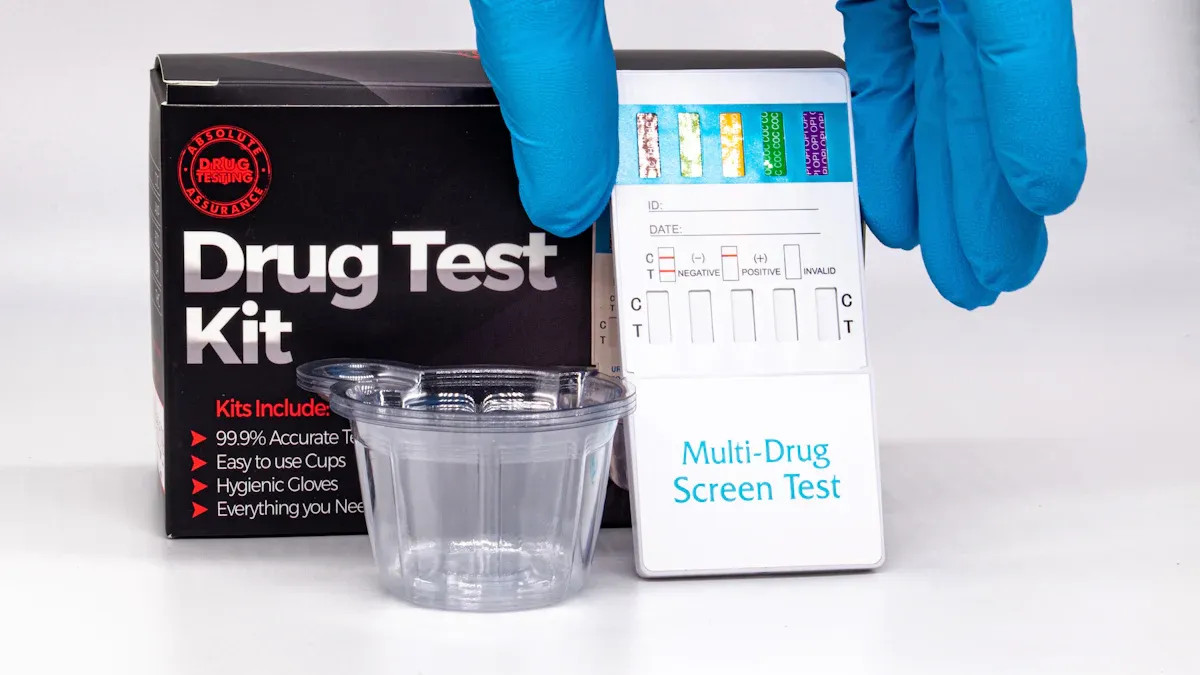
A drug screening follows a strict, multi-step procedure to ensure accuracy and fairness. Each step, from collecting the sample to confirming the results, plays a vital role in the integrity of the test.
Step 1: Sample Collection
The process begins with the careful collection of a urine specimen. Collection sites follow strict protocols to prevent tampering and ensure the sample is valid. Key integrity measures include:
- Securing the collection area by removing any items that could alter the specimen.
- Instructing the individual to wash their hands before providing the sample.
- Placing a bluing agent in the toilet to prevent dilution.
- Checking the sample's temperature immediately after collection. It must be between 90°F and 100°F.
A collector may also directly observe the collection to guarantee the sample's authenticity.
Step 2: Initial Immunoassay (IA) Screening
After collection, the sample undergoes an initial screening using an immunoassay (IA) test. This biochemical technique uses antibodies that are designed to react with specific drug antigens. If drugs or their metabolites are present in the urine, this antigen-antibody reaction produces an observable signal, such as a color change. This provides a fast, preliminary result, but it is not considered conclusive.
Step 3: Confirmatory Testing (GC/MS)
If the initial IA screen is positive, the sample is sent for confirmatory testing. Gas Chromatography/Mass Spectrometry (GC/MS) is the gold standard for this step. This advanced method separates compounds in the sample and then identifies them by creating a unique chemical fingerprint. GC/MS offers unmatched accuracy and specificity, minimizing the risk of false positives and providing legally defensible results.
The Standard Test for 12panel Urine Test
This complete, three-step process is the standard for a reliable Test for 12panel Urine Test. It combines a secure collection, a rapid initial screen, and a highly accurate confirmation to deliver dependable outcomes for employers, clinicians, and legal authorities.
Common Applications for 12-Panel Screens
The comprehensive nature of 12-panel drug screens makes them useful in various professional and official settings. Each application leverages the test's ability to detect a wide array of substances for specific purposes.
Pre-Employment and Workplace Testing
Employers frequently use 12-panel screens to promote a safe and productive work environment. In 2023, approximately 50% of employers reported using drug tests for potential hires. However, trends in workplace testing are shifting. Recent data shows that only 1.47% of U.S. job postings explicitly mention a drug test. Furthermore, about 15% of employers have stopped pre-employment drug screening altogether, reflecting changing attitudes and hiring practices.
Clinical and Healthcare Settings
Doctors and healthcare providers utilize these tests for several important reasons. They may order a screen to monitor patients who are prescribed controlled substances, such as opioids or benzodiazepines, to ensure proper use. The results help clinicians make informed decisions about treatment plans, diagnose potential substance use disorders, and provide appropriate patient care.
Legal and Forensic Purposes
In legal proceedings, drug test results must meet strict standards to be considered valid evidence. Courts require that the testing process demonstrates sufficient reliability to satisfy due process. The standard of proof for actions taken based on a positive result, such as termination from a drug court program, is typically a "preponderance of the evidence." This ensures that the evidence is more likely true than not.
Probation and Legal Compliance
A Test for 12panel Urine Test is a standard tool for probation and parole officers. They use it to monitor individuals and verify compliance with court-ordered sobriety. People subject to this testing retain minimal due process rights, which include:
- Written notice of any hearing.
- Disclosure of the evidence against them.
- The opportunity to be heard by a neutral party.
These safeguards help ensure fairness throughout the legal compliance process.
How to Interpret Test Results
Understanding a drug test report involves more than just seeing "positive" or "negative." Each result has a specific meaning based on strict laboratory standards.
Understanding Negative Results
A negative result means the test did not detect a specific drug or its metabolite above the laboratory's cutoff level. If an initial screen is below this threshold, the lab reports it as negative. Sometimes, a sample is dilute. This happens when creatinine levels are low. If the sample is dilute but no drugs are found, the lab reports it as a "negative dilute" result.
Understanding Positive Results
A positive result indicates that a drug was found at a concentration at or above the cutoff level. This initial finding is not final. The laboratory must confirm all initial positive screens using a more precise method, like Gas Chromatography/Mass Spectrometry (GC/MS). A result is only officially positive after this confirmation step.
Inconclusive or Invalid Results
An inconclusive or invalid result means the laboratory could not produce a valid outcome. This can happen for several reasons. The sample might show signs of tampering, or its temperature may be outside the acceptable range of 90°F to 100°F. An invalid result requires a new sample collection.
The Role of the Medical Review Officer (MRO)
A Medical Review Officer (MRO) is a licensed physician who plays a crucial role in the testing process. After a confirmed positive result, the MRO takes several steps:
- The MRO attempts to contact the donor at least three times to conduct a confidential interview.
- During the interview, the donor has an opportunity to provide a valid medical explanation, such as a prescription.
- The MRO verifies any medical claims to determine if they account for the positive result.
Why is the MRO important? 🧑⚕️ The MRO process protects individuals from wrongful accusations. It ensures that a legitimate medical reason for a positive test is considered before the final result is reported to an employer or legal authority.
Key Factors That Influence Results
Several key factors determine whether a drug test returns a positive or negative result. The outcome depends on more than just substance use. It also involves detection windows, laboratory standards, and individual body characteristics.
Drug Detection Windows
A drug's detection window is the period during which a test can find it in a person's system. These timeframes are approximate. They can change based on a person's metabolism, how much they used, and how often they used it. A standard urine screen often looks for substance use within the past week. However, this is not a strict rule.
| Drug Name | Urine Detection Window |
|---|---|
| Marijuana | Up to 30 days |
| Amphetamines | 3-7 days |
| Cocaine | 3-7 days |
| Methadone | 3-7 days |
| Opiates | 3-7 days |
| Benzodiazepines | 3-7 days |
Laboratory Cutoff Levels
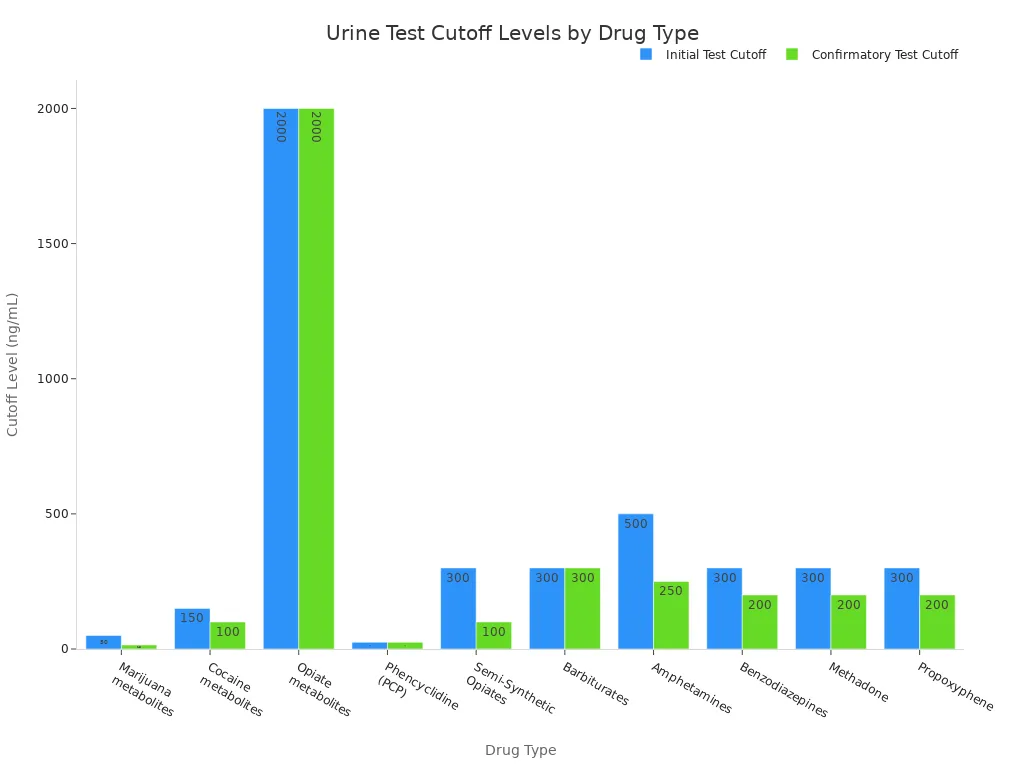
Laboratories use cutoff levels to define a positive result. A test is only positive if a drug's concentration is at or above a specific threshold, measured in nanograms per milliliter (ng/mL). Initial screens have different cutoff levels than confirmatory tests. Confirmatory tests are more sensitive and can detect smaller amounts. This two-step process ensures accuracy.
Individual Metabolism and Body Mass
Each person's body processes substances differently. This variation significantly impacts drug test results. Factors like metabolism rate, body weight, and overall health all play a role.
- Hydration: Drinking a lot of water can dilute urine and lower drug concentrations.
- Health Conditions: Liver or kidney problems can slow down the body's ability to clear drugs. This extends the detection window.
- Age and Body Weight: These factors influence how fast the body metabolizes substances.
Because of these individual differences, a high concentration of a drug does not always mean recent or heavy use.
Limitations and Potential for Inaccuracy
While 12-panel drug screens are valuable tools, they are not perfect. Understanding their limitations is essential for interpreting results fairly and accurately. Factors like cross-reactivity and sample tampering can affect the outcome.
The Risk of False Positives
A false positive happens when a test detects a substance that is not actually present. According to Georgina Rubal-Peace, PharmD, these "imposter substances" can be byproducts of common medicines or even certain foods. Initial immunoassay tests are fast but not fail-safe. They can mistakenly identify a legal substance as an illicit one.
Common Causes of False Positives 💊 Many over-the-counter and prescription drugs can trigger a false positive result.
- Amphetamines: ADHD medications (Ritalin), antidepressants (Wellbutrin), and cold medicine (Sudafed) can cause a false positive.
- Barbiturates: Pain relievers like ibuprofen (Advil) and sleep aids like doxylamine (Unisom) are known culprits.
- Cannabinoids (THC): Some CBD oil, hemp food products, and even certain vitamin B supplements may lead to a false positive.
The Possibility of False Negatives
A false negative occurs when a drug is in the system but the test does not detect it. This can happen if drug levels are too low or if the person's body metabolizes the substance very quickly. Another major cause is intentional tampering, where a person tries to cheat the test.
People may attempt to alter their urine sample by adding foreign chemicals. This is known as in vitro adulteration.
- Vinegar or table salt can change the sample's properties and interfere with the test.
- Harsh chemicals like hypochlorite bleach or laundry detergent can also mask the presence of drugs.
Cross-Reactivity with Other Substances
Cross-reactivity is the main reason for false positives. Initial immunoassay tests use antibodies that bind to specific drug structures. However, other substances with similar chemical shapes can also bind to these antibodies. This "cross-reacts" and triggers a positive result. For example, the chemical structure of a decongestant might resemble an amphetamine, fooling the initial screen. This is why a confirmatory GC/MS test is crucial. It can distinguish between the target drug and the cross-reactive substance, ensuring an accurate final result.
The Test for 12panel Urine Test is a comprehensive tool for detecting many substances. Accurate interpretation requires understanding the entire process and its limitations.
For employment or legal matters, a qualified Medical Review Officer (MRO) must interpret results to ensure fairness and accuracy. This step protects everyone involved.
FAQ
What is the main purpose of a 12-panel test?
A 12-panel test screens for twelve different drug classes. It helps employers, doctors, and legal officials detect a wide range of common prescription and illicit substances.
Are 12-panel urine tests accurate?
Yes, they are highly accurate. A positive screen always undergoes a second, more specific GC/MS test. This confirmatory step ensures a reliable and legally defensible result.
Can prescription drugs cause a positive result?
Yes, some prescriptions can trigger a positive screen. A Medical Review Officer (MRO) reviews the case to verify any valid medical explanations for the result.
See Also
Understanding Tablet Sampling Machines: A Comprehensive Laboratory Selection Guide
Defining Pharmaceutical Checkweighers: Key Features for Quality Control Success
Achieving PED 2014/68/EU Certification: Crucial Steps for Compliance
Top Capsule Checkweighers for Buyers to Evaluate in 2025
Exploring Innovative Industrial Applications of N,N-Dimethyl-N,N-Diphenylurea