The Essential Guide to Roll On Bottles for Any Application
A roll on bottle is a container featuring a rolling ball applicator. This design allows for the direct and controlled application of liquids. Its primary parts include the bottle, roller ball, and cap. The market for these components reflects their growing popularity and utility.
| Market Segment | Market Size | CAGR |
|---|---|---|
| Global Glass Roller Bottle | $2.6 Billion (by 2032) | 6.2% |
| Roll On Pilfer Proof Caps | $52.19 Million (by 2029) | 4.20% |
How to Choose the Perfect Roll-On Bottle
Selecting the right components is the first step toward creating a high-quality product. The bottle's material, the roller ball's composition, and the container's size all influence the performance and longevity of your blend. A thoughtful choice ensures a superior user experience.
Glass vs. Plastic Bottles
The choice between glass and plastic involves weighing factors like durability, chemical compatibility, and environmental impact. Glass is an excellent option for preserving the integrity of sensitive liquids. For instance, a 10ml Amber Glass Roll On Bottle offers superior protection for its contents. Amber glass blocks over 90% of UV rays up to 500 nm. This comprehensive light-filtering capability makes it the optimal choice for photosensitive essential oils and serums.
Cobalt blue glass also provides good UV protection, blocking wavelengths below 450 nm. However, amber glass offers more extensive defense against a broader light spectrum. Clear glass provides minimal UV protection and is best for liquids that are not light-sensitive.
Tip: For maximum potency and shelf life of your essential oil blends, always choose colored glass like amber or cobalt blue.
The environmental and functional differences between glass and plastic are also significant.
| Feature | Plastic | Glass |
|---|---|---|
| Production | Uses petroleum, a non-renewable resource. | Uses sand and limestone, which are abundant. |
| Durability | Flexible and less likely to break upon impact. | Brittle and can shatter if dropped. |
| Recyclability | Complex process; only a small percentage is recycled. | 100% recyclable without any loss of quality. |
| Chemical Leaching | May leach chemicals, especially with heat. | Inert and does not leach chemicals into contents. |
| Reusability | Can degrade with repeated use and cleaning. | Highly reusable and can be sterilized easily. |
| Aesthetics | Offers design flexibility in shape and color. | Provides a premium, high-end appearance. |
For those seeking a sleek and modern look, a 10ml Clear Glass Roll On Bottle with a Black Cap combines aesthetic appeal with the inert properties of glass, making it a versatile roll on bottle for various applications.
Steel, Glass, or Gemstone Rollers
The roller ball is the heart of a roll on bottle, directly impacting application. The material of the roller should be chosen based on the liquid it will dispense.
- Stainless Steel: This is the premier choice for durability and chemical resistance. High-quality stainless steel rollers do not corrode or break down when exposed to potent or acidic essential oils. This ensures the purity of the blend remains uncompromised.
- Glass: Glass rollers offer a smooth application and are chemically inert. They work well with most liquids but can be more fragile than their steel counterparts.
- Gemstone: Rollers made from crystals like rose quartz or amethyst are popular in skincare. These rollers are believed to offer additional benefits.
- Rose Quartz is known for its ability to stay cool, providing a soothing sensation that can help reduce puffiness.
- Amethyst is traditionally thought to have purifying properties that may help calm the skin.
- Using a gemstone roller can also enhance product absorption and improve lymphatic flow through gentle massage.
Finding the Right Size
The ideal bottle size depends entirely on its intended use. Manufacturers offer a range of sizes to meet diverse needs.
| Size | Common Uses |
|---|---|
| 1-3 ml | Perfect for product samples or single-use applications. |
| 5-10 ml | The most popular size for personal use, travel, and daily carry. |
| 15-30 ml | Ideal for at-home use or for blends that are applied frequently. |
| 50 ml+ | Best for creating larger batches or for professional use in spas. |
Choosing a smaller size like 10 ml is practical for portability. It fits easily into a purse or pocket for on-the-go aromatherapy or skincare touch-ups. Larger sizes are more economical for users who have a favorite blend they use regularly at home.
Getting Started: Filling and Assembly
Properly filling and assembling your roll on bottle is crucial for performance and preventing messes. A systematic approach ensures your custom blends are secure and ready for use. This process protects the integrity of both the container and its contents.
How to Fill Without Spills
A clean transfer is the first step to a perfect product. Users can achieve a spill-free fill by following a simple procedure.
- Prepare the Liquid: Use a small funnel, pipette, or syringe to draw your liquid from its source. These tools provide excellent control.
- Fill the Bottle: Carefully transfer the liquid into the bottle. It is important to leave adequate space at the top.
Pro Tip: Fill the bottle to about 90% capacity. This headspace prevents overflow when you insert the roller ball housing.
Assembling Your Bottle Correctly
The roller ball housing creates the seal. Most designs require a firm, even press to snap into place.
- Manual Method: Place the roller housing on the bottle opening. Use the palm of your hand or the bottle cap to apply steady, downward pressure until it clicks securely.
- Using a Tool: For frequent assembly, specialized tools offer efficiency. An opener key or a pressure tool like the O-Presto can insert roller fitments quickly without straining your hands.
A correct fit is essential. It prevents leaks caused by user handling or changes in temperature and altitude during transport.
Checking for Leaks
Before use, always test for leaks. A faulty seal can ruin a product. One reliable method is a simple pressure test. Secure the cap tightly and leave the bottle on its side on a paper towel for several hours. Any sign of moisture indicates a potential leak, often due to an improper seal or a tiny crack. Quality control methods like vacuum leak testing can identify invisible defects in the bottle or seal, ensuring a secure final product.
Creating and Using Your Blends
Creating a custom blend is a rewarding process. It allows users to tailor scents and benefits to their specific needs, from relaxation to focus. The right combination of oils can transform a simple roll-on into a powerful personal tool.
A Simple Essential Oil Recipe
Beginners can start with a proven recipe. The "Island Haze" perfume oil offers a simple yet elegant fragrance.
- Pour 9 grams of a carrier oil, like Fractionated Coconut Oil, into the bottle.
- Add the essential oils: 8 drops of Sandalwood, 2 drops of Orange, 1 drop of Ylang-Ylang, and 1 drop of Patchouli.
- Secure the roller ball and shake well.
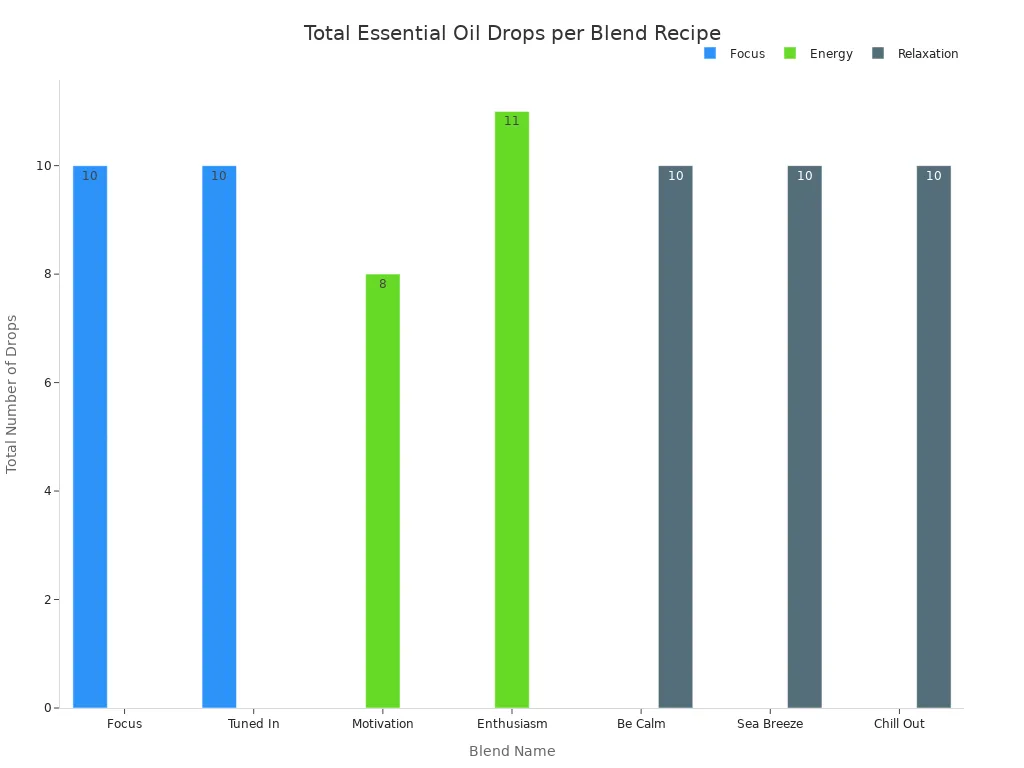
For more inspiration, users can explore blends designed for specific purposes.
| Category | Blend Name | Essential Oils (Drops) |
|---|---|---|
| Focus | Focus | 5 Wild Orange, 5 Peppermint |
| Energy | Motivation | 2 Black Pepper, 2 Lime, 2 Orange, 2 Frankincense |
| Relaxation | Be Calm | 3 Lavender, 3 Orange, 2 Cedarwood, 2 Frankincense |
Safe Dilution Ratios
Essential oils are highly concentrated. They require dilution in a carrier oil like Jojoba or Sweet Almond Oil before skin application.
Caution: Applying undiluted essential oils directly to the skin can cause irritation, rashes, or allergic reactions. Certain oils, like citrus and cinnamon, pose a higher risk.
Proper dilution ensures safety and effectiveness. The ideal ratio depends on the user's age and the application area.
| Group | Dilution Ratio | Drops per 10ml (2 tsp) |
|---|---|---|
| Children & Elderly | 1.0% | 2 drops |
| Healthy Adults | 1.0% – 2.0% | 2-4 drops |
| Facial Products | 0.2% – 1.5% | 1-3 drops |
Application Best Practices
Applying blends to pulse points enhances absorption. These are areas where blood vessels are close to the skin's surface, allowing oils to enter the bloodstream more efficiently. For best results, apply the roll-on to:
- Wrists
- Temples
- Behind the ears
- Side of the neck
A gentle massage over these points helps distribute the oil. This method is effective for managing stress, improving focus, or simply enjoying a personal fragrance throughout the day.
Maintenance and Advanced Tips
Proper maintenance extends the life of your bottles and ensures your blends remain safe and effective. Advanced tips on labeling and troubleshooting help users achieve a professional and seamless experience from creation to application.
How to Clean and Reuse Bottles
Cleaning bottles correctly allows for safe reuse. The method depends on the bottle's material. For glass bottles, users can follow a simple sterilization process.
- Gather Supplies: Collect natural soap, warm water, and a soft cloth.
- Clean Components: Remove the roller ball and wash it and the bottle with soap and warm water. Rinse both parts thoroughly.
- Dry and Sterilize: Pat the roller ball dry. Boil the empty glass bottle to remove any oily residue and sterilize it. Allow the bottle to cool completely before reassembly.
Plastic bottles require a different approach. Users should clean them with mild soap and sanitize them with isopropyl alcohol. It is important to inspect the plastic for any scratches or wear. If strong scents linger or the bottle shows damage, it is safer to use a new one to prevent contamination.
Labeling for Safety
Accurate labeling is essential for safety and compliance. The Fair Packaging and Labeling Act (FPLA) requires specific information on consumer products.
- Product identity (e.g., "Focus Blend")
- Net quantity of contents (in metric and imperial units)
- Name and business address of the manufacturer or distributor
To ensure labels last, users should choose durable materials. Waterproof vinyl or polypropylene (BOPP) with a permanent adhesive resists moisture and oil. Applying a clear gloss overcoat also adds a protective layer, preventing smudging and wear.
Troubleshooting Common Issues
A common problem is a stuck roller ball that will not move. This issue often has a simple fix. Product buildup can be cleaned away with a cloth dampened with rubbing alcohol. If the formula inside is too thick, placing the roll on bottle in a warm water bath for a few minutes can help loosen it. Storing the bottle upside down for a day can also help lubricate the ball.
Choosing the right material, roller, and size is key to a great user experience. A well-chosen bottle ensures custom blends are effective, safe, and easy to use. Creators can start making unique blends today for many purposes.
- Aromatherapy roll-ons for stress relief
- Skincare oils for a mess-free experience
- Natural lip gloss for healthy lips