New Directions for Complete-Automatic Cake Making Machines This Year
The bakery industry faces rapid transformation as manufacturers adopt the Complete-Automatic Cake Making Machine. Rising labor costs and growing demand for bakery products drive this shift. Automation now streamlines cupcake production, allowing robots to mix batter and pipe icing with precision. Market segmentation reveals opportunities across commercial, household, and industrial sectors. Innovations in sustainability and smart technology further accelerate this evolution.
Key Technological Innovations in Complete-Automatic Cake Making Machines

AI and Machine Learning Integration
Artificial intelligence and machine learning have transformed the Complete-Automatic Cake Making Machine landscape. These technologies enable machines to monitor dough consistency and predict optimal texture, making real-time adjustments that reduce human error. Bakeries now rely on AI systems to ensure uniformity across batches, maintaining quality standards and minimizing wastage. Automated weighing and mixing systems deliver accurate ingredient proportions, further improving product consistency. Tunnel ovens with precise temperature control enhance baking efficiency and product uniformity.
AI-driven cake production lines evolve from manual processes to intelligent systems, responding to consumer expectations and cost pressures.
- AI systems monitor dough consistency and adjust processes in real time.
- Automated ingredient handling reduces human error and maintains quality.
- Tunnel ovens with precise controls improve efficiency and uniformity.
Advanced Robotics and Automation
Robotics and automation drive speed and scalability in modern cake production. The Complete-Automatic Cake Making Machine incorporates cobot platforms and integrated vision systems, simplifying operations for bakery staff. Cobots demonstrate adaptability in food environments, handling tasks from delicate food placement to heavy-duty palletizing. These advancements ensure hygiene and reliability while reducing complexity.
| Advancement | Description |
|---|---|
| Cobot and Go Platform | Pre-engineered cobot systems enhance efficiency and simplify automation. |
| Integrated Vision and AI | Advanced sensing and AI allow bakers to focus on recipes, not coding. |
| CRX Cobot Demonstrations | Cobots handle delicate placement and heavy-duty tasks, ensuring hygiene. |
Production lines equipped with automated systems can produce up to 100,000 cupcakes or muffins per hour. Output increases by 50% after using automated filling machines, and filling errors drop by 75%. Smart sensors boost production efficiency by up to 25%. AI technologies raise productivity by 20% to 30%.
| Evidence Description | Impact |
|---|---|
| Automated systems produce up to 100,000 cupcakes per hour | Increased speed |
| Output increased by 50% with automated filling machines | Enhanced scalability |
| Filling errors dropped by 75% with machine adoption | Improved consistency |
| Production efficiency increased by up to 25% with sensors | Boosted efficiency |
| AI technologies raised productivity by 20% to 30% | Enhanced scalability |
User-Friendly Interfaces and Remote Monitoring
User-friendly interfaces make the Complete-Automatic Cake Making Machine accessible to operators with varying skill levels. Machines feature adjustable controls, high-resolution displays, and automated application systems. Operators can easily select recipes, adjust filling nozzles, and manage icing thickness without technical expertise.
| Machine Type | User-Friendly Features |
|---|---|
| Cake Filling Machine | Adjustable filling nozzles, user-friendly controls |
| Cake Icing Machine | Adjustable icing thickness, automated application |
| Cake Printer Machine | High-resolution printing, user-friendly interface |
| Cake Cutting Machine | Adjustable cutting sizes, sharp blades |
Remote monitoring technology enhances maintenance and troubleshooting. Sensors collect real-time data on speed, temperature, and pressure. Operators identify abnormal readings quickly and analyze trends, such as gradual decreases in machine speed, to prevent breakdowns. This proactive approach ensures smoother operations and reduces downtime.
Tip: Real-time monitoring allows bakeries to address issues before they impact production, improving reliability and efficiency.
Smart Factory and IoT Connectivity
Smart factory solutions and IoT connectivity elevate the Complete-Automatic Cake Making Machine to new levels of operational efficiency. Real-time data collection enables seamless connectivity between machinery and monitoring systems. Immediate adjustments to processes ensure consistent quality and reduce human error. Automated mixing and ingredient handling systems maintain production standards, while oven control systems monitor and adjust baking conditions in real time.
| Benefit | Description |
|---|---|
| Improved Food Safety | Maintains integrity of food products and ingredients |
| Reduced Wastage | Lowers energy costs and minimizes food wastage |
| Enhanced Productivity | Increases employee efficiency and productivity |
| Operational Efficiency | Facilitates better pest control and workflow improvement |
- Real-time data collection enables immediate process adjustments.
- Automated systems streamline production and reduce bottlenecks.
- Smart controls save energy and reduce waste.
IoT-enabled machines improve production outcomes by ensuring seamless connectivity and automated quality control. Bakeries benefit from reduced energy consumption, improved consistency, and minimized food wastage.
Market and Consumer Trends Shaping Complete-Automatic Cake Making Machines
Customization and Personalization Capabilities
Bakeries now prioritize customization to meet the rising demand for unique cakes. Social media influences consumers to seek intricate designs and personalized messages. The Complete-Automatic Cake Making Machine addresses these needs with advanced programmability and AI-driven features. Machines now offer:
- Automated decorating tools for complex patterns
- 3D printing technology for detailed sugar sculptures
- User-friendly interfaces for easy recipe adjustments
- Versatile baking capabilities for different cake types
A comparison of key growth factors highlights the market’s direction:
| Key Growth Factors | Description |
|---|---|
| Adoption of Automation | Automation enhances production efficiency and customization capabilities. |
| Demand for Customization | Personalized, visually appealing cakes drive innovation in machine design. |
| Popularity of Home Baking | Home baking trends influence machine features and accessibility. |
Health-Conscious and Specialty Cake Production
Health trends shape the features of modern cake machines. Manufacturers design equipment to handle gluten-free, vegan, and reduced-sugar recipes. Machines now support the use of functional ingredients like protein and fiber. This shift allows bakeries to cater to a health-aware customer base without sacrificing taste or texture.
Note: Machines that accommodate specialty ingredients help bakeries expand their product offerings and reach new markets.
Evolving Flavor and Design Demands
Consumer preferences continue to evolve, driving innovation in both flavor and aesthetics. Texture innovation delivers diverse mouthfeel experiences. Premium flavors and locally sourced ingredients command higher prices. Nostalgic flavors, such as s'mores and custards, appear with modern twists. The market for cake decorating machines is projected to grow significantly, fueled by demand for customized cakes for events like weddings and birthdays. Cakes now serve as a medium for personal expression, emphasizing creativity and memorable experiences.
Sustainability and Regulatory Developments for Complete-Automatic Cake Making Machines
Energy Efficiency and Eco-Friendly Materials
Manufacturers now prioritize energy efficiency and eco-friendly materials in automatic cake making machines. They invest in energy-efficient equipment to lower operational costs and reduce carbon footprints. Energy expenses can account for up to 20% of a bakery’s production budget, so these investments have a direct financial impact. Many companies source local ingredients, which supports local economies and minimizes transportation emissions. Eco-friendly packaging, including biodegradable and recyclable options, has become standard. A recent survey found that 62% of consumers value eco-friendly practices in cupcake manufacturing, prompting companies to adopt sustainable approaches.
| Aspect | Description |
|---|---|
| Cost Reduction | Streamlined processes lower labor and energy costs, directly impacting profitability. |
| Time Management | Efficient systems ensure quicker turnaround times, improving inventory management. |
| Consistency in Quality | Advanced systems maintain uniform quality, strengthening brand reputation. |
Waste Reduction and Smart Resource Management
Modern cake making machines automate ingredient measurement, which reduces excess waste. They ensure optimal baking conditions, minimizing the risk of overbaking or underbaking. Automation also enhances efficiency by optimizing human resource allocation and supporting precise portioning. Sensors and monitoring systems help bakeries track energy use and ingredient consumption in real time. These features allow bakeries to repurpose unsold cakes and implement eco-friendly packaging, further supporting sustainability goals.
Tip: Real-time tracking and traceability not only reduce waste but also ensure ethical sourcing and transparency.
Compliance with New Food Safety Standards
Automation in cake making machines minimizes human intervention, reducing contamination risks. Equipment made from food-grade stainless steel is easier to clean and sanitize, which helps bakeries achieve high inspection scores. Automated systems control temperature and humidity, both critical for food safety. Compliance audits, food safety certifications, and supplier verification programs help bakeries meet updated regulations such as FSMA and cGMPs. Facilities must register with the FDA and maintain strict hygiene standards to ensure safe production environments.
Real-World Applications and Case Studies of Complete-Automatic Cake Making Machines
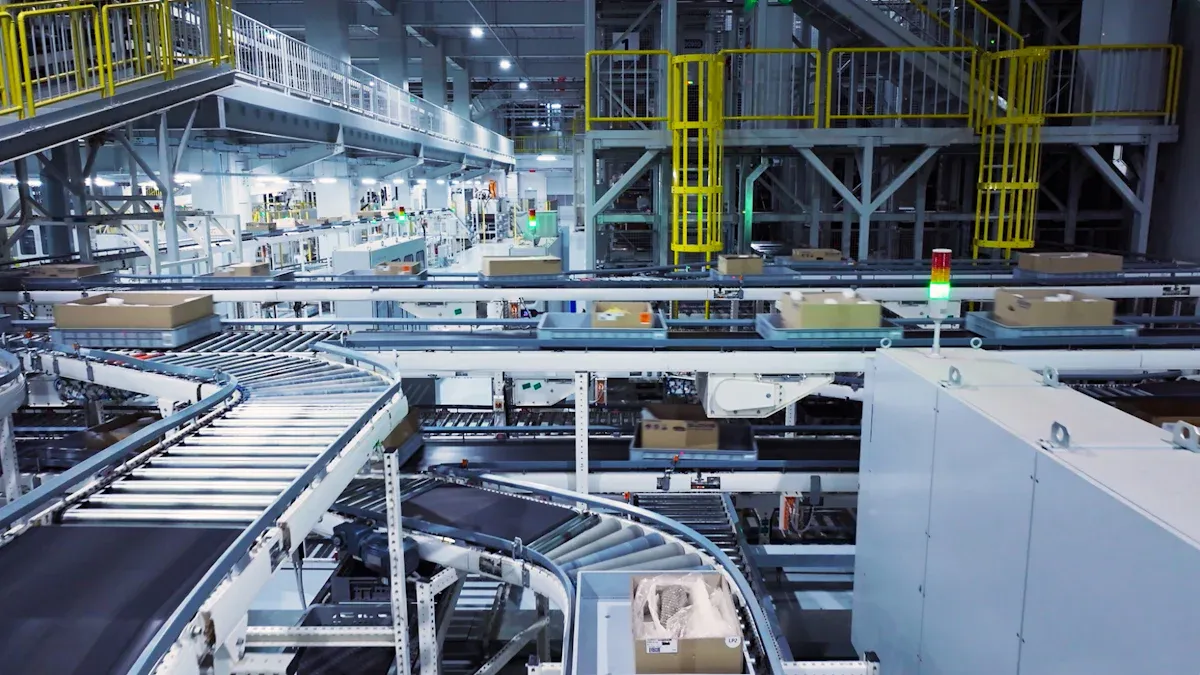
Success Stories from Leading Bakeries
Leading bakeries have embraced complete-automatic cake making machines to transform their operations. They report significant improvements in efficiency and product quality. Many bakeries now invest heavily in automated production lines. Recent case studies show that 70% of bakeries have adopted automation to meet rising consumer demand. These bakeries experience streamlined processes and reduced manual labor. Product consistency has improved, which strengthens brand reputation and customer satisfaction.
Bakeries also benefit from increased productivity. They can scale up production without hiring additional employees, which proves essential during labor shortages. Automated systems accelerate the output of cakes, cookies, and pastries. This allows bakeries to keep pace with large orders and seasonal spikes. The adoption of automation positions these bakeries as industry leaders.
- Automation enhances efficiency and consistency.
- Productivity rises without expanding the workforce.
- Bakeries meet consumer demand more effectively.
Lessons Learned from Early Adopters
Early adopters of automatic cake making machines have gained valuable insights. They recognize the importance of building trust among staff. Employees often worry that AI will replace their jobs. Successful bakeries address these concerns by involving users in the adoption process. Participation increases a sense of ownership and reduces resistance.
These bakeries view AI as a collaborative tool. It empowers staff rather than replacing them. Involving employees in machine integration leads to smoother transitions and better outcomes.
- Building trust supports successful adoption.
- User involvement fosters ownership and acceptance.
- AI serves as a tool to empower, not replace, staff.
Strategic Implications for Bakeries and Manufacturers Using Complete-Automatic Cake Making Machines
Investment Considerations and ROI
Bakeries and manufacturers face several critical factors when evaluating automatic cake making machines. Decision-makers must align equipment choices with business goals and operational realities. Key considerations include:
- Production Scale: Assess whether the bakery serves boutique clients or operates at an industrial level.
- Cake Types: Identify the range of cakes produced to determine equipment compatibility.
- Budget Range: Weigh the long-term value of premium machines against lower-cost alternatives.
- Space Availability: Ensure the kitchen layout accommodates new machinery without overcrowding.
- Staff Configuration: Evaluate if automation is necessary based on current staffing levels.
- Energy Efficiency: Select machines that minimize energy use to control costs.
- Maintenance Requirements: Choose equipment that simplifies upkeep and reduces downtime.
- Brand Reliability: Opt for trusted brands that offer durability and support.
Calculating return on investment (ROI) involves more than upfront costs. The following table outlines essential ROI factors:
| Factor | Description |
|---|---|
| Initial Costs | All expenses related to purchasing and installing the equipment. |
| Operational Savings | Automation can reduce labor costs by up to 20% through improved efficiency. |
| Increased Production | Enhanced capacity enables bakeries to meet higher demand. |
| Lifespan of Equipment | High-quality machines often last over a decade with proper maintenance. |
Workforce Training and Change Management
Successful implementation of automatic cake making machines depends on effective workforce training. Most staff members master basic operations within one to two weeks of hands-on instruction. Training covers safety, equipment setup, batter preparation, programming, quality monitoring, and troubleshooting. Modern machines feature intuitive controls, which help reduce the learning curve. Advanced training may be required for specialized techniques, but most employees adapt quickly.
| Training Aspect | Details |
|---|---|
| Training Duration | Basic operation typically learned in 1-2 weeks of hands-on training. |
| Skills Required | Covers safety, setup, batter prep, programming, quality checks, and troubleshooting. |
| Advanced Training | Needed for specialized tasks, but most machines remain user-friendly. |
Tip: Ongoing support and refresher sessions help staff stay confident and efficient with new technology.
Competitive Advantages and Market Positioning
Adopting complete-automatic cake making machines positions bakeries as industry leaders. Automation enables consistent product quality, faster turnaround, and the ability to scale production during peak demand. Companies that invest in advanced equipment often attract new clients and retain existing ones by delivering reliable results. Enhanced efficiency and reduced labor costs improve profitability, while innovative capabilities—such as customization and health-focused options—differentiate brands in a crowded market. Strategic investment in automation strengthens market positioning and supports long-term growth.
Complete-automatic cake making machines drive innovation in bakeries. AI, robotics, and sustainability shape industry trends for 2026. Bakeries benefit from improved efficiency and product quality.
- Evaluate machine compatibility with production needs
- Invest in staff training
Manufacturers should prioritize energy-efficient models and monitor regulatory changes.
FAQ
What maintenance does a Complete-Automatic Cake Making Machine require?
Operators should clean all food-contact parts daily. Routine checks on sensors and moving components help maintain consistent performance and extend machine lifespan.
Can a Complete-Automatic Cake Making Machine handle different cake recipes?
Yes. Most models support a wide range of recipes. Operators can adjust settings for batter consistency, baking time, and decoration styles.
How does automation affect bakery staffing?
Automation reduces repetitive tasks. Staff can focus on quality control and creative work. Many bakeries report improved job satisfaction after adopting a Complete-Automatic Cake Making Machine.
See Also
Innovative Folder Gluer Technologies Shaping 2025 Carton Production
Why Automatic UV Coating Machines Are Crucial for Fast Printing
Three Essential Industrial Checkweighers for Food Manufacturing Facilities
Comparing Leading Manufacturers of Ampoule Filling Production Lines