Installation and Maintenance Made Easy for Commercial Sewage Treatment Plants
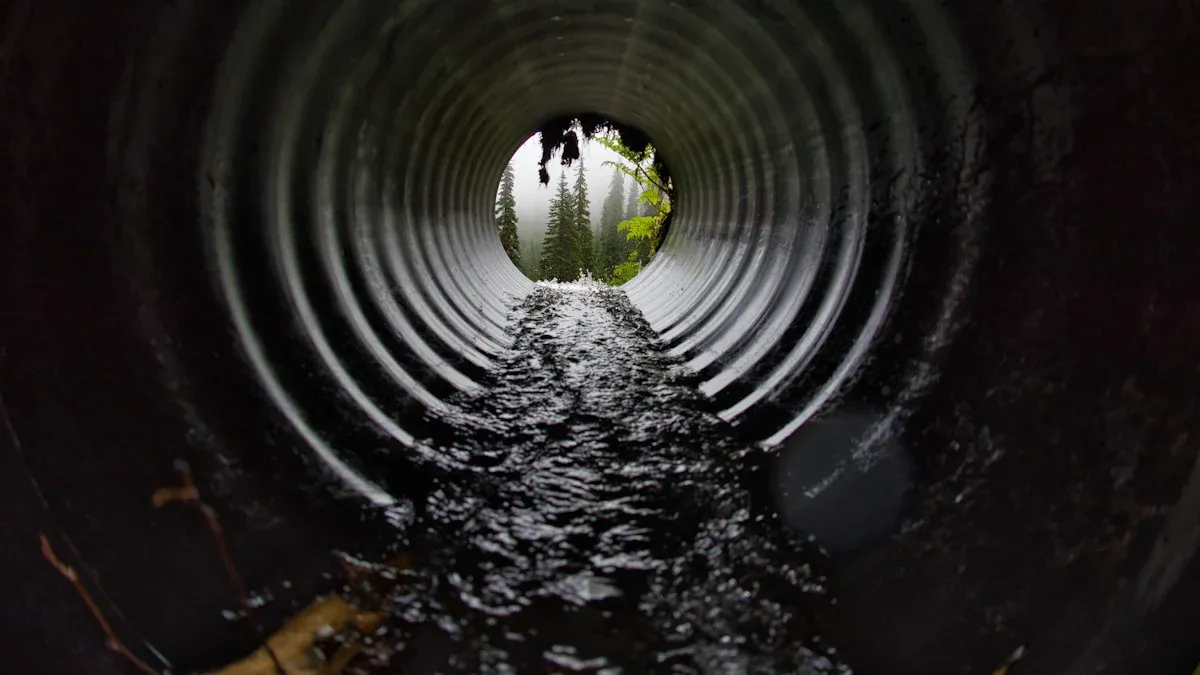
You can install and maintain a commercial sewage treatment plant with clear steps. This process helps you keep your system safe and effective. You gain peace of mind when you follow proven methods. Reliable operation supports your business and the environment every day.
Key Takeaways
- Proper installation and maintenance of commercial sewage treatment plants protect the environment and your business. Follow clear steps to avoid costly repairs and legal issues.
- Regular inspections and cleaning keep your sewage treatment plant efficient. Schedule daily or every two to three days for sludge removal to maintain water quality.
- Stay updated on local regulations and safety protocols. Compliance helps you avoid fines and ensures safe operation for your team.
Commercial Sewage Treatment Plant Basics
What Is a Commercial Sewage Treatment Plant?
You use a commercial sewage treatment plant to clean wastewater from businesses and large facilities. These systems handle much more water than residential plants. You can see the main differences in the table below:
| Feature | Commercial Sewage Treatment Plants | Residential Sewage Treatment Plants |
|---|---|---|
| Capacity | Higher volume for larger groups | Lower volume for small households |
| Typical Users | Businesses with 50+ employees | Households with 4-5 residents |
| Maintenance Needs | More complex and frequent | Simpler and less frequent |
You often find several types of commercial sewage treatment plants in industrial settings. Each type works best for different needs:
| Type of Plant | Key Features |
|---|---|
| Rotating Disc System | Low maintenance, needs de-sludging every 12-18 months, good for crowded areas. |
| Activated Sludge Plant | Uses oxygen and microorganisms to clean water, creates sludge. |
| Submerged Aerated Filter System | Simple design, low maintenance, automatic de-sludging, saves money. |
| Sequencing Batch Reactors | Flexible, handles strong or weak sewage, works in one tank, lowers carbon footprint. |
Importance of Proper Installation and Maintenance
You protect your business and the environment when you install and maintain your commercial sewage treatment plant correctly. Poor installation or lack of care can cause serious problems:
- Contaminated water resources
- Harm to aquatic life
- Long-term damage to important ecosystems
- Hefty fines and legal trouble for your facility
- Damaged reputation
If you ignore maintenance, your system may fail. This can lead to big financial losses and harm your business image. You keep your plant running smoothly and avoid risks by following the right steps.
Pre-Installation Steps for Commercial Sewage Treatment Plant
Site Assessment and Planning
You start by understanding your site and its needs. A good site assessment helps you avoid problems later. Here are the main steps you should follow:
- Decide if your application is domestic, commercial, or industrial.
- Measure the maximum amount of wastewater your site will produce each day.
- Find out where you will discharge the treated water and check the rules for that location.
- See if you need a discharge license based on how much water you release and how sensitive the area is.
- Learn about the limits set by local authorities for your discharge license.
- Gather any reports or tests needed for your planning application, such as ecological surveys.
- Pick the best spot for your commercial sewage treatment plant to make sure it works well and follows the rules.
- Think about performance, reliability, and maintenance when choosing your system.
Understanding Permits and Approvals
You must get the right permits before you install your system. These may include:
- Discharge licenses for high volumes or sensitive environments
- Environmental impact assessments
- Permit application fees
- Legal checks for compliance
- Ongoing monitoring and reporting
- Special permits if you discharge more than 2,000 liters per day or use wells and boreholes
- Extra permits for groundwater protection zones
Tip: Always check with your local regulatory authority to make sure you have all the approvals you need.
Selecting the Right System for Your Needs
You want a system that fits your site and works well for years. Use this table to compare important factors:
| Factor | Description |
|---|---|
| System performance | Does the system meet your treatment needs? |
| System reliability | Can you count on the system to work every day? |
| Manufacturer reputation | Does the company have a good track record? |
| Running costs | What will you pay for energy and maintenance over time? |
| Technical support | Will you get help if something goes wrong? |
| Maintenance services | Are regular service options available to keep your system in top shape? |
Commercial Sewage Treatment Plant Installation Process
Preparing the Installation Site
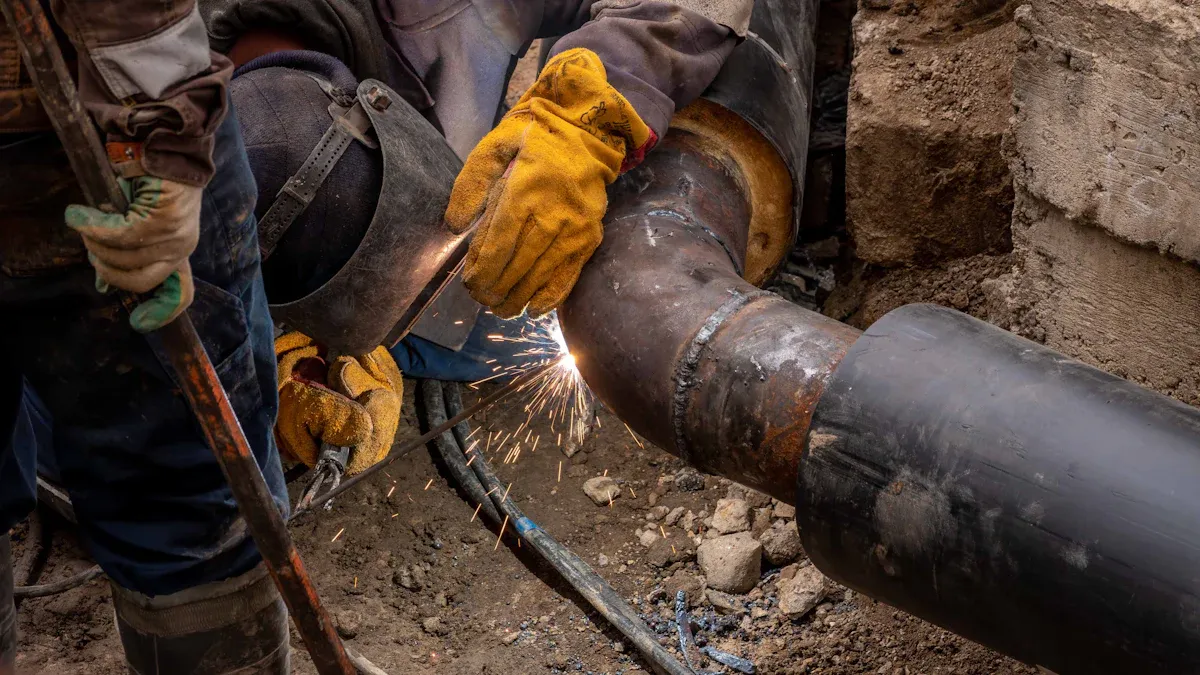
You begin by preparing your site for a commercial sewage treatment plant. Careful preparation helps you avoid delays and costly mistakes. Follow these steps to get your site ready:
- Check that you have all permits and approvals. This includes environmental impact assessments and legal consultations.
- Test the soil and complete geotechnical surveys. These tests show if the ground can support your plant.
- Excavate and grade the land. This step creates a level surface for your equipment.
- Build or improve access roads. Trucks and heavy machinery need safe paths to reach your site.
- Connect utilities such as water and electricity. Upgrade them if needed to handle the plant’s demands.
- Set up stormwater management systems. These systems control runoff and prevent flooding.
Tip: Careful site preparation protects your investment and helps your commercial sewage treatment plant run smoothly.
You also need to plan for costs. The table below shows typical installation costs based on plant size:
| Plant Category | Typical Capacity (m³/day) | Cost Range (USD) |
|---|---|---|
| Small / Package Plants | 5 – 50 | $8,000 – $30,000 |
| Medium-Scale Systems | 50 – 500 | $30,000 – $180,000 |
| Large Municipal Plants | 500 – 5,000 | $180,000 – $1,200,000 |
| Industrial Treatment Systems | 1,000+ | $350,000 – $3,000,000+ |
Equipment Setup and Placement
You need to set up your equipment with care. Proper placement ensures safe operation and easy maintenance. Use these safety precautions during installation:
- Label all pipes and electrical systems. This helps you find and fix problems quickly.
- Use fall protection when working above ground or in unguarded areas.
- Follow OSHA’s rules for confined spaces. Place warnings and barricades in hazardous zones.
- Install non-slip surfaces near vats and catwalks. Make sure everyone wears slip-resistant shoes.
- Keep rescue devices like hooks and flotation aids close to vats.
- Practice good hygiene. Wash your hands often and cover any open cuts.
- Follow NFPA 820 guidelines for fire and explosion safety.
Note: Safety protects you and your team. Always follow best practices during equipment setup.
You place each component according to the manufacturer’s instructions. You check that tanks, filters, and pumps sit on stable ground. You connect pipes and wires securely. You make sure all access points are easy to reach for future maintenance.
System Commissioning and Initial Testing
You test your commercial sewage treatment plant before you start regular operation. Commissioning checks that every part works together. You follow these steps:
- Clean and flush all mechanical systems. You remove dirt and debris.
- Test for leaks and check system pressure.
- Energize electrical panels. You run communication and loop checks.
- Verify that each piece of equipment works. You complete dry and wet commissioning phases.
- Integrate all components. You make sure the whole system operates as one unit.
Callout: Careful commissioning helps you catch problems early. You save time and money by fixing issues before they grow.
You record your results and confirm that your commercial sewage treatment plant meets industry standards. You can now move forward with confidence, knowing your system is ready for daily use.
Maintenance for Commercial Sewage Treatment Plant
Routine Inspections and Monitoring
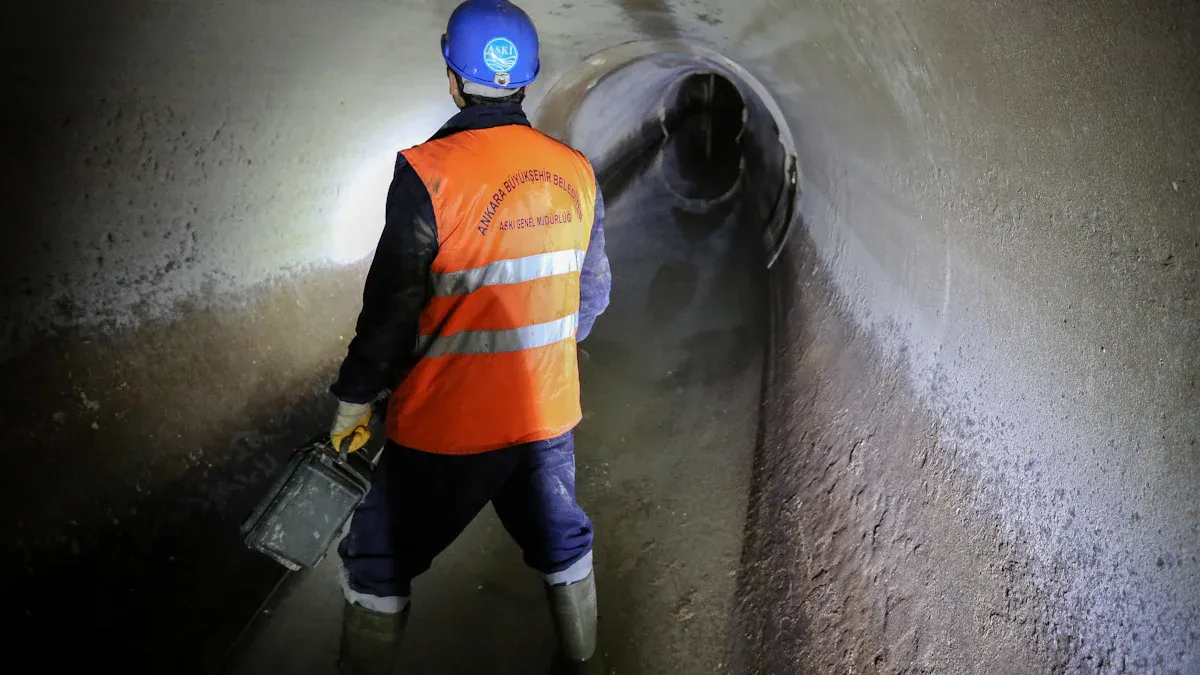
You keep your commercial sewage treatment plant running smoothly by performing regular inspections. These checks help you spot problems early and prevent costly repairs. You should focus on several key areas during each inspection.
- Condition Assessment: You look for signs of corrosion or wear in pipes, tanks, and other equipment.
- Leakage Inspection: You check for leaks in liquid, gas, and aeration pipes. Leaks can waste resources and harm the environment.
- Repair and Maintenance Review: You review how often you fix equipment. Frequent repairs may mean you need upgrades or replacements.
- Damage Assessment: You search for any damage that has not been repaired. Unfixed damage can cause bigger issues later.
Tip: You avoid exceeding effluent limits and prevent unauthorized discharges by inspecting your system often. Accurate monitoring helps you follow EPA rules and keeps your plant safe.
Cleaning, Sludge Removal, and Component Checks
You keep your commercial sewage treatment plant efficient by cleaning and removing sludge regularly. Sludge builds up in tanks and pipes, so you must remove it to maintain good water quality.
- Daily Sludge Wasting: You remove sludge every day to keep Mixed Liquor Suspended Solids (MLSS) stable. This practice helps you produce consistent effluent.
- Every 2-3 Days: If daily removal is not possible, you can remove sludge every two or three days. This schedule still keeps MLSS steady.
- Risks of Weekly Wasting: You should avoid waiting a week between sludge removals. Infrequent removal can cause poor water quality and make your plant less reliable.
You also check pumps, filters, and membranes for dirt or damage. You clean these parts to prevent blockages and keep your system working well. You extend the life of your plant by following these steps.
| Maintenance Task | Recommended Frequency | Benefit |
|---|---|---|
| Sludge Removal | Daily or every 2-3 days | Stable effluent quality |
| Pump and Filter Cleaning | Weekly | Prevents blockages |
| Membrane Inspection | Monthly | Improves system performance |
Note: You can lower maintenance costs over time by keeping up with cleaning and sludge removal. Ongoing care helps you avoid expensive repairs and keeps your plant running longer.
Record-Keeping and Maintenance Logs
You track all maintenance activities to make sure nothing gets missed. Good records help you spot patterns and plan future repairs. You should train your staff to follow maintenance protocols and document every task.
- You record each inspection, cleaning, and repair in a log.
- You use digital tracking systems to keep records organized and easy to find.
- You review logs often to check for missed tasks or recurring problems.
Callout: You improve your plant’s reliability by keeping accurate logs. Poor maintenance causes about 3.6% of plant failures, so good records help you avoid these issues.
You notice that installation costs for a commercial sewage treatment plant are high, but ongoing maintenance costs are lower. Regular maintenance saves you money in the long run by reducing municipal fees and helping you recover resources.
You can extend the life of your plant by updating your management plans, adding new technologies, and testing new cleaning methods. You build a stronger, more resilient system by following these best practices.
Troubleshooting and Professional Help for Commercial Sewage Treatment Plant
Identifying Common Issues and Quick Solutions
You may face problems while running your commercial sewage treatment plant. Knowing the most common issues helps you act fast and keep your system safe. Here is a table that shows what you might see:
| Issue Type | Description |
|---|---|
| Equipment Malfunctions | Breakdowns and failures of pumps, blowers, or other parts can stop the treatment process. |
| Sludge Management Difficulties | Trouble handling or removing sludge can lower treatment quality. |
| Odor Problems | Bad smells can upset neighbors and break local rules. |
| Energy Inefficiencies | High energy use can raise costs and hurt the environment. |
| Aging Infrastructure | Old tanks and pipes may leak or break, causing shutdowns. |
| Community Awareness | People may not know how to use the system, leading to blockages or misuse. |
You can solve some problems quickly:
- Check and reset equipment if it stops working.
- Remove sludge on schedule to avoid build-up.
- Use covers and filters to control odors.
- Turn off unused machines to save energy.
- Inspect old parts often and plan for upgrades.
- Teach staff and users about proper system use.
Tip: Regular checks and fast action help you avoid bigger problems.
When to Contact a Professional
Sometimes, you need expert help. Call a professional if you see these signs:
- Equipment keeps failing after you reset it.
- Sludge builds up even with regular removal.
- Odors do not go away with normal cleaning.
- You notice leaks, cracks, or sudden drops in water quality.
- Your system uses much more energy than usual.
- You cannot find the cause of a problem.
A trained technician can fix complex issues and keep your commercial sewage treatment plant safe. You protect your business and the environment by asking for help when needed.
Compliance and Safety for Commercial Sewage Treatment Plant
Meeting Local Regulations and Standards
You must follow strict rules when you operate a commercial sewage treatment plant. These rules protect the environment and public health. In the United States, you find the main standards in the Code of Federal Regulations.
The regulatory standards for sewage treatment plants in the United States are primarily outlined in the Code of Federal Regulations (CFR), specifically in PART 503, which establishes standards for the use or disposal of sewage sludge. This includes general requirements, pollutant limits, management practices, and operational standards for sewage sludge generated during domestic sewage treatment. The standards also cover monitoring, recordkeeping, and reporting requirements for various treatment facilities.
If you do not follow these rules, you may face serious penalties:
- Non-compliance can lead to significant fines.
- Specific violations include exceeding effluent limitations and discharging unauthorized substances.
- Failure to monitor discharge and improper reporting can also result in penalties.
You should check local and state requirements often. Laws can change, and you need to stay updated to avoid problems.
Ensuring Safe Operation and Workplace Practices
You protect yourself and your team by following safety protocols every day. You must organize your work and plan ahead. Label all pipes and electrical systems. Use fall protection when you work above ground or in unguarded areas. Always follow OSHA’s rules for confined spaces and place warnings where needed. Wear slip-resistant shoes and use non-slip surfaces near vats and catwalks. Keep rescue devices nearby for emergencies. Wash your hands often and cover any open cuts. Assign trained staff to guide visitors and keep them safe.
You face several hazards in this environment:
| Hazard Type | Description |
|---|---|
| Slips and Falls | The enormous amount of water involved in the treatment process makes slips, trips, and falls the leading hazards for wastewater treatment workers. |
| Chemical Exposure | Workers are regularly at risk for exposure to toxic chemicals, which can lead to serious illnesses. |
| Confined Space Hazards | Exposure to low-oxygen environments or high levels of harmful gases can result in serious health risks. |
| Equipment Maintenance Hazards | Caught or crush hazards from moving machinery are common safety challenges in wastewater treatment plants. |
You lower risks by following these steps and keeping safety your top priority.
You make installation and maintenance easy when you follow clear steps. Proactive care keeps your plant running well and helps you avoid costly repairs.
- Regular cleaning and inspections boost efficiency.
- Proper maintenance protects rivers and aquatic life.
| Benefit | Description |
|---|---|
| Cost Savings | You save money on repairs and energy bills. |
| Environmental Impact | You help keep water clean and safe for everyone. |
FAQ
How often should you inspect your commercial sewage treatment plant?
You should inspect your plant every week. Regular checks help you find problems early and keep your system working well.
What is the best way to remove sludge from your system?
You should remove sludge daily or every two to three days. This keeps water quality high and prevents blockages.
Do you need special training to maintain your sewage treatment plant?
Yes, you need basic training. You learn safety rules, equipment care, and how to spot common issues.
See Also
A Comprehensive Overview of Semi-Welded Heat Exchangers in 2025
Enhancing Industrial Efficiency Through Plate Air Preheaters
Reducing Environmental Impact Using Plate Heat Exchangers Effectively
Innovations in Heat Exchanger Manufacturing Boost Industrial Efficiency
Understanding the Advantages of Commercial Heat Exchangers for 2025