Commercial ice water dispenser showdown countertop vs freestanding
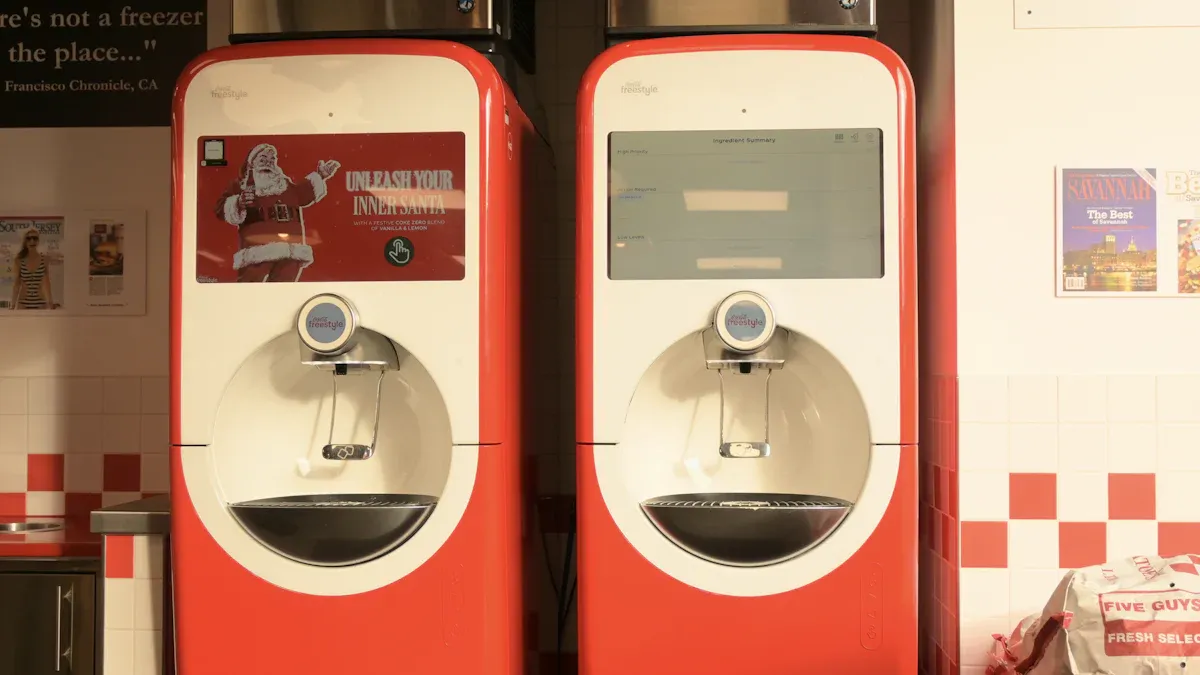
The ice maker market was valued at over $3.5 billion in 2024, with commercial units holding the majority share. You must select the right commercial ice water dispenser for your business. Your decision rests on three key factors:
- Available space
- Daily ice volume needs
- Budget
Note: Choosing incorrectly can lead to workflow bottlenecks, unmet customer demand, or an inefficient use of capital.
Key Takeaways
- Countertop ice dispensers save space. They are good for small offices or breakrooms. They have lower ice production and cost less.
- Freestanding ice dispensers need more space. They are good for busy places like restaurants. They make a lot of ice and cost more.
- Always check your space and how much ice you need. This helps you pick the right dispenser for your business.
The Countertop Commercial Ice Water Dispenser
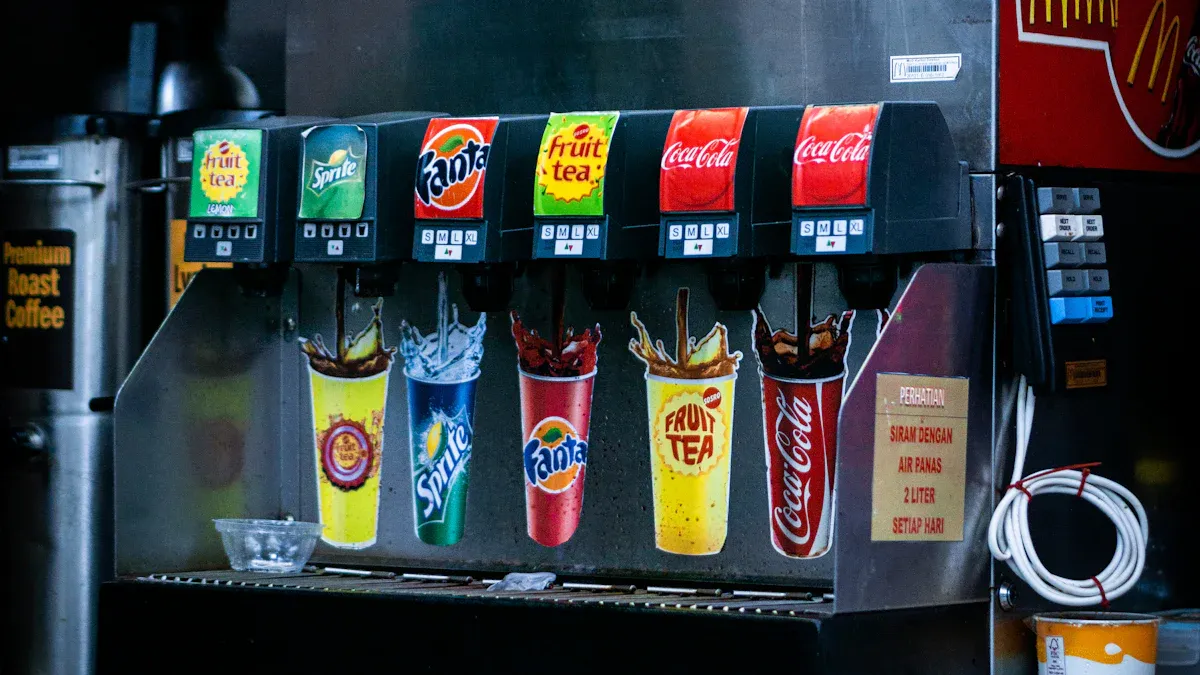
A countertop commercial ice water dispenser offers a compact solution for businesses with limited room. You place these units directly on a sturdy counter, saving valuable floor space. They are a popular choice for office breakrooms, small cafes, and waiting areas.
Pros of Countertop Models
The main advantage of countertop models is their space-saving design. You can provide ice and water without sacrificing a large footprint. These units are also easier to install and typically have a lower upfront cost than their larger counterparts. Despite their smaller size, they deliver impressive ice production for moderate-demand environments.
Here is a look at the typical specifications you might find:
| Characteristic | Typical Value |
|---|---|
| Width | 14-17 inches |
| Daily Production | 125-315 lbs |
| Storage Capacity | 11-15 lbs |
This combination of high output and a small frame makes them highly efficient for their size.
Cons of Countertop Models
The compact design of countertop units also creates limitations. Their internal storage bins are small, holding only 11-15 pounds of ice at a time. This can become a problem during unexpected rushes. You should also consider the noise level.
- The sound is often compared to a running dishwasher.
- It is not whisper-quiet and can be noticeable in a silent room.
- Most users do not find it disruptive in an active business setting.
Maintenance Tip: You must clean your countertop unit regularly to prevent scale buildup and bacteria. Plan to clean it at least once every two to six months, depending on your water quality and usage.
The Freestanding Commercial Ice Water Dispenser
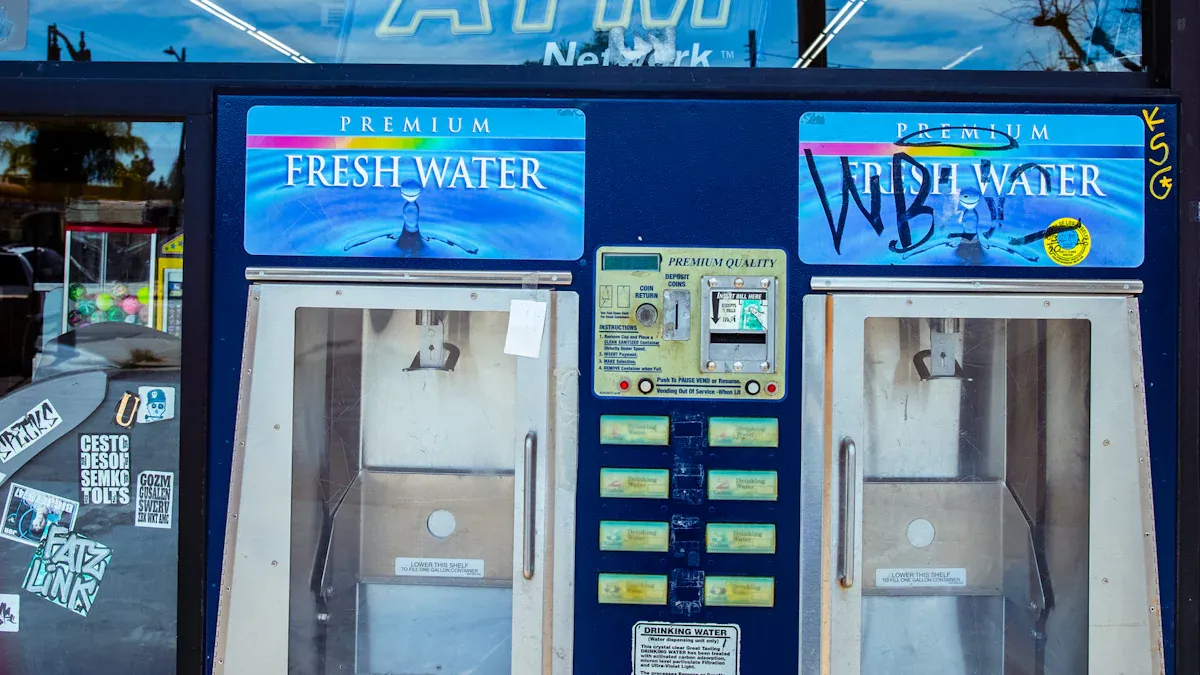
A freestanding commercial ice water dispenser is a high-capacity, standalone unit. You place these models directly on the floor. They are the workhorses for high-traffic environments like large restaurants, cafeterias, and busy hotel lobbies where ice demand is constant.
Pros of Freestanding Models
Freestanding units offer unmatched ice production and storage. Their primary benefit is their ability to serve a large number of people without running out of ice. High-end models from brands like Manitowoc can produce up to 460 pounds of ice daily, while other powerful units generate between 200 and 350 pounds. This massive output ensures you can meet peak demand easily.
Many models also offer advanced features. You can enhance your water quality with optional filtration systems.
- You can buy units with or without internal filters.
- Accessory filter systems are available in standard, high-capacity, and carbonless options.
- You can easily find replacement cartridges to maintain pure, clean-tasting ice and water.
Cons of Freestanding Models
The power of freestanding models comes with certain trade-offs. Their large size requires significant floor space, which can be a challenge for smaller businesses. You must plan for professional installation, as these units need a dedicated water line and a floor drain.
The initial investment for a freestanding unit is also higher than for a countertop model. You should consider both the purchase price and the potential costs of plumbing and electrical work when creating your budget.
Key Decision Factors: A Head-to-Head Comparison
You now understand the basics of countertop and freestanding models. Let's compare them directly across the factors that matter most to your business. This head-to-head analysis will help you clarify which type of commercial ice water dispenser best suits your needs.
Space and Footprint
Your available space is the first major consideration. Countertop models are compact and fit on existing surfaces. This saves valuable floor area for other equipment or foot traffic. Freestanding units, in contrast, require a dedicated spot on your floor.
Strategic placement greatly improves your workflow. You should position your dispenser near beverage stations to reduce staff movement. A poorly placed machine can create bottlenecks and slow down service. You want ice to be easy to get without disrupting your team's path.
Think about your layout. A countertop unit might be perfect for a tight office kitchen. A large freestanding model could block a critical path in a small cafe. Always measure your intended space before you make a purchase.
Ice Production and Storage Capacity
You must match the machine's output to your daily demand. A mismatch here leads to either wasted capacity or frustrated customers. Countertop units are great for moderate use, while freestanding models handle high-volume needs.
The daily production rate shows how much ice a machine can make in 24 hours. Storage capacity tells you how much ice it can hold at one time.
| Model Type | Typical Daily Ice Production | Typical Storage Capacity |
|---|---|---|
| Countertop | 26-315 lbs | 7-15 lbs |
| Freestanding | 200-460+ lbs | 20-50+ lbs |
A small storage bin on a countertop unit (around 7 lbs) can empty quickly during a lunch rush. A freestanding model's larger bin (20-50 lbs or more) provides a reliable buffer for peak hours. You need to estimate your busiest periods to choose the right capacity.
Installation and Utility Requirements
Installation needs differ significantly between the two types. You must plan for the correct utilities to ensure your machine works properly from day one.
Countertop Models:
- Installation: Simple setup. You just place it on a counter and plug it in.
- Plumbing: Most connect to a standard water line. Some portable models have a water reservoir you fill manually.
- Electrical: They use a standard 115V outlet, similar to other small appliances.
Freestanding Models:
- Installation: This is more complex and often requires a professional.
- Plumbing: You need a dedicated water line and, crucially, a floor drain. Gravity drains are common and require a specific slope.
- The drain line must drop about 1/4 inch for every foot of length.
- Your drain setup must have an air gap to meet health codes.
- If the drain connects to a sewage line, you will need a P-trap to block sewer gas.
- Electrical: These powerful units need a dedicated circuit. You should check the specific voltage and amperage requirements. Many require a 115V/60Hz/1-phase connection with a fuse size of 15 amps or more.
Upfront Cost vs. Long-Term Value
Your budget plays a huge role in this decision. Countertop models have a lower initial purchase price. This makes them an accessible option for small businesses or those with limited capital.
Freestanding units represent a larger upfront investment. The price of the machine is higher. You must also budget for professional installation, which can include plumbing and electrical work. However, their long-term value comes from their durability and high capacity. They are built to withstand constant use in demanding environments, which can mean fewer repairs and a longer lifespan. You are paying for reliability and performance at scale.
Maintenance and Cleaning Demands
All ice machines require regular cleaning to provide safe, clean ice. The process is similar for both types, but the scale of the task differs. You must prevent the buildup of scale, mold, and bacteria.
A general cleaning process looks like this:
- Prepare the Machine: Turn the unit off and remove all the ice from the bin.
- Run a Cleaning Cycle: Add a manufacturer-approved cleaning solution to the water trough and start the "clean" or "wash" cycle. This usually takes 20-45 minutes.
- Clean Components: While the cycle runs, remove and manually clean parts like the water curtain and distribution tube.
- Sanitize Everything: After cleaning, run a sanitizing cycle with a proper sanitizing solution. You will also sanitize the parts you removed by hand. Do not rinse them after sanitizing.
- Reassemble and Finish: Put the machine back together. You should throw away the first one or two batches of ice it makes after cleaning.
Pro Tip: 🧹 Don't forget to clean the condenser coils and filters regularly. Dust and grease buildup can restrict airflow, making your machine work harder and reducing its lifespan.
While the steps are the same, cleaning a large freestanding unit takes more time and solution than cleaning a compact countertop model. You should factor this routine labor into your operational plan.
Making the Right Choice for Your Business
Now you can apply this knowledge to your specific industry. The ideal commercial ice water dispenser depends on your daily operations and customer needs. Let's explore the best fits for different business types.
Best for Small Offices and Breakrooms
For a small office or employee breakroom, a countertop model is almost always the right choice. Your team needs convenient access to ice and water without disrupting the workspace. A compact unit provides this benefit. It fits easily on an existing counter and meets the moderate demand of a small group. You get the perk of fresh ice without the cost or footprint of a larger machine.
Best for Restaurants and High-Traffic Lobbies
Restaurants and busy lobbies have constant, high-volume needs. A freestanding unit is essential to keep up. You must calculate your peak ice demand to avoid shortages.
| Area of Use | Usage Metric | Example Calculation |
|---|---|---|
| Beverage Service | 2.5 lbs per customer | 150 customers x 2.5 lbs = 375 lbs |
A high-capacity machine ensures you always have enough ice for drinks, server stations, and kitchen prep. Upgrading your unit can even improve your business.
- The Grand Maritime Hotel improved thinly sliced raw fish quality with a better ice maker.
- The Oceanview Resort enhanced guest satisfaction with a new high-capacity unit.
- The Cascade Lodge boosted dining revenue after investing in an efficient machine.
Best for Healthcare and Hospitality
Hygiene is the top priority in healthcare and hospitality settings. You need a machine that meets strict sanitation standards. Look for models with features that simplify cleaning and prevent contamination.
Many modern dispensers offer antimicrobial features. These can include UV lights that kill germs, ozone systems that prevent mold, and auto-clean cycles. Brands like Scotsman and Follett design units specifically for these sanitary environments.
Your cleaning process must be thorough to comply with health regulations. This involves regular disassembly, deep cleaning with hospital-grade agents, and full disinfection of all components.
You must choose the right dispenser for your needs.
- Countertop units excel in smaller spaces with moderate demand.
- Freestanding models are built for high-volume, critical supply.
Final Check: 📏 Before you buy, measure your space and confirm utility access. Your final choice is an investment in your operational efficiency and customer satisfaction.
FAQ
What type of ice do these dispensers make?
Most commercial dispensers produce nugget ice. This soft, chewable ice is a customer favorite for beverages. You can check model specifications for other ice types like cube or flake.
Do I need a water filter for my ice dispenser?
Yes, you should use a water filter. A filter improves ice and water taste. It also protects your machine from mineral buildup, which helps prevent costly repairs.