How a Commercial Direct Drinking Machine Improves Water Quality in Busy Workplaces
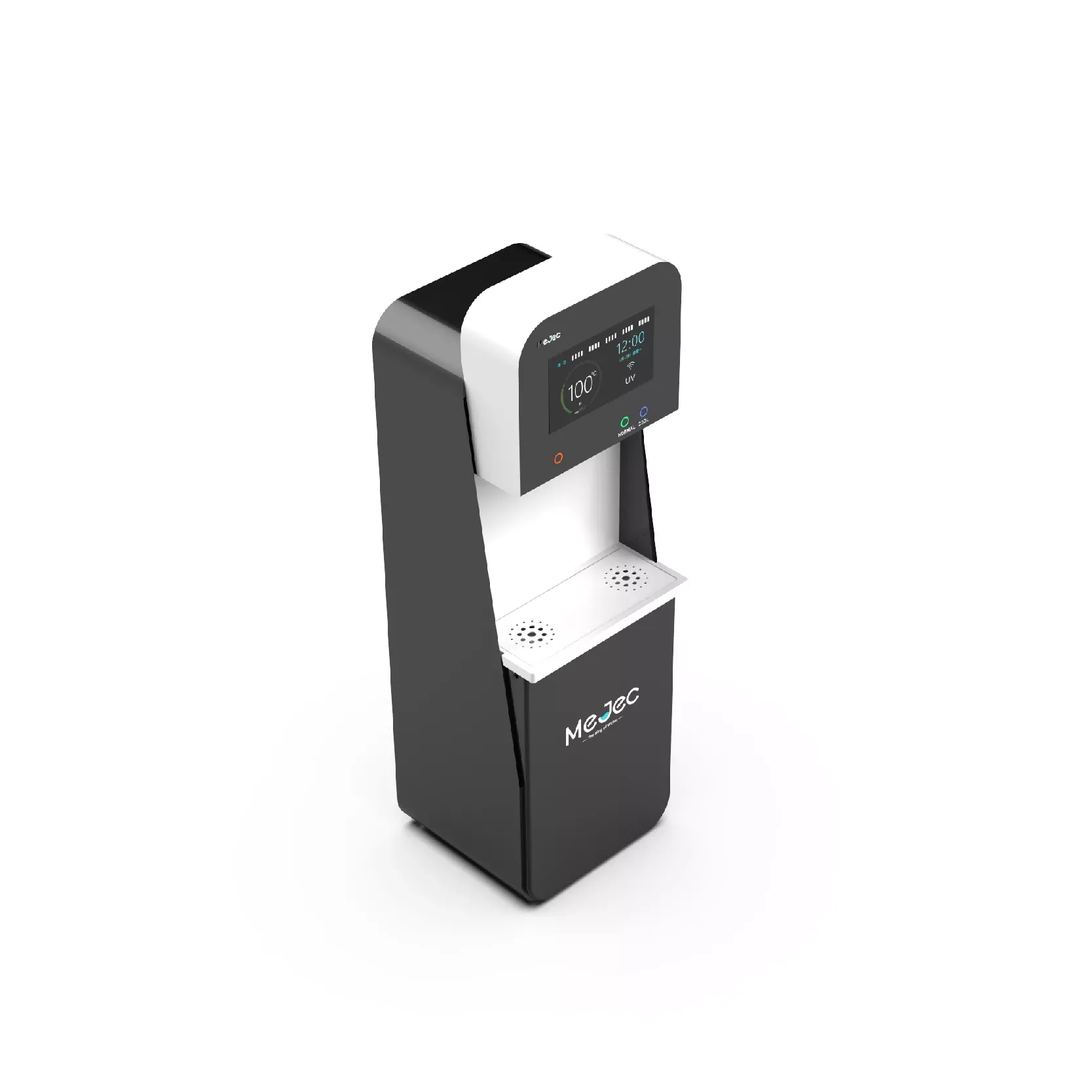
A commercial direct drinking machine stands out as the most effective way to guarantee clean water in busy workplaces. Many offices and public spaces now rely on these machines to deliver safe drinking water for both employees and visitors. Modern workplaces require advanced filtration and instant access to water that meets high standards. The commercial direct drinking machine uses technologies like reverse osmosis and UV to remove contaminants. Companies install these solutions to provide safe drinking water and improve satisfaction. The commercial direct drinking machine offers efficient, reliable water access. It addresses the growing demand for safe drinking water and supports wellness. This approach ensures every workplace can supply water that is pure, fresh, and always available.
Key Takeaways
Commercial direct drinking machines ensure access to clean water, improving employee health and satisfaction.
Advanced multi-stage filtration systems remove up to 99% of contaminants, making water safe and great-tasting.
Real-time monitoring and instant heating features enhance convenience and safety in busy workplaces.
Investing in these machines reduces plastic waste and supports sustainability goals, benefiting the environment.
Choosing a commercial direct drinking machine can lead to significant cost savings over time, making it a smart investment.
Water Quality Challenges in Commercial Spaces
Common Contaminants and Risks
Commercial spaces face unique challenges when it comes to water quality. Many workplaces rely on municipal water supplies, which are regulated by the Environmental Protection Agency. The EPA sets standards for about 90 contaminants in drinking water. However, even with these standards, small amounts of contaminants can still be present.
Lead
Chlorine
Chromium
These are some of the most common contaminants found in workplace water supplies. Lead can enter water through old pipes, while chlorine is often used to disinfect water but can affect taste and odor. Chromium, a heavy metal, may also be present in trace amounts.
Drinking water, including bottled water, may contain small amounts of various contaminants. The EPA categorizes these to ensure safety and protect public health.
Poor water quality can lead to serious health risks. People may ingest, inhale, or come into contact with contaminated water. This can cause gastrointestinal illnesses from pathogens like E. coli or respiratory infections from Legionella. Heavy metals such as lead and mercury, as well as chemical pollutants, can result in long-term health issues like kidney damage and cancer. Vulnerable groups, such as children and those with weakened immune systems, face higher risks.
Issues with Traditional Water Dispensers
Traditional water dispensers are common in many offices, but they come with their own set of challenges. These dispensers require regular maintenance to prevent contamination.
Disinfection is needed every two to four weeks.
In high-use areas, weekly sanitation is recommended.
Bacterial regrowth can occur soon after cleaning.
Regular maintenance is essential, but it is often a short-term solution. Biofilm can form inside dispensers, leading to recurring contamination. This increases the risk of waterborne illnesses and makes it difficult to guarantee safe water for everyone in the workplace.
How Commercial Direct Drinking Machines Work
Multi-Stage Filtration for Clean Drinking Water
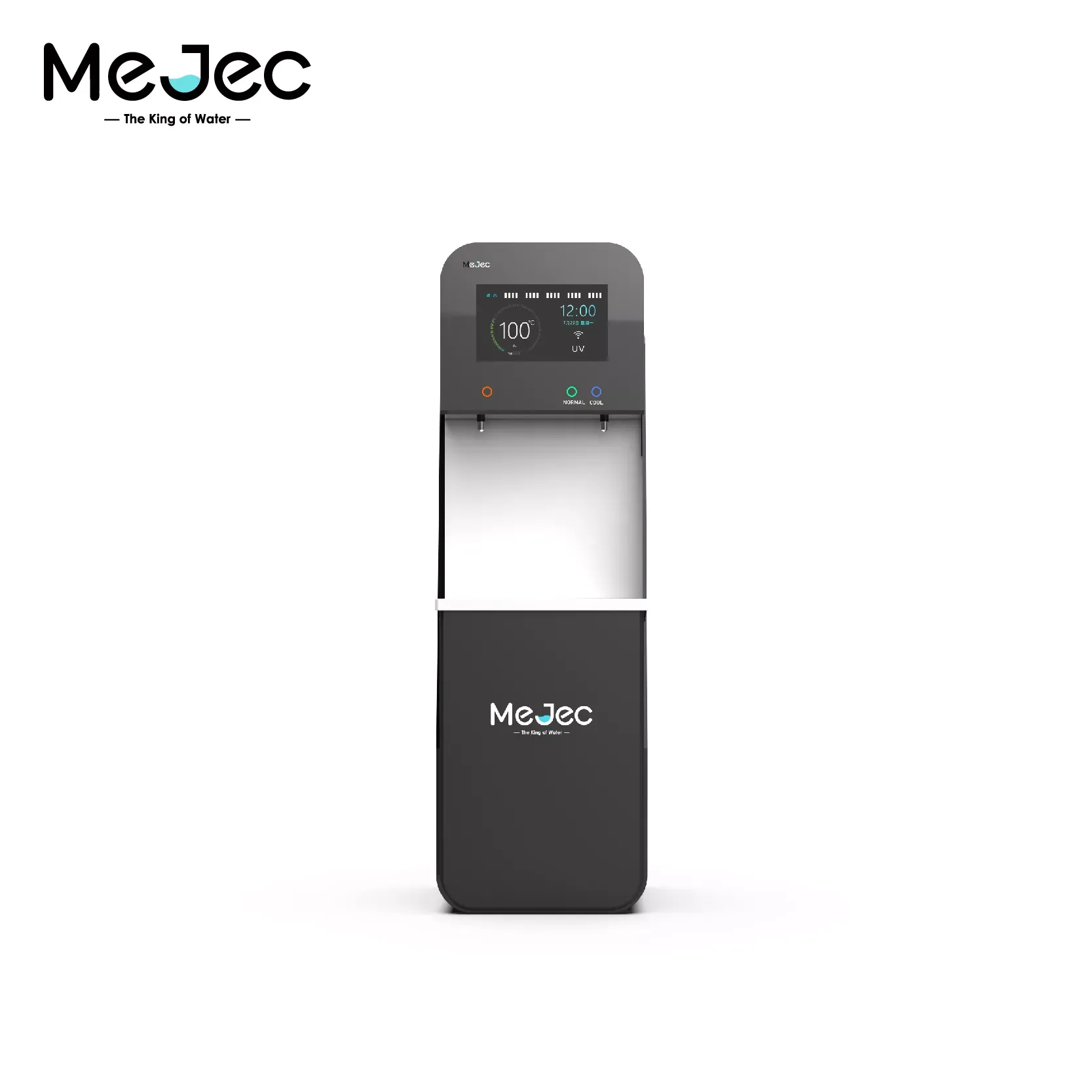
Commercial direct drinking machines use advanced multi-stage filtration systems to purify water and deliver clean drinking water in busy workplaces. These systems combine several technologies to remove contaminants and improve taste. The Mejec High-End Commercial Direct Drinking Machine uses a combination of PP, activated carbon, reverse osmosis (RO), and ultraviolet (UV) sterilization. Each stage targets different impurities, making the water safe for everyone.
The following table shows how each filtration technology works and its effectiveness:
Filtration Technology | Effectiveness at Removing Contaminants | Common Uses |
|---|---|---|
Reverse Osmosis (RO) | Effective for many applications, producing safe drinking water and used in desalination. | Industrial and commercial applications. |
Mechanical Filtration | Removes various particle types and sizes, including iron particles. | Industries requiring filtered water. |
Ion Exchange | Ideal for removing specific inorganic particles like calcium and magnesium. | Often combined with other filtration methods. |
Deionization | Removes charged particles, producing ultrapure water for high-standard settings. | Food service and pharmaceuticals. |
Electrodeionization (EDI) | Uses electricity to filter ions, regenerating ion exchange beds and producing ultrapure water. | High-standard industries like hospitality. |
Carbon Filtration | Absorbs tiny impurities and is versatile for various applications. | Food processing and service. |
Ultraviolet Filtration | Kills bacteria and viruses by altering their DNA, effective when paired with other filtration types. | Popular in commercial settings for safety. |
Multi-stage filtration systems can remove up to 99% of contaminants, while single-stage filters only remove about 70-85%. The table below compares these two approaches:
Filtration Type | Contaminant Removal Rate | Key Features |
|---|---|---|
Single-Stage Filter | 70-85% | Uses activated carbon for basic treatment |
Multi-Stage Filter | Up to 99% | Two-step process: sediment pre-filtration and advanced chemical filtration |
UV filtration is especially important for safety. UV water systems can eliminate up to 99.99% of harmful bacteria, viruses, and parasites. This step ensures that the water is not only clean but also free from dangerous microorganisms.
Tip: Multi-stage filtration provides a higher level of protection and helps workplaces maintain a steady supply of clean drinking water.
Real-Time Monitoring and Instant Heating
Modern commercial direct drinking machines offer more than just filtration. They include real-time monitoring and instant heating features that improve convenience and safety. The Mejec machine uses smart sensors to track water quality. These sensors check for changes in water parameters and send alerts if the water does not meet safety standards. Real-time monitoring helps staff respond quickly and maintain water safety.
IoT devices track water quality continuously.
Sensors detect when water quality thresholds are exceeded.
Alerts notify personnel to take action.
Data helps managers make decisions about water management.
Instant heating is another key feature. The Mejec machine can heat water in tens of seconds, much faster than traditional dispensers. The table below shows the difference in heating speed:
Type of Dispenser | Heating Speed |
|---|---|
Instant Hot Water Dispenser | Heats water in tens of seconds |
Traditional Dispenser | Takes longer due to storage and heating cycles |
Energy efficiency is important in busy workplaces. Countertop dispensers usually consume between 50 to 100 watts, while under-sink systems use 200 to 400 watts. Energy-efficient models can reduce electricity bills by about 30%. The Mejec machine uses a smart heating system that heats water only when needed, saving energy and lowering costs.
Note: Energy-efficient machines help workplaces save money and support sustainability goals.
Touch control interfaces make operation simple. Users can select hot, cold, or room-temperature water with one touch. This feature makes the machine easy to use for everyone, including visitors and staff.
Commercial direct drinking machines combine advanced filtration, real-time monitoring, instant heating, and energy efficiency. These features work together to purify water and provide clean drinking water at all times.
Benefits for Busy Workplaces
Consistent Clean Water Access
Busy workplaces need a reliable supply of clean water. Commercial direct drinking machines are designed to meet this demand, even during peak hours. These machines use advanced filtration and large-capacity tanks to keep water quality high. The Mejec High-End Commercial Direct Drinking Machine, for example, uses multi-stage filtration and instant heating to ensure that purified water is always available. This system works well in offices, schools, and hotels where many people need water at the same time.
The following table shows the average daily output capacity of commercial direct drinking machines:
Type of Water Production | Capacity |
|---|---|
Cold water production | 4L/h |
Hot water production | 30L/h |
Normal temperature water production | 63L/h |
Rated Total Water Purification Capacity | 5000L |
These numbers show that commercial machines can handle high demand. They provide enough water for drinking, making tea or coffee, and other daily needs. The machines maintain stable performance, so users always have access to safe water. This consistency helps workplaces avoid shortages and keeps everyone hydrated.
Note: Consistent access to clean water supports employee health and productivity throughout the workday.
Health, Safety, and Efficiency
Clean water is essential for good health. Advanced filtration systems in commercial direct drinking machines remove harmful impurities like chlorine, lead, and arsenic. This process ensures that every glass of water is safe to drink. Access to great-tasting water encourages employees to stay hydrated, which improves energy levels and concentration.
The table below highlights key health benefits:
Health Benefit | Description |
|---|---|
Removal of Contaminants | Advanced filtration systems eliminate harmful impurities like chlorine, lead, and arsenic. |
Improved Hydration | Access to clean water encourages employees to stay hydrated, enhancing physical health and energy. |
Increased Productivity | Proper hydration leads to better concentration and overall productivity in the workplace. |
Staying hydrated helps prevent dizziness and confusion, which can reduce the risk of accidents. Adequate hydration also supports mental clarity and energy, both of which are important for workplace safety. Smart dispensers, like the Mejec machine, reduce the risk of spills and leaks. They also remove the need to lift heavy water jugs, which lowers the chance of physical strain.
Access to safe, filtered water improves employee health and satisfaction.
Hydration boosts energy levels and concentration.
Better water quality enhances the overall workplace experience.
Tip: Investing in advanced water systems shows that a company cares about the health and well-being of its staff.
Cost and Maintenance Advantages
Commercial direct drinking machines offer several cost and maintenance benefits. These machines are built for durability and high daily use. The Mejec machine, for example, uses premium materials and a robust design to ensure long-lasting performance. This durability means fewer repairs and less downtime, which saves money over time.
The table below compares commercial systems to home systems:
Feature | Commercial Systems | Home Systems |
|---|---|---|
Daily Water Handling Capacity | Up to 40,000 gallons | Lower capacity |
Contaminant Rejection Rate | 99% for total dissolved solids | Lower rejection rates |
Operating Pressure | 150 to 220 PSI | Varies |
Temperature Tolerance | 40°F to 100°F (4°C to 38°C) | Limited tolerance |
Recovery Rate | 55% to 70% | Lower recovery rates |
Customization for Pollution | Yes | Limited options |
Commercial machines also offer customization options. Workplaces can adjust filtration settings or choose a design that matches their space. User-friendly touch controls make operation simple for everyone. Energy-efficient systems, like those in the Mejec machine, heat water only when needed. This feature reduces electricity costs and supports sustainability goals.
Durable construction lowers maintenance needs.
Customization ensures the machine fits workplace requirements.
Energy efficiency leads to long-term savings.
Callout: Choosing a commercial direct drinking machine is a smart investment for any business that values health, safety, and cost control.
Comparing Water Solutions
Bottled Water vs. Direct Drinking Machines
Many workplaces choose between bottled water and direct drinking machines to meet their hydration needs. Each option has unique qualities that affect water quality, safety, and convenience.
Bottled water coolers do not filter water as it is dispensed. The quality depends on the supplier and the type of plastic used for the bottles.
Direct drinking machines filter tap water on-site. These machines use advanced systems to remove chlorine, sediment, and other impurities.
The table below highlights key differences:
Aspect | Bottled Water | Drinking Machines |
|---|---|---|
Regulation | FDA regulations | EPA regulations |
Filtration | Varies by brand | Advanced filtration systems |
Sustainability | Generates plastic waste | Reduces plastic waste |
Cost | Higher due to packaging and shipping | Lower with filter changes |
Contaminants | Possible chemicals from plastics | Filters out lead, chlorine, microplastics |
Bottled water may contain chemicals from low-quality plastics. Direct drinking machines can filter out harmful substances, providing safer water for everyone. Regular maintenance of these machines ensures consistent water safety.
Long-Term Value and Sustainability
Cost and environmental impact are important when choosing a water solution. Over five years, bottled water can cost more than direct drinking machines due to packaging and delivery. For example, bottled water for a medium-sized office may cost over $5,600 in five years, while a high-end direct drinking machine can cost less and provide unlimited filtered water.
The environmental impact is also significant. Bottled water creates plastic waste and has a high carbon footprint. Most bottles end up in landfills, taking hundreds of years to decompose. Direct drinking machines reduce plastic waste and use energy-efficient technology, which lowers carbon emissions.
Choosing a direct drinking machine supports workplace sustainability goals. These machines use eco-friendly materials and help companies show responsibility toward the environment and community health.
Mejec's Solution of Drinking Water Dispensers for Commercial Areas
Installation and Integration
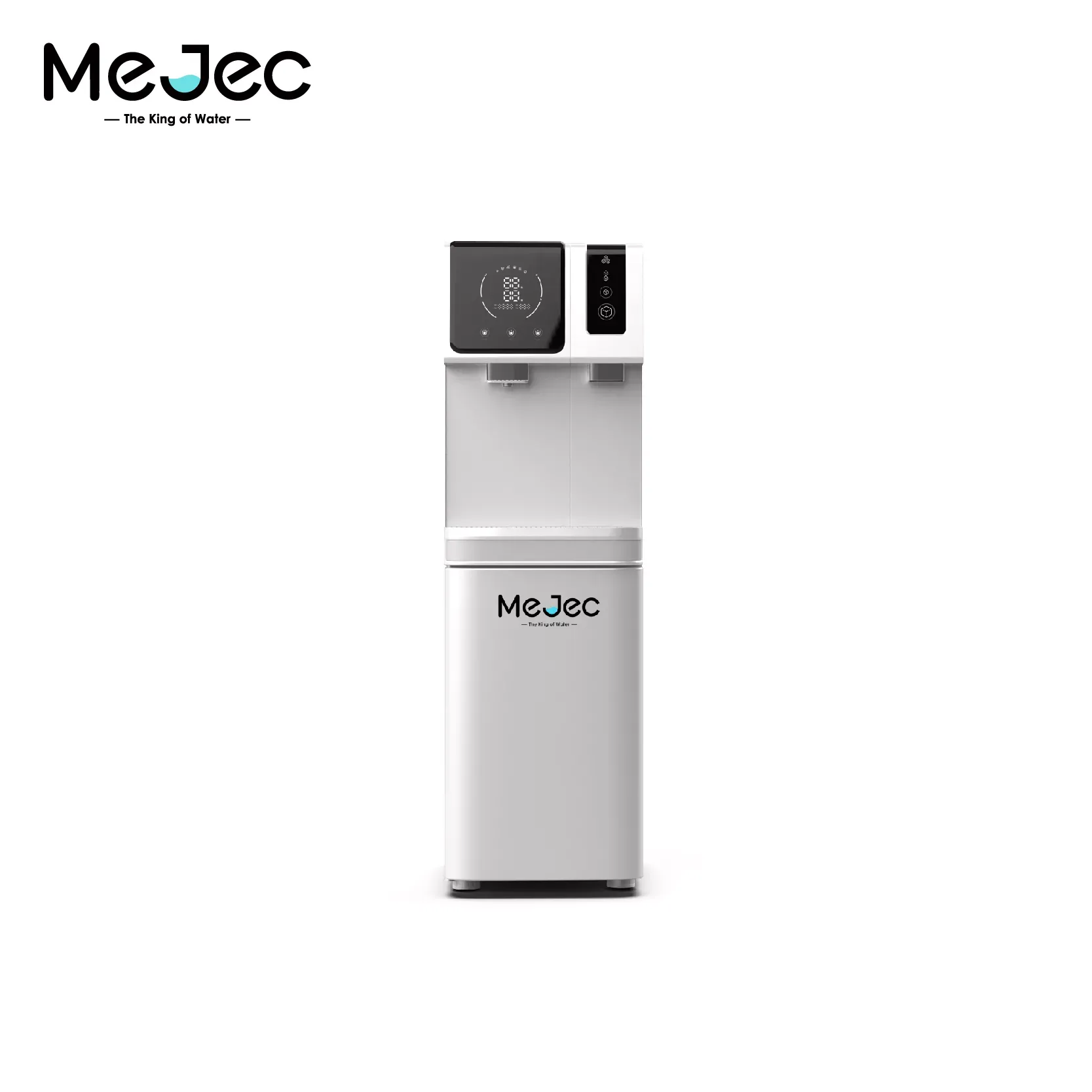
Mejec’s commercial drinking water dispensers are designed for easy installation and seamless integration into any workplace or community setting. The ergonomic design allows for quick setup, and the push-button water connection makes the process straightforward. Most offices, schools, and gyms can have the dispenser up and running in a short time. The quick cartridge replacement system means maintenance is simple and does not interrupt daily routines.
Key features that support smooth integration include:
DuPont RO reverse osmosis membranes with a filtration accuracy of 0.0001µm, ensuring every drop of water is pure.
Multi-stage sterilization and intelligent IoT connectivity for real-time monitoring.
Touch control panels for easy operation.
Customization options for color, water volume, and water type to match the needs of each community.
These dispensers fit well in high-traffic areas, providing instant ready-to-drink water. The high-efficiency water production ensures that even during busy hours, everyone has access to safe water. Mejec’s solution supports both small offices and large community drinking water stations.
User Experience and Feedback
Users from different sectors have shared positive experiences with Mejec dispensers. Office managers appreciate the consistent supply of chilled and hot water, which removes the need for plastic bottles. Nurses value the immediate access to hot water for patient care and the hygienic self-cleaning function. Fitness coaches notice that members drink more water after workouts, helping promote health in the community.
Teachers in schools highlight the child-safe lock on the hot water tap, which keeps children safe. The easy-to-use tap encourages kids to drink more water and learn about eco-friendly habits. Many users mention that the dispenser’s large capacity means water is always available, even during peak times.
“This dispenser is reliable, easy to maintain, and fits perfectly in our staff lounge,” says a head nurse. “It’s a fantastic investment for any community focused on health and sustainability.”
Commercial direct drinking machines solve water quality issues in busy workplaces. These machines use advanced filtration to provide safe water at any time. Instant access and efficient operation help staff and visitors stay hydrated. Over time, businesses see real savings.
Aspect | Cost Savings |
|---|---|
Annual cost (per employee) | £840 |
Collective annual cost (20 employees) | £17,000 |
Cost reduction with commercial machine | 30-40% |
Maintenance savings (machine lifespan extension) | 5 to 10 years |
This solution supports health, sustainability, and budget goals.
FAQ
How does a commercial direct drinking machine improve workplace hydration?
A commercial direct drinking machine provides instant access to clean, filtered water. Employees can stay hydrated throughout the day. This supports better focus and overall health.
What maintenance does the Mejec machine require?
Routine maintenance includes changing filters and cleaning the exterior. The machine’s smart system alerts users when service is needed. Most tasks are quick and easy.
Can the machine handle high usage during peak hours?
Yes. The Mejec machine is built for busy environments. Its large capacity and fast flow rate ensure everyone gets fresh drinks, even when demand is high.
Is the water from the dispenser safe for children and visitors?
The multi-stage filtration system removes harmful substances. The dispenser provides safe, high-quality water for all users, including children and guests.