The Pros and Cons of Collapsible and Rigid Water Carriers
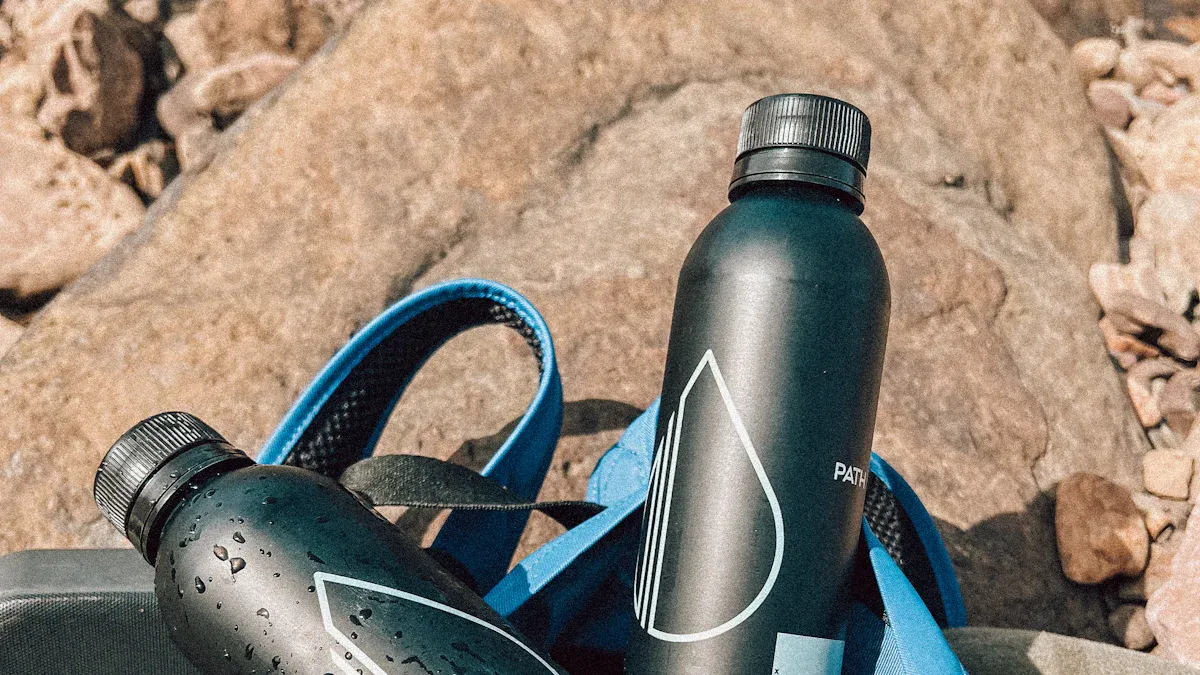
Choosing the right camping water dispenser depends on your needs. Rigid containers offer great durability. Collapsible carriers provide excellent space-saving benefits. The market for these products is growing fast, showing how important they are for modern adventurers.
| Metric | Value |
|---|---|
| Market Size (2024) | US$ 9838 million |
| Projected Market Size (2031) | US$ 28760 million |
| Compound Annual Growth Rate (CAGR) | 16.8% |
This guide helps you select the best camping water dispenser for your trips.
Key Takeaways
- Collapsible water carriers save space and are light. They are good for hiking and short trips. They can get holes easily.
- Rigid water carriers are strong and last a long time. They are good for car camping and long trips. They are heavy and take up more space.
- Choose your water carrier based on your trip. Think about how much space you have and how tough your trip will be.
The Case for Collapsible: When to Choose a Space-Saver
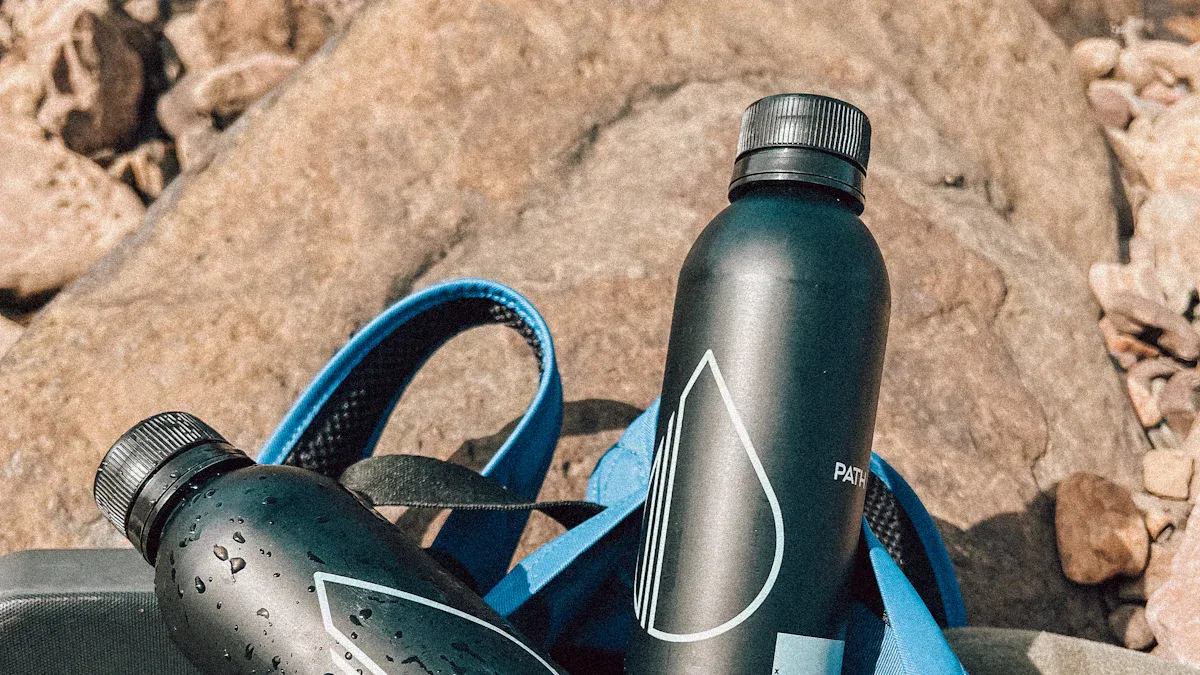
Collapsible carriers are a top choice for campers who value efficiency. You should consider this type of camping water dispenser if packing light and saving space are your main goals. They offer unique benefits but also come with a few trade-offs.
Pro: Excellent Space Efficiency
The biggest advantage of a collapsible carrier is its packability. When empty, you can roll or fold these containers into a very small size. This frees up valuable room in your vehicle or backpack. Some models, like the HYDAWAY bottle, even collapse into a slim, pocket-sized disc. This design is perfect for day hikers and backpackers who need their gear to shrink as they consume their water.
Pro: Lightweight and Portable
Collapsible containers use lightweight materials. This makes them easy to carry on any adventure.
- Flexible Plastics (TPU/LDPE): These materials are very light and pack down to almost nothing. They are popular with ultralight backpackers.
- Food-Grade Silicone: This material is also flexible and lightweight. It is known for being tasteless, odorless, and very durable.
Con: Prone to Punctures and Leaks
The flexible nature of collapsible carriers makes them more vulnerable to damage. Sharp rocks, branches, or gear in your pack can cause punctures or tears. While higher-quality materials like silicone are more resilient, you must handle these containers with more care than their rigid counterparts. Always check for weak spots or potential leaks before a trip.
Con: Difficult to Clean and Dry
Cleaning a collapsible bladder can be a challenge. Their soft shape makes it hard to scrub the inside corners. Proper drying is essential to prevent mold growth.
Tip for Cleaning: You can effectively clean your bladder by hand. Use hot, soapy water with a small amount of baking soda or white vinegar. Let it soak for about 20 minutes, then rinse thoroughly. Always let the bladder, hose, and mouthpiece dry completely before storing them.
The Case for Rigid: When to Choose a Durable Workhorse
If reliability is your top priority, a rigid water container is an excellent choice. This type of camping water dispenser is built to withstand rough handling. It is ideal for car camping, overlanding, or any situation where space is less of a concern than durability.
Pro: Superior Durability and Stability
Rigid containers are tough. Manufacturers use strong, impact-resistant plastics that can handle bumps, drops, and scrapes without failing. Their sturdy, flat base provides excellent stability, so you can set them on uneven ground without worrying about them tipping over. These containers are often made from robust materials designed for longevity.
| Material | Key Properties |
|---|---|
| HDPE | Strong, stiff, and chemical-resistant |
| LLDPE | Flexible and highly impact-resistant |
| PP | Rigid, food-safe, and resists abrasion |
These materials ensure your water supply remains secure throughout your trip.
Pro: Easy to Use, Clean, and Fill
Rigid jugs offer great convenience. Their wide mouths make filling them from a tap or stream quick and simple. Cleaning is also straightforward. You can easily reach inside with a brush to scrub all surfaces. Many models come with a built-in spigot, which allows you to dispense water easily without lifting or tilting the heavy container.
Con: Bulky and Heavy
The main drawback of rigid containers is their size. They take up the same amount of space whether they are full or empty. An empty 7-gallon jug can weigh about 2 pounds on its own. When filled, that same jug will weigh nearly 60 pounds. This makes them unsuitable for backpacking but perfect for a base camp setup.
Con: Higher Upfront Cost
Durable materials and robust construction come at a price. You will generally pay more for a high-quality rigid container compared to a basic collapsible one.
However, you can view this as an investment. A good rigid container can last for many years, making it a cost-effective choice for frequent adventurers.
Key Differences: A Head-to-Head Comparison
Choosing between these two styles comes down to specific needs. Let's compare them directly across four key areas to help you find the right camping water dispenser.
Storage and Transport
Collapsible containers are the clear winner for storage. You can fold or roll them down to a fraction of their full size. This saves critical space in your pack or vehicle. Rigid containers, however, take up the same amount of room whether full or empty. When transporting a full rigid jug, you must secure it properly.
Pro Tip: You can use tie-down straps or specialized mounts to keep heavy water containers from shifting during travel. This prevents them from becoming dangerous projectiles in a sudden stop.
Durability for Rugged Use
Rigid containers offer superior durability. Many are made from heavy-duty, BPA-free plastic designed to military-grade specifications. Users report that containers like Scepter cans can endure thousands of miles on rough, off-road terrain without issues. In contrast, flexible containers are more susceptible to damage. Even a durable military surplus canteen can develop a split after years of use, which is a serious risk in a survival situation.
Ease of Cleaning and Maintenance
You will find rigid containers much easier to clean. Their wide openings allow you to scrub the inside with a long-neck brush and hot, soapy water. Some modern plastics like Tritan are even top-rack dishwasher safe. Collapsible bladders are difficult to scrub and require special care to dry completely, preventing mold growth.
Stability and Ease of Use
A rigid container provides a stable base on uneven ground. You can set it down without it tipping over. Many also include a spigot for easy dispensing. Collapsible bags are often floppy and unstable, requiring you to hang them or hold them carefully while pouring.
Choosing Your Ideal Camping Water Dispenser
Now that you understand the pros and cons, you can match a water carrier to your specific adventure style. The right choice depends on how you travel, who you camp with, and what your priorities are. Let's find the perfect camping water dispenser for you.
For the Weekend Camper with Limited Space
If you are a casual weekend camper, your car is likely packed with tents, coolers, and chairs. Space is a valuable resource. A collapsible water carrier is an excellent choice for you.
You can bring a 5-gallon collapsible jug that takes up minimal room on the drive to the campsite. Once you arrive, you can fill it at the campground spigot. It provides plenty of water for drinking and washing dishes for a couple of days. When it's time to pack up, the empty container folds down, freeing up space for souvenirs or making packing less of a puzzle.
For the Overlander and Frequent Adventurer
You push your gear to the limit on rugged, off-road journeys. For you, durability is not a luxury; it is a necessity. A rigid water container is the only reliable option. These containers are built to survive constant vibration and potential impacts on the trail.
Securing your water supply is just as important as its durability. You must prevent heavy jugs from shifting during travel. Specialized mounting systems are available for this purpose.
- RotoPAX DLX Deluxe Pack Mount: This mount uses dual handles for extra tightening power.
- RotoPAX Standard Pack Mount: This is a strong and quick way to mount your containers.
- Rotopax Locking Handle: This option adds a layer of security to your setup.
These mounts allow you to bolt containers directly to a roof rack or truck bed, ensuring your water stays put no matter how rough the terrain gets. Investing in a high-quality rigid jug and a secure mount gives you peace of mind on long expeditions.
For the Backpacker and Hiker
When you carry everything on your back, every ounce matters. Collapsible water bladders are the undisputed champions for hikers and backpackers. Their lightweight nature and packability are essential.
Ultralight hikers often seek the lightest gear available. Some bladders weigh almost nothing. For example, a Rum Runner Flask is a popular choice because it is incredibly light.
"I have an 8oz on I sometimes use for alcohol and it weighs a less than .4oz." — Ron D, BPL Member
This shows just how light these options can be. Other hikers confirm this low weight.
| Product | Capacity | Weight |
|---|---|---|
| Rum Runner Flask | 8 oz | < 0.4 oz |
| Rum Runner Flask | 32 oz | < 1.6 oz |
| GSI Flask | 10 oz | Light |
Many backpackers use a hybrid system. They might carry two small hard bottles for easy drinking on the trail and a larger 2-liter collapsible bladder, like an Evernew, to fill up for camp at the last water source. This strategy balances convenience with the need to carry extra water for cooking and cleaning in the evening.
For Family and Group Camping
Camping with a family or a large group means you need a lot of water. A small bladder won't be enough. You need a large-capacity, centralized water station at your base camp. A rigid container is the best solution here.
How much water do you need? A good rule is to plan for 1.5 to 2 gallons per person per day. This covers drinking, cooking, and cleaning.
For a family of four on a 3-day trip, this means you should bring between 18 and 24 gallons. This ensures you have plenty of water without needing to make frequent refill trips.
Stackable, large-volume rigid containers are perfect for this job. They are stable, easy to use, and durable enough to handle kids running around camp. Look for models with a built-in spigot for easy dispensing.
- Reliance Products Aqua-Tainer (7-Gallon): This popular choice has a space-saving design and a hideaway spigot.
- Scepter Military Water Container (5-Gallon): This jug is nearly indestructible and great for rugged family adventures.
- Igloo 6-Gallon Water Container: Its translucent body lets you easily see how much water is left.
- GSI Outdoors 5.3-Gallon Water Cube: The cube shape is very stable and easy to pack.
These containers act as a reliable home base for all your group's water needs.
You should choose a collapsible carrier for backpacking or casual trips where space is tight. For rugged adventures, you need a durable rigid container. Outdoor experts recommend these reliable systems for long-distance travel. You can also combine both, using a rigid jug at camp and a collapsible one for day hikes.
FAQ
How do I stop my water from tasting like plastic?
You can remove plastic taste by cleaning the container before its first use. Fill it with water and add some baking soda or lemon juice. Let it sit, then rinse thoroughly.
Can I use a water carrier in freezing weather?
You should avoid letting water freeze solid inside any container. Ice expands and can crack rigid jugs or split the seams of collapsible ones.
❄️ Winter Tip: Only fill your container about three-quarters full in freezing temperatures. This leaves room for ice to expand safely without causing damage to your gear.
What is the best way to store my water carrier?
You must make sure your container is completely clean and dry before you store it. This simple step prevents mold growth and keeps your carrier ready for your next trip.