Collagen Powder Benefits and How It Functions
Collagen powder provides a concentrated source of protein that supports the structural integrity of skin, joints, and bones. After ingestion, the body absorbs its peptides and uses them to maintain connective tissues. Many individuals choose collagen powder for health improvement due to its potential to:
- Enhance skin elasticity and hydration
- Relieve joint discomfort
- Strengthen bones
- Support muscle mass
- Promote cardiovascular health
The global collagen supplements market continues to grow rapidly, reflecting increased consumer demand.
What Is Collagen Powder and How It Works
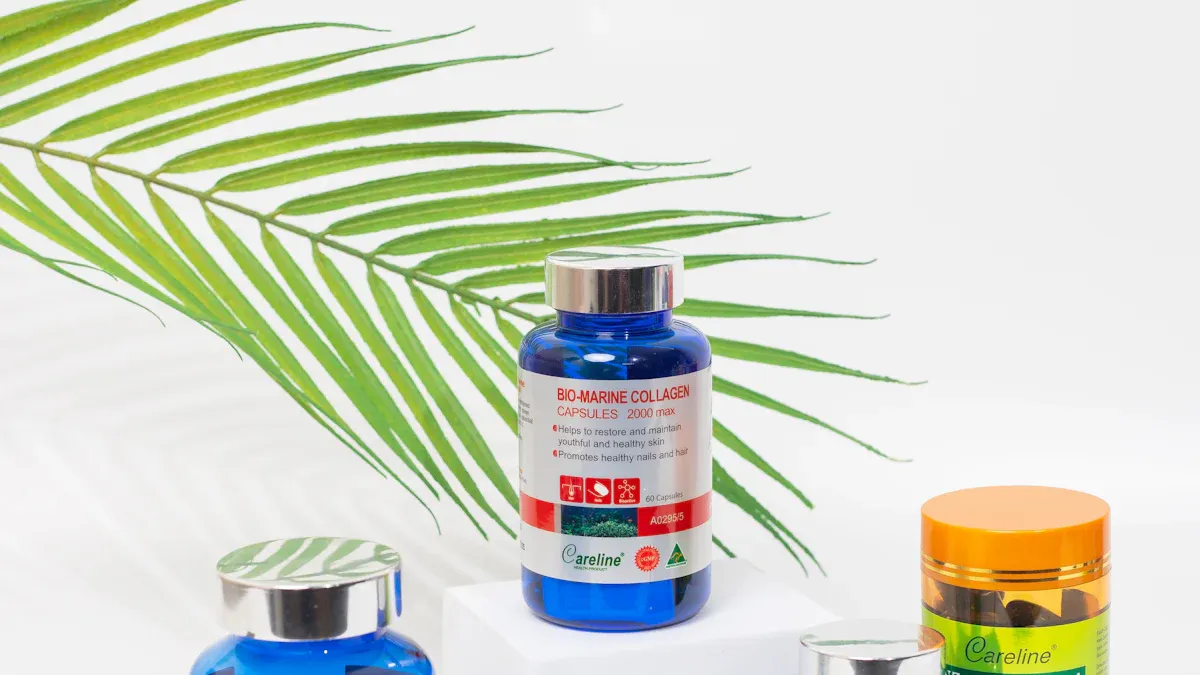
Definition of Collagen Powder
Collagen powder is a dietary supplement that delivers a concentrated form of collagen, the most abundant structural protein in animals. Nutrition and medical sources describe collagen as a protein composed mainly of amino acids such as glycine, proline, and hydroxyproline. This protein exists in connective tissue, skin, tendons, bones, and cartilage. Collagen provides structural support to tissues and plays a vital role in cellular processes like tissue repair and immune response. People can obtain collagen through dietary sources or supplements, including collagen powder.
- Collagen forms a scaffold that gives strength and structure within the body.
- It holds the body’s cells together and provides elasticity to the skin.
- The body produces endogenous collagen, while exogenous collagen comes from supplements.
Collagen is crucial for wound healing and maintaining the strength and elasticity of skin, bones, muscles, and tendons.
How Collagen Powder Is Absorbed and Used by the Body
The human body cannot absorb collagen in its whole form. Instead, the digestive system breaks down collagen powder into smaller peptides or amino acids. Most commercial collagen powder products use hydrolyzed collagen, which means the protein has been broken down into peptides of two or three amino acids. This process increases bioavailability and allows for efficient absorption through the gastrointestinal tract.
When a person consumes collagen powder, these peptides reach the small intestine. The body absorbs them into the bloodstream as small peptides and free amino acids. Research shows that oral administration of collagen hydrolysate leads to the absorption of di- and tri-peptides, which then enter systemic circulation. These peptides travel to target tissues such as skin, joints, and bones.
Collagen peptides stimulate fibroblast proliferation in the dermis and cartilage. They increase the levels of type I and type III procollagen mRNA, which are essential for new collagen synthesis. Collagen peptides also support the production of hyaluronic acid and decorin, contributing to tissue hydration and tensile strength. Some studies suggest that collagen peptides may enhance bone mineral density, improve cartilage volume, and increase skin elasticity. They may also reduce inflammation and oxidative stress by suppressing the release of inflammatory molecules.
Hydrolyzed collagen is absorbed more readily than native collagen due to its smaller peptide size. Studies show that hydrolyzed collagen leads to faster and higher peaks in amino acid concentrations after ingestion.
Types of Collagen in Collagen Powder
Collagen powder supplements contain several types of collagen, each with unique benefits. The most common types include:
| Type | Description |
|---|---|
| Type I | Accounts for about 90% of the body's collagen. Crucial for skin, bone, and connective tissue. |
| Type II | Primarily found in joints, providing support through elastic cartilage. |
| Type III | Found in skin, blood vessels, and organs. Important for structural integrity and wound healing. |
Manufacturers source collagen powder from various animal origins:
- Hydrolyzed collagen (collagen peptides) comes from bovine, porcine, chicken, or marine sources and contains Types I and III.
- Undenatured collagen (UC-II) is sourced from chicken breast cartilage and contains Type II collagen.
- Marine collagen is derived from fish skin, scales, or bones and is primarily Type I.
- Bovine collagen comes from cow hides and bones, containing Types I and III.
Marine collagen offers a higher absorption rate and is rich in Type I collagen, making it popular for skin health. Bovine collagen is more cost-effective and supports both skin and joint health.
Collagen powder formulations vary, so consumers should select a product that matches their specific health goals, such as skin elasticity, joint support, or bone strength.
Collagen Powder Benefits, Effectiveness, and Safety

Skin, Joint, and Bone Health Benefits
Collagen powder supports skin elasticity, hydration, and dermal density. Clinical studies report that after 8 to 12 weeks of supplementation, participants experienced improved skin moisture and reduced wrinkles. The following table summarizes key findings:
| Study Reference | Findings |
|---|---|
| 2019 review in the Journal of Drugs in Dermatology | Improved skin elasticity, hydration, and dermal collagen density after 8–12 weeks of use. |
| Study in Skin Pharmacology and Physiology | Increased skin moisture and reduced wrinkles compared to placebo. |
| General research | Suggested benefits in repairing skin barrier and accelerating wound healing. |
A year-long randomized controlled trial found that daily intake of 5 grams of collagen peptides increased bone mineral density in postmenopausal women. Additional reviews indicate that individuals taking 5 to 15 grams daily reported reduced joint pain and improved mobility.
Other Potential Health Benefits
Collagen powder may also benefit hair, nails, and cardiovascular health. Collagen provides amino acids essential for keratin synthesis, supporting hair growth. Its antioxidant properties may protect hair follicles from oxidative stress. Some studies suggest collagen supplementation can increase HDL cholesterol, reduce arterial stiffness, and improve blood flow, potentially lowering cardiovascular risk.
Scientific Evidence and Effectiveness of Collagen Powder
Meta-analyses show that collagen powder can modestly improve skin hydration and elasticity, especially when sourced from fish. However, most studies are short-term and often industry-funded. Research remains limited, with some high-quality studies showing no significant effects. The mean skin elasticity index increased significantly after 56 days of supplementation, with some groups experiencing over 25% improvement compared to placebo.
Safety, Side Effects, and Who Should Use Collagen Powder
Most people tolerate collagen powder well, but some may experience mild side effects such as heartburn, bloating, or nausea. Rarely, severe allergic reactions can occur. Individuals with allergies to fish or shellfish should avoid marine collagen. Those with kidney disease or a history of kidney stones should consult a healthcare provider before use.
Collagen Powder vs. Other Collagen Supplements
Collagen powder offers higher dosage potential and lower cost per gram compared to capsules. The table below highlights key differences:
| Feature | Collagen Powders | Collagen Capsules |
|---|---|---|
| Dosage Potential | 5-20 grams per scoop | 500-1,500 mg per capsule |
| Cost Per Gram | $0.08 - $0.30 | $0.60 - $2.00 |
| Monthly Cost (10g/day) | $24 - $90 | $180 - $600 |
| Convenience | Requires mixing and measuring | Easy to take, no preparation needed |
| Taste/Texture Issues | Possible detectable taste | No taste issues |
| Storage Requirements | Susceptible to moisture | Better protection against elements |
Both powder and liquid forms are equally bioavailable. Users may choose based on cost, convenience, and personal preference.
Scientific research highlights several benefits of collagen supplementation. The following table summarizes key findings:
| Benefit | Evidence |
|---|---|
| Skin Health | Hydrolyzed collagen improves hydration, elasticity, and reduces wrinkles. |
| Joint Health | Collagen peptides enhance joint pain relief and functionality, especially with exercise. |
| Bone Density | Bioactive peptides counteract bone mineral density loss in postmenopausal women. |
| Gut Health | Marine peptides inhibit obesity-related gut bacteria in animal studies. |
| Muscle Mass | Supplementation with resistance training increases fat-free mass in middle-aged men. |
Individuals considering collagen supplementation should follow these guidelines:
- Select products with specific collagen peptides and third-party testing.
- Choose non-GMO, gluten-free, and dairy-free options.
- Mix powder into drinks or foods for convenience.
- Pair with vitamin C-rich foods to boost effectiveness.
- Remain consistent; benefits may appear after several months.
Memorial Sloan Kettering Cancer Center and MD Anderson Cancer Center recommend consulting a healthcare provider before starting any supplement regimen.
FAQ
How long does it take to see results from collagen powder?
Most users notice benefits in skin or joint health after 8 to 12 weeks of consistent daily use.
Can someone take collagen powder with other supplements?
Yes. Most people safely combine collagen powder with vitamins or protein supplements. A healthcare provider can offer personalized advice.
Does collagen powder have a taste or odor?
Unflavored collagen powder usually has a mild taste and little odor. Some users prefer flavored options for mixing into drinks or smoothies.
See Also
The Health Benefits of Bovine Gelatin Powder Explained
Creative Methods to Incorporate Bovine Gelatin Powder in Cooking
Key Indicators of High-Quality Bovine Gelatin Powder to Recognize
Understanding the Composition and Production of Bovine Gelatin Powder
The Process and Ingredients Behind Edible Gelatin Production