Collagen Peptide Supplements Compared for Effectiveness
Collagen peptide supplements demonstrate notable improvements in skin, joints, and hair. Type I collagen from marine sources supports skin and hair, while Type II from bovine and chicken sources aids joint health. Recent studies show increased skin moisture, reduced joint discomfort, and enhanced hair and nail strength.
| Category | Full Improvement (%) | Partial Improvement (%) |
|---|---|---|
| Hair and Nail Health | 23.2 | 44.6 |
| Skin Enhancement | 23.2 | 42.9 |
| Joint Pain Relief | 21.4 | 39.3 |
Collagen Peptide Supplement Comparison Overview
Top Collagen Peptide Supplements Side-by-Side
Researchers compare collagen peptide supplements using several scientific criteria. The PICO framework guides these comparisons. Population refers to the general public. Intervention involves collagen peptide supplementation. Comparison includes placebo or no treatment. Outcome measures improvements in skin hydration, elasticity, and wrinkle reduction. Study quality and funding sources also influence results. Studies funded by pharmaceutical companies often report significant effects, while independent studies show less pronounced outcomes.
The following table presents a side-by-side comparison of leading collagen peptide supplements:
| Supplement Type | Source | Primary Benefit | Bioavailability | Clinical Evidence | Best For |
|---|---|---|---|---|---|
| Bovine Collagen | Cow | Joint support | High | Strong | Joints, bones |
| Marine Collagen | Fish | Skin, hair, nails | Very high | Moderate | Skin, hair, nails |
| Chicken Collagen | Chicken | Joint flexibility | Moderate | Moderate | Joints |
| Porcine Collagen | Pig | General wellness | High | Limited | Overall health |
Note: Marine collagen peptide offers superior bioavailability, making it a preferred choice for skin and hair enhancement. Bovine collagen peptide demonstrates robust clinical evidence for joint health.
Consumers should evaluate supplement types based on their goals. Skin and hair improvement often require marine collagen peptide. Joint support benefits from bovine or chicken collagen peptide. Study quality and funding transparency remain essential when assessing supplement effectiveness.
Types of Collagen Peptide Supplements

Collagen peptide supplements come from several animal sources. Each source offers unique benefits and characteristics. The market features four primary types:
- Bovine
- Porcine
- Marine
- Chicken
Bovine Collagen Peptide
Bovine collagen peptide comes from cow hides and bones. This type holds the largest market share. Many health supplements and food products use bovine collagen. It contains Type I and Type III collagen, which support joint, bone, and skin health. Athletes and older adults often choose bovine collagen for its effectiveness in maintaining joint flexibility and reducing discomfort.
Marine Collagen Peptide
Marine collagen peptide derives from fish skin and scales. This type has gained popularity due to its health benefits and sustainability. Marine collagen contains mostly Type I collagen, which helps improve skin elasticity and hydration. Many users prefer marine collagen for its high bioavailability. People seeking beauty benefits for skin, hair, and nails often select this supplement.
Chicken Collagen Peptide
Chicken collagen peptide comes from chicken cartilage and bones. It contains a high concentration of Type II collagen. This type supports joint health and flexibility. Individuals with joint discomfort or those recovering from injuries may benefit from chicken collagen. The market recognizes chicken collagen for its growing health applications.
Porcine Collagen Peptide
Porcine collagen peptide comes from pig skin and bones. While it holds a smaller market share, it still appears in some supplements. Porcine collagen contains both Type I and Type III collagen. It supports general wellness and may benefit skin and connective tissue. Some consumers choose porcine collagen for its affordability and availability.
Note: The choice of collagen peptide supplement depends on individual health goals, dietary preferences, and potential allergies.
Collagen Peptide Effectiveness Criteria
Bioavailability and Absorption
Bioavailability determines how efficiently the body absorbs and utilizes collagen peptide supplements. Studies show that bovine, porcine, and fish-derived collagen hydrolysates have highly comparable absorption rates. Marine collagen peptides, due to their smaller molecular size, absorb more efficiently than bovine and chicken collagen. Research suggests marine collagen can be absorbed up to 1.5 times more effectively. However, the practical difference between marine and bovine collagen absorption remains minimal. Both types, especially when hydrolyzed, are effectively utilized by the body.
Tip: Marine collagen’s smaller molecular weight may offer a slight advantage for those seeking rapid skin and hair benefits.
Clinical Research Results
Clinical trials provide insight into the effectiveness of collagen peptide supplements. Chicken collagen peptide, particularly type II, has demonstrated significant reductions in joint pain and stiffness. Adults with joint discomfort experienced improved mobility after supplementing with hydrolyzed chicken collagen. Porcine collagen peptide also showed positive outcomes in clinical trials. Both porcine and bovine collagen peptides led to significant improvements in joint health, as measured by reductions in WOMAC and VAS scores. Quality of life scores improved in treatment groups compared to placebo, with all results reaching statistical significance.
- Clinical trials confirm the effectiveness of chicken collagen for joint health.
- Porcine and bovine collagen peptides both support joint wellness.
User Outcomes and Reviews
User reviews highlight the real-world benefits of collagen peptide supplements. Marine collagen peptide users often report softer, more hydrated skin, stronger nails, and shinier hair. Many individuals notice visible improvements within weeks of consistent use. Bovine collagen peptide users experience enhanced skin elasticity and hydration. Chicken collagen peptide users report increased joint comfort and mobility.
| Type of Collagen | Key Benefits | User Outcomes |
|---|---|---|
| Bovine (Type I) | Improves skin elasticity and hydration | Positive outcomes for skin health |
| Chicken (Type II) | Promotes joint comfort and mobility | Positive outcomes for joint health |
Note: User experiences reinforce clinical findings, supporting the effectiveness of collagen peptide supplements for skin and joint health.
Collagen Peptide Types Compared
Bovine Collagen Peptide: Effectiveness, Pros, Cons, Best Uses
Bovine collagen peptide stands out for its versatility and strong research backing. It contains Types I, II, and III collagen, which support skin, joint, and bone health. Studies show that individuals with osteoarthritis experience significant reductions in joint pain and improved mobility after supplementing with bovine collagen. This type also stimulates glycosaminoglycan production, which helps maintain cartilage integrity. The anti-inflammatory properties further enhance joint comfort.
Pros:
- High absorption rate
- Supports skin, muscle, bone, and gut health
- Rarely causes side effects
Cons:
- Not suitable for those with beef allergies or dietary restrictions
Best Uses:
- Joint pain relief, especially for osteoarthritis
- Improved skin health and elasticity
- Support for bone density and muscle recovery
| Aspect | Bovine Collagen |
|---|---|
| Source | Derived from cows (hides, bones, cartilage) |
| Types of Collagen | Contains Type I, II, III |
| Bioavailability | High |
| Cost | Generally lower price point |
| Health Benefits | Skin, muscles, bones, gut health |
Clinical trials confirm that daily intake of hydrolyzed bovine collagen can reduce joint pain and improve function within weeks.
Marine Collagen Peptide: Effectiveness, Pros, Cons, Best Uses
Marine collagen peptide, sourced from fish skin and scales, is recognized for its high bioavailability and effectiveness in skin care. Research demonstrates that marine collagen supplementation leads to increased skin elasticity, hydration, and a visible reduction in fine lines and wrinkles. Studies involving over a thousand participants report improvements in skin radiance and firmness after 8-12 weeks of use.
Pros:
- Superior absorption due to smaller particle size
- Effective for skin hydration, elasticity, and anti-aging
- Sustainable sourcing options
Cons:
- Fishy taste or aftertaste
- Not suitable for individuals with fish allergies
- Potential for gastrointestinal discomfort or rare allergic reactions
- Risk of heavy metal contamination if not properly sourced
Best Uses:
- Enhancing skin appearance and reducing signs of aging
- Strengthening hair and nails
- Supporting hydration and firmness in the skin
| Aspect | Marine Collagen |
|---|---|
| Source | Sourced from fish (skin, scales) |
| Types of Collagen | Mainly Type I, some Type II |
| Bioavailability | Very high |
| Cost | Higher price due to processing |
| Health Benefits | Skin hydration, elasticity, anti-aging |
Studies show a 35% reduction in wrinkles and significant improvements in skin texture after three months of marine collagen supplementation.
Chicken Collagen Peptide: Effectiveness, Pros, Cons, Best Uses
Chicken collagen peptide contains Types I and II collagen, with a focus on joint health. Clinical trials reveal that oral supplementation reduces pain scores and improves joint function, especially in individuals with knee osteoarthritis. Participants also experience reduced inflammation, as measured by lower C-reactive protein and erythrocyte sedimentation rates. The supplement is well-tolerated, with no significant adverse effects reported.
Pros:
- Supports joint flexibility and comfort
- Reduces inflammation markers
- Good safety profile
Cons:
- Moderate absorption compared to marine collagen
- Not suitable for those with poultry allergies
Best Uses:
- Managing joint discomfort and stiffness
- Supporting recovery from joint injuries
- Potential anti-aging benefits for skin through reduced oxidation and inflammation
Chicken collagen peptides may also help combat skin aging by promoting collagen synthesis and reducing inflammation.
Porcine Collagen Peptide: Effectiveness, Pros, Cons, Best Uses
Porcine collagen peptide, derived from pig skin and bones, offers a cost-effective option for general wellness. Studies show that regular intake can improve skin elasticity, hydration, and texture. Aesthetic professionals report enhanced skin appearance and healing in users. The supplement addresses the effects of skin aging and supports overall skin health.
Pros:
- Affordable and widely available
- Supports skin hydration and elasticity
- May aid in skin healing
Cons:
- Limited research compared to bovine and marine sources
- Not suitable for those with pork allergies or dietary restrictions
Best Uses:
- Improving skin quality and texture
- Supporting general connective tissue health
| Outcome | Skin Elasticity (SMD) | Skin Hydration (SMD) | Skin Roughness (SMD) |
|---|---|---|---|
| Improvement | 0.32 | 0.33 | -0.71 |
Porcine collagen peptide can be incorporated into daily routines to enhance skin health, especially for those seeking an affordable option.
Popular Collagen Peptide Brands Compared
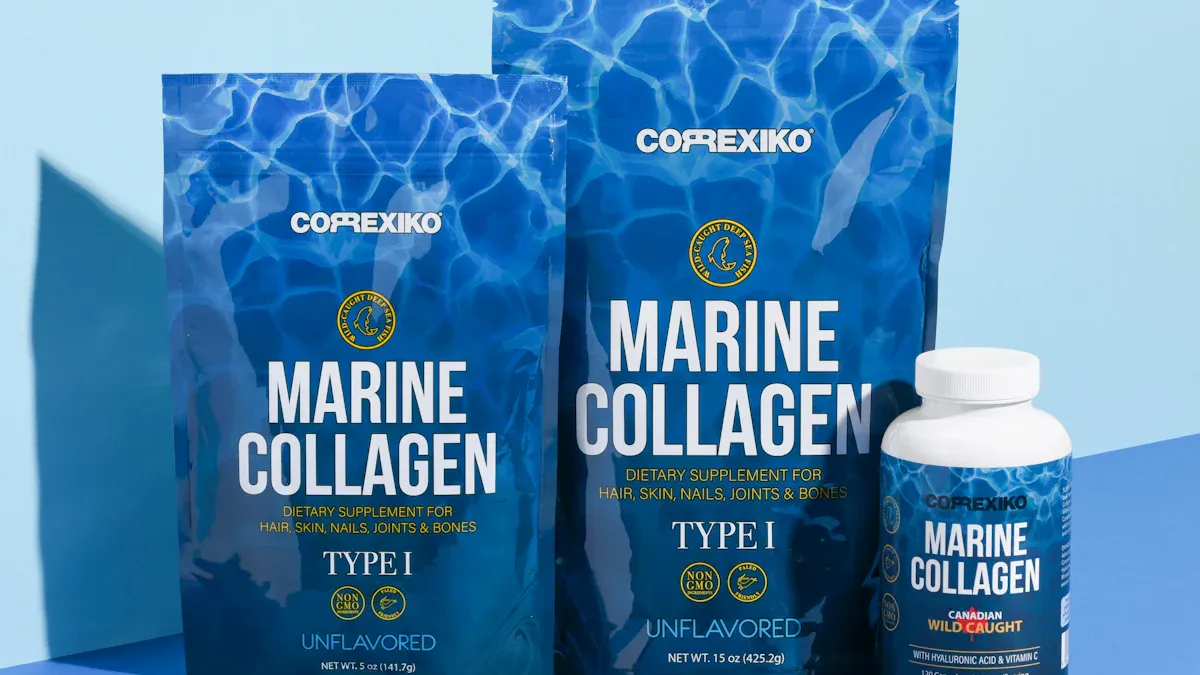
Leading Bovine Collagen Peptide Brands
Further Food Grass-Fed Collagen Peptides stands out for its high bioavailability and minimal ingredients. This product delivers types I and III collagen, which support tendons, ligaments, skin, and bones. Experts recommend pairing it with vitamin C to optimize collagen synthesis. Vital Proteins Collagen Peptides Advanced offers convenience and effectiveness. Each serving provides 20 grams of collagen, vitamin C, and hyaluronic acid. These ingredients promote skin and joint health. The flavorless nature of Vital Proteins makes it easy to incorporate into daily routines.
Leading Marine Collagen Peptide Brands
- High bioavailability ensures effective absorption.
- Third-party testing confirms product safety and quality.
- Complementary ingredients, such as vitamin C, enhance collagen synthesis.
- Products without fillers or artificial ingredients maintain purity.
- Reputable brands with cGMP certification guarantee quality assurance.
- Hydrolyzed collagen peptides improve absorption.
- Specific amino acids signal the body to increase collagen production.
- Third-party testing remains essential due to limited regulation in the supplement industry.
Leading Chicken Collagen Peptide Brands
- Healthy Origins Uc-II Premium Collagen receives high recommendations for joint health.
- This brand is recognized as the best chicken-based collagen supplement.
- Users report notable effectiveness in joint support.
- The product maintains strong reviews and top seller status on Amazon.
Leading Porcine Collagen Peptide Brands
Porcine collagen peptide brands often focus on affordability and accessibility. Many products deliver types I and III collagen for general wellness. Brands that emphasize skin hydration and elasticity attract consumers seeking cost-effective solutions. Professionals suggest choosing products with transparent ingredient lists and third-party testing. These features help ensure safety and consistent results.
Choosing the Right Collagen Peptide Supplement
Matching Collagen Peptide Type to Your Goals
Selecting the appropriate collagen peptide supplement depends on individual health objectives. He or she should first identify the desired outcome, such as improved skin, joint support, or muscle recovery. Type I collagen targets skin, hair, and nail enhancement. Type II collagen supports joint and cartilage health. Type III collagen aids connective tissue and muscle repair. The following table summarizes the best match for each goal:
| Collagen Type | Primary Benefit Area | Best For |
|---|---|---|
| Type I | Skin, hair, nails support | Beauty and aging concerns |
| Type II | Joint and cartilage health | Mobility, recovery, joint stiffness |
| Type III | Connective tissues and muscle | Fitness routines, muscle repair |
He or she may consider the following when choosing a supplement:
- For skin health, select Type I.
- For joint support, choose Type II.
- For muscle recovery, opt for Type III.
Tip: Matching the collagen type to the specific health goal maximizes the effectiveness of supplementation.
Considerations for Allergies and Dietary Preferences
Individuals must review ingredient lists for potential allergens. He or she should ensure the absence of artificial additives and fillers. Some formulations may contain ingredients unsuitable for certain dietary needs. Those with beef, fish, poultry, or pork allergies must select a source that aligns with their restrictions. People following vegetarian or kosher diets may need to avoid animal-derived collagen peptide supplements.
- Check for allergens in the ingredient list.
- Avoid supplements with artificial additives.
- Choose products that fit dietary requirements.
Note: Careful selection prevents adverse reactions and supports personal health preferences.
- Collagen peptide supplements support skin elasticity, reduce wrinkles, and enhance hydration.
- Hydrolyzed forms improve joint mobility and bone strength.
- Readers should match supplement types to their goals and consider dietary needs.
- Further research will clarify absorption and long-term benefits.
FAQ
What is the best time to take collagen peptide supplements?
Many experts recommend taking collagen peptides in the morning or after exercise. The body absorbs hydrolyzed collagen efficiently at these times.
Can collagen peptide supplements cause side effects?
Most users tolerate collagen peptides well. Some may experience mild digestive discomfort. He or she should consult a healthcare provider if symptoms persist.
How long does it take to see results from collagen peptide supplements?
Visible improvements in skin, hair, or joints often appear after 4 to 12 weeks. Individual results may vary based on supplement type and dosage.
See Also
The Health Benefits of Bovine Gelatin Powder Explained
Comparing Bovine Gelatin Powder With Fish and Pork Varieties
Creative Methods to Incorporate Bovine Gelatin Powder in Cooking
The Production Process and Ingredients of Edible Gelatin
Enhancing Pharmaceutical Efficiency With Advanced Capsule Decapsulation Machines