Everything You Need to Know About Cold Water Fish Gelatin for Kitchen and Laboratory
You work with cold water fish gelatin when you need a clear, odorless gelling agent that dissolves in cool water. This gelatin comes from the skin of fish like cod, haddock, pollock, and hake. You choose it for recipes or lab work that require a non-mammalian source.
- Common sources include:
- Cod
- Haddock
- Pollock
- Hake
Unique Properties and Applications of Cold Water Fish Gelatin
How Cold Water Fish Gelatin Works
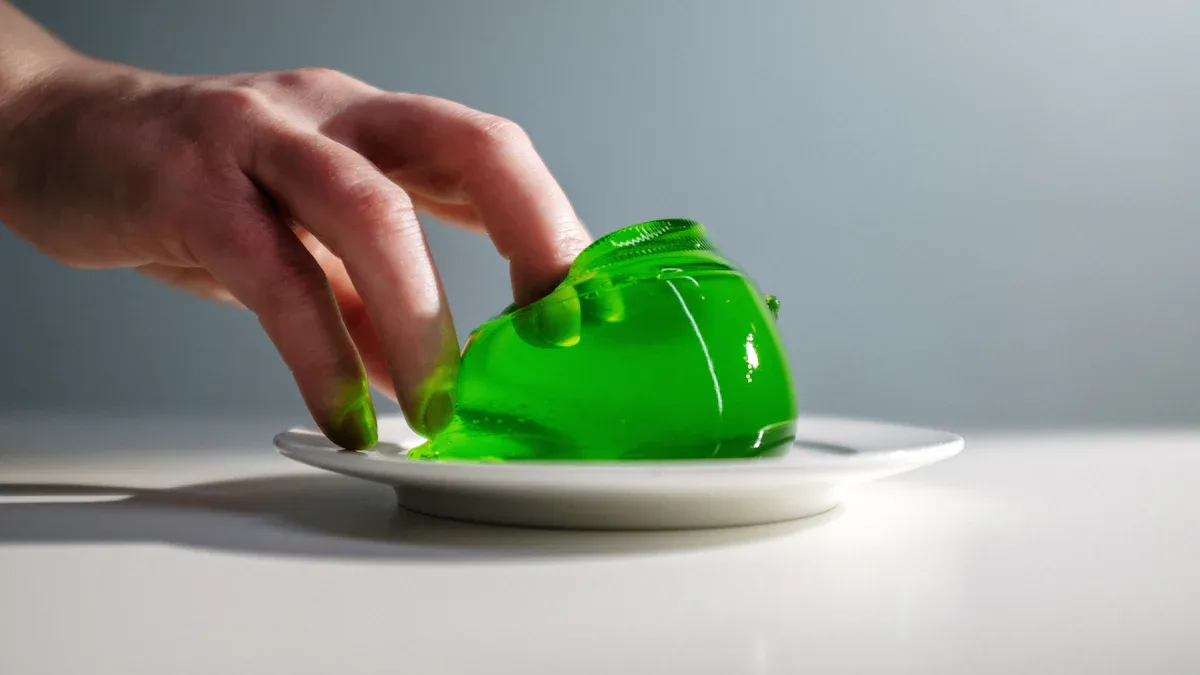
You can recognize cold water fish gelatin by its unique molecular structure. This gelatin forms gels at lower temperatures than mammalian gelatin. The gelation process happens because the molecules assemble in a special way. Scientists have seen these assemblies using electron microscopes. The amino acid composition also plays a big role. Cold water fish gelatin has less proline and hydroxyproline. This makes the gel softer and causes it to melt at lower temperatures.
Tip: If you need a gelatin that sets in the fridge or melts in your mouth, cold water fish gelatin is a great choice.
Here is a comparison of its properties:
| Property | Cold Water Fish Gelatin | Mammalian Gelatin |
|---|---|---|
| Weight Average Molecular Weight (Mw) | Varies by species (e.g., haddock, saithe, cod) | Acid porcine skin (type A), lime bovine bone (type B) |
| Molecular Weight Distribution | Different hydrolytic fragments present | Varies between types A and B |
| Dynamic Storage Modulus (G′) | Increases with Mw | Varies with Mw |
| Bloom Value | 200 (haddock), 150 (saithe), 100 (cod) | Varies by type (A and B) |
Culinary Uses of Cold Water Fish Gelatin
You can use cold water fish gelatin in many recipes. It works well for making table jellies, gummy candies, and marshmallows. It helps desserts like ice cream and panna cotta stay smooth and creamy. This gelatin also improves flavor release, so your desserts taste better. You can use it to clarify apple juice or wine.
| Culinary Application | Description |
|---|---|
| Gel formation | Used in products like table jellies and gummy products. |
| Foam formation | Essential in the production of marshmallows. |
| Texture improvement | Enhances the creamy smooth texture in ice cream and desserts, preventing ice crystal formation. |
| Flavor release | Desserts with fish gelatin have improved flavor and aroma release compared to non-fish gelatin. |
| Clarification agent | Used in apple juice production and winemaking to remove particulates. |
Cold water fish gelatin gives desserts a soft, melt-in-your-mouth texture. It does not add any strong taste, so you can enjoy the real flavors of your dish.
Laboratory Uses of Cold Water Fish Gelatin
You will find cold water fish gelatin in many laboratory protocols. It stays liquid at cold temperatures, which helps in experiments that need low heat. You can use it at low concentrations, from 0.1% to 5%. This gelatin does not contain serum proteins, so it reduces background noise in tests. Many scientists use it in cell culture and biomaterial research. It comes from fish byproducts, which makes it sustainable and widely accepted.
| Property/Advantage | Description |
|---|---|
| Source | Purified from the skin of cold-water fish. |
| Temperature Stability | Remains liquid even at cold temperatures. |
| Concentration Range | Used at lower concentrations ranging from 0.1-5%. |
| Background Noise Minimization | Does not contain serum proteins that can cross-react with mammalian antibodies, reducing noise. |
| Limitation | Cannot be used with biotin detection systems due to endogenous biotin content. |
- Cold water fish gelatin supports sustainability because it uses fish processing byproducts.
- It is biocompatible and works well in biomedical applications.
- Many people prefer it for personal or religious reasons.
How to Use Cold Water Fish Gelatin Effectively
Preparing Powdered Cold Water Fish Gelatin
You can prepare powdered cold water fish gelatin easily if you follow a few simple steps. This process helps you get the right texture for your recipes or experiments.
- Measure the gelatin powder. Use 1 tablespoon (about 10 grams) for every 2 cups of liquid if you want a firm gel.
- Sprinkle the powder over 1/4 cup of cold water for each tablespoon of gelatin. Let it sit for 5 to 10 minutes.
- Allow the gelatin to absorb the water. It will swell and become spongy.
- Reheat the bloomed gelatin gently. Use a double boiler or microwave, but do not let it boil.
If you want a softer gel, use 1 teaspoon per 2 cups of liquid. This works well for panna cotta or mousse.
Tip: Always use cold water to hydrate the gelatin. Hot water can cause uneven swelling and reduce the gelling power.
The temperature of your water matters. Cold water fish gelatin sets at lower temperatures than mammalian gelatin. You can see the differences in this table:
| Property | Cold Water Fish Gelatin | Mammalian Gelatin |
|---|---|---|
| Gelation Temperature | 8 to 10 °C | Higher than 10 °C |
| Gelling Temperature | 4–5 °C | Higher than 10 °C |
| Melting Temperature | 12–13 °C | Higher than 20 °C |
| Gel Strength | Diminished | Optimal |
Using Cold Water Fish Gelatin Sheets
You may prefer gelatin sheets for their clarity and ease of use. Handle and store them with care to keep their quality.
- Store sheets in a cool, dry, and well-ventilated place. The best temperature is between 15°C and 25°C.
- Keep humidity below 60% to stop the sheets from absorbing moisture.
- Protect the sheets from UV light. Use opaque containers or dark storage areas.
- Keep sheets away from strong odors. This prevents unwanted flavors.
- Store sheets flat in rigid boxes. This stops them from warping or sticking together.
"In the case of leaf gelatine, the leaf thickness and hence the weight of the individual leaves is set according to the type of gelatine being processed. Thus, any particular leaf of gelatine dissolved in a given amount of fluid results in the same gelling power, independent of whether 'high-Bloom' or 'low-Bloom' gelatine is used in the leaf manufacturing process."
To use the sheets, soak them in cold water for 5 to 10 minutes. Once soft, squeeze out extra water and melt the sheets gently in your recipe.
Tips for Success and Common Pitfalls
You can avoid many problems with cold water fish gelatin if you follow these tips:
- Use packets if your recipe calls for them. Measure granules with a spoon if needed.
- Always dissolve gelatin in cold water first.
- Do not use hot water for blooming. This can cause uneven swelling.
- Never boil mixtures with gelatin. High heat can weaken the gel.
- Chill your desserts for at least eight hours. For best results, wait twenty-four hours.
- Watch out for tropical fruits like pineapple and kiwifruit. Their enzymes can stop gelatin from setting.
Note: Allow enough time for your gelatin to set. Rushing this step can lead to a runny texture.
Alternatives and Substitutes for Cold Water Fish Gelatin
You may want to use a substitute for cold water fish gelatin. Some people choose alternatives for dietary or religious reasons. Each option has its own strengths and weaknesses.
| Type of Gelatin | Gel Strength Comparison | Amino Acid Composition Differences |
|---|---|---|
| Cold-water fish gelatin | Weaker | Different amino acid mix |
| Warm-water fish gelatin | Comparable to bovine | More suitable for certain applications |
| Bovine gelatin | Stronger | Standard amino acid profile |
Fish gelatin contains higher levels of serine, threonine, methionine, cysteine, and arginine. This gives it a softer texture than bovine or pork gelatin.
You can also use plant-based options:
- Agar-agar has a higher gel strength. You need less to get a firm texture.
- Agar-agar has a neutral flavor. Many vegetarians and vegans prefer it.
- Synthetic gelatin is a vegan choice. It works in many recipes and does not change the taste.
Troubleshooting Common Issues
You may face some challenges when working with cold water fish gelatin. Here are common problems and solutions:
The stability of cold-water fish gelatin can decrease if proteases are present. These enzymes break down the gelatin, making the gel weaker and changing its texture. This is important in laboratory settings.
If your gel is cloudy or too soft, try these solutions:
| Solution Type | Description |
|---|---|
| Enzymatic Cross-Linking | Use enzymes like transglutaminase to make the gel stronger. |
| Mixed Gelling Systems | Combine fish gelatin with plant hydrocolloids to improve texture and gel quality. |
| Addition of Solutes (Salts) | Add salts to enhance the properties of fish gelatin, making it more like mammalian gelatin. |
If you follow these steps and tips, you can get the best results from cold water fish gelatin in your kitchen or laboratory.
You can rely on cold water fish gelatin for stable gels and nanoemulsions. It works well at many pH levels and forms small, stable droplets.
- Try different ratios for better results.
Remember: Experimenting with techniques helps you discover the best method for your needs.
FAQ
What makes cold water fish gelatin different from regular gelatin?
You get a softer gel that melts at lower temperatures. Cold water fish gelatin comes from fish, not mammals. It works well for recipes that need gentle setting.
Can you use cold water fish gelatin in hot dishes?
No, you should not use it in hot dishes. The gel melts quickly when heated. Use it for cold or room-temperature recipes.
Is cold water fish gelatin safe for people with allergies?
- You should avoid it if you have a fish allergy.
- Always check the label for possible cross-contamination.
See Also
Comparing Bovine Gelatin Powder With Fish And Pork Varieties
The Production Process And Composition Of Edible Gelatin
Key Indicators Of High-Quality Bovine Gelatin Powder To Recognize
Ten Creative Methods To Incorporate Bovine Gelatin Powder
Understanding The Ingredients And Production Of Bovine Gelatin Powder