Comparing Chute Type and Belt Color Sorters for Food Processing
Choosing the best color sorter isn’t a one-size-fits-all decision. Your product type and processing needs matter most. For example, coffee, nuts, oil crops, fruits, and vegetables all need different solutions. RaymanTech’s Optical Sorting Systems help you match the right chute color sorter or belt color sorter to your line. The right sorter boosts quality and keeps your operation running smoothly.
Key Takeaways
Chute color sorters excel in speed and throughput, making them ideal for high-volume processing of small, uniform products like grains and nuts.
Belt color sorters provide gentle handling for fragile or sticky items, ensuring minimal breakage and maintaining product quality during sorting.
Choosing the right sorter depends on your product type and processing needs; assess whether you need speed or gentle handling before making a decision.
Regular maintenance is crucial for both sorter types; belt sorters are easier to clean, while chute sorters require more frequent inspections for optimal performance.
Consult with experts like RaymanTech to find the best sorting solution tailored to your specific product and operational goals.
Chute Color Sorter Basics
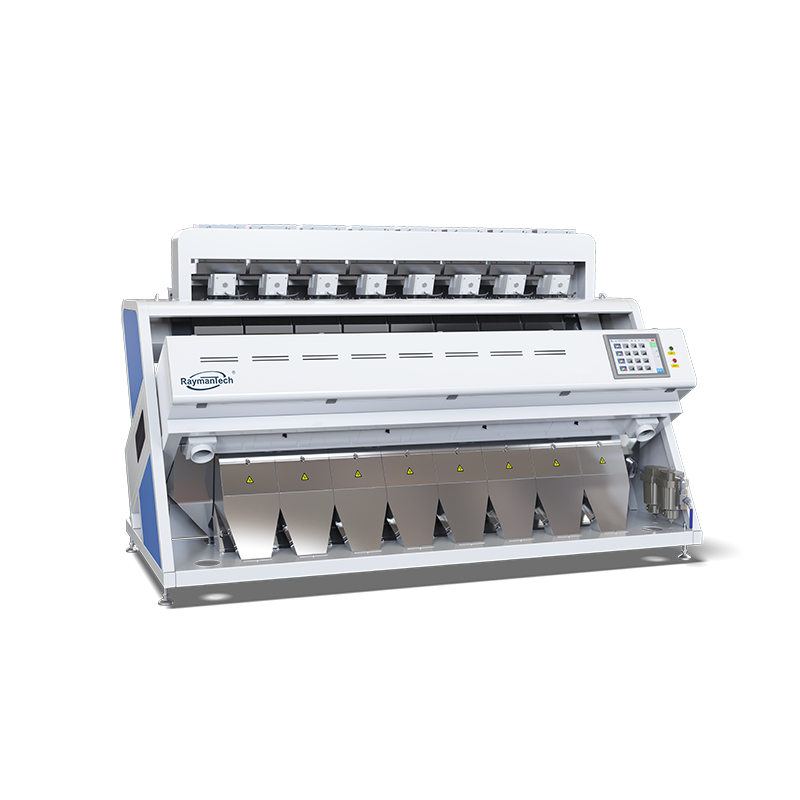
How Chute Color Sorters Work
Chute color sorters use gravity to move products down a sloped surface, called a chute. As items slide down, high-speed cameras scan each piece. The optical sorting machine detects color, shape, and size differences. If the sorter finds a defect or foreign object, it uses a quick air jet to remove it from the product stream. RaymanTech’s Multifunctional Chute Color Sorter stands out for its speed and accuracy. It can handle anywhere from 30 kilograms to 3.5 tons per hour on each chute. Sorting accuracy reaches over 99.99%, making it a reliable automated sorting system for many food processing lines.
Feature | Details |
|---|---|
Typical Throughput Rate | 30 kg – 3.5 tons/hour per chute |
Sorting Accuracy | Greater than 99.99% |
Key Features and Benefits
Chute color sorters offer several advantages for food processors. They are fast, energy-efficient, and easy to maintain. These sorters use advanced cameras and smart software to deliver precise sorting. Operators enjoy a user-friendly interface with a true color screen. The high-frequency ejectors react quickly, so the system keeps up with high-volume production. Chute color sorters save time and labor, which lowers costs and boosts productivity. They also improve product quality, which helps processors meet strict standards in bulk grain sorting, fresh and frozen fruit and vegetable sorting, and processed food inspection.
Feature/Benefit | Description |
|---|---|
High Efficiency | Saves time and labor, increases productivity |
Cost-Effectiveness | Reduces processing costs |
Advanced Technology | High-end cameras and intelligent software |
Improved Quality | Enhances product quality |
User-Friendly Design | Easy operation with clear visual effects |
Quick Reaction Velocity | Fast ejectors for higher accuracy |
Typical Applications
Chute color sorters work best for small, uniform, or high-volume products. They are a top choice for nut sorting, coffee bean processing, and recycling material separation. You will also find them in applications like:
Rice, wheat, and grains
Cereals and pulses
Tea, coffee, and spices
Dehydrated vegetables and snacks
Oats and maize
These sorters are also used for PET flakes and coconut flakes. Many processors rely on chute color sorters for applications that demand speed and accuracy. Whether you need to sort bulk grains, inspect processed foods, or separate recycling materials, a chute color sorter can handle the job.
Tip: For high-volume or uniform products, a chute color sorter often delivers the best mix of speed, accuracy, and cost savings.
Belt Color Sorter Overview
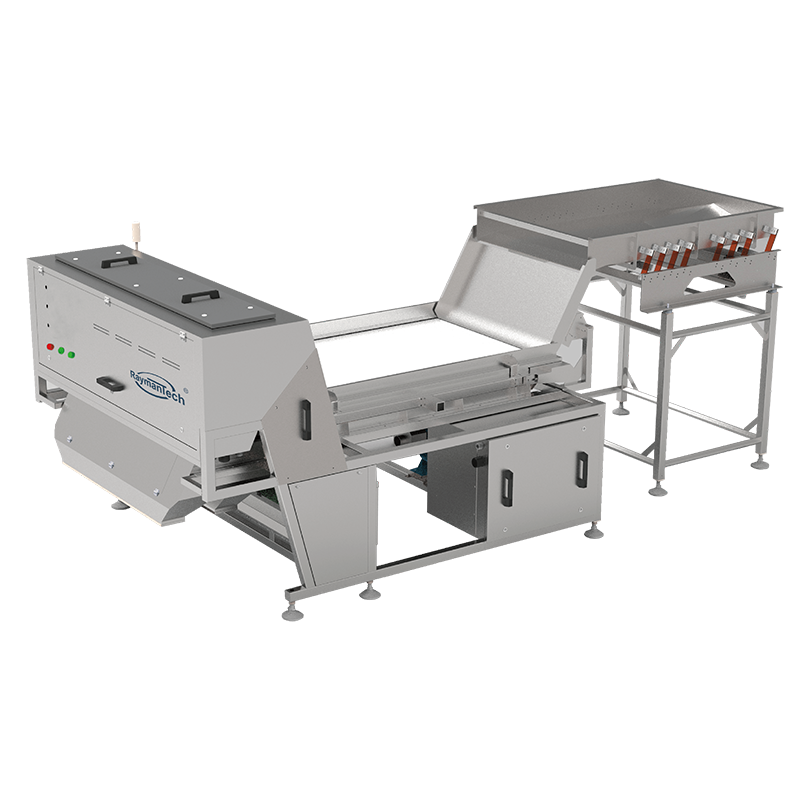
How Belt Color Sorters Work
Belt color sorters use a moving belt to carry products in a single layer under high-speed cameras. The cameras scan each item for color, shape, and size. When the sorter finds a defect or foreign object, it uses a quick air jet to remove it. This system keeps products steady and spaced out, which helps with gentle product handling. RaymanTech’s AI Medium Speed Optical Sorter is a great example. It works well for fragile, sticky, or oddly shaped foods. The belt transport mechanism reduces breakage and keeps products safe during sorting.
Here’s a quick look at how belt and chute systems compare for product handling:
Feature | Belt Transport Mechanism | Chute Systems |
|---|---|---|
Material Handling | Gentle handling for fragile and irregular shapes | Higher risk of collisions and breakage |
Ideal For | Sticky materials like raisins, coffee beans | Less suitable for delicate products |
Collision Minimization | Stable and smooth transmission | More collisions likely |
Main Advantages
Belt color sorters offer several key benefits for food processors:
Enhanced accuracy and precision in sorting, which means fewer mistakes and better quality control.
Waste reduction, since the sorter removes defective products and saves good material.
Increased customer satisfaction, as the sorter helps deliver products that meet strict color and quality standards.
These sorters use advanced technology to keep sorting consistent and reliable. The belt design also makes cleaning and maintenance easier, which saves time for operators.
Best Use Cases
Belt color sorters shine when you need gentle product handling. They are the best applications for foods that break easily or stick together. Fruits, vegetables, grains, nuts, and processed foods all benefit from this type of sorter. The belt system helps keep products safe and clean, while sorting out anything that does not belong. This improves food safety and quality. Processors choose belt color sorters when they want to sort by ripeness, size, or color, and when they need to protect delicate items from damage.
Tip: If you process sticky, fragile, or irregular products, a belt color sorter is often the best choice for gentle handling and top-quality results.
Chute Optical Sorters vs Belt Optical Sorters
When you’re choosing between chute optical sorters and belt optical sorters, it helps to look at the key differentiating factors. Let’s break down how these sorters stack up in real food processing environments.
Speed and Throughput Comparison
Speed and throughput matter a lot when you need higher throughput rates or have strict deadlines. Chute color sorter models from RaymanTech can handle several tons per hour. They work well for processors who need required throughput rates for bulk products. Belt color sorter models, like RaymanTech’s AI Medium Speed Optical Sorter, run at medium speeds—about 96 meters per minute. They’re great for steady, gentle sorting, especially when you want to protect delicate items.
Sorter Type | Throughput Capacity (tons per hour) | Speed (m/min) |
|---|---|---|
Chute Sorter | Several tons per hour | N/A |
Belt Sorter | Medium speeds | 96 |
Note: Chute optical sorters are your go-to for higher throughput rates, while belt color sorters offer steady, reliable sorting for fragile products.
Sorting Accuracy and Consistency
Sorting accuracy is crucial for food safety and quality. Chute optical sorters use gravity, which sometimes causes accuracy issues if product weights vary. Belt optical sorters keep products moving at a consistent speed, so they deliver higher accuracy and better precision. Belt color sorters are known for their superior speed and accuracy in separation by color. You get fewer errors and more consistent results.
Chute optical sorters: Gravity-based sorting can affect accuracy with mixed product weights.
Belt optical sorters: Consistent speed means higher accuracy and precision, especially for color separation.
Belt color sorter models from RaymanTech excel in sorting consistency for fresh, frozen, and dehydrated foods.
Product Handling and Breakage
Product handling is a big deal, especially if you process fragile or irregularly shaped foods. Chute optical sorters move products quickly down a chute, which can lead to more collisions and higher breakage rates. Belt optical sorters operate at a slower speed and have a larger identification area. This means they handle delicate items like walnuts, chili peppers, and dehydrated vegetables with care. Belt color sorters minimize breakage and keep product integrity intact.
Chute-type sorters: Less suitable for fragile products, higher breakage rates.
Belt-type sorters: Gentle handling, ideal for delicate and irregularly shaped items.
Tip: If you process foods that break easily, a belt color sorter is often the best choice for gentle handling and top-quality results.
Maintenance and Cleaning
Maintenance and cleaning keep your sorting system running smoothly. Chute optical sorters need regular inspection for scratches, dust, and paint residue on the chute. If you see material bouncing or sorting performance dropping, check for dust accumulation and make sure the cleaning device works. Belt optical sorters are easier to clean because the belt design allows for quick access. Operators spend less time on maintenance, which helps reduce operating costs.
Fault Symptom | Cause of Problem | Solution |
|---|---|---|
Material Bouncing on chute | Scratched chute, high temperature, dust agglomeration | Inspect chute, check heating device, clean dust |
Sorting performance worsening | Dust on glass before/after sorting | Verify cleaning device, check raw material impurities |
Cost and Space Needs
Cost and space are important when you plan your processing line. Chute optical sorters need less floor space, making them a good fit for smaller facilities. Belt color sorters require a larger area—sometimes five to ten times more than chute sorters. The belt system transports material horizontally and gives you more control over speed and processing time. While belt optical sorters may have higher initial costs, they can lower operating costs over time by reducing product loss and breakage.
Type of Sorter | Floor Space Requirement | Characteristics |
|---|---|---|
Chute Sorter | Smaller area | Material drops down an inclined chute, fixed processing time |
Belt Sorter | Larger area (5-10x) | Material transported horizontally, adjustable speed, longer processing time |
Remember: Chute color sorter models from RaymanTech are perfect for high-capacity sorting in tight spaces. Belt color sorter models work best when you need gentle handling and have room to spare.
Quick Comparison Table
Here’s a handy table to help you compare the main features side by side:
Factor | Chute Optical Sorters | Belt Optical Sorters |
|---|---|---|
Throughput | Higher throughput rates | Medium throughput, steady speed |
Accuracy | Good, can vary with product weight | High, consistent for all product types |
Precision | Reliable for uniform products | Excellent for irregular and fragile items |
Product Handling | Fast, more collisions | Gentle, minimizes breakage |
Maintenance | Regular chute inspection, cleaning | Easier cleaning, less downtime |
Cost | Lower initial cost, less space needed | Higher initial cost, lower operating costs |
Space Needs | Compact footprint | Larger area required |
Efficiency | Great for bulk sorting | Best for delicate, sticky, or irregular items |
Sorting System | Gravity-based, quick separation | Belt-based, controlled separation |
RaymanTech offers both chute and belt color sorter models, so you can match the right sorting system to your product and facility needs.
Choosing the Right Sorter for Your Product
Assessing Product Type and Volume
Picking the right sorter starts with knowing your product. Ask yourself: Is your food product small and uniform, like rice or tea? Or is it fragile, sticky, or oddly shaped, like dried fruit or seafood? The amount you need to process also matters. High-volume lines often need a sorter that can keep up with fast speeds. Lower volumes or delicate products may need a gentler touch.
Here’s a quick table to help you compare:
Factor | Chute Color Sorter | Belt Color Sorter |
|---|---|---|
Sorting Speed | Faster, great for high-volume | Slower, steady pace |
Material Type | Best for small, uniform items | Handles larger, sticky, or fragile products |
Energy Efficiency | Uses less energy | Needs more energy |
Maintenance | Simple to clean and maintain | Needs more care and attention |
Cost | More cost-effective for similar output | Higher cost for the same output |
Matching Sorter to Application
Think about what you want from your sorting process. If you need to sort a lot of grains or spices quickly, a chute color sorter is a strong choice. For products that break easily or stick together, a belt color sorter is better. This sorter gently moves items along, so you get less breakage and more consistent results. Sorting accuracy also improves when products stay flat and spaced out on the belt.
Here’s a simple checklist to guide your decision:
What is the size and shape of your product?
How much do you need to process each hour?
Is gentle handling important?
What is your budget for equipment and maintenance?
How much space do you have in your facility?
Key Questions for Suppliers
Before you buy, talk with your supplier. Ask these questions:
Which sorter fits my product best?
Can the sorter handle my required volume?
What are the cleaning and maintenance needs?
How does the sorter improve sorting accuracy?
What support and training do you offer?
Tip: RaymanTech’s team can help you match the right belt color sorter or chute color sorter to your needs. Their experts know how to find the best fit for your product and processing goals.
Choosing between chute and belt color sorters comes down to your product’s shape, how much you process, and your quality goals. Each sorter has its strengths. Before you decide, try this checklist:
Review your operational needs and product type.
Test vendor claims and check references.
Make sure the solution meets current standards.
Think about future upgrades and total costs.
Skipping these steps can lead to costly mistakes. For the best results, talk with experts like RaymanTech and evaluate your needs carefully.
FAQ
What products work best with chute color sorters?
Chute color sorters handle small, uniform items like rice, grains, nuts, and tea. They work well for high-volume processing lines that need speed and accuracy.
When should I choose a belt color sorter?
Pick a belt color sorter for fragile, sticky, or irregular products. It gently moves items like dried fruit, seafood, or delicate nuts to reduce breakage and keep quality high.
How often do I need to clean these machines?
You should clean both types regularly. Belt sorters are easier to access for cleaning. Chute sorters need frequent checks for dust or scratches on the chute.
Can RaymanTech help me pick the right sorter?
Absolutely! RaymanTech’s team can guide you through the options and help you match the best sorter to your product and processing needs.