Choosing Your Car Camping Water Dispenser A Guide
Finding the right water dispenser for camping is essential for a great trip. Your main options include rigid jugs, collapsible containers, and powered dispensers.
The best choice for you balances capacity, material, and ease of use. Consider your group size and vehicle space to find the perfect fit.
Key Takeaways
- Choose a water dispenser based on your needs. Rigid jugs are strong. Collapsible containers save space. Powered systems are easy to use.
- Plan your water needs carefully. Bring one gallon of water per person, per day. Consider more water for hot weather or high activity.
- Look for BPA-free plastic. Clean your dispenser often. Secure it well when driving to prevent accidents.
Comparing the Main Types of Water Dispensers
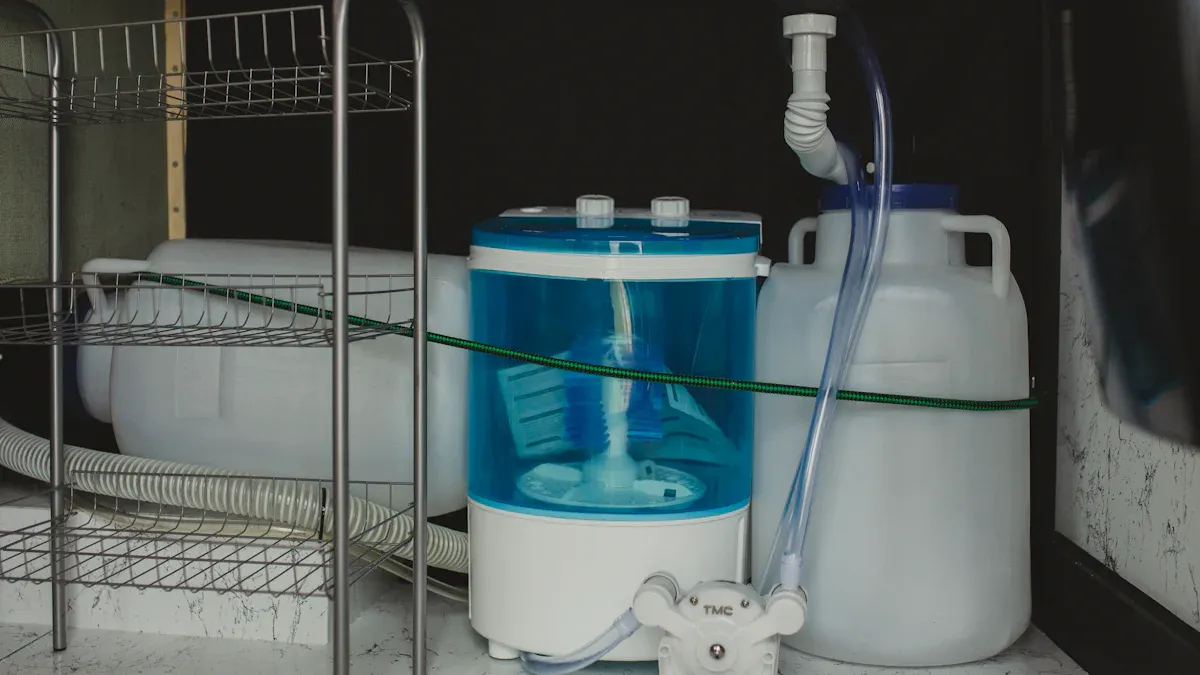
You have three main styles to choose from when selecting a water dispenser for camping. Each type offers a unique set of benefits and drawbacks. Your choice will depend on your priorities, whether that's durability, saving space, or ultimate convenience.
Rigid Water Jugs and Cubes
Rigid jugs are the classic, workhorse solution for camp water. These are the sturdy, blocky containers you often see at campsites. They are typically made from thick, durable plastic and come in various sizes, often holding between 4 and 7 gallons.
Their simple design makes them reliable and affordable. You can stack them in your vehicle, and they are generally lightweight when empty. However, they have some downsides. They take up the same amount of space whether full or empty. Pouring can be awkward, and their spigots can sometimes fail or leak over time.
Some popular and well-regarded models include:
- Igloo 6-Gallon Camping Water Container: A great all-around choice.
- Dometic GO Hydration Water Jug: A versatile option with webbing handles that save space.
- Scepter Military Water Container: Known for its exceptional toughness and thick plastic.
The Scepter is incredibly durable, but it is also more expensive. You might notice a plastic smell at first, and its lid can sometimes leak if you store it on its side.
You must also consider the effects of the environment on these jugs. Sunlight is a major factor. UV light can cause the plastic to degrade through a process called photo-oxidation. This leads to discoloration, brittleness, and even cracks. Extreme heat and cold can also cause the plastic to expand, contract, and warp, shortening the container's lifespan.
Collapsible Water Containers
Collapsible containers are your best friend if vehicle space is your top concern. These containers fold, roll, or compress down to a fraction of their full size when empty. This feature makes them perfect for packing into tight or irregular spaces.
They come in several styles, from soft-sided bags to semi-rigid accordion-style jugs. While their packability is a huge advantage, it often comes at a cost.
| Feature | Collapsible Containers | Rigid Containers |
|---|---|---|
| Primary Use | Saving space, car camping, group trips | Maximum durability, basecamp setup |
| Advantages | Lightweight, packable, fits in odd spaces | Extremely tough, stackable, reliable |
| Disadvantages | Less durable, harder to clean, can be unstable | Bulky, takes up the same space empty or full |
The material of a collapsible container directly impacts its durability and how your water tastes.
- PE (Polyethylene): A budget-friendly material. You should always look for BPA-free PE, as cheaper versions can give water a plastic taste.
- TPU (Thermoplastic Polyurethane): A pliable and lightweight material popular for hydration bladders. It resists scrapes well but can develop leaks at fold creases after years of use.
- Food-Grade Silicone: An excellent, highly resilient material. It is tough, flexible, and does not leave an aftertaste.
User reviews for collapsible containers are often mixed. Many people love their compact design and ease of use. However, common complaints include a strong plastic taste, unexpected leaks at seams or handles, and difficulty cleaning and drying, which can lead to mold.
Ultimately, you trade some durability for unmatched packability. A soft bag that rolls up small is great for saving space but is more vulnerable to punctures than a hard-sided jug.
Powered and Pressurized Dispensers
Powered and pressurized systems offer the highest level of convenience. These dispensers eliminate the need to lift and tip a heavy jug. Instead, they use a pump to move water from the container to your cup or pot with the push of a button or lever.
These systems range from simple manual pumps to sophisticated electric models. A basic manual pump requires you to do the work, which can cause hand fatigue. Battery-powered pumps offer effortless, one-touch operation.
| Feature | Manual Pump | Battery-Powered Pump |
|---|---|---|
| Flow Rate | Moderate, depends on your effort | Fast and consistent |
| Effort Required | High | Low |
| Limitations | Can be slow, causes hand fatigue | Requires recharging, may slow on low battery |
You can find simple, affordable pumps like the Brio Pump that fit onto standard 2- to 6-gallon bottles. For a more integrated setup in an RV, you might consider a countertop unit like the Brio 300 Series Cooler, which connects to your vehicle's water tank and even offers filtration. These powered options turn any large water jug into an easy-to-use, on-demand water station.
Key Factors for Choosing Your Water Dispenser for Camping
Now that you know the main types, you can narrow down your choice. Selecting the right container involves more than just picking a style. You need to think about how much water you'll use, how long the container will last, and how easy it is to handle.
Calculating Your Water Capacity Needs
Before you choose a dispenser, you need to know how much water to bring. A simple rule for camping is to pack one gallon of water per person, per day. This amount should cover drinking, cooking, and basic cleaning. For more comfort, a generous guideline suggests bringing 2 gallons per person per day.
You can use a simple formula to estimate your total needs:
(Number of People) x (Number of Days) x (Gallons per Day) = Total Water Needed
For example, a group of four on a 3-day trip would need: 4 people x 3 days x 1.5 gallons = 18 gallons total.
Your water needs also change with the climate, altitude, and your activity level.
- Climate: You will need more water in hot, dry conditions than in cool weather because you sweat more.
- Altitude: Your body loses water faster at high altitudes. Above 5,000 feet, the air is drier, and you breathe more rapidly. Experts recommend drinking an extra 1 to 1.5 liters of water daily when you are at high altitudes.
- Activity: A strenuous hike requires much more water than relaxing at the campsite.
Consider these factors when you calculate your final water volume. It is always better to have a little extra.
| Factor | How to Adjust Your Water Supply |
|---|---|
| High Activity | Add 0.5 to 1 gallon per person for intense hiking. |
| Hot Weather | Add 0.5 to 1 gallon per person in warm conditions. |
| High Altitude | Add 0.5 gallons per person for every 5,000 feet of elevation. |
| Emergency | Always pack an extra day's supply of water just in case. |
| Pets | Don't forget to pack water for your furry friends! |
Material, Durability, and Taste
The material of your container affects its lifespan and how your water tastes. Most rigid and collapsible containers are made from plastic, but not all plastics are equal.
- Look for BPA-Free: Always choose containers made from food-grade, BPA-free plastic. High-density polyethylene (HDPE), marked with the #2 recycling symbol, is a safe and popular choice. Cheaper plastics can leave an unpleasant taste in your water.
- Consider UV Resistance: Sunlight can damage plastic over time. UV rays cause the material to become brittle and crack. Many quality containers include UV stabilizers that protect the plastic, extending its life from a few hundred hours of sun exposure to over a thousand. Darker, opaque containers also help block light.
- Think About Durability: A thick, sturdy HDPE container can last 15 to 20 years with proper care. Collapsible containers made from TPU or silicone are tough but can be more vulnerable to punctures or leaks at the seams after years of folding and unfolding.
Portability and Ease of Use
Water is heavy, and your vehicle has limited space. The size, shape, and weight of your water container have a big impact on your camping experience.
A full 5-gallon jug weighs around 44 pounds. Lifting and pouring that much weight can be difficult. A larger 7-gallon jug might measure about 11.5 inches long, 11.25 inches wide, and 15.75 inches tall, taking up significant space.
The shape of the container also matters for packing.
- Cubes and Rectangles: Blocky containers are easy to stack and create a stable base in your trunk.
- Flat or Low-Profile: Some containers have a flat, rectangular shape. These "loaf tanks" are very stable during transport and can slide into tight spaces.
- Collapsible: Soft bags and accordion-style jugs save the most space when empty, fitting into small gaps in your gear.
Think about how you will get the container from your car to your camp kitchen. Look for comfortable, sturdy handles that will not dig into your hands or break under a heavy load.
Spigot Design and Flow Rate
A leaky spigot can drain your precious water supply and make a huge mess. The spigot is often the weakest point on a water dispenser for camping, so its design is critical.
You will generally find two main types of closures:
- Screw-On Caps: These are simple and highly reliable. With no moving parts to break, a solid cap offers the best protection against leaks during transport. Their main downside is that you must tip the heavy container to pour.
- Spigots: These offer amazing convenience, letting you dispense water with the push of a button or lever. However, their internal parts can wear out, and they can get bumped or broken.
Some manufacturers have created clever solutions. For example, certain containers feature a reversible spigot that you can unscrew and store inside the cap. This protects it during transport and combines the security of a cap with the convenience of a spigot. When choosing a water dispenser for camping, check that the spigot is made from durable material and creates a tight seal.
Integrating Your Dispenser with Other Gear
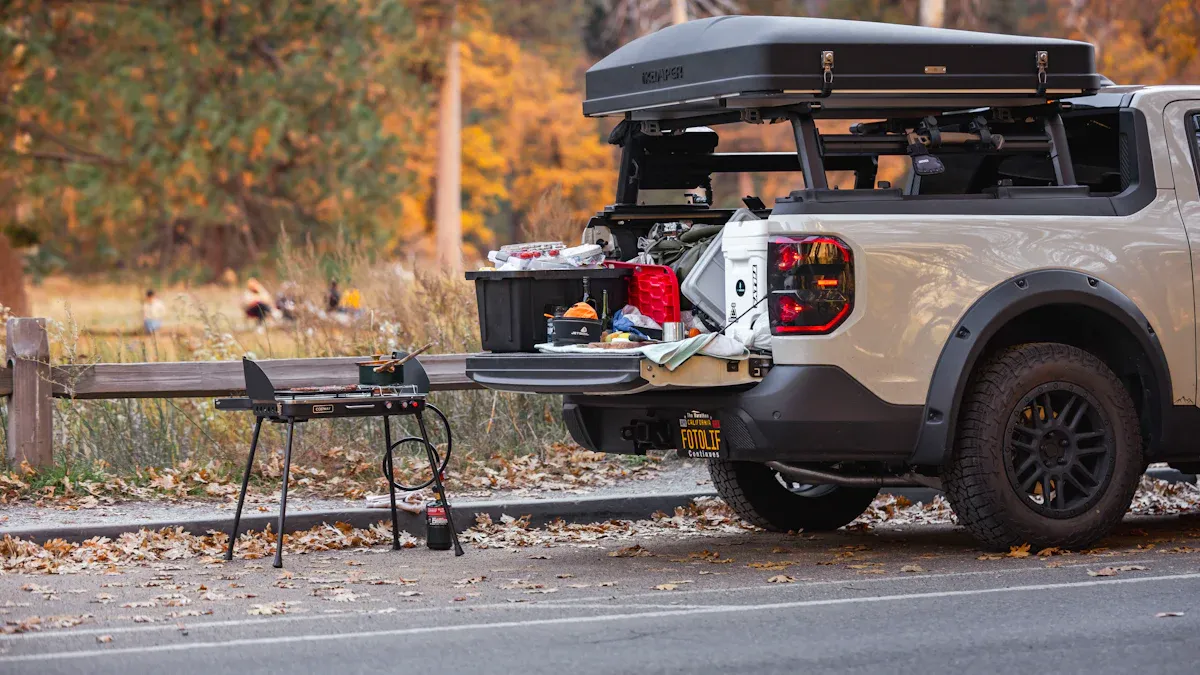
Your water container does not have to work alone. You can combine it with other gear to create a more efficient and convenient camp kitchen. This integration turns a simple jug into a complete hydration station.
Pairing with Water Filtration Systems
You can easily pair most dispensers with a water filter. This is great for refilling at a campground spigot or treating water from a natural source. You have two main options for this.
First, you can filter water before it goes into your container. This ensures all the water inside is clean and ready to drink. Second, you can attach an inline filter to the spigot. This filters the water as you dispense it. Both methods give you safe, clean drinking water right at your campsite.
DIY Dispenser Setups
You can build your own custom water dispenser for camping with a few simple parts. This allows you to create a system that perfectly fits your needs. Many people modify durable containers like Scepter or Wavian jerry cans.
A DIY setup gives you full control over your system's features. You can choose the exact spigot, hose length, and flow rate you want for your camp kitchen.
Here are a few popular DIY ideas:
- Install an FDA-approved coffee dispenser spigot for a reliable, food-safe tap.
- Attach a quarter-turn valve and a quick connector to a standard garden hose outlet for an easy gravity-fed system.
- Create a vent hole using a small bolt to improve water flow.
- Wrap the bottle neck with plumber's Teflon tape if a spigot cap is a loose fit.
Essential Care and Transport Tips
Proper care and transport will extend the life of your container. You can keep your water fresh and your gear secure with a few simple steps. Taking these precautions ensures your water supply is safe for your entire trip.
How to Properly Clean and Store Your Dispenser
You should clean your water container regularly to prevent mold and bacteria. Bacteria from your hands and mouth can enter the container each time you use it. A simple daily rinse with warm water and dish soap helps. For a deep clean, you can follow these steps:
- Empty the container completely.
- Take apart any removable pieces like the lid or spigot.
- Scrub the inside with a bottle brush and dish soap.
- For a deep disinfection, fill the container with a solution of one tablespoon of unscented bleach per gallon of water. Let it sit for at least two hours.
- Rinse the container thoroughly until you can no longer smell bleach.
- Let all parts air dry completely before storing them. A damp environment helps mold grow.
If you find mold, you can also use a solution of equal parts vinegar and water to kill the spores.
Securing Your Water for Transport
Water is heavy. A full 5-gallon jug weighs over 40 pounds. An unsecured container can become a dangerous projectile in a sudden stop. You must secure your water jugs firmly in your vehicle.
Place heavy water containers low and against a solid surface in your trunk or truck bed. This prevents them from tipping or sliding around while you drive.
For extra security, you can use specific gear to hold your containers in place.
- Cargo nets are excellent for truck beds. They stretch over your gear and hold everything down tightly.
- Ratchet straps are another great choice. You can use them to lash containers to anchor points in your vehicle.
Properly securing your water protects your gear and makes your drive to the campsite much safer.
Your ideal water dispenser for camping is a personal choice balancing durability, space, and convenience.
Rigid jugs offer toughness, collapsible containers save space, and powered systems provide ease. Evaluating your camping style against these factors helps you confidently select the right dispenser for your adventures.
FAQ
How often should I clean my water dispenser?
You should clean your dispenser after every camping trip. A deep clean with a bleach or vinegar solution is also a good idea before storing it for a long time.
Can I drink water directly from a campground spigot?
Most campground water is safe to drink. Using a water filter is always a smart choice. It removes potential contaminants and can improve the water's taste.
What is the best way to prevent leaks during transport? 🚗
Use a solid screw-on cap instead of a spigot during transport. You can also choose a dispenser with a reversible spigot that stores safely inside the cap.