Choosing Sodium Chondroitin Sulfate Supplements Wisely
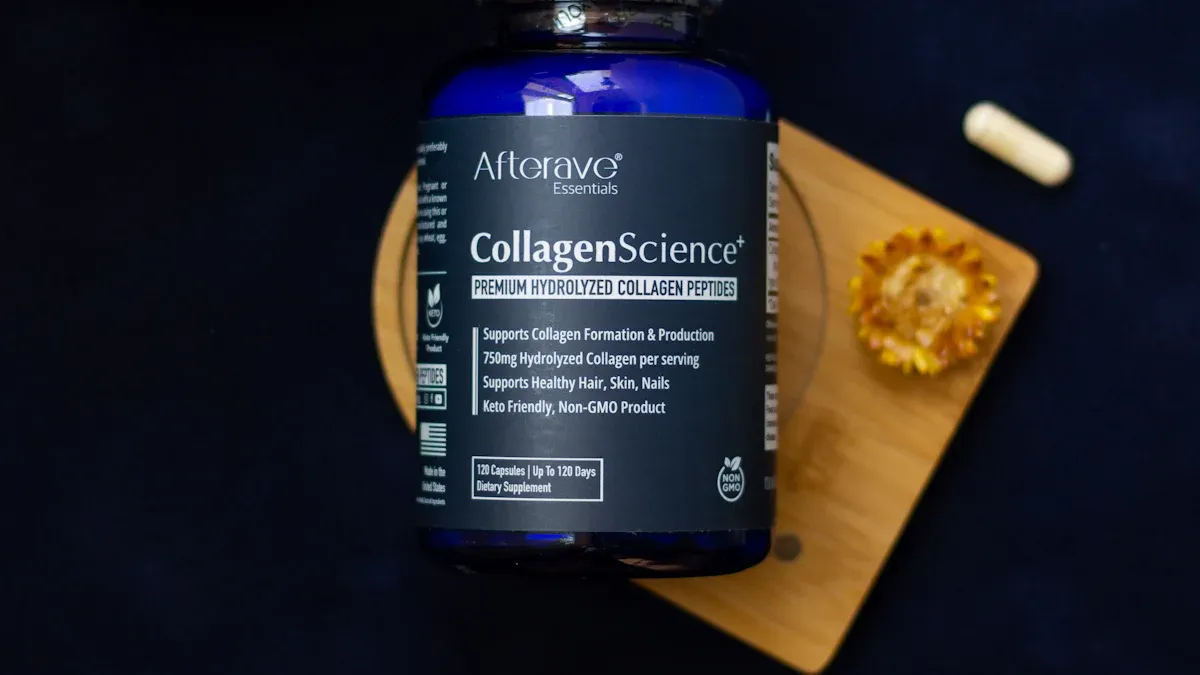
You want the best for your joints, so choosing the right supplement matters. Check the quality and purity of sodium chondroitin sulfate before you buy. Learn about the ingredients and trust facts over claims. Careful choices help you support healthy joints and stay active.
Key Takeaways
- Always check the purity and source of sodium chondroitin sulfate supplements. High purity means better effectiveness and fewer harmful substances.
- Look for certifications like USP or GMP on the label. These marks show that the product meets strict quality and safety standards.
- Consult your healthcare provider before starting any new supplement. They can help you avoid side effects and ensure it's safe for your health.
Sodium Chondroitin Sulfate and Joint Health

What Is Sodium Chondroitin Sulfate
You may wonder what makes sodium chondroitin sulfate important for your joints. This compound is a type of molecule found naturally in cartilage. It helps keep your joints cushioned and flexible. Most supplements use sodium chondroitin sulfate that comes from animal cartilage, such as cows, pigs, sharks, or squid.
Here is a quick look at its structure and origin:
| Aspect | Details |
|---|---|
| Chemical Structure | Composed of repeating disaccharide units of N-acetyl galactosamine (GalNAc) and glucuronic acid (GlcA) with sulfation at various positions. |
| Origin | Typically derived from animal sources such as bovine or porcine cartilage, and also from shark and squid cartilage. |
| Applications | Used in dietary supplements and has roles in tissue engineering and biomaterials development. |
How Sodium Chondroitin Sulfate Supports Joints
Sodium chondroitin sulfate plays several roles in keeping your joints healthy. It helps your cartilage hold water, which keeps it soft and able to absorb shocks. This compound also supports the smooth movement of your joints by helping produce synovial fluid, which acts as a lubricant.
- Attracts water molecules, helping cartilage stay hydrated and strong.
- Maintains the shape and flexibility of cartilage after pressure or movement.
- Spaces out collagen fibers, making cartilage more elastic.
- Supports the production of synovial fluid for better joint lubrication.
- Helps make hyaluronic acid, which thickens synovial fluid and improves joint movement.
- Protects cartilage by blocking enzymes that can break it down.
Clinical studies show that sodium chondroitin sulfate can help reduce joint pain and improve movement. Here are some findings:
| Study Type | Findings |
|---|---|
| Double-blind, placebo-controlled | Chondroitin sulfate reduced pain scores significantly more than placebo, with effects at least double that of placebo. |
| Residual effect study | Patients experienced lasting benefits for over 100 days after stopping treatment, with no deterioration in articular condition observed. |
| Randomized clinical trial | Chondroitin sulfate showed similar efficacy to diclofenac sodium in reducing symptoms of osteoarthritis. |
| Pain score reduction | Statistically significant reduction in pain scores at four and six months compared to placebo. |
Key Factors for Choosing Sodium Chondroitin Sulfate Supplements
Purity and Ingredient Source
When you choose a sodium chondroitin sulfate supplement, purity and ingredient source should be your first concern. High purity means you get more of the active compound and fewer unwanted substances. Supplements with low purity may not work as well and could even contain harmful contaminants.
You will find that most commercial sodium chondroitin sulfate comes from animal cartilage. Here are the most common sources:
- Bovine (cow) cartilage
- Porcine (pig) cartilage
- Shark cartilage
- Squid cartilage
If you follow a vegetarian or vegan diet, or if you have religious or dietary restrictions, you need to check the source. Many supplements use animal-derived ingredients, which may not fit your needs.
Regulatory agencies set standards to help you identify high-quality products. Look for supplements that meet these standards:
| Regulatory Agency | Standards Description |
|---|---|
| United States Pharmacopeia (USP) | Establishes strict quality parameters for pharmaceutical and dietary supplement-grade chondroitin sulfate. |
| European Pharmacopoeia (EP) | Defines quality control measures for chondroitin sulfate used in Europe. |
| Japanese Pharmacopoeia (JP) | Regulates chondroitin sulfate use in pharmaceuticals within Japan. |
| GMP (Good Manufacturing Practices) | Mandates high-quality safety standards for manufacturing facilities. |
| ISO | Ensures compliance with international quality standards. |
Tip: Always check for certifications like USP, EP, or GMP on the label. These marks show that the product meets strict quality and purity standards.
Dosage Recommendations and Bioavailability
You need to pay attention to the dosage and how well your body can absorb the supplement. The right dose helps you get the most benefit for your joints. For adults with osteoarthritis, experts recommend the following daily dosage:
| Dosage Range | Form of Intake | Duration |
|---|---|---|
| 800 mg - 1200 mg | 400 mg three times a day or 1200 mg once | Up to 2 years |
You can take sodium chondroitin sulfate as 400 mg three times a day or 1200 mg once daily. Studies show that both methods work well.
Bioavailability means how much of the supplement your body can use. The source and purity of sodium chondroitin sulfate affect this. Microbial-derived forms have higher absorption than animal-derived forms. The structure, molecular mass, and charge density also play a role in how well your body absorbs the supplement.
| Supplement Form | Bioavailability Comparison |
|---|---|
| Microbial-derived CSS | Higher absorption compared to animal-derived CSS |
| Animal-derived CSS | Lower absorption compared to microbial-derived CSS |
Note: Choose supplements that state their source and purity. Products with higher purity and clear sourcing often provide better results.
Absorption Enhancers and Formulation
Some sodium chondroitin sulfate supplements include ingredients that help your body absorb the active compound more effectively. These absorption enhancers can make a real difference in how well the supplement works for you. Common absorption enhancers include:
- Surfactants
- Fatty acids
- Chelators
- Glycerides
- Bile salts
- Salicylates
- Chitosan
- Cholesterol
These ingredients work by changing the way your intestines absorb nutrients. They can alter membrane fluidity, change mucus thickness, or open tight junctions between cells. This helps more of the supplement get into your bloodstream.
Researchers have found that combining low molecular weight chondroitin sulfate with α-linolenic acid can boost absorption even more. This combination may offer better results for people with joint problems.
Tip: Look for products that mention absorption enhancers or advanced formulations on the label. These can help you get the most benefit from your supplement.
Reading Sodium Chondroitin Sulfate Supplement Labels

Identifying Active Ingredients and Dosage
When you pick a supplement, always check the label for the active ingredients. Look for sodium chondroitin sulfate listed clearly. The label should show the exact amount in each serving. This helps you know if you get the right dose for your needs. Most quality products list the amount in milligrams (mg). You might see a table like this on the bottle:
| Ingredient | Amount per Serving |
|---|---|
| Sodium Chondroitin Sulfate | 400 mg |
| Other Ingredients | — |
You should also check how many servings you need each day. Some products suggest one tablet, while others may require two or three. Always follow the instructions on the label or ask your doctor for advice.
Tip: If the label does not list the exact amount of sodium chondroitin sulfate, choose a different product.
Spotting Additives, Fillers, and Transparency
You want a supplement that gives you what you pay for. Some products add fillers, artificial colors, or preservatives. These extra ingredients do not help your joints. They may even cause unwanted reactions. Look for a short ingredient list. Fewer additives often mean a purer product.
- Avoid supplements with long lists of unneeded ingredients.
- Watch for words like "proprietary blend" that hide the real amounts.
- Choose brands that explain every ingredient on the label.
A transparent label builds trust. You should see clear information about the source, purity, and manufacturing process. Trusted brands often add a customer service number or website for questions.
Assessing Quality and Safety of Sodium Chondroitin Sulfate Supplements
Third-Party Testing and Certifications
You want to know that your supplement is safe and works as promised. Third-party testing helps you trust what you buy. These organizations check if the product matches the label and meets safety standards. Here are some groups that test sodium chondroitin sulfate supplements:
| Organization | Role in Testing |
|---|---|
| ChromaDex | Tests for chondroitin to make sure it matches supplier claims. |
| U.S. Pharmacopeia Convention | Sets testing standards for quality and purity. |
| HORN Nutraceuticals | Uses different lab methods to check chondroitin sulfate. |
When you see a supplement tested by these groups, you know it has passed important checks.
Recognizing Trusted Brands and Quality Seals
Trusted brands show their commitment to quality. Look for seals that prove the company follows strict rules. The NASC seal is one example. This seal means the company:
- Follows quality and labeling standards.
- Passes independent audits.
- Uses safe manufacturing and storage methods.
- Has stronger controls than companies without the seal.
You can feel more confident when you see the NASC seal on a product.
Avoiding Misleading Claims
Some supplement labels use words that sound good but do not have proof. You might see phrases like "may help" or "promotes joint health." These claims often do not have strong science behind them. Some even copy health claims that the FDA does not allow. This can make you think the supplement works better than it does. Always read labels carefully and look for real evidence, not just promises.
Safety, Side Effects, and Consulting a Healthcare Provider
Possible Side Effects and Who Should Avoid
You may notice some side effects when you take sodium chondroitin sulfate. Most people tolerate this supplement well, but some experience mild problems. The most common side effects include:
- nausea
- diarrhea
- constipation
- stomach pain
- gas
- bloating
- hair loss
- puffy eyelids
You should pay attention to how your body reacts. If you feel unwell, stop taking the supplement and talk to your doctor.
Some people should avoid sodium chondroitin sulfate. If you take blood thinners like warfarin, you face a higher risk of bleeding. Pregnant or breastfeeding individuals should not use this supplement because there is not enough safety information. Always check with your healthcare provider if you have questions about your health.
Tip: If you have a health condition or take medication, ask your doctor before starting any new supplement.
Importance of Professional Guidance
You should always consult a healthcare provider before you start sodium chondroitin sulfate. Your doctor can help you decide if this supplement is safe for you. Some people may have allergic reactions, high blood pressure, or stomach problems. Sodium chondroitin sulfate can also interact with medicines like anticoagulants and increase bleeding risk. Pregnant and breastfeeding women should avoid this supplement unless a doctor says it is safe.
Your healthcare provider knows your medical history. They can help you avoid problems and choose the best option for your joint health.
Note: Professional advice helps you use supplements safely and get the best results for your body.
Comparing Sodium Chondroitin Sulfate Products
Price Versus Quality
You may notice a wide range of prices when you shop for sodium chondroitin sulfate supplements. Some brands, like ProCaps Laboratories, offer 180 servings for $119.90, which is much lower than their regular price of $219.90. This shows that some companies use discounts to attract buyers.
Higher prices often reflect more than just the product itself. You pay more because of several factors:
- High costs for following strict safety and quality rules.
- Expensive raw materials from animal cartilage.
- Extra steps for testing and paperwork.
- Changes in rules that require new processes.
- Risks of recalls or fines if the company does not follow the rules.
When you compare products, look at more than just the price. Check the amount of chondroitin sulfate and glucosamine. The structure, purity, and animal source matter too. These details affect how well the supplement works and how safe it is for you.
Tip: A higher price does not always mean better quality. Always read the label and compare the details.
Reviews, Reputation, and Certifications
You can learn a lot from other people’s reviews. Many users say they feel better after taking these supplements, even though some studies show mixed results. This means your experience may differ from others.
Certifications help you trust a brand. Look for these on the label:
| Certification Type | Importance |
|---|---|
| GMP | Shows the company follows good manufacturing practices. |
| HACCP | Proves the product meets safety standards. |
| Health Certificates | Confirms the product meets health rules. |
| Export Certificates | Shows the product can be sold in other countries and meets global standards. |
A good reputation comes from clear labels, strong certifications, and positive reviews. Choose brands that show these signs of quality.
- Flip the bottle and check for sodium chondroitin sulfate on the Supplement Facts panel.
- Confirm the dose and scan for certifications.
- Avoid hidden additives and seek transparency from the manufacturer.
You should always consult healthcare professionals for personalized advice and safe use.
FAQ
Can you take sodium chondroitin sulfate with other joint supplements?
You can often take it with glucosamine. Always ask your doctor before mixing supplements to avoid unwanted effects.
How long does it take to see results?
You may notice benefits in 2 to 3 months. Results can vary based on your body and the supplement quality.
Is sodium chondroitin sulfate safe for long-term use?
Most people use it safely for up to two years. You should check with your healthcare provider for advice on long-term use.
See Also
The Health Benefits of Bovine Gelatin Powder Explained
Research-Driven Strategies for Enhancing 2 5-Furandicarboxylic Acid Sustainability
Key Indicators of High-Quality Bovine Gelatin Powder
Innovative Techniques for Aminoguanidine Bicarbonate Production and Uses
Comparing Bovine Gelatin Powder with Fish and Pork Alternatives