Guide to Choosing Safe and Effective Glucosamine Hydrochloride for Dogs

You want your dog to move with ease and comfort. Glucosamine hydrochloride for dogs helps support joint health. Studies show that combining it with chondroitin sulfate can:
- Reduce pain
- Improve weight-bearing
- Ease osteoarthritis symptoms in dogs after a few months
Key Takeaways
- Glucosamine hydrochloride supports joint health in dogs, reducing pain and improving mobility. It can be especially beneficial for dogs with osteoarthritis.
- Choose supplements with the NASC quality seal and third-party testing to ensure safety and effectiveness. High-quality ingredients lead to better results.
- Introduce glucosamine slowly into your dog's routine and monitor their response. Adjust dosage as needed and consult your vet for the best results.
What Is Glucosamine Hydrochloride for Dogs?
Definition and Purpose
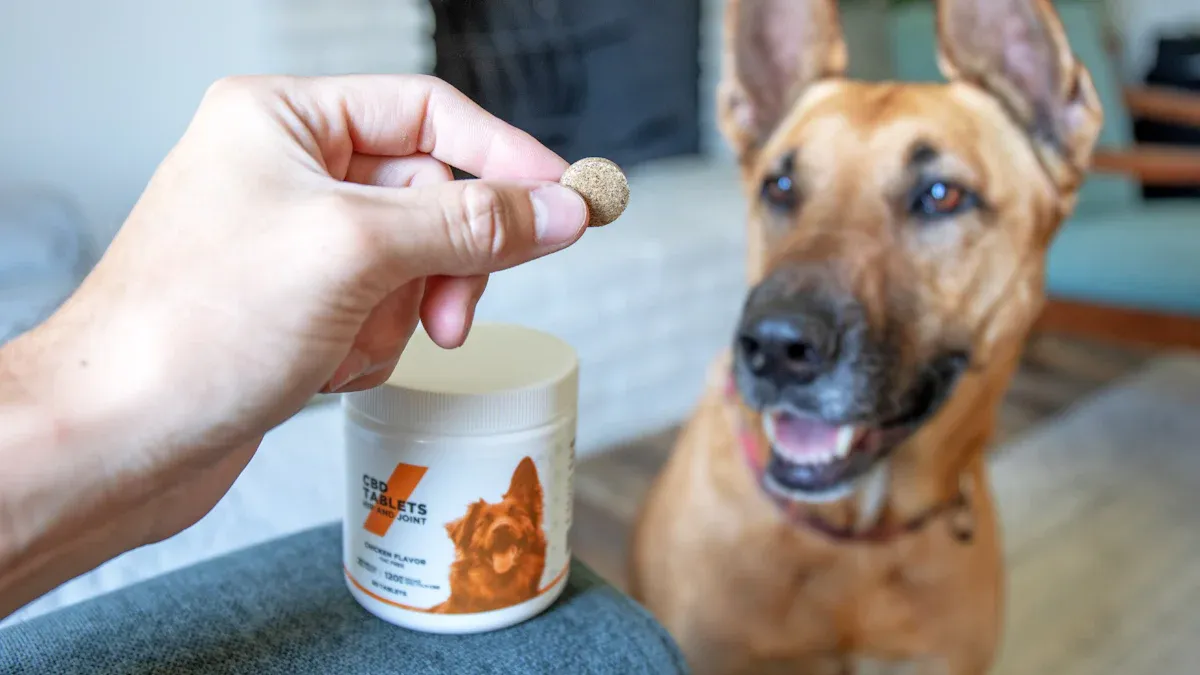
You might wonder what glucosamine hydrochloride for dogs actually is. This supplement comes from a natural compound called glycosaminoglycan. It helps build and repair cartilage in your dog’s joints. When you give your dog glucosamine hydrochloride, you support their body’s ability to keep joints healthy and strong.
Here’s what makes it special:
- Glucosamine hydrochloride is absorbed in your dog’s body, though only about 12% gets used.
- It protects cartilage by stopping the breakdown of type II collagen and helping your dog make more of it.
- It helps rebuild glycosaminoglycan and proteoglycan, which are important for joint health.
You may see different types of glucosamine in supplements. Check out this table to see how glucosamine hydrochloride compares to glucosamine sulfate:
| Feature | Glucosamine Hydrochloride | Glucosamine Sulfate |
|---|---|---|
| Concentration per dose | Higher | Lower |
| Bioavailability | Lower overall | Higher overall |
| Stabilizers | None | Sodium or Potassium Chloride |
| Production Cost | Cheaper | More expensive |
Glucosamine hydrochloride for dogs gives you more glucosamine per gram and costs less. It also avoids extra sodium or potassium, which can be risky for dogs with heart or kidney problems.
Benefits for Canine Joint Health
You want your dog to feel comfortable and active. Glucosamine hydrochloride for dogs can help with that. Many pet owners notice these improvements:
- Better joint health
- Less pain
- Easier movement
- Reduced stiffness
- Preventative care for bigger breeds
Veterinarians recommend supplements based on scientific studies. One study showed that dogs taking glucosamine and chondroitin moved better than dogs who got a placebo. If your dog struggles with joint pain or stiffness, this supplement could make a real difference.
Tip: Always talk to your vet before starting any new supplement. They can help you choose the right product and dosage for your dog.
Criteria for Choosing Glucosamine Hydrochloride for Dogs
Safety Standards and NASC Quality Seal
You want your dog’s supplement to be safe and trustworthy. Look for products that meet strict safety standards. The National Animal Supplement Council (NASC) quality seal is a great sign. This seal means the supplement follows tough rules for quality control. The company keeps a quality control manual, reports any problems, and follows clear labeling guidelines. They also add warning statements as the FDA recommends. Independent labs check the ingredients through random audits. You can trust supplements with this seal.
Here’s what to check for when picking a safe product:
- Third-party testing for purity and safety
- NASC quality seal on the label
- GMP-certified facilities
- Human-grade ingredients
Tip: Supplements with third-party testing and the NASC seal give you peace of mind. You know your dog is getting a safe product.
Ingredient Quality and Additional Joint Support Nutrients
Ingredient quality matters a lot. If you choose a supplement with high-quality ingredients, your dog gets better results. Low-quality ingredients can change the dose and make the supplement less effective. You should always check the label for extra nutrients that help joints.
Here’s a quick look at common joint support nutrients:
| Nutrient | Amount | Description |
|---|---|---|
| Glucosamine Hydrochloride | 500 mg | Helps build and repair cartilage |
| Sodium Chondroitin Sulfate | 400 mg | Supports the structure of connective tissues |
| MSM | — | Supports joints and connective tissue |
| Manganese | 2.5 mg | Helps form collagen for healthy cartilage |
Supplements with chondroitin sulfate, MSM, and manganese give extra support. These nutrients work together to keep your dog’s joints strong.
Note: The effectiveness of glucosamine hydrochloride for dogs can change based on ingredient quality. Watch how your dog responds and talk to your vet if you notice any changes.
Proper Dosage and Formulation for Dogs
You need to pick the right dosage for your dog’s size. Giving too much or too little can affect how well the supplement works. Most products list dosage guidelines based on your dog’s weight.
Here’s a handy table for daily dosage:
| Dog Size | Weight Range (kg) | Recommended Dosage (mg daily) |
|---|---|---|
| Small | Less than 10 | 250-500 |
| Medium | 10-25 | 500-1000 |
| Large | 25-50 | 1500-2000 |
Always follow the instructions on the package. If you’re not sure, ask your vet for advice.
Supplement Forms: Chews, Tablets, and Liquids
You have options when choosing glucosamine hydrochloride for dogs. The form you pick can make a big difference in how easy it is to give your dog the supplement.
| Form | Pros | Cons |
|---|---|---|
| Liquid Glucosamine | Can be used as a topper on food | May not be eaten by picky dogs |
| Higher concentration absorbed | Needs to be given directly if not eaten | |
| Glucosamine Chews | Doubles as treats, attractive to dogs | May be absorbed more slowly than liquids |
| Convenient, no mixing required | Some may contain allergens | |
| Tablets and Capsules | Easy to store, long shelf life | Some dogs may resist taking pills |
| Can be hidden in food or treats | May require tricks to get dogs to swallow |
Soft chews are popular because dogs see them as snacks. This makes it easier for you to give the supplement every day. Consistency is important for joint health.
Callout: If your dog is picky, try chews first. Dogs usually love them, and you won’t have to struggle at mealtime.
Manufacturer Reputation and Customer Reviews
You want to buy from a company you can trust. Look for brands with a good reputation and positive reviews from other pet owners. Read what people say about the supplement’s effectiveness and safety. Reliable manufacturers use quality ingredients and follow strict standards. Customer feedback helps you spot any issues before you buy.
Tip: Check online reviews and ask your vet for recommendations. A trusted brand gives you confidence that you’re making the best choice for your dog.
How to Read Glucosamine Hydrochloride Supplement Labels
Identifying Active Ingredients and Dosage
When you pick a supplement, check the label for clear information about what’s inside. You want to see the exact amount of glucosamine hydrochloride for dogs listed. Reliable brands use lab methods like HPLC or FMOC-Su derivatization to make sure the dosage matches what’s on the label. These methods help confirm the supplement’s quality and consistency.
| Method | Description |
|---|---|
| HPLC Method | Accurate way to measure glucosamine content |
| FMOC-Su Derivatization | Used for lab validation and quality control |
| Collaborative Study | Peer-reviewed process for reliable results |
Spotting Fillers, Additives, and Red Flags
You want your dog’s supplement to be pure and safe. Some products add fillers or unnecessary ingredients that can cause problems. Look out for these common additives:
- Cellulose: Dogs can’t digest it.
- Rice powders: May be genetically engineered unless organic.
- Talc: Linked to cancer.
- Cornstarch, lactose, sorbitol: Not helpful for joint health.
- Magnesium stearate: Can affect the immune system.
- Artificial sweeteners: May feed bad bacteria.
Choose supplements with minimal inactive ingredients. If your dog has allergies, look for vegetable-sourced glucosamine or hypoallergenic formulas.
Understanding Claims and Certifications
Certifications and claims help you spot trustworthy products. Look for these quality indicators:
| Quality Indicator | Description |
|---|---|
| NASC Quality Seal | Shows the supplement meets strict standards |
| Third-party testing | Independent labs check the ingredients |
| cGMP facilities | Made in places that follow good manufacturing practices |
| Transparency | All ingredients are clearly listed |
Tip: If you see these certifications, you can feel confident about the supplement’s safety and quality.
Potential Side Effects and When to Consult a Veterinarian
Common Side Effects in Dogs
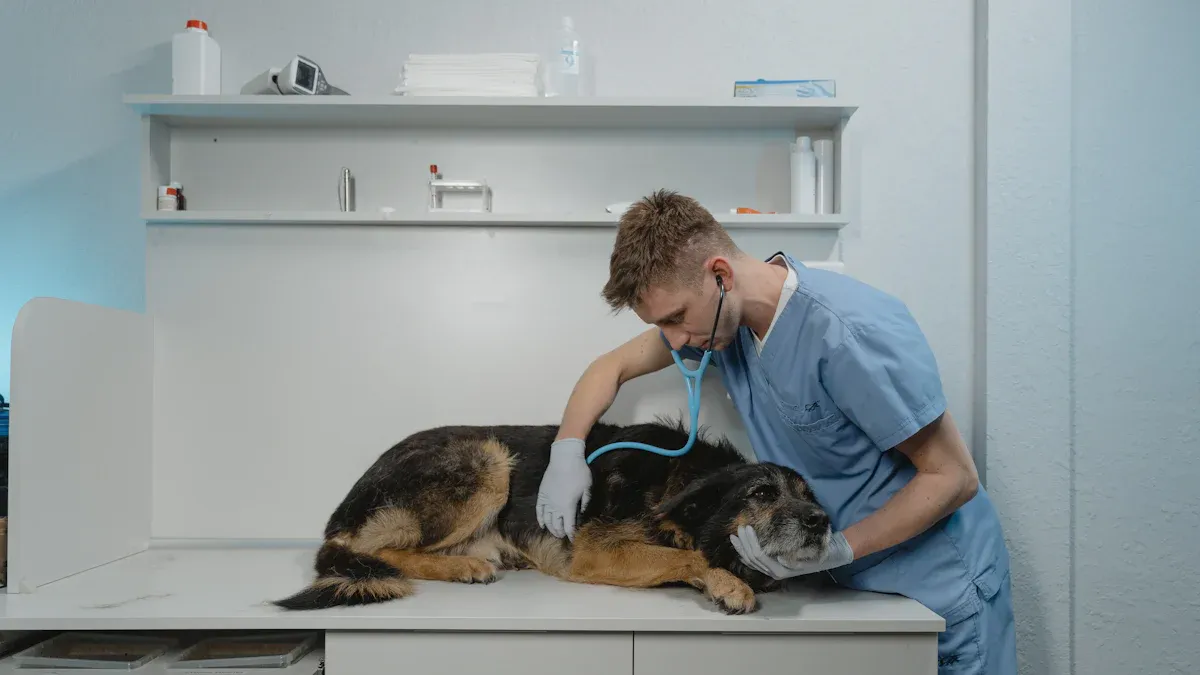
Most dogs handle glucosamine hydrochloride well, but you might notice some changes after starting the supplement. Keep an eye out for these common side effects:
- Increased urination and excessive thirst. Your dog may drink more water and need to go outside more often. This happens because glucosamine can cause osmotic diuresis, which means the kidneys work harder to get rid of extra substances.
- Digestive issues like diarrhea, vomiting, gas, or constipation. Some dogs get an upset stomach or cramping.
- Itchy skin, licking, bald spots, or increased pigmentation. These signs may point to an allergic reaction.
- Rarely, severe hypernatremia (high sodium levels) can develop. This can lead to dehydration, disorientation, or even seizures, especially if your dog gets too much glucosamine.
- Elevated blood sugar levels. Dogs with diabetes or those at risk may show signs of insulin resistance.
Note: An 11-year-old Labrador Retriever started drinking and urinating more after a higher dose of glucosamine. A 9-year-old Maltese mix had vomiting and seizures after taking too much joint supplement.
When to Seek Veterinary Advice
You should contact your veterinarian if you notice any of these warning signs:
- Persistent vomiting or diarrhea
- Loss of appetite
- Lethargy or weakness
- Seizures or disorientation
- Frequent urination, urinary incontinence, or excessive thirst
- Skin infections or severe itching
If your dog has diabetes, kidney, or liver problems, talk to your vet before starting glucosamine. Always stop the supplement and call your vet if symptoms appear or get worse. Your vet can help adjust the dosage or suggest a different approach for your dog’s joint health.
Integrating Glucosamine Hydrochloride for Dogs into Daily Routine
Tips for Introducing the Supplement
You want your dog to feel comfortable with new supplements. Start slow and make the process easy. Try these tips:
- Mix glucosamine hydrochloride for dogs with your dog’s food. This helps buffer stomach acidity and makes the supplement more appealing.
- Never use human supplements. They may contain additives that can harm your dog.
- If your dog is pregnant or nursing, ask your vet before starting any supplement.
- Talk to your vet about the best dosage, especially if your dog takes other medications or has health issues.
- Your vet can help you introduce the supplement gradually to avoid stomach upset.
Tip: Dogs adjust better when you add new supplements slowly. Watch for any changes in their behavior or appetite.
Monitoring Your Dog’s Response
Keep an eye on your dog after you start the supplement. Look for signs of improvement or any side effects. You might notice your dog moves more easily or seems happier. If you see digestive issues or allergic reactions, contact your vet right away.
- Track changes in mobility, energy, and comfort.
- Note any stomach upset, itching, or changes in thirst.
- Record your observations in a notebook or app.
Adjusting Dosage and Frequency
You may need to change the dosage based on your dog’s response. Most vets recommend starting with 500 mg per 50 pounds of body weight daily. Adjust the amount over 4–6 weeks as your vet suggests. Typical dosing ranges from 40 to 62.5 mg per kilogram per day. Your vet may review your dog’s progress every few months and make changes as needed.
Note: Always follow your vet’s advice for dosage and frequency. Regular check-ins help keep your dog safe and comfortable.
You want your dog to stay active and comfortable. Glucosamine helps repair cartilage and manage joint pain. Always talk to your vet first, especially if your dog has health issues. Look for supplements with proven ingredients and easy dosing.
Quick Checklist:
- Check active ingredients and clinical research.
- Choose GMP-certified products.
- Focus on real science, not marketing.
- Pick palatable forms for easy use.
FAQ
Can you give glucosamine hydrochloride to puppies?
You should not give glucosamine to puppies unless your vet recommends it. Most puppies do not need joint supplements.
How long does it take to see results in your dog?
You may notice changes in your dog’s movement after four to six weeks. Some dogs respond faster.
Is it safe to use glucosamine with other medications?
You can use glucosamine with most medications. Always ask your vet first to make sure it is safe for your dog.
See Also
Effective Strategies To Enhance 2 5-Furandicarboxylic Acid Sustainability
Reasons Bovine Gelatin Powder Is An Effective Health Supplement
Key Indicators Of High-Quality Bovine Gelatin Powder To Recognize
Comparative Analysis Of Bovine Gelatin Powder Versus Fish And Pork
10 Creative Methods To Incorporate Bovine Gelatin Powder In Recipes