Choosing a Desktop Water Dispenser What You Need to Know
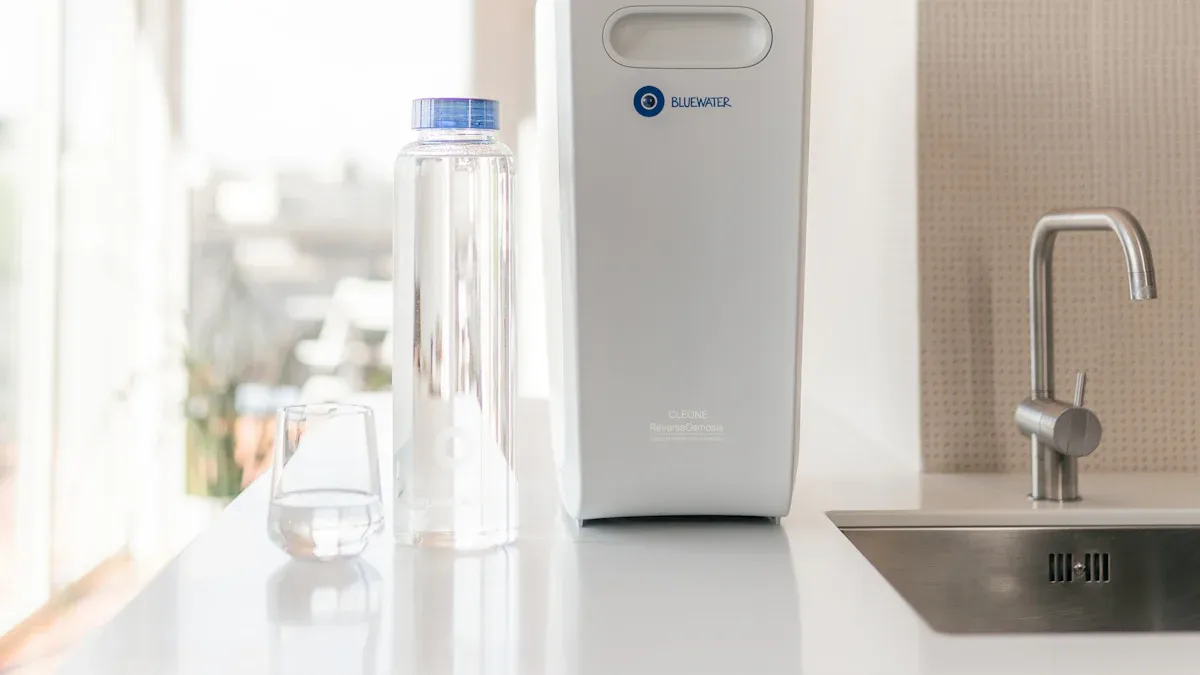
You want clean, great-tasting water at home. Many people share this goal, driving the market for water dispensers due to worries about contaminants like chlorine. Choosing the right desktop water dispenser involves a few key decisions. You will need to select a type, filtration method, and features that fit your needs and budget.
Key Takeaways
- Choose between a bottle-fed or plumbed-in dispenser. Bottle-fed units are flexible. Plumbed-in units offer continuous water and are better for the environment.
- Select a water filter based on your needs. Carbon filters improve taste. Reverse Osmosis (RO) removes many impurities. Ultrafiltration (UF) keeps good minerals.
- Consider features like hot and cold water options. Check the dispenser's size for your space. Look for NSF/ANSI certification for filter quality.
Dispenser Types: Bottle-Fed vs. Plumbed-In
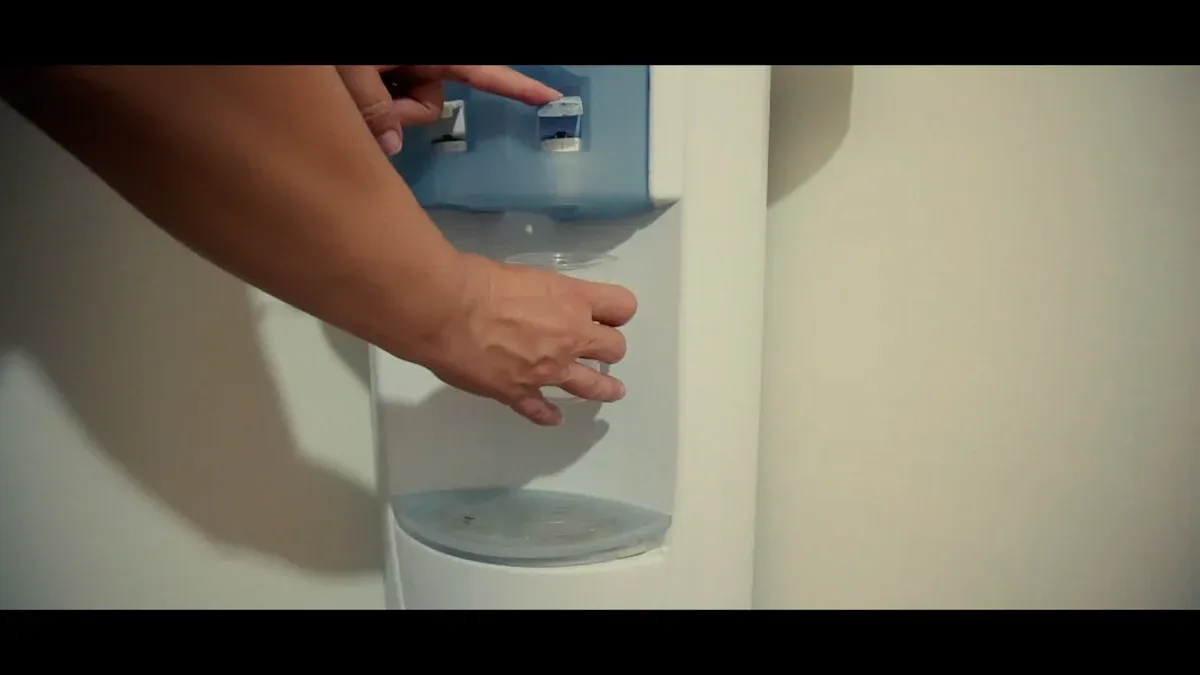
Your first major decision is choosing between a bottle-fed or a plumbed-in unit. Each type offers distinct advantages and fits different lifestyles. Understanding these differences helps you select the best option for your home.
The Convenience of Bottle-Fed Dispensers
Bottle-fed dispensers are popular for their simplicity and flexibility. You can place this type of desktop water dispenser almost anywhere with an electrical outlet. The initial purchase price is also quite low. You can expect to pay between $100 and $300 for a new unit.
However, you should consider a few drawbacks:
- Heavy Lifting: A standard 5-gallon water bottle weighs about 48 pounds. Lifting and placing these bottles can strain your back and shoulders.
- Storage Space: You will need a place to store both full and empty water bottles.
- Regular Cleaning: The water reservoir holds standing water. This environment can allow bacteria to grow, so you must sanitize the unit regularly.
The Sustainability of Plumbed-In (Point-of-Use) Dispensers
Plumbed-in dispensers, also known as point-of-use (POU) systems, connect directly to your water line. This provides a continuous supply of filtered water. You never have to worry about running out of water or dealing with heavy bottles.
A Greener Choice 💧 Plumbed-in systems are a more sustainable option. You eliminate the need for plastic bottles. This reduces the environmental impact from plastic manufacturing, transportation, and disposal. You help lower the carbon footprint associated with the entire lifecycle of bottled water.
While the upfront cost and installation are higher than bottle-fed models, the long-term convenience and environmental benefits are significant.
Understanding Water Filtration Technology
The main purpose of a desktop water dispenser is to provide clean water. Your tap water can contain various substances you might want to remove.
- Chlorine and its byproducts
- Pesticides and herbicides like atrazine
- Microplastics
- Heavy metals like lead
- Pharmaceutical drug traces
Different filters target different contaminants. You must choose a filtration system that matches your water quality concerns.
Common Filter Types: Carbon, RO, and UF
Most dispensers use one of three main filter types. Activated carbon filters are very common. They excel at improving your water's taste and smell. These filters effectively remove chlorine, certain pesticides, and volatile organic compounds (VOCs).
Reverse Osmosis (RO) systems offer a higher level of filtration. An RO filter uses a special membrane with tiny pores. It removes up to 99% of dissolved solids, including fluoride, nitrates, and heavy metals. This process produces exceptionally pure water.
Ultrafiltration (UF) is another option. UF filters have larger pores than RO filters. They remove bacteria, viruses, and other large particles. However, UF systems leave beneficial minerals like calcium and magnesium in your water.
The Importance of NSF/ANSI Certification
You should look for products with NSF/ANSI certification. This mark shows that a filter has been tested by an independent organization to verify its claims. It gives you confidence in the product's performance.
Focus on NSF/ANSI 42 🛡️ This specific standard certifies a filter's ability to reduce aesthetic impurities. These are contaminants that affect your water's taste, smell, and appearance, such as chlorine and particulates. A certification to NSF/ANSI 42 ensures your water will be more pleasant to drink.
Choosing a certified filter guarantees it meets strict standards for safety and effectiveness.
Key Features to Consider in a Desktop Water Dispenser
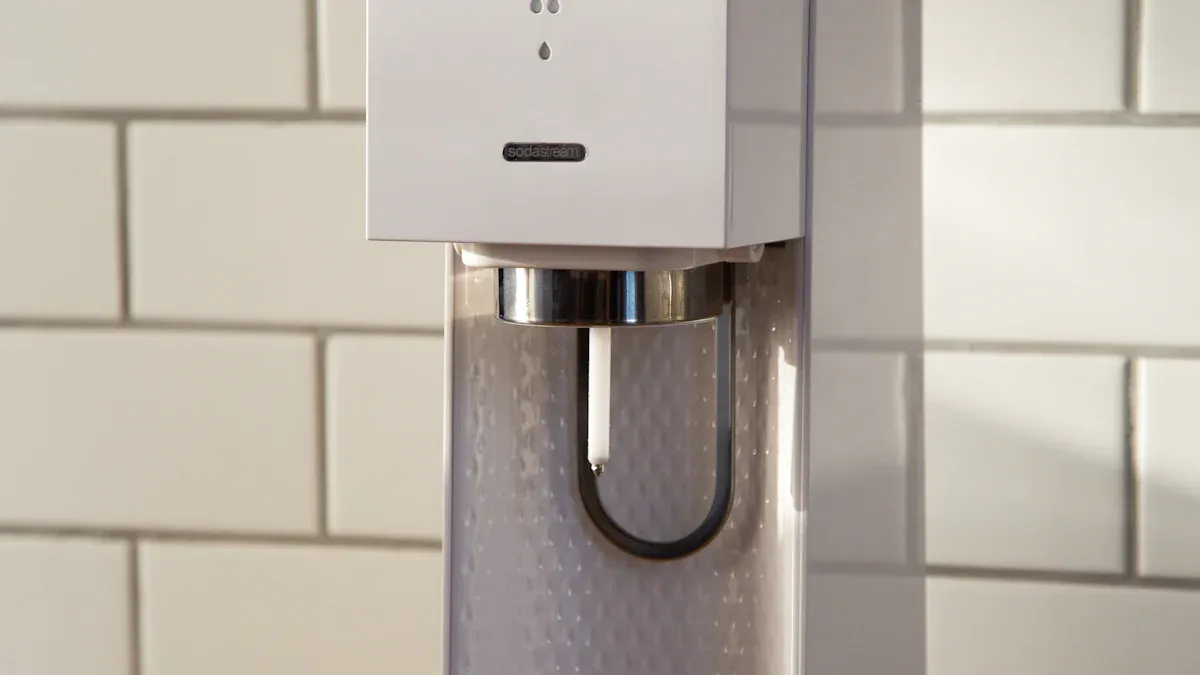
Beyond filtration, the right features make a dispenser a joy to use. You should evaluate temperature options, size, and design to find a unit that fits your daily routine and your kitchen space.
Hot, Cold, and Room Temperature Options
Many dispensers offer more than just cool water. Models with multiple temperature settings provide incredible convenience. You can instantly prepare hot beverages like tea or coffee. Some instant hot water dispensers can heat water to a range of 77-210°F (25-99°C). This feature eliminates the need to use a kettle or microwave, saving you time and counter space.
Capacity and Footprint
You must consider the physical size of the unit. Measure your available counter space before you buy. A compact desktop water dispenser might have dimensions around 10.8 inches long by 9.45 inches wide by 14.2 inches high. Also, check the compatible water bottle capacities. Some units can handle various sizes, from smaller 1-gallon jugs up to larger 5-gallon bottles, giving you flexibility.
Build Materials and Design
Your water dispenser should look good in your kitchen. Manufacturers use various materials, from durable plastics to sleek stainless steel. Modern units also come packed with advanced technology.
Smart Features to Look For ✨
- UV-C Sterilization: This technology uses ultraviolet light to kill microbes inside the dispenser, keeping your water pure.
- App Connectivity: Some smart dispensers connect to an app on your phone. You can use it to track your daily water intake or monitor the filter life.
Good design also focuses on usability. For example, the Toshiba ZHI dispenser won an iF Design Award in 2023 for its ergonomic features, including a special 45°C setting perfect for preparing baby formula.
Factoring in Long-Term Costs and Maintenance
Your new desktop water dispenser will require ongoing attention and investment. You should budget for filter replacements and regular cleaning. Understanding these long-term commitments helps you make a financially sound decision and ensures your water stays fresh and safe.
Filter Replacement Schedules and Costs
The total cost of ownership varies greatly between dispenser types. Bottle-fed models seem cheaper at first, but delivery services add up. A household can spend $30 to $50 monthly on water delivery. Over five years, a plumbed-in system can save you up to 80% compared to bottled water, potentially saving a family thousands of dollars.
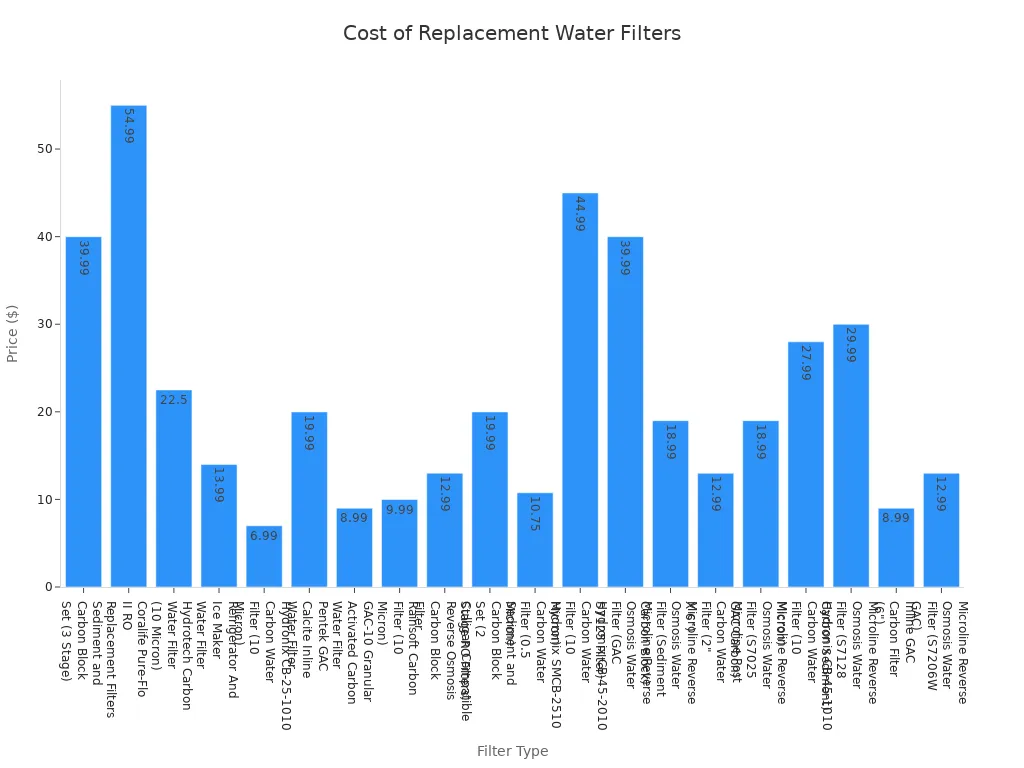
Filter replacement is a key expense for plumbed-in units. The cost and frequency depend on the filter type.
- Carbon Filters: You will likely replace these every 6 to 12 months.
- RO Membranes: These last much longer, typically needing replacement every 3 to 5 years.
Replacement filter prices can range from under $10 for a simple carbon filter to over $50 for a multi-stage RO filter set. You must follow the manufacturer's recommended schedule to ensure optimal performance.
Your Regular Cleaning and Sanitizing Routine
Regular cleaning is essential for water safety. Both dispenser types can develop biofilm, a slimy layer of bacteria.
Warning Signs of Contamination ⚠️ You should watch for signs of biofilm or mold. A stale odor or taste in your water is a clear indicator. You might also see slime buildup inside the unit or discoloration around the water outlets.
You should clean your dispenser every time you change the water bottle or at least once a month. For plumbed-in units, follow a quarterly cleaning schedule. Use a solution of mild soap and water or a specialized cleaning kit. This simple routine prevents harmful bacteria from growing and keeps your water tasting pure and fresh.
You are now prepared to select the best desktop water dispenser.
Your Final Checklist ✅ Consider the dispenser type, filtration, features, and long-term maintenance.
This information equips you to make a confident purchase. You can ensure you always have convenient access to clean, great-tasting water at home.
FAQ
How often should I clean my water dispenser?
You should clean your dispenser monthly. For bottle-fed units, clean it with every bottle change. This simple routine prevents bacteria growth and keeps your water tasting fresh.
What is the main difference between RO and UF filters?
Reverse Osmosis (RO) removes nearly all dissolved solids, including minerals. Ultrafiltration (UF) removes bacteria and viruses but leaves beneficial minerals like calcium in your water.
Are plumbed-in dispensers hard to install?
Installation can be a DIY project if you are handy. Many people hire a professional plumber. This ensures a secure, leak-free connection to your water line.